2mm Thick Aluminum Checker Plate
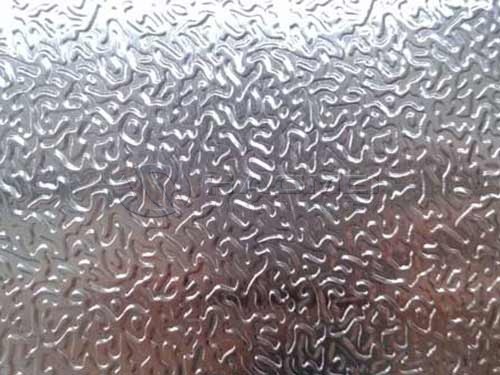
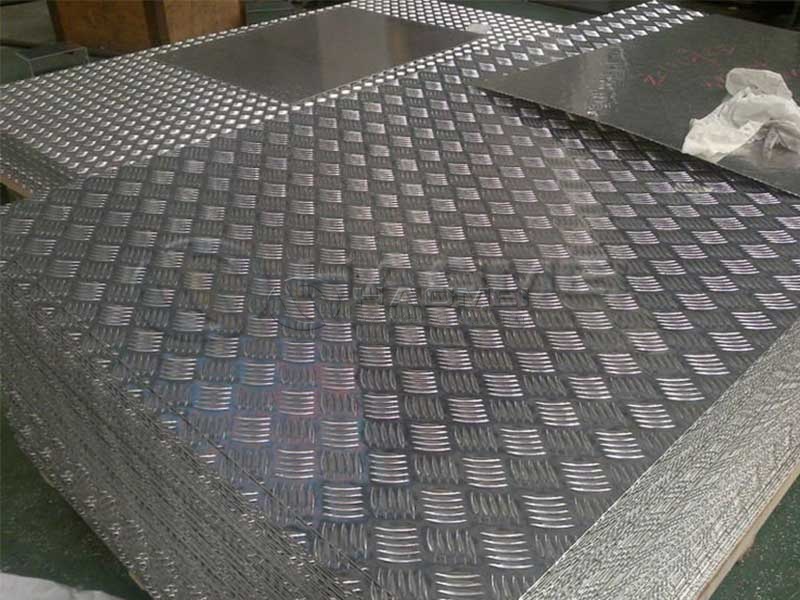
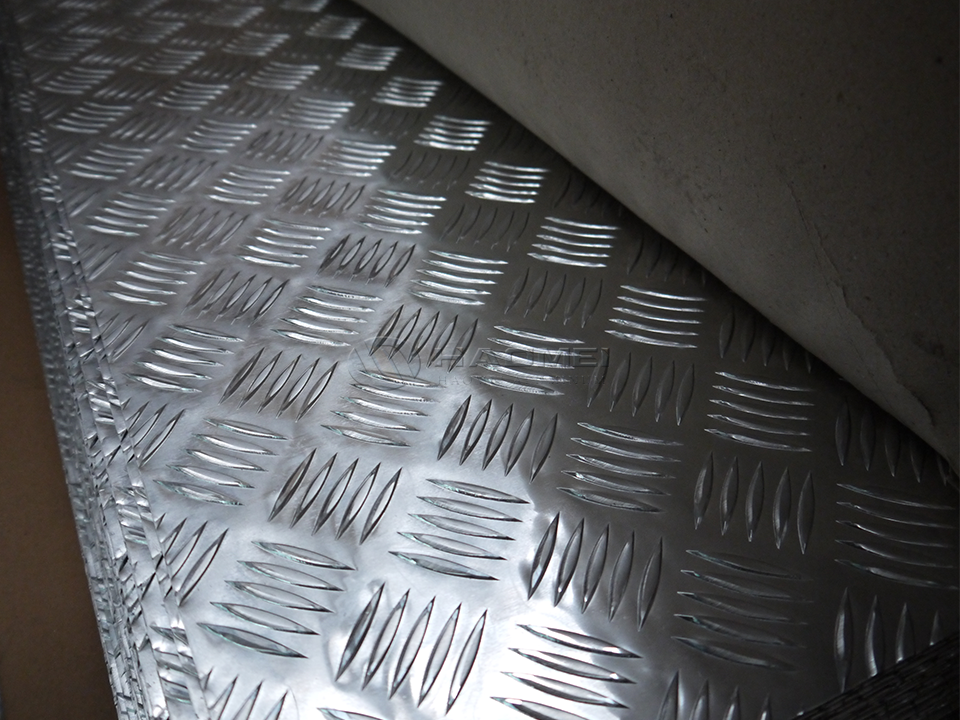
A 2mm thick aluminum checker plate is often chosen for reasons that go beyond appearance. Its raised pattern turns a thin aluminum sheet into a practical walking, covering, and protection surface. The embossed bars or diamonds improve shoe and tire traction, while the aluminum base keeps the panel light enough for transport equipment, access platforms, cabinets, trailers, and decorative wall protection.
The most useful way to view 2mm aluminum checker plate is as a surface material rather than a heavy structural plate. It can resist daily contact, moisture, dirt, and moderate impact, but its load-bearing performance depends heavily on the supporting frame beneath it. When correctly supported, it offers an excellent balance between safe footing, corrosion resistance, and fabrication convenience.
What Does 2mm Thickness Actually Mean?
For checker plate, the stated 2mm thickness normally refers to the base aluminum thickness before the raised tread pattern is considered. The total height after embossing is commonly greater, often around 2.3mm to 2.8mm depending on the pattern design, alloy, and production method. Buyers should confirm whether a quotation refers to base thickness or total thickness, especially when the material must fit into a frame, door threshold, or recessed floor channel.
At a density of approximately 2.70 g/cm³, a flat 2mm aluminum sheet weighs about 5.4 kg/m². The embossed pattern slightly changes the final weight, although the difference is usually modest. Compared with steel checker plate of the same thickness, aluminum significantly reduces installed weight, which is valuable in vehicles, ships, portable equipment, and elevated work areas.
Common sheet widths include 1,000mm, 1,250mm, 1,500mm, and 2,000mm. Typical lengths include 2,000mm, 2,440mm, 3,000mm, and 6,000mm. Cut-to-size panels are often preferred where waste reduction and faster installation matter.
Common Parameters for 2mm Aluminum Checker Plate
| Parameter | Typical Range or Requirement |
|---|---|
| Base thickness | 2.00mm, subject to agreed thickness tolerance |
| Total thickness | Usually 2.3mm to 2.8mm, depending on tread pattern |
| Width | 1,000mm to 2,000mm |
| Length | 2,000mm to 6,000mm, or cut to size |
| Pattern options | Five bar, diamond tread, three bar, lentil tread |
| Surface finish | Mill finish, bright finish, anodized, painted, PVC film |
| Density | Approximately 2.70 g/cm³ |
| Approximate base-sheet weight | About 5.4 kg/m² at 2mm thickness |
| Main forming methods | Cutting, bending, drilling, riveting, bonding, welding |
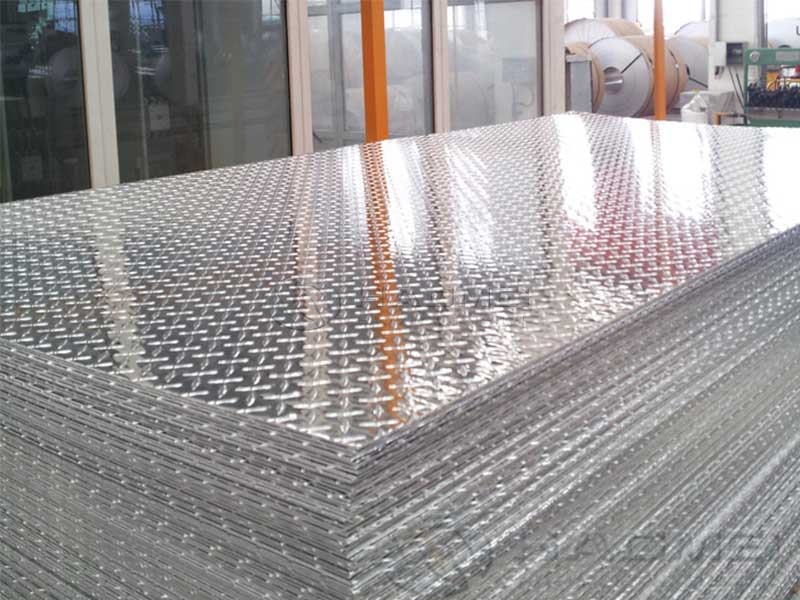
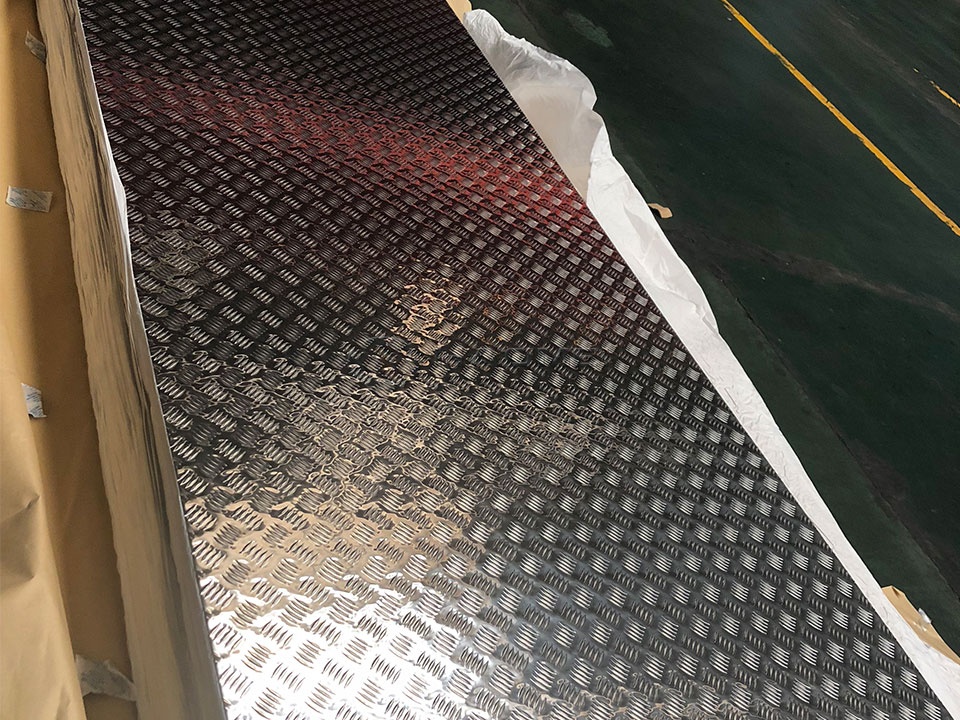
Pattern selection affects both grip and cleaning. Five-bar designs provide broad directional traction and are popular for floors, ramps, and steps. Diamond patterns create a more industrial visual effect and offer multi-directional grip. For applications requiring a familiar floor-grade profile, Five Bar Aluminum Tread Plate is widely used in vehicle and marine environments.
Alloy Choices and Temper Conditions
The alloy is more important than the visible tread. Two checker plates can look nearly identical while performing very differently in wet, salty, or high-contact environments.
The 1xxx series, including 1050 and 1060, has high aluminum content, excellent corrosion resistance, and very good formability. It is suitable for decorative cladding, light-duty wall protection, insulation covers, and low-load flooring. Its lower strength makes it less suitable for unsupported decks or areas exposed to repeated heavy wheel loads.
3003 aluminum checker plate is one of the most common commercial choices. Manganese improves strength while preserving good corrosion resistance and workability. Tempers such as H22 and H24 are frequently selected for general flooring, toolboxes, interior truck linings, and industrial covers. 3105 provides similar benefits and may be selected where additional strength or coating performance is required.
5052 aluminum checker plate is a stronger magnesium-bearing option. It performs especially well in humid, coastal, and marine locations. Typical tempers include H32, H34, and H38, with H32 commonly balancing strength and bendability. This alloy is widely considered for boat decks, dock components, refrigerated vehicle interiors, and outdoor platforms.
| Alloy | Main Alloying Elements | Common Temper | Practical Character |
|---|---|---|---|
| 1050 | Aluminum, small silicon and iron content | H14, H24 | Soft, formable, corrosion resistant |
| 1060 | Aluminum with controlled silicon and iron | H14, H24 | Good conductivity and easy shaping |
| 3003 | Manganese, copper | H22, H24 | General-purpose strength and workability |
| 3105 | Manganese, magnesium | H24, H26 | Good coating response and moderate strength |
| 5052 | Magnesium, chromium | H32, H34 | Stronger, highly resistant to marine exposure |
Chemical Composition Reference
Chemical limits vary by governing specification and mill certificate. The values shown are commonly used composition ranges for selection purposes.
| Alloy | Si | Fe | Cu | Mn | Mg | Cr | Zn | Al |
|---|---|---|---|---|---|---|---|---|
| 1050 | ≤0.25% | ≤0.40% | ≤0.05% | ≤0.05% | ≤0.05% | - | ≤0.05% | Balance, min. 99.50% |
| 1060 | ≤0.25% | ≤0.35% | ≤0.05% | ≤0.03% | ≤0.03% | - | ≤0.05% | Balance, min. 99.60% |
| 3003 | ≤0.60% | ≤0.70% | 0.05-0.20% | 1.00-1.50% | - | - | ≤0.10% | Balance |
| 3105 | ≤0.60% | ≤0.70% | ≤0.30% | 0.30-0.80% | 0.20-0.80% | ≤0.20% | ≤0.40% | Balance |
| 5052 | ≤0.25% | ≤0.40% | ≤0.10% | ≤0.10% | 2.20-2.80% | 0.15-0.35% | ≤0.10% | Balance |
Standards and Quality Control
2mm thick aluminum checker plate may be produced and inspected according to ASTM B632 for aluminum-alloy rolled tread plate, ASTM B209 for aluminum sheet and plate, EN 1386 for aluminum checker plates, EN 485 for mechanical properties and dimensional tolerances, or JIS H4000 for Japanese-market requirements.
A purchase specification should state the alloy, temper, base thickness tolerance, pattern type, sheet dimensions, surface condition, and applicable standard. If corrosion resistance is critical, request a mill test certificate showing chemical composition and mechanical properties. For visible architectural work, surface scratches, roller marks, oil stains, and pattern consistency should also be agreed before production.
Fabrication and Installation Considerations
Aluminum checker plate can be cut using CNC routers, shears, waterjet equipment, or suitable saw blades. Burrs should be removed after cutting because exposed edges can become sharp. Bending is possible, but the bend radius should match the alloy and temper. Harder tempers provide greater surface durability but require more generous bend radii to reduce cracking risk.
For fastening, use compatible aluminum or stainless-steel hardware with insulating washers where galvanic corrosion may occur. This is particularly important when aluminum contacts carbon steel in wet locations. Adhesive bonding can create a clean appearance for wall panels and interior linings, while rivets or bolts are more practical for removable access panels.
A 2mm checker plate should not be treated as a substitute for a structural deck without confirming support spacing and applied load. Pedestrian traffic may be suitable with adequate framing, yet trolley wheels, pallet trucks, machinery, or concentrated point loads may require thicker material or closer support members.
For projects where patterned aluminum serves both visual and functional needs, Diamond Aluminum Tread Plate offers another practical profile for protective surfaces, access covers, and commercial interiors.
Selecting the Right Plate for the Job
Choose 1050 or 1060 when easy forming, low cost, and light-duty use are the priority. Choose 3003 or 3105 for dependable general-purpose flooring and protective panels. Choose 5052 when the environment includes salt spray, frequent moisture, outdoor exposure, or demanding transport service.
A well-specified 2mm thick aluminum checker plate provides more than a textured finish. It reduces weight, improves traction, resists corrosion, and creates a durable metal surface that can be fabricated quickly. When alloy, temper, pattern height, and support design are matched to the working environment, this material becomes a reliable part of a long-lasting installation.