Toolbox Embossed Aluminum Sheet
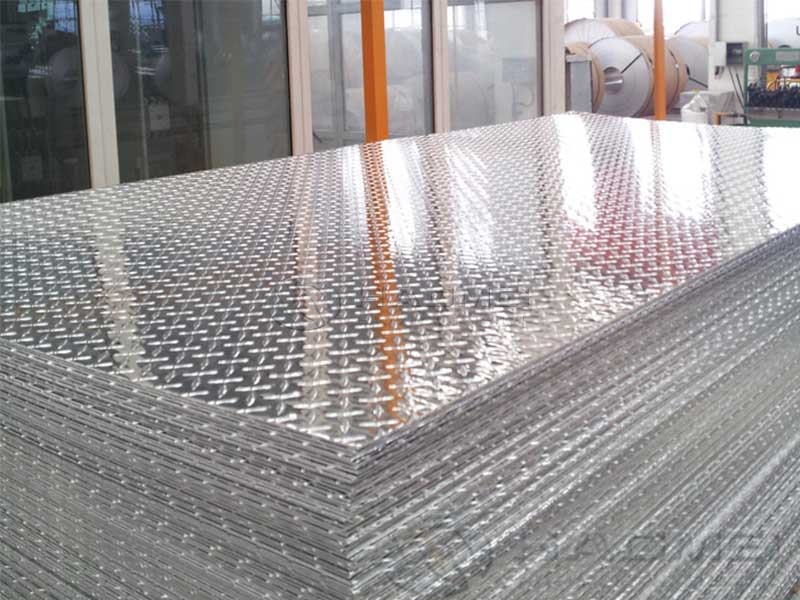
Toolbox embossed aluminum sheet is a practical metal material designed for protective panels, truck toolboxes, equipment cabinets, trailer compartments, and industrial storage units. Its raised pattern improves surface grip, strengthens visual appeal, and helps conceal minor marks caused by daily handling. Compared with plain aluminum sheet, embossed tread sheet provides a more durable working surface without adding excessive weight.
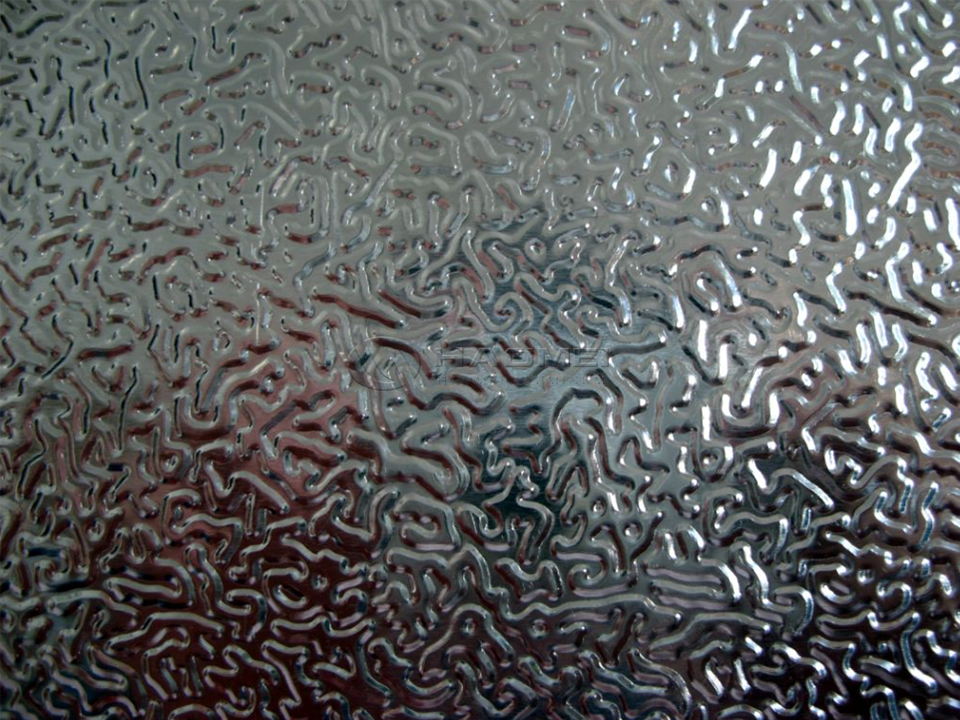
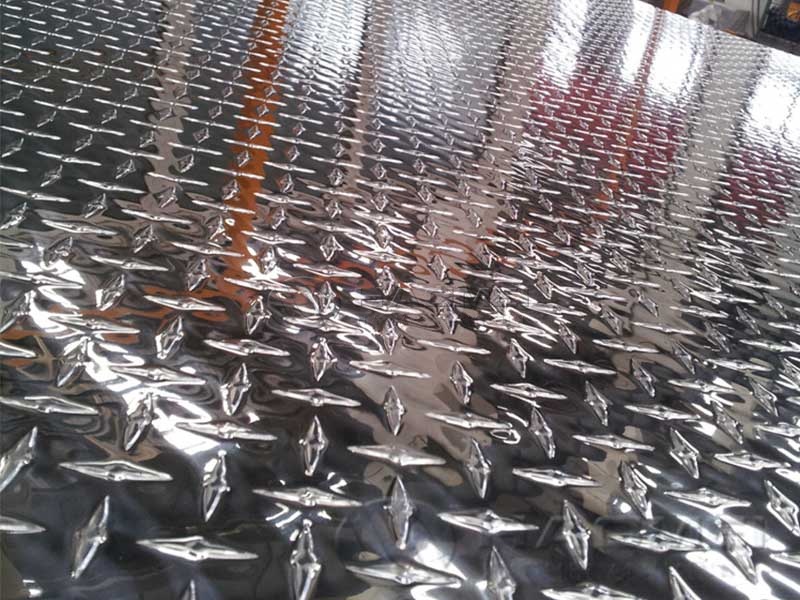
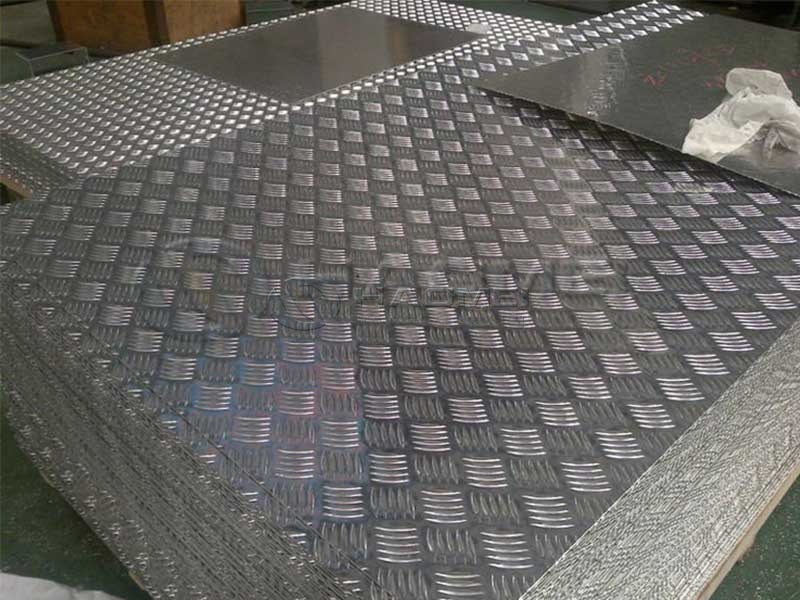
The material is commonly produced with diamond, five-bar, or checker patterns. These raised designs make toolbox panels safer to handle and more resistant to dents, scuffs, and slipping. Aluminum also forms a natural oxide film when exposed to air, providing dependable corrosion resistance in humid garages, outdoor vehicles, marine-adjacent environments, and job sites.
Functional Advantages for Toolbox Fabrication
A toolbox must protect tools while remaining portable, cleanable, and structurally reliable. Embossed aluminum meets these requirements through a balance of strength, formability, and low density. At approximately one-third the weight of steel, aluminum helps reduce vehicle payload while preserving a tough outer shell.
| Function | How Embossed Aluminum Supports It | Customer Benefit |
|---|---|---|
| Slip resistance | Raised bars or diamonds create a textured contact surface | Safer handling of lids, steps, and access panels |
| Surface protection | Embossing disperses contact pressure and masks light scratches | A cleaner appearance during service life |
| Lightweight construction | Aluminum density is about 2.73 g/cm³ | Easier installation and lower transport weight |
| Corrosion resistance | Natural oxide layer protects the base metal | Suitable for wet, dusty, and outdoor environments |
| Fabrication flexibility | Sheet can be cut, bent, drilled, riveted, or welded | Supports custom toolbox sizes and layouts |
| Low maintenance | Non-rusting surface cleans easily with mild detergent | Reduced upkeep for fleet and workshop equipment |
For toolbox lids and exterior walls, diamond tread is often selected for a bold industrial finish. Five-bar patterns offer broad traction lines and are especially suitable when the sheet may be stepped on. For applications needing a more pronounced anti-slip profile, Five Bar Aluminum Tread Plate is a strong choice for access covers, vehicle floors, and heavy-duty equipment enclosures.
Common Alloys and Temper Conditions
The most widely used grades for toolbox embossed aluminum sheet are 3003 and 5052. Alloy 3003 is an aluminum-manganese grade valued for economical forming and general corrosion resistance. Alloy 5052 contains magnesium, giving it higher strength and improved resistance to saltwater and industrial atmospheres.
| Alloy | Typical Temper | Main Characteristics | Recommended Toolbox Use |
|---|---|---|---|
| 3003 | H22, H24 | Good formability, moderate strength, economical | Light truck boxes, cabinet skins, interior panels |
| 3003 | H14 | Softer condition with easier bending | Decorative cladding and formed corner pieces |
| 5052 | H32, H34 | Higher strength and excellent corrosion resistance | Heavy-duty truck boxes, marine storage, outdoor cabinets |
| 5052 | H111 | Good workability with moderate strength | Welded structures and fabricated covers |
Temper designations indicate the work-hardening condition of non-heat-treatable aluminum. H22 and H32 indicate strain-hardened and partially annealed material, providing a useful balance between bendability and strength. H24 and H34 offer a harder condition for panels that need improved dent resistance. Selection should consider sheet thickness, bend radius, lid span, hinge design, and expected load.
Chemical Composition
Chemical composition affects corrosion behavior, forming response, and mechanical strength. Values shown are standard limits in percent by weight and may vary according to the controlling material specification.
| Alloy | Si | Fe | Cu | Mn | Mg | Cr | Zn | Ti | Al |
|---|---|---|---|---|---|---|---|---|---|
| 3003 | 0.60 max | 0.70 max | 0.05-0.20 | 1.0-1.5 | - | - | 0.10 max | - | Balance |
| 5052 | 0.25 max | 0.40 max | 0.10 max | 0.10 max | 2.2-2.8 | 0.15-0.35 | 0.10 max | - | Balance |
Manganese in 3003 improves strength over commercially pure aluminum while keeping fabrication straightforward. Magnesium and chromium in 5052 contribute to its stronger performance and corrosion resistance, making it a preferred grade for demanding mobile or coastal service.
Technical Specifications and Dimensional Options
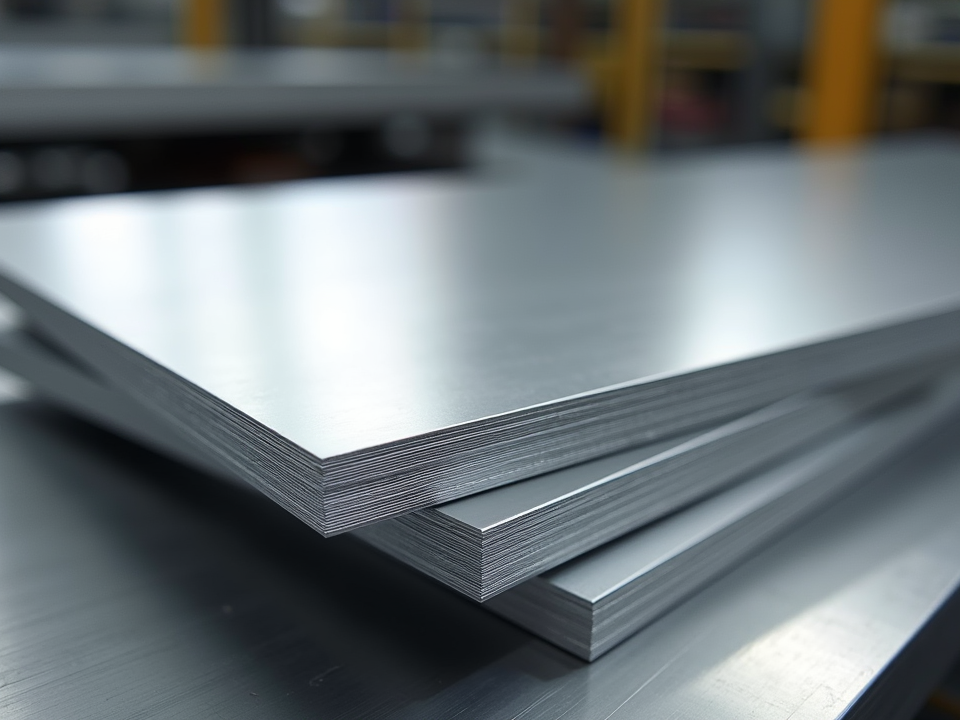
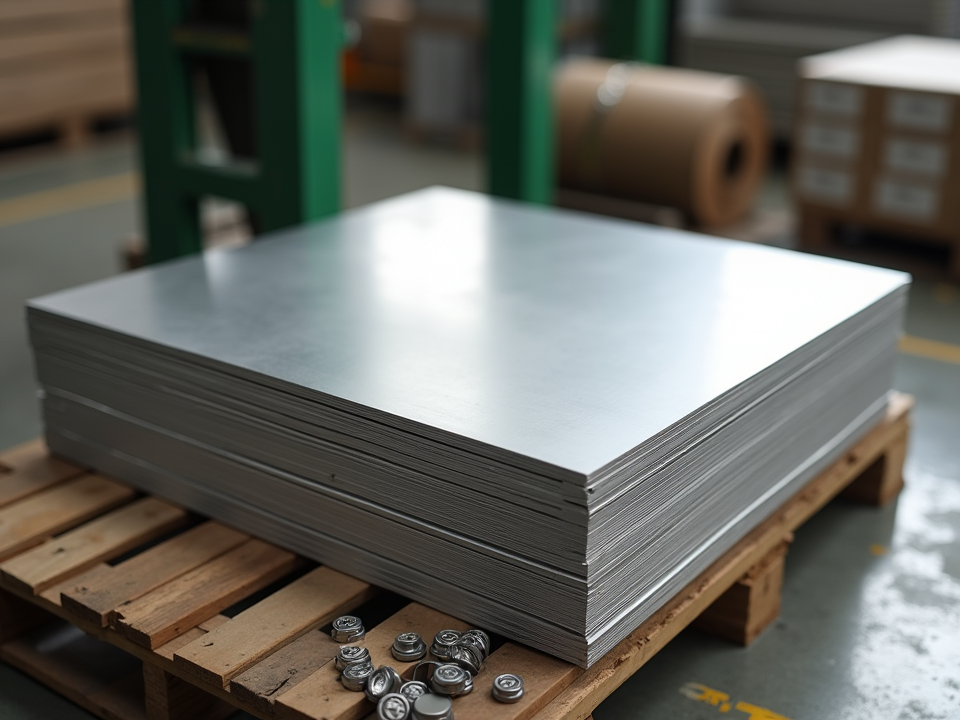
Toolbox embossed aluminum sheet is supplied in coils, standard sheets, or cut-to-size blanks. Finished thickness must be discussed carefully because raised tread height contributes to the total measurement. For accurate fabrication, specify both base metal thickness and overall thickness including the embossed pattern.
| Parameter | Typical Range | Notes |
|---|---|---|
| Base thickness | 1.0-6.0 mm | 1.5-3.0 mm is common for toolbox panels |
| Overall thickness | Base thickness plus pattern height | Pattern height commonly 0.8-1.5 mm |
| Standard sheet width | 1,000-1,500 mm | Custom slit widths may be available |
| Standard sheet length | 2,000-6,000 mm | Cut lengths can reduce fabrication scrap |
| Coil inner diameter | 405 mm or 508 mm | Depends on processing and order requirements |
| Surface finish | Mill finish, bright tread, coated finish | Protective film can be applied on request |
| Pattern options | Diamond, five-bar, three-bar, checker | Pattern direction should match fabrication design |
| Density | Approximately 2.73 g/cm³ | Supports lightweight construction |
| Melting range | Approximately 605-655°C | Depends on alloy composition |
| Thermal conductivity | Approximately 121-193 W/m·K | Useful where heat dissipation is needed |
Typical Mechanical Properties
Mechanical data varies with alloy, temper, and thickness. The figures in this table serve as practical reference values for common toolbox material selections.
| Alloy and Temper | Tensile Strength | Yield Strength | Elongation | Brinell Hardness | Typical Performance |
|---|---|---|---|---|---|
| 3003 H22 | 110-145 MPa | 90 MPa min | 5-12% | Approx. 35 HB | Formable and suitable for general-duty boxes |
| 3003 H24 | 130-165 MPa | 115 MPa min | 4-10% | Approx. 42 HB | Better resistance to handling dents |
| 5052 H32 | 210-260 MPa | 130 MPa min | 7-12% | Approx. 60 HB | Strong choice for mobile and outdoor toolboxes |
| 5052 H34 | 230-280 MPa | 160 MPa min | 5-10% | Approx. 68 HB | Higher rigidity for demanding panels |
Standards and Quality Control
Toolbox embossed sheet can be manufactured to internationally recognized aluminum sheet requirements. The applicable standard should be identified in the purchase order, particularly when material will be used for vehicle bodies, export fabrication, or projects requiring traceability.
| Standard | Scope |
|---|---|
| ASTM B209 | Aluminum and aluminum-alloy sheet and plate requirements |
| EN 485-2 | Mechanical property requirements for wrought aluminum sheet, strip, and plate |
| EN 573-3 | Chemical composition and alloy designation requirements |
| GB/T 3880 | General industrial aluminum and aluminum-alloy sheet and strip requirements |
| ISO 6361 | Wrought aluminum and aluminum alloy sheets, strips, and plates |
Typical inspection includes alloy verification, temper confirmation, thickness measurement, width and length checks, surface appearance review, embossed pattern consistency, flatness evaluation, and packaging inspection. Mill test certificates can document chemical composition and mechanical properties for traceable orders.
Fabrication Guidance
Toolbox embossed aluminum sheet can be sheared, laser cut, waterjet cut, punched, drilled, bent, riveted, bonded, or welded. Use clean tools to avoid embedding steel particles into the aluminum surface, as contamination can create localized staining. When bending embossed sheet, place the pattern direction and bend line carefully to reduce distortion around raised bars.
For joining, aluminum rivets, stainless fasteners with insulating washers, or compatible aluminum welding filler are commonly used. Direct contact between aluminum and unprotected carbon steel should be avoided in wet service because galvanic corrosion may occur. Sealants, nylon spacers, paint barriers, or protective tapes help isolate dissimilar metals.
Toolbox embossed aluminum sheet delivers a durable, lightweight, and professional finish for storage systems that work hard every day. With suitable alloy selection, temper, thickness, and tread pattern, it can serve reliably from compact workshop cases to large vehicle-mounted tool compartments.