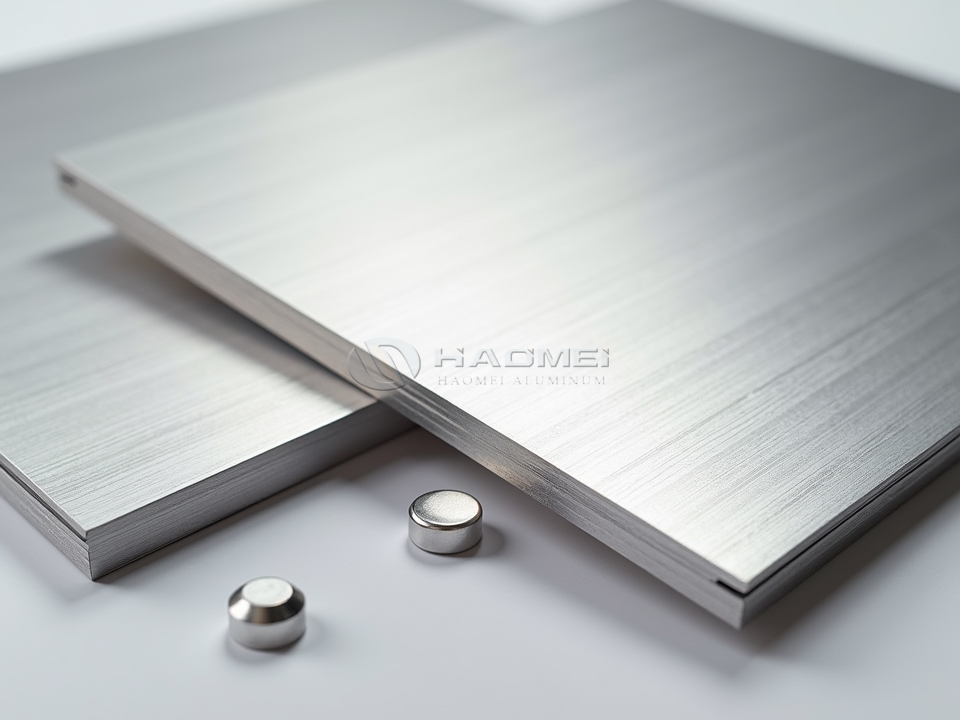
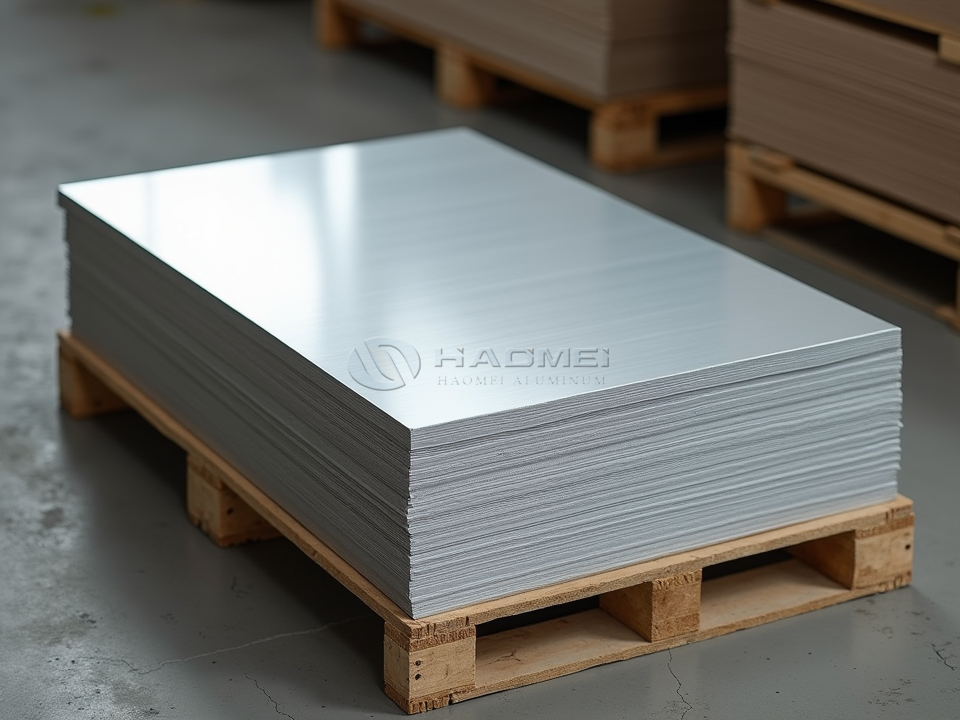
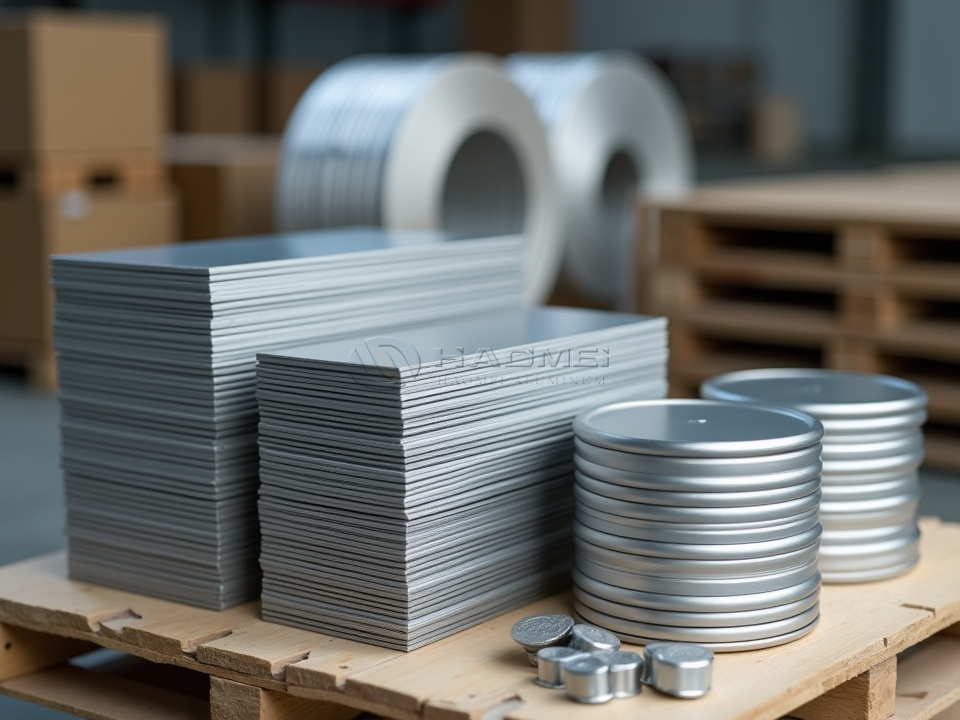
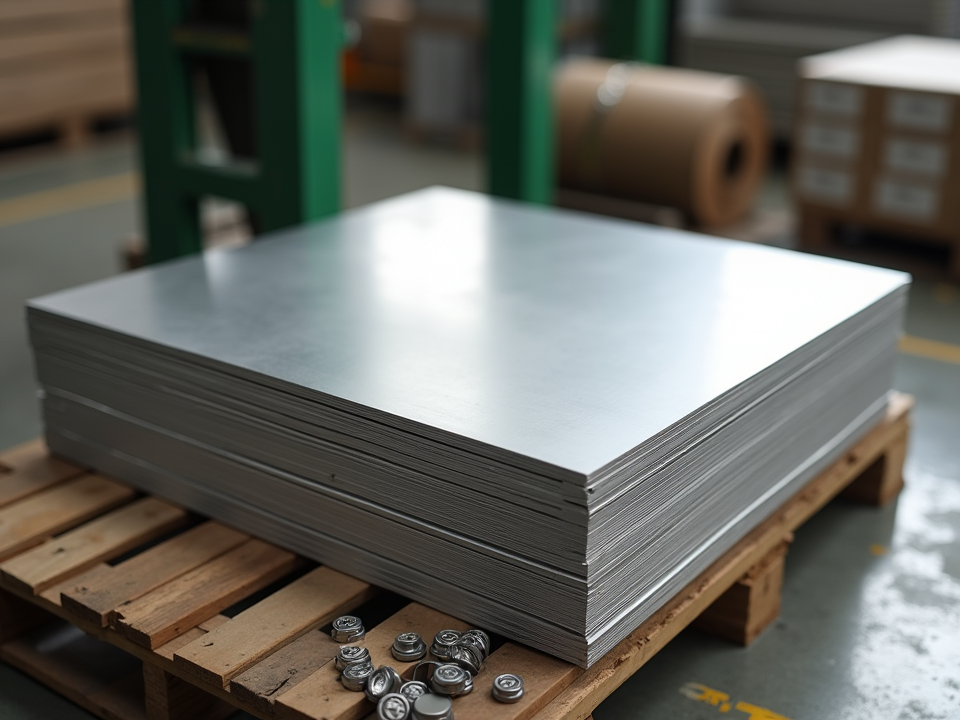
Closure Grade Aluminum Metal Sheet
A closure is often the smallest visible part of a package, yet it carries a large responsibility. It protects flavor, prevents leakage, supports opening convenience, carries branding, and gives consumers immediate confidence in the product. Closure grade aluminum metal sheet is engineered for this demanding role. Rather than being selected only for thickness or appearance, it is chosen for how consistently it behaves during deep drawing, threading, knurling, printing, lining, and sealing.
The real value of an Aluminum Closure Sheet appears when a flat coil becomes a finished cap without cracking, wrinkling, orange peel, coating defects, or unstable dimensions. For bottle caps, wine closures, pharmaceutical caps, cosmetic closures, and food container lids, the metal must form precisely while remaining strong enough to protect the package throughout transport and use.
Designed to Perform as a Packaging Interface
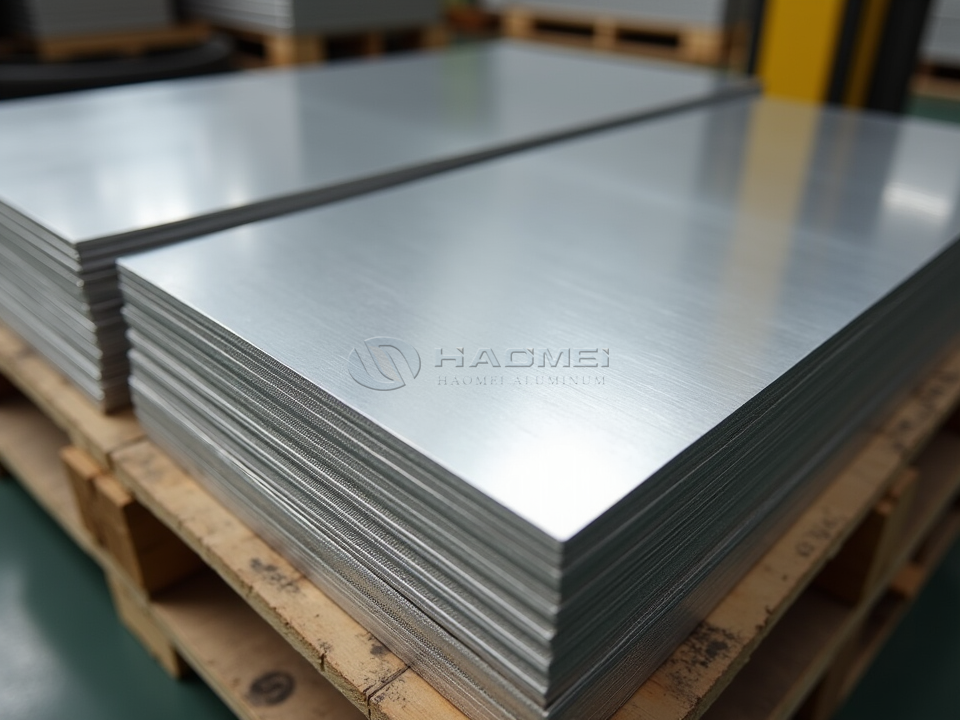
Closure grade aluminum metal sheet is generally supplied as rolled coil or sheet for cap-making lines. It acts as the structural skin of a closure, while lacquer, printing ink, embossing, liners, and sealing compounds provide additional protection and consumer-facing functions.
Its first function is formability. During stamping and shell drawing, aluminum must stretch into a cap profile with a smooth skirt and stable top panel. ROPP caps, or roll-on pilfer-proof caps, require particularly dependable ductility because the closure is later threaded directly onto the bottle finish. A material that is too hard may split at the skirt; a material that is too soft may deform excessively or lose thread definition.
Its second function is barrier support. Aluminum is naturally opaque, so it shields light-sensitive products such as medicines, essential oils, nutraceuticals, and selected beverages. When paired with suitable internal lacquer and a liner, it helps preserve product quality by separating the contents from external moisture, air, light, and handling contamination.
Its third function is communication. The smooth surface of closure stock accepts lithographic printing, color coating, varnishing, and decorative embossing. This makes aluminum suitable for premium wine caps, spirits closures, personal-care packaging, and branded beverage caps. Surface cleanliness and controlled roughness matter because even minor rolling oil residue can reduce print adhesion or create visual inconsistencies.
Common Alloys and Their Practical Roles
The 8xxx and 3xxx series are widely used for closure applications. Their selection depends on cap geometry, forming depth, strength demand, decoration method, and production speed.
8011 aluminum is a common choice for screw caps, PP caps, cosmetic caps, and general-purpose closure stock. Its iron and silicon content provides a useful balance of strength and workability. It is especially valued where clean drawing performance and stable processing are required. For caps with demanding forming conditions, 8011 Aluminum Closure Sheet is frequently specified in H14 or H16 temper.
3105 aluminum contains manganese and magnesium, giving it greater strength than many 8xxx closure alloys. It is often selected for larger closures, deep-drawn caps, threaded caps, and designs requiring stronger resistance to handling deformation.
3104 aluminum is another manganese-magnesium alloy suitable for applications needing a firm balance between forming response and strength. It can be used for demanding cap shells and packaging components where dimensional consistency is important.
| Alloy | Typical Application Direction | Main Performance Character |
|---|---|---|
| 8011 | Beverage caps, PP caps, cosmetic caps, wine closures | Good formability, stable surface, efficient conversion |
| 3105 | ROPP caps, larger closures, decorated caps | Higher strength with workable drawing performance |
| 3104 | Deep-drawn closures and rigid packaging components | Strong forming-strength balance |
Chemical Composition Requirements
Chemical composition is controlled because alloying elements influence rolling behavior, strength, corrosion resistance, and the response to drawing. The table shows typical composition limits in percent by weight. Exact purchase limits should follow the agreed material specification.
| Alloy | Si | Fe | Cu | Mn | Mg | Zn | Ti | Al |
|---|---|---|---|---|---|---|---|---|
| 8011 | 0.50-0.90 | 0.60-1.00 | 0.10 max | 0.20 max | 0.05 max | 0.10 max | 0.08 max | Balance |
| 3105 | 0.60 max | 0.70 max | 0.30 max | 0.30-0.80 | 0.20-0.80 | 0.40 max | 0.10 max | Balance |
| 3104 | 0.80 max | 0.80 max | 0.05-0.25 | 0.80-1.40 | 0.80-1.30 | 0.25 max | 0.10 max | Balance |
For 8011, iron and silicon contribute to strength while retaining useful plasticity. In 3105 and 3104, manganese and magnesium strengthen the alloy through solid-solution and work-hardening effects. This added strength can improve cap rigidity, but it also requires careful temper selection to preserve smooth forming.
Temper, Thickness, and Mechanical Control
Closure stock is commonly delivered in H14 or H16 temper. These are strain-hardened tempers, meaning the material has been rolled to increase strength after annealing.
H14 is generally selected when the cap shape requires more drawing flexibility. It is suitable for many PP caps, beverage closures, wine caps, and decorative shells. H16 provides a higher work-hardened condition and may be preferred where better dent resistance, crisper geometry, or stronger closure walls are required.
Typical supply parameters include:
| Parameter | Common Closure Stock Range |
|---|---|
| Thickness | 0.16-0.30 mm, with special gauges available by agreement |
| Width | 200-1,650 mm, depending on stamping and slitting requirements |
| Coil inner diameter | Commonly 150 mm, 300 mm, 400 mm, or 505 mm |
| Temper | H14, H16, H18, O, or customer-agreed condition |
| Surface | Mill finish, degreased, coated, printed, lacquered, or treated |
| Edge condition | Slit edge or trimmed edge according to conversion equipment |
Mechanical values vary with alloy, gauge, width, and temper. As a practical guide, H14 closure material normally offers moderate tensile strength with enough elongation for drawing, while H16 material increases resistance to deformation. The most important measure is not strength alone; it is uniformity from the head to the tail of the coil. Stable thickness, flatness, mechanical properties, and surface condition reduce scrap rates on high-speed cap presses.
Standards and Quality Expectations
Closure grade aluminum metal sheet can be produced in accordance with widely recognized standards, depending on destination market and customer requirements. Common references include ASTM B209 for aluminum sheet and plate, EN 485 for wrought aluminum sheet properties and tolerances, EN 573-3 for chemical composition, and GB/T 3880 for aluminum and aluminum-alloy sheets and strips.
Packaging users may also request additional inspection items beyond general sheet standards. These can include pinhole control, oil level, coil set, camber, burr height, surface streaks, waviness, color consistency, coating adhesion, and food-contact suitability of applied lacquer systems. For direct food, beverage, or pharmaceutical contact, the complete closure construction should be evaluated, including coating, ink, liner, and curing process.
Where Closure Grade Aluminum Makes the Difference
In beverage packaging, aluminum closure sheet becomes ROPP caps for wine, spirits, water, juice, and functional drinks. The metal can be formed into a tamper-evident skirt, then rolled onto the bottle to create threads that match the glass or PET finish.
In pharmaceuticals, aluminum is used for screw caps, vial seals, and specialty closures where cleanliness, light protection, traceability, and controlled decoration are important. Cosmetic brands use it for perfume caps, lotion closures, and premium jars because it combines a refined metallic appearance with low weight.
For food products, the material supports closures for oils, sauces, condiments, dairy products, and specialty goods. Its compatibility with printing also helps brands create recognizable shelf presentation without sacrificing functional performance.
A well-chosen closure grade aluminum metal sheet is therefore not merely a thin metal input. It is a carefully controlled forming material that connects the product inside the package with the consumer outside it. Alloy chemistry, temper, gauge precision, surface quality, and coating compatibility work together to produce a closure that seals securely, looks polished, and performs reliably from the production line to the final opening.