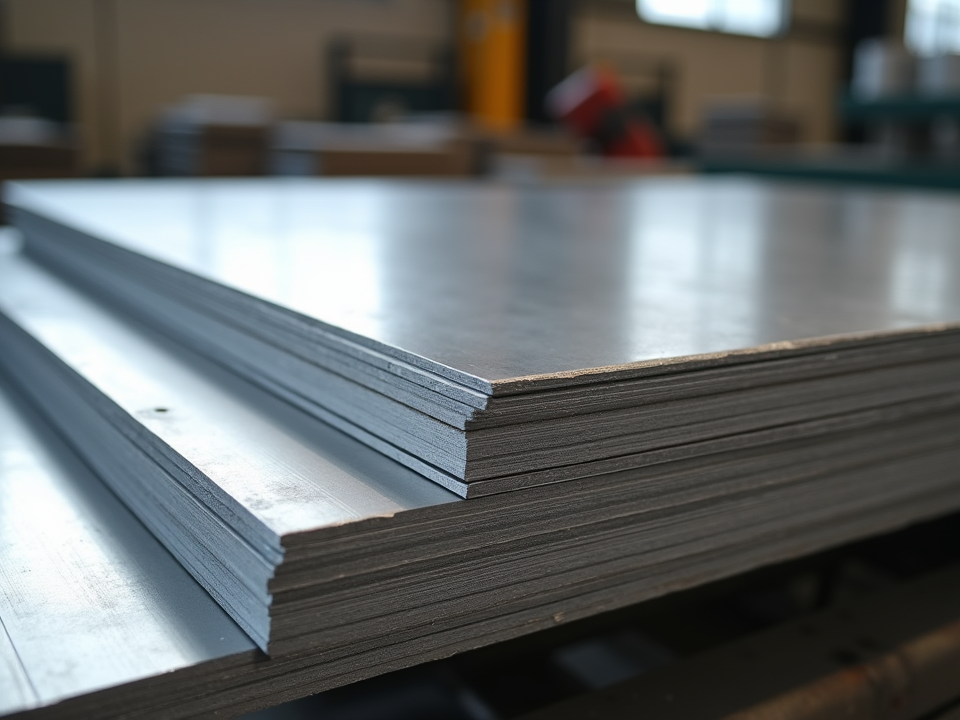
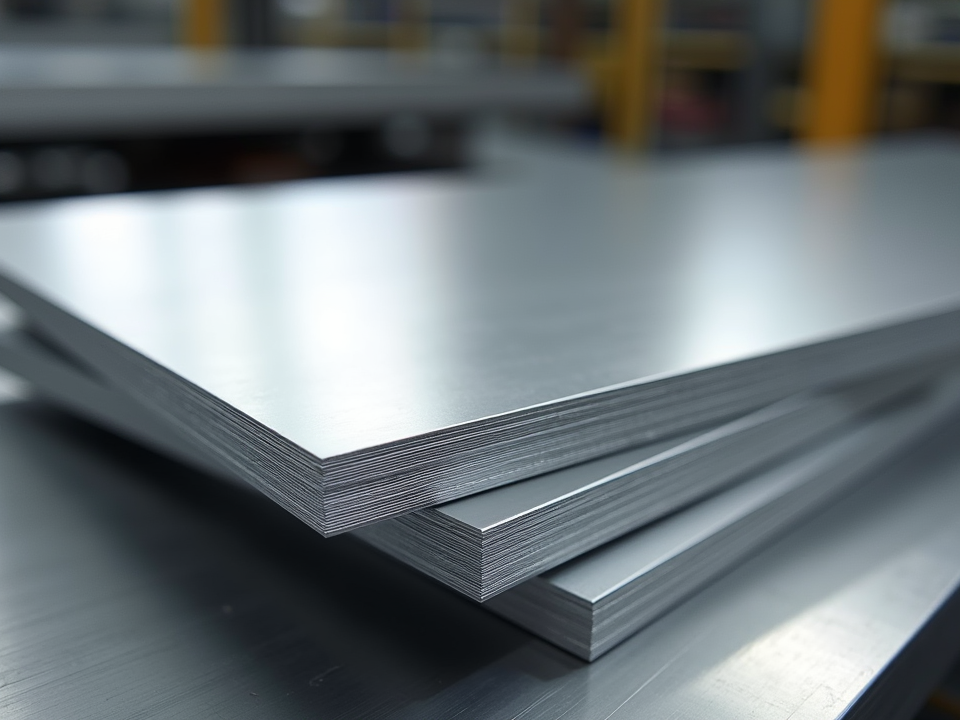
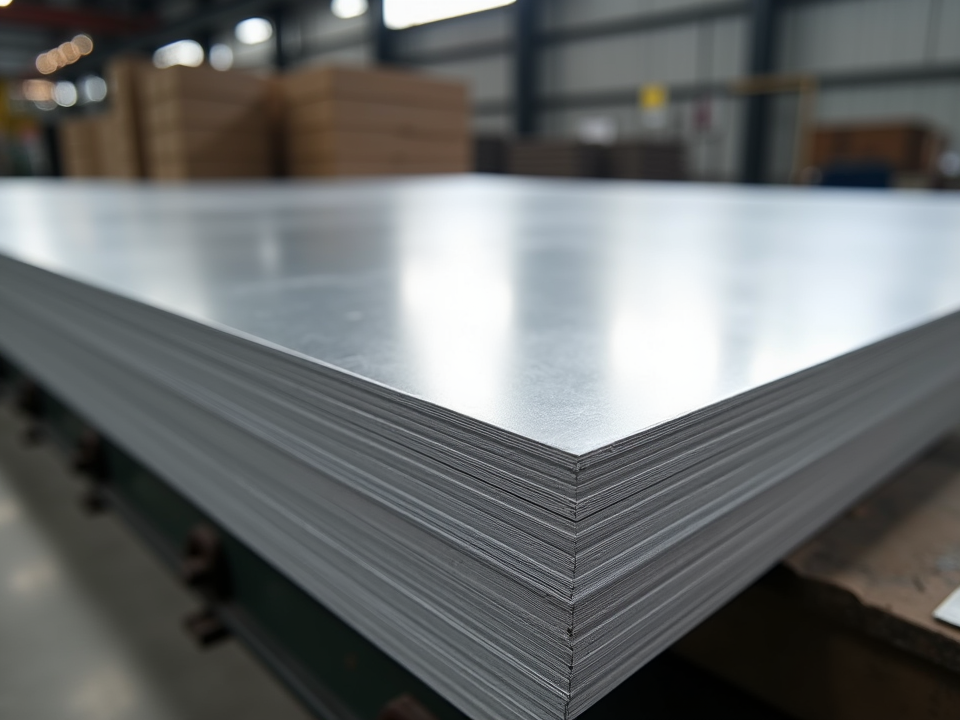
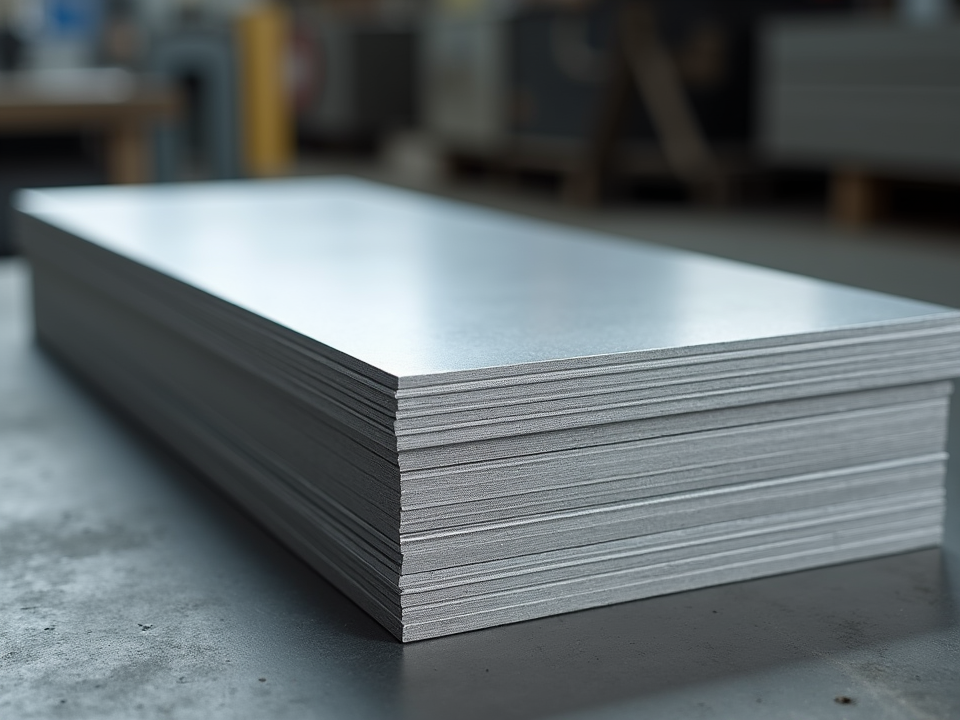
Tamper Evident Cap Aluminum Material
Tamper Evident Cap Aluminum Material
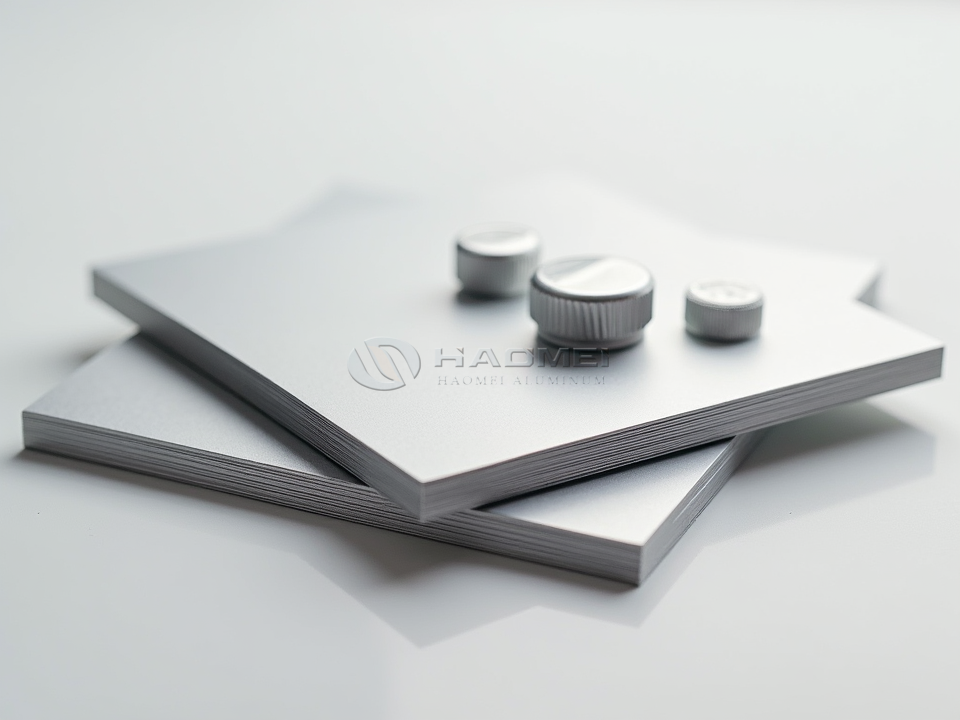
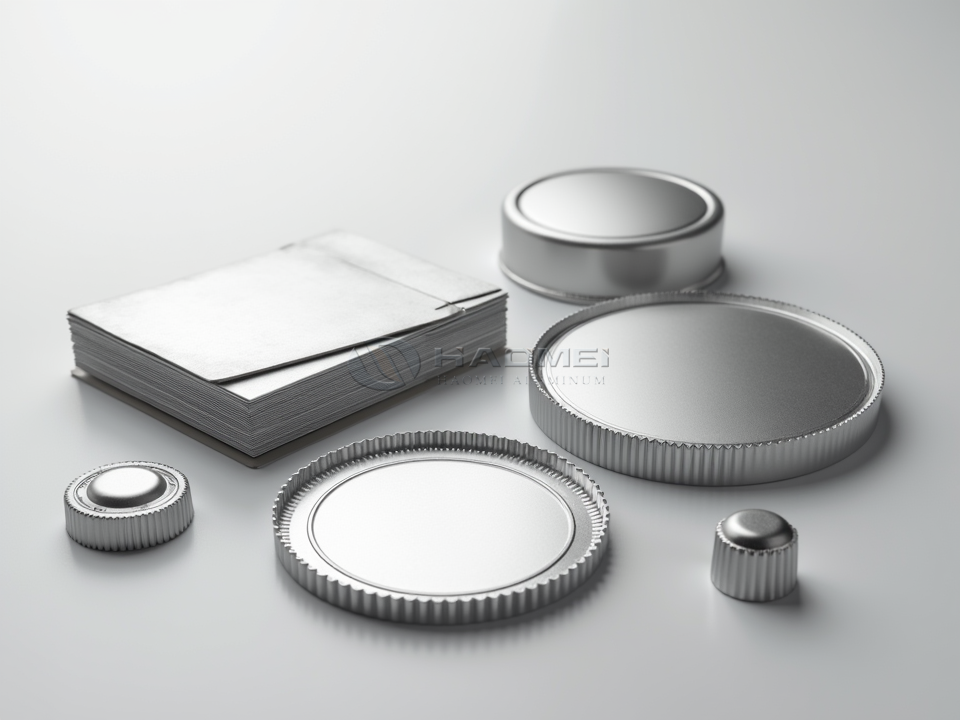
Tamper evident cap aluminum material is a specialized aluminum sheet or coil developed for producing closures that visibly show whether a package has been opened. It is widely used for beverage bottles, spirits, wine, edible oil, pharmaceuticals, cosmetics, and household products. During cap manufacturing, the aluminum is stamped, drawn, decorated, lined, and rolled onto the bottle finish. A carefully engineered bridge or band separates when the consumer opens the cap, creating clear visual evidence of first opening.
The material must do far more than look attractive. It needs stable thickness, excellent deep-drawing behavior, controlled strength, clean surface quality, and dependable compatibility with printing, lacquer, and sealing-liner systems. A minor variation in the metal can affect cap dimensions, thread formation, breakaway-band behavior, or appearance on a high-speed filling line.
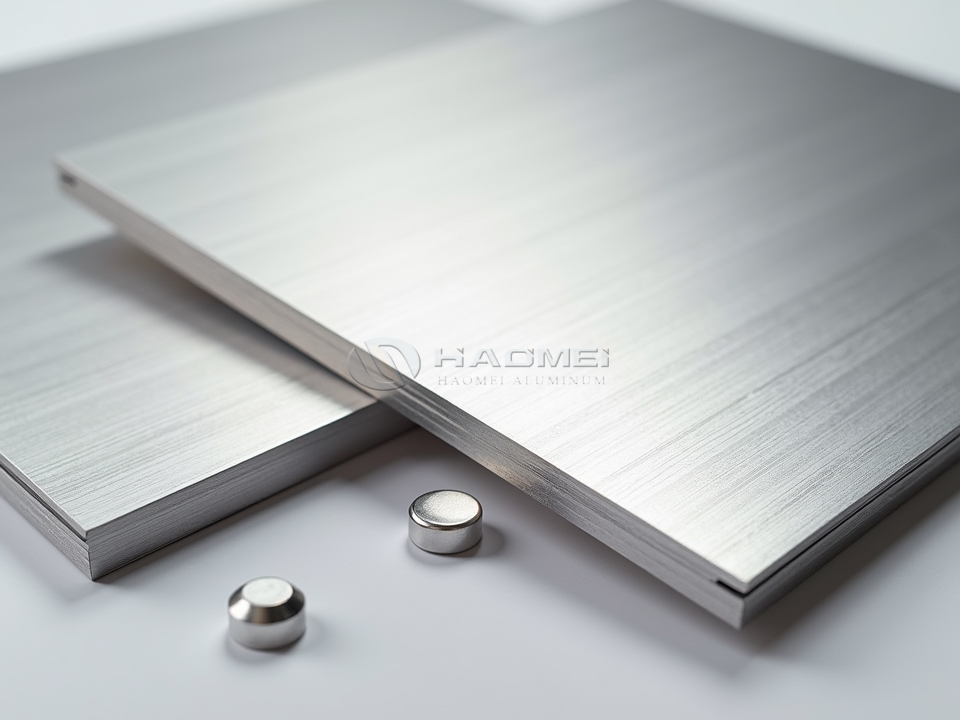
Material Characteristics That Support Tamper Evidence
Aluminum is an excellent closure substrate because it combines low weight with high formability and natural corrosion resistance. For tamper evident caps, the alloy and temper are selected to achieve a balance between easy forming and enough rigidity to preserve the cap profile through capping, transport, and consumer use.
During production, the cap skirt is drawn into shape and the lower band is formed with bridges. These bridges must be strong enough to remain intact before opening, yet fracture consistently when the cap is unscrewed. Material with uniform mechanical properties helps maintain this reliable opening behavior across large production volumes.
Important performance characteristics include:
- High elongation for deep drawing, threading, knurling, and bridge formation
- Consistent tensile strength to reduce dimensional variation between caps
- Smooth, low-defect surface for bright lithographic printing and color coating
- Reliable corrosion resistance for contact with moisture, condensing environments, and packaged goods
- Accurate gauge and width control for stable feeding on cap-making presses
- Good compatibility with internal lacquer, external varnish, and lubricating coatings
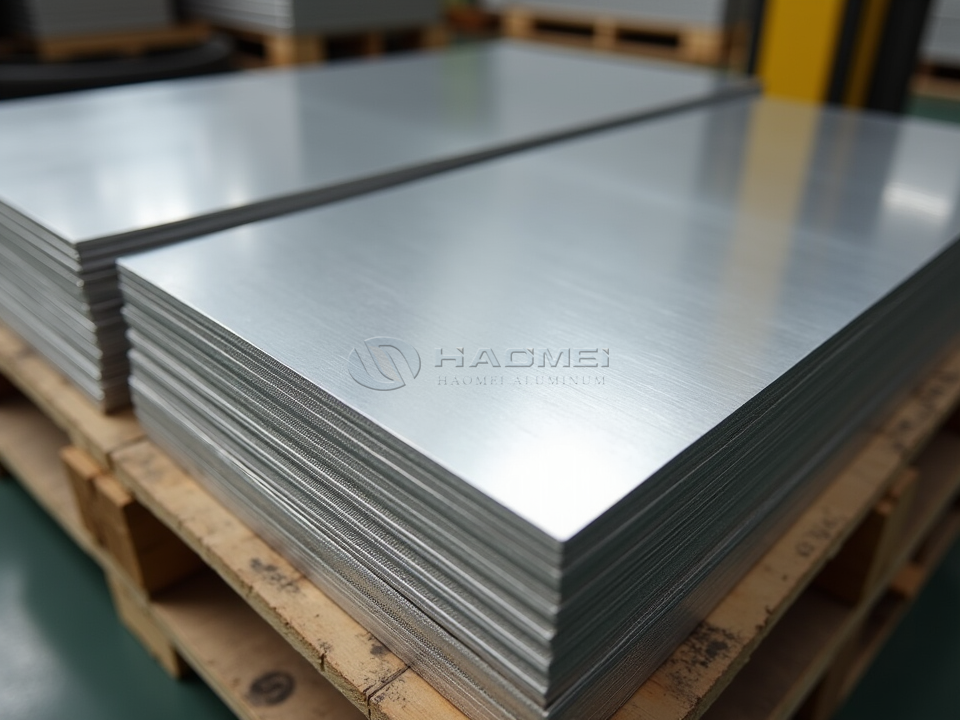
For projects requiring a broadly proven closure substrate, an Aluminum Closure Sheet can be supplied in coil or sheet form with temper, gauge, surface treatment, and coating selected for the intended cap design.
Common Alloys and Tempers
The 1xxx and 3xxx aluminum series are frequently used in tamper evident closure production. Alloy 8011 is widely preferred for beverage and pharmaceutical caps due to its balanced strength, formability, and processing stability. Alloy 3105 offers somewhat higher strength and is often selected where improved dent resistance or a firmer cap wall is desired.
| Alloy | Typical Temper | Closure-Making Behavior | Typical Uses |
|---|---|---|---|
| 8011 | H14 | Excellent drawing and rolling performance with balanced strength | ROPP caps, beverage caps, pharmaceutical closures |
| 8011 | H16 | Higher hardness while retaining practical formability | Larger caps, decorative closures, demanding transport conditions |
| 3105 | H14 | Good forming ability with improved stiffness | Spirits, edible oil, household product caps |
| 3105 | H16 | Stronger resistance to deformation and handling damage | Heavy-duty closures and larger-diameter caps |
| 1060 | H14 | Very high ductility and bright surface potential | Light-duty cosmetic and specialty closures |
A suitable temper depends on cap diameter, shell height, thread depth, bridge design, line speed, and bottle finish geometry. H14 is often favored for complicated forming. H16 may suit applications requiring a more rigid finished cap, provided that the tooling and design can accommodate the reduced ductility.
Typical Technical Specification Range
| Property | Common Range for Cap Stock | Production Importance |
|---|---|---|
| Thickness | 0.18-0.30 mm | Influences drawability, cap stiffness, and material yield |
| Width | 200-1,300 mm | Matched to press feed and slitting requirements |
| Coil inner diameter | 405 mm or 505 mm | Supports compatibility with converting equipment |
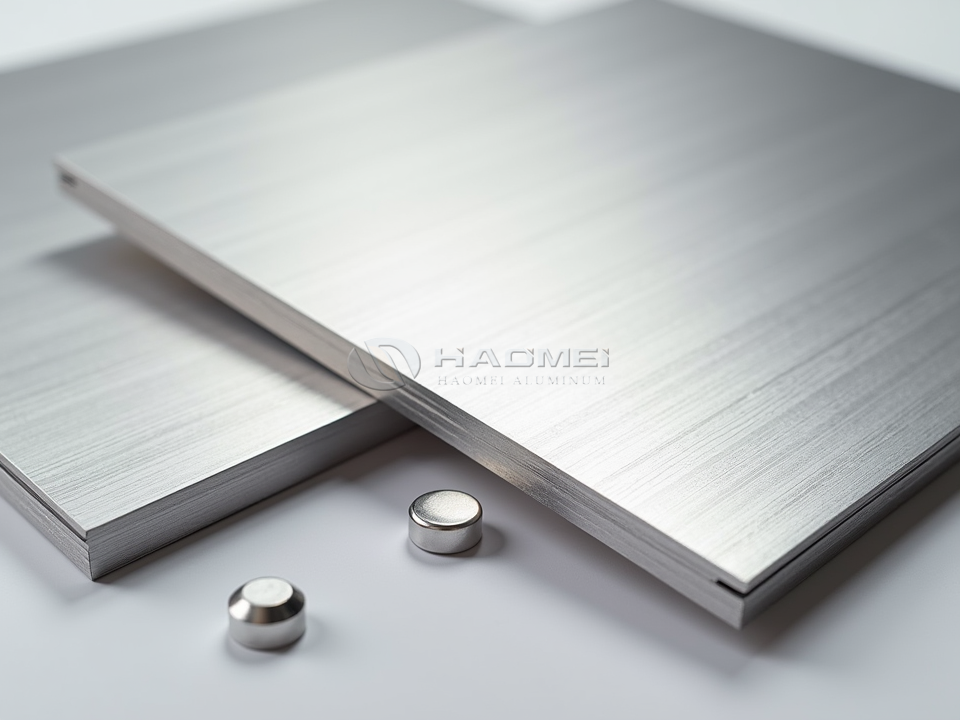
| Surface finish | Mill finish, brushed, coated, printed | Determines decoration and coating route |
| Tensile strength | Approx. 110-180 MPa | Supports consistent shell formation and tamper-band performance |
| Elongation | Approx. 2-10% | Helps prevent cracking during deep drawing and rolling |
| Flatness | Controlled to customer tolerance | Promotes stable feeding and accurate stamping |
Actual values should be agreed according to alloy, temper, thickness, and the closure maker's equipment. Cap stock is normally delivered with tightly controlled edge condition and coil winding quality to prevent stoppages caused by telescoping, edge damage, or uneven tension.
Typical Chemical Composition
Chemical composition affects strength, grain structure, corrosion behavior, and response during forming. The following ranges are representative values for commonly used closure alloys.
| Alloy | Si | Fe | Mn | Mg | Cu | Al |
|---|---|---|---|---|---|---|
| 8011 | 0.50-0.90% | 0.60-1.00% | 0.10% max | 0.05% max | 0.10% max | Balance |
| 3105 | 0.60% max | 0.70% max | 0.30-0.80% | 0.20-0.80% | 0.30% max | Balance |
| 1060 | 0.25% max | 0.35% max | 0.03% max | 0.03% max | 0.05% max | 99.60% min |
Coatings, Printing, and Food Contact Protection
Bare aluminum is rarely the final surface of a tamper evident cap. External decoration may include white base coating, colored coating, clear varnish, embossing, matte finishes, or multi-color printing. These finishes create brand recognition while also protecting the aluminum from scuffing and oxidation.
The internal side is usually treated with food-grade lacquer. This barrier helps protect the metal from acidic beverages, alcohol, oils, flavor compounds, and other aggressive contents. The specific lacquer system should be selected according to the packaged product, filling temperature, sterilization process, and expected shelf life.
For branded closures with high visual requirements, a Printed Aluminum Closure Sheet can streamline the decoration process and provide consistent color, gloss, and registration across a complete production run.
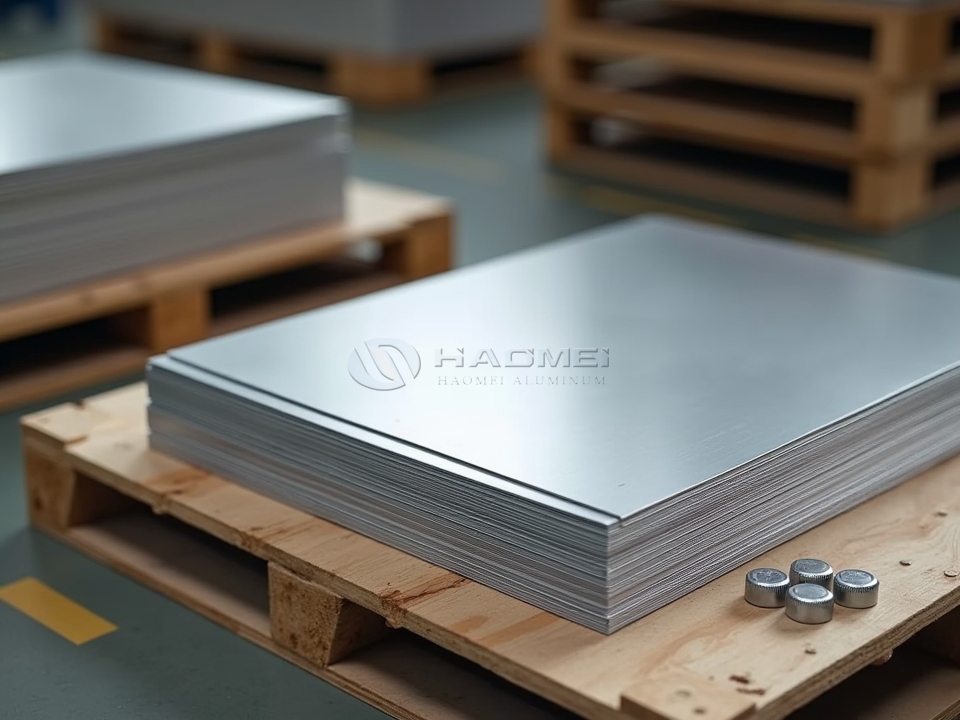
Applications Across Packaging Markets
Tamper evident aluminum caps are especially common in roll-on pilfer-proof, or ROPP, closures. When applied to a threaded glass or PET bottle, the cap is rolled to form threads and a security band that conforms to the bottle neck. At first opening, bridges connecting the band to the cap skirt break, leaving the separated band behind as visible evidence.
In wine and spirits packaging, aluminum offers a premium printed finish and precise thread formation. For mineral water, juices, and flavored drinks, lightweight aluminum caps combine secure sealing with fast application speeds. Pharmaceutical bottles use tamper evident aluminum closures to support product integrity and consumer confidence. Edible oil, vinegar, sauces, cosmetics, and personal-care products also benefit from the clean appearance and barrier-supporting capability of aluminum closures.
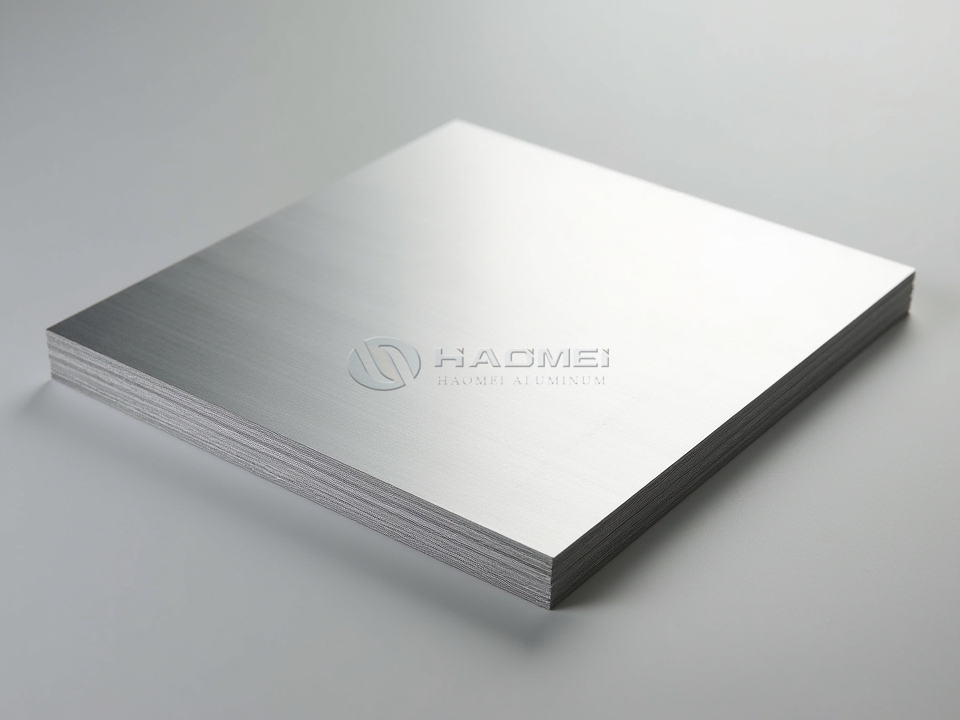
Selecting the Right Material
The best tamper evident cap aluminum material is determined by the complete closure system rather than alloy alone. Cap diameter, bottle neck finish, liner type, bridge layout, decoration method, capping torque, and distribution conditions all influence material selection. A thinner, softer sheet may improve forming efficiency, while a stronger temper may better resist dents on larger caps.
Before volume production, closure manufacturers commonly evaluate sample coils through blanking, deep drawing, threading, bridge formation, printing, lining, and opening tests. This confirms that the material delivers a clean cap profile, stable torque behavior, dependable band separation, and an attractive finished surface.
With properly selected aluminum alloy, temper, coating, and dimensional tolerance, tamper evident caps provide a practical combination of security, shelf appeal, production efficiency, and recyclability for modern packaged products.