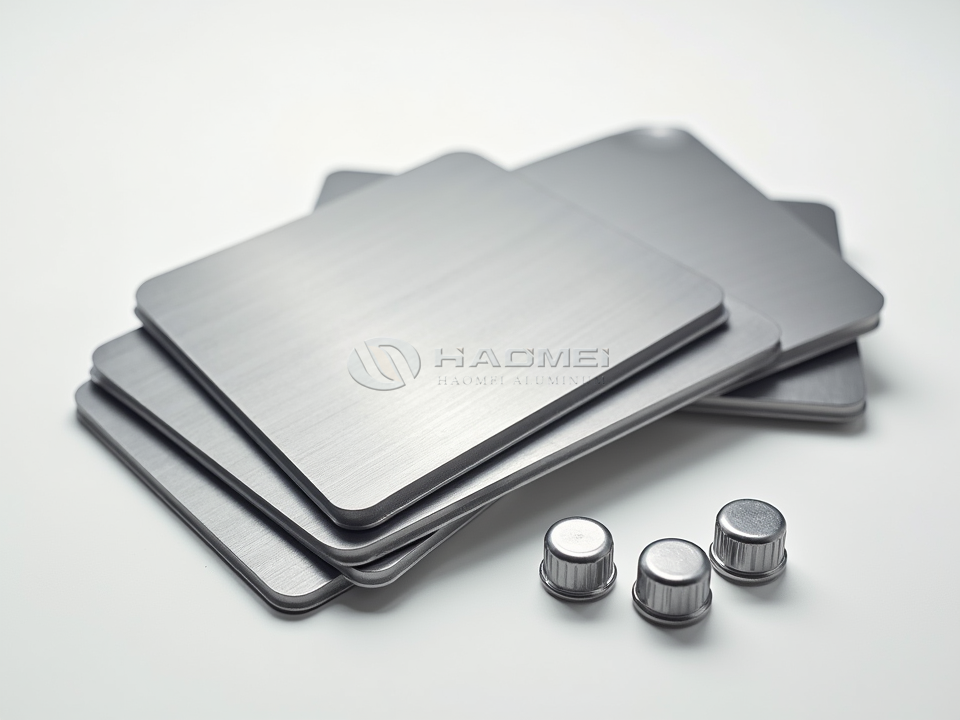
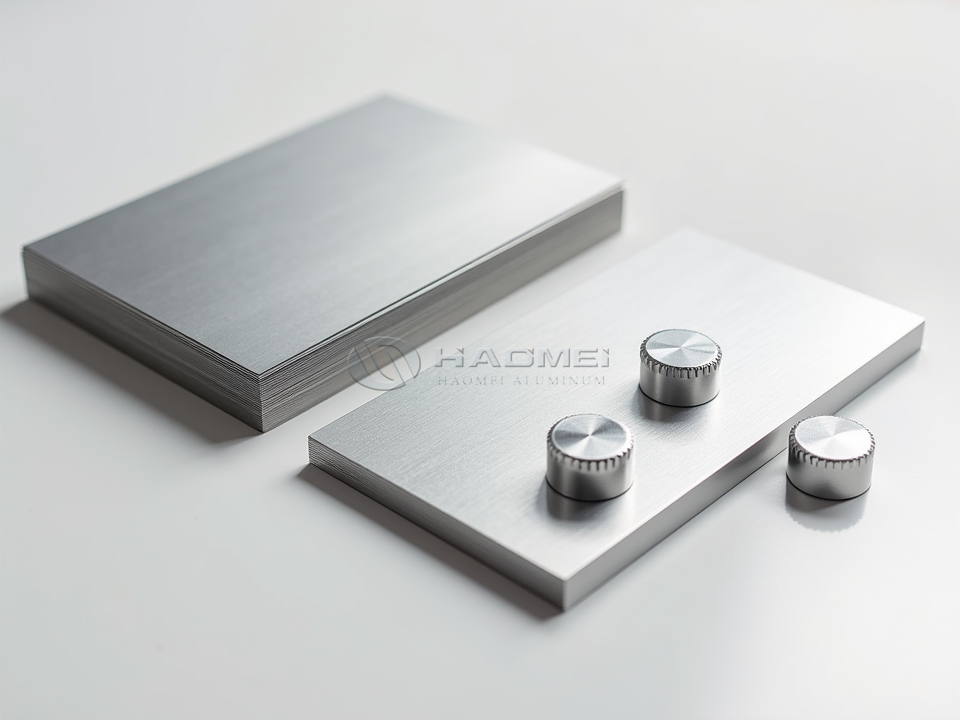
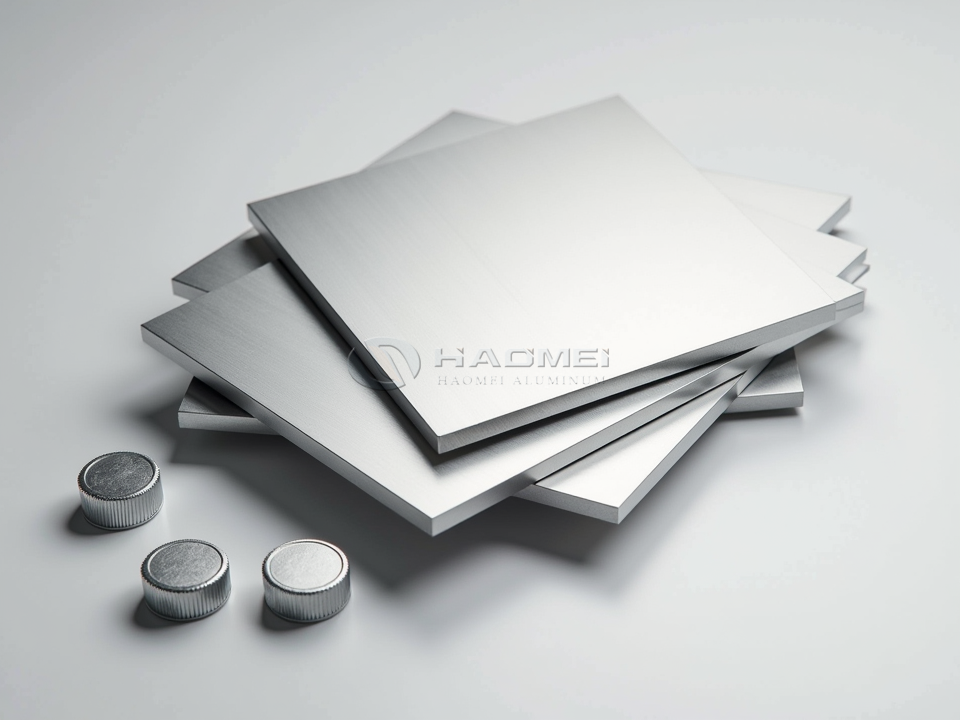
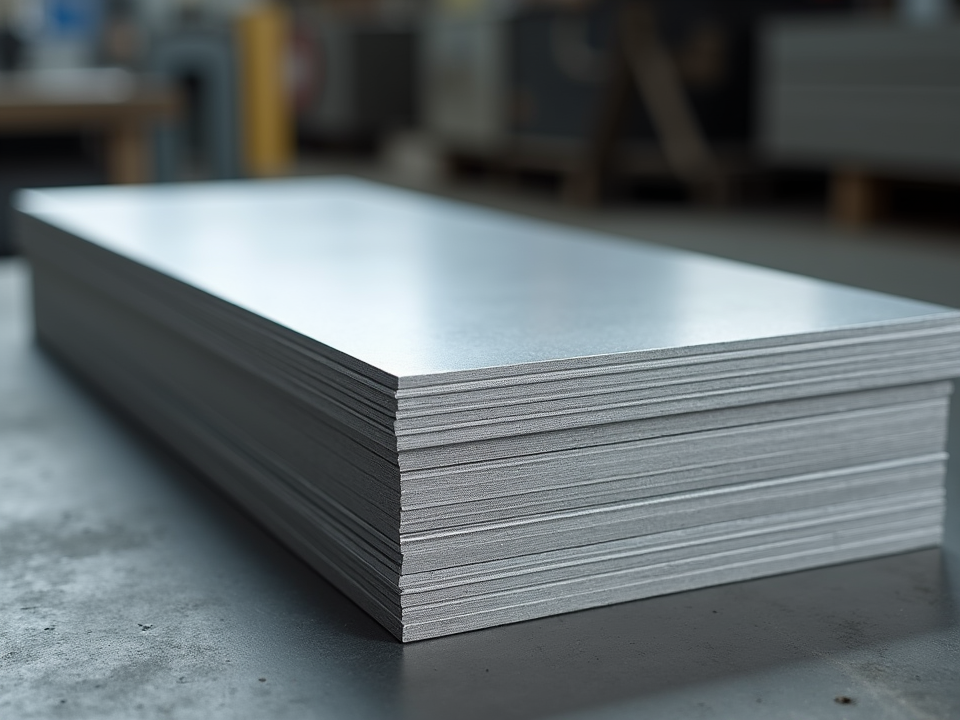
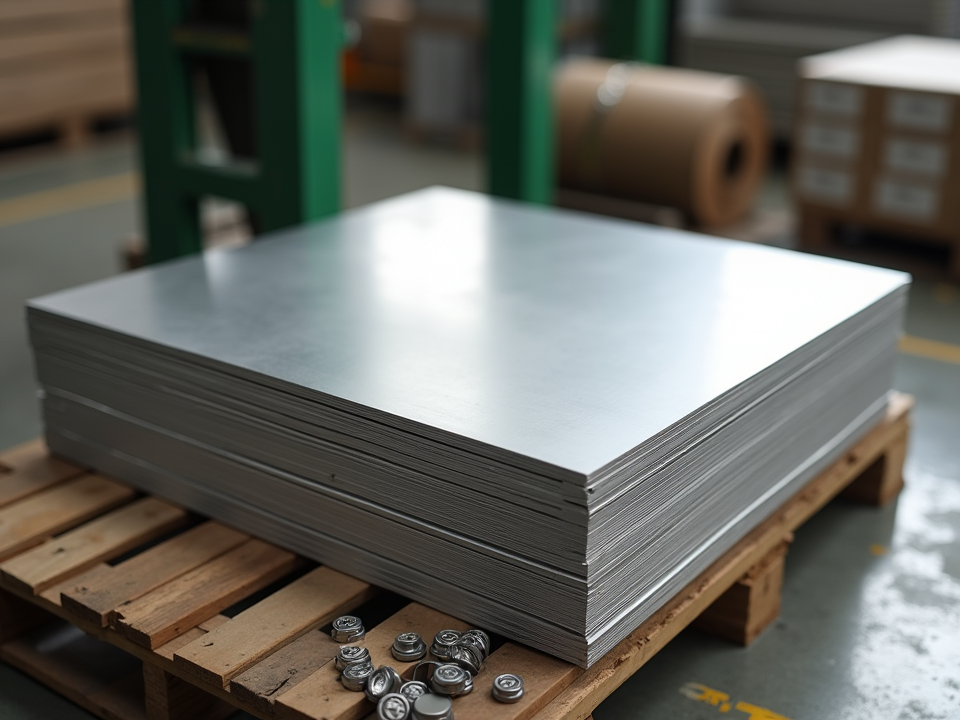
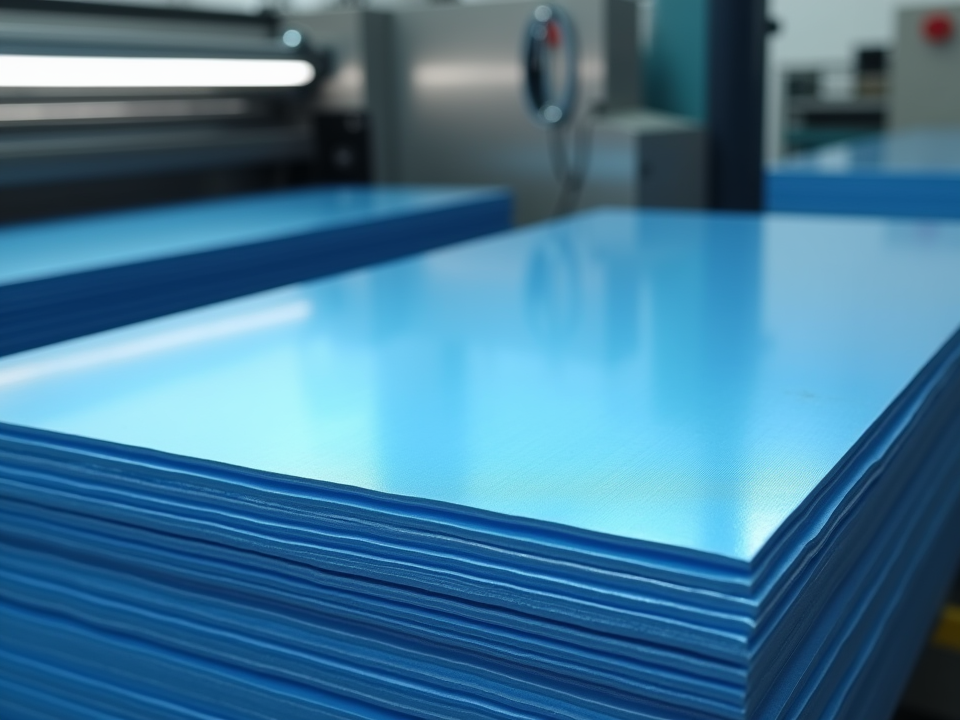
Lacquered Aluminum Closure Sheet
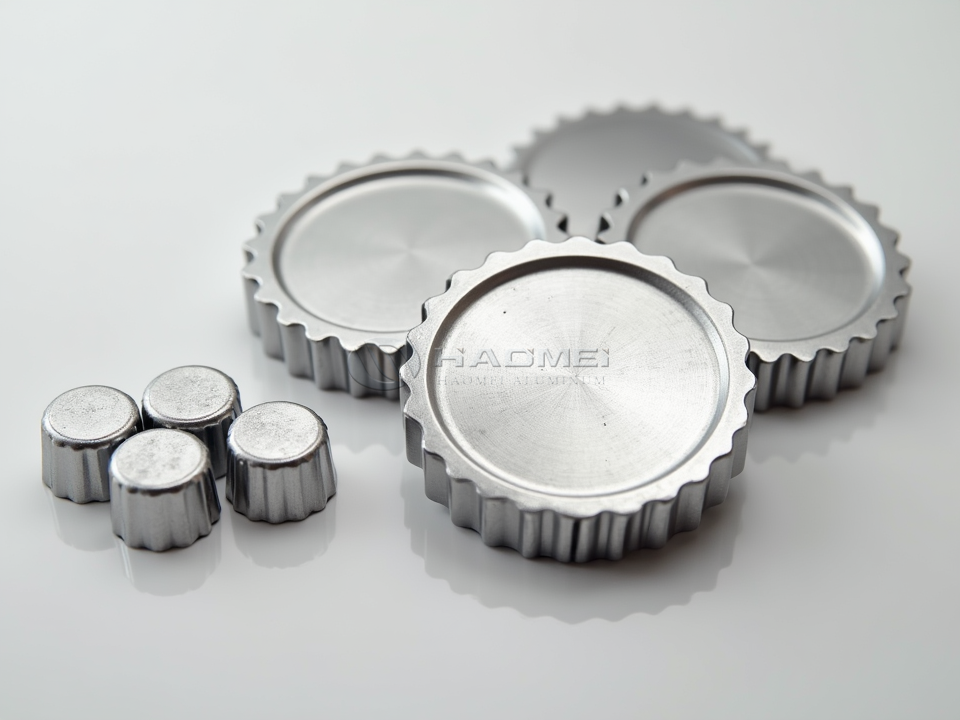
Lacquered aluminum closure sheet is a precision-rolled and surface-coated material developed for manufacturing bottle caps, roll-on pilfer-proof closures, screw caps, and pharmaceutical seals. It combines lightweight aluminum with protective lacquer systems to deliver clean appearance, stable forming behavior, corrosion resistance, and dependable contact performance during filling, capping, transport, and storage.
For brands, the material supports bright decoration and a premium shelf presence. For cap converters, it provides consistent thickness, controlled mechanical properties, and a smooth surface that performs efficiently in high-speed stamping, deep drawing, knurling, embossing, and threading operations.
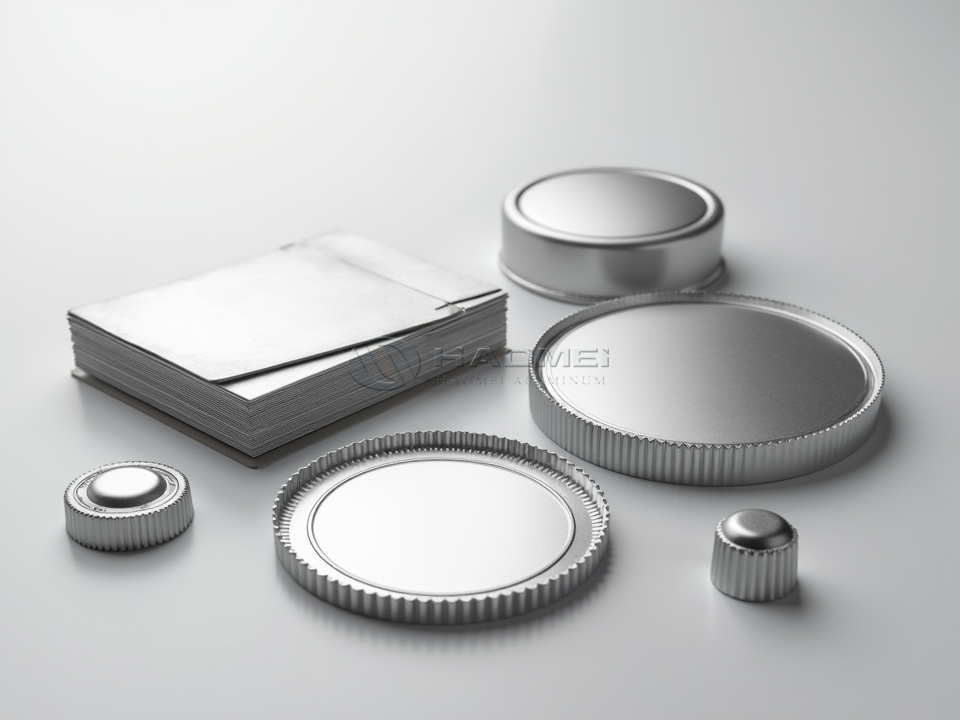
Product Characteristics
The lacquered surface is applied to carefully prepared aluminum strip or sheet. Exterior coatings protect the cap face and provide a base for printing, while interior lacquers help isolate the aluminum from product contents, vapor, and closure compounds. Coating selection is matched to the intended filling medium, processing environment, and required visual effect.
| Feature | Customer Value |
|---|---|
| Uniform lacquer coating | Consistent appearance and dependable protection across the coil or sheet |
| Excellent formability | Supports deep drawing, threading, shell formation, and embossing with reduced cracking risk |
| Low material weight | Reduces closure weight and helps lower transportation demand |
| Corrosion resistance | Protects closure performance in humid storage and during contact with demanding products |
| Decorative flexibility | Accepts printing, color coating, varnishing, matte finishes, and embossed branding |
| Recyclable aluminum base | Supports circular-material programs and recycling-oriented packaging strategies |
| Stable flatness | Promotes smooth feeding and accurate tooling performance on cap-making lines |
Typical Grades and Chemical Composition
Common closure alloys include 8011, 3105, and 3104. Alloy choice depends on cap geometry, temper, drawing depth, strength requirements, coating system, and customer process conditions. The following values are typical reference ranges; final chemistry should follow the agreed material standard and mill certificate.
| Alloy | Si % | Fe % | Cu % | Mn % | Mg % | Zn % | Ti % | Al % |
|---|---|---|---|---|---|---|---|---|
| 8011 | 0.50-0.90 | 0.60-1.00 | 0.10 max | 0.20 max | 0.05 max | 0.10 max | 0.08 max | Balance |
| 3105 | 0.60 max | 0.70 max | 0.30 max | 0.30-0.80 | 0.20-0.80 | 0.40 max | 0.10 max | Balance |
| 3104 | 0.25 max | 0.80 max | 0.25 max | 0.80-1.40 | 0.80-1.30 | 0.25 max | 0.10 max | Balance |
8011 is widely selected for ROPP and PP closures because it offers balanced strength and drawing capability. Customers requiring reliable cap-shell processing can consider 8011 Aluminum Closure Sheet for standard and customized closure applications. Alloy 3105 is often chosen where added strength, fine surface quality, or specific cap geometry is required.
Technical Specifications
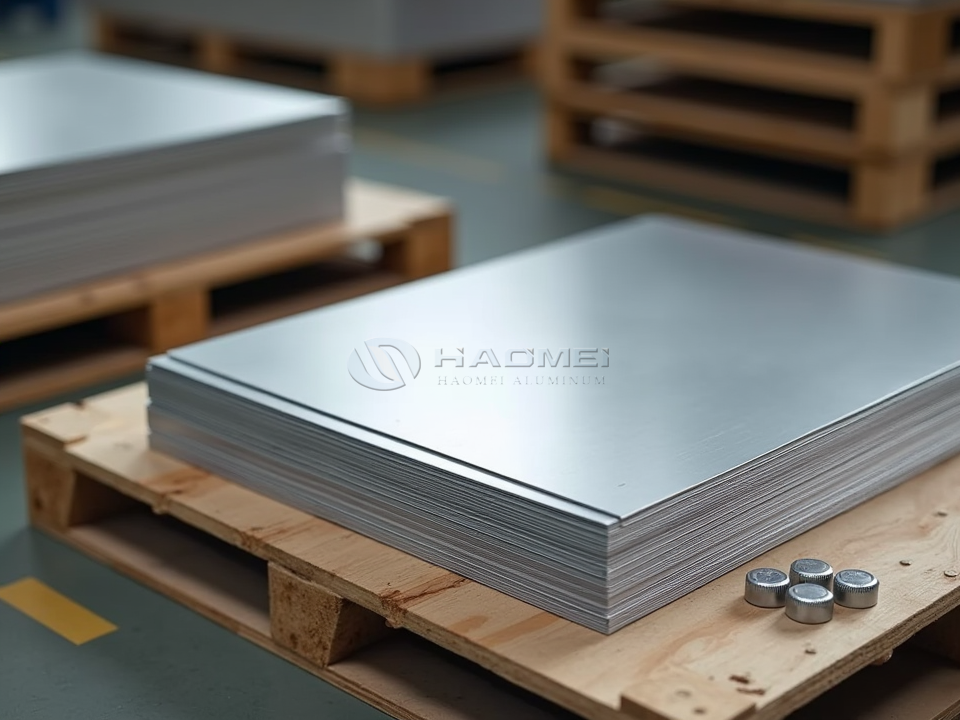
Lacquered aluminum closure sheet can be supplied in coil, slit coil, or cut-sheet form. Dimensions, coating weight, color, and surface treatment can be adapted to the converter's equipment and cap design.
| Parameter | Typical Range or Option |
|---|---|
| Alloy | 8011, 3105, 3104 |
| Temper | H14, H16, H18, H19, O, customized temper |
| Thickness | 0.16-0.35 mm |
| Standard thickness tolerance | Typically ±0.01 mm, subject to agreement |
| Coil width | 300-1,300 mm |
| Sheet width | Customized according to press and blanking requirements |
| Coil inner diameter | 150 mm, 300 mm, 505 mm, or customized |
| Surface finish | Bright, mill finish, brushed, color coated, printed-ready |
| Exterior coating | Clear varnish, white lacquer, colored lacquer, gold lacquer, matte or gloss finish |
| Interior coating | Epoxy-based, polyester-based, organosol, BPA-NI system, or product-specific lacquer |
| Coating thickness | Commonly 3-12 μm per side, depending on system |
| Lubrication | Dry or lightly lubricated surface available for forming lines |
| Packaging | Export seaworthy packaging with moisture protection and edge protection |
Mechanical and Coating Performance
Mechanical behavior must remain stable from blanking through final cap application. A closure sheet that is too soft may deform during capping, while excessive hardness can cause earing, splits, or poor thread formation. H14 temper is frequently used where a balanced forming window is needed; H16 offers a firmer response for selected cap structures.
| Property | Typical 8011 H14 Range | Relevance in Closure Production |
|---|---|---|
| Tensile strength | 125-165 MPa | Provides shell strength without sacrificing drawing performance |
| Yield strength | 105-150 MPa | Supports dimensional stability after forming |
| Elongation | 2-8% | Helps accommodate drawing and thread rolling operations |
| Hardness | Approx. 38-52 HV | Contributes to dent resistance and process control |
| Coating adhesion | No visible peeling after standard bend or tape testing | Reduces coating loss during stamping and shaping |
| Solvent resistance | No significant visual change under agreed test conditions | Helps protect printed and lacquered cap surfaces |
| Boiling-water resistance | Coating system dependent | Important for pasteurized products and humid filling environments |
Actual values vary with alloy, gauge, temper, testing method, and customer specification. Product-contact compatibility should always be validated with the intended beverage, food, cosmetic, pharmaceutical, or chemical formulation.
Lacquer Systems and Visual Options
A well-designed lacquer is more than a decorative layer. It serves as a functional barrier and helps preserve the cap's visual quality through forming, filling, handling, and distribution. Exterior surfaces may be supplied in clear, white, black, silver, gold, or custom colors. Gloss, satin, and matte effects allow packaging teams to match market positioning.
Interior lacquer selection is especially important for wine, spirits, edible oils, sauces, carbonated drinks, syrups, and pharmaceutical liquids. The coating must resist the product environment while maintaining adhesion and avoiding undesirable odor, discoloration, or interaction. For premium visual communication, customers may pair lacquered stock with Printed Aluminum Closure Sheet solutions for logos, security graphics, seasonal artwork, and brand-color control.
Application Areas
| Application | Typical Closure Format | Material Advantage |
|---|---|---|
| Wine and spirits | ROPP caps, decorative wine capsules | Smooth drawing, premium appearance, reliable thread formation |
| Mineral water and soft drinks | Screw caps and tamper-evident closures | Lightweight protection and high-speed processing suitability |
| Edible oils and condiments | Pilfer-proof caps and threaded caps | Coating options designed for product-contact conditions |
| Pharmaceutical packaging | Bottle seals and tamper-evident caps | Clean surface, controlled dimensions, decorative coding potential |
| Cosmetics and personal care | Lotion, serum, fragrance, and cream caps | Bright finishes and compatibility with decorative treatments |
| Household and chemical products | Threaded bottle closures | Resistance options for appropriate non-food filling environments |
Benefits for Converters and Brand Owners
Lacquered aluminum closure sheet creates value across the packaging chain. Converter plants benefit from uniform coil geometry, stable surface quality, and predictable stamping behavior, which can help reduce scrap caused by surface defects, coating flaking, or inconsistent cap shape. Brand owners gain a metal closure that communicates quality while providing broad freedom in color, texture, embossing, and printing.
Aluminum also offers excellent recyclability. In markets where packaging sustainability influences purchasing decisions, aluminum closures can support material-recovery objectives when collected through suitable recycling systems. Its low weight further contributes to efficient logistics compared with heavier closure alternatives.
Selection Considerations
The most suitable lacquered aluminum closure sheet is determined by the cap diameter, shell depth, thread profile, production speed, filling medium, storage temperature, coating appearance, and regulatory requirements. Provide the cap drawing or sample, required alloy and temper, lacquer type, target thickness, coil dimensions, and end-use details when specifying material. This enables the coating and metal properties to be aligned with the real operating conditions of the finished closure.
A properly selected lacquered aluminum closure sheet delivers the practical balance closure producers need: efficient conversion, durable protection, strong visual appeal, and dependable performance from the capping machine to the consumer's hand.