Custom Printed Cap Aluminum Plate
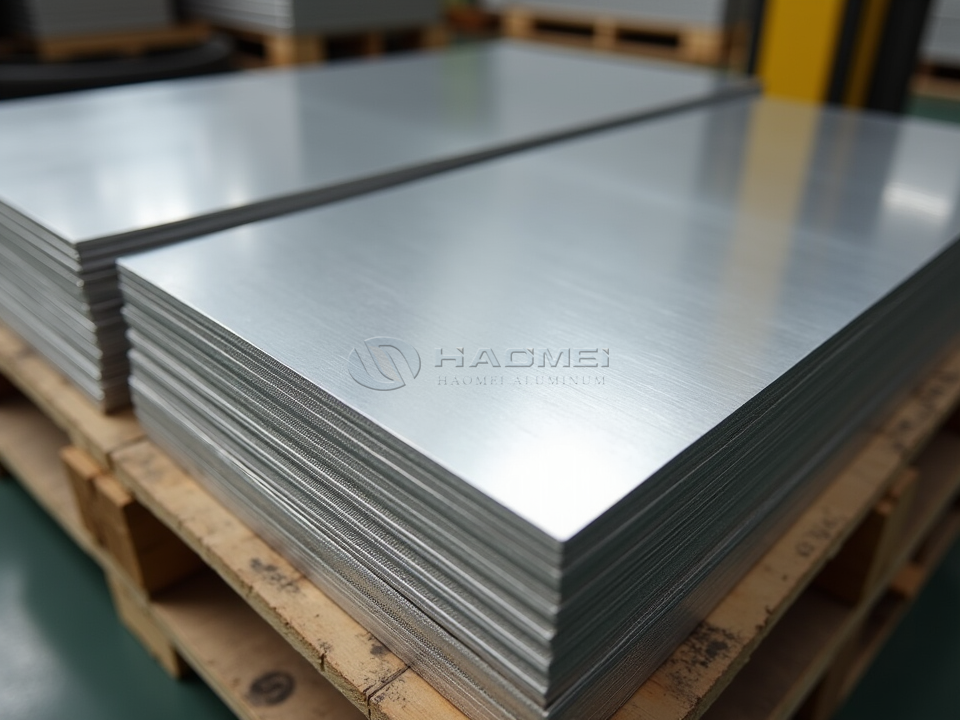
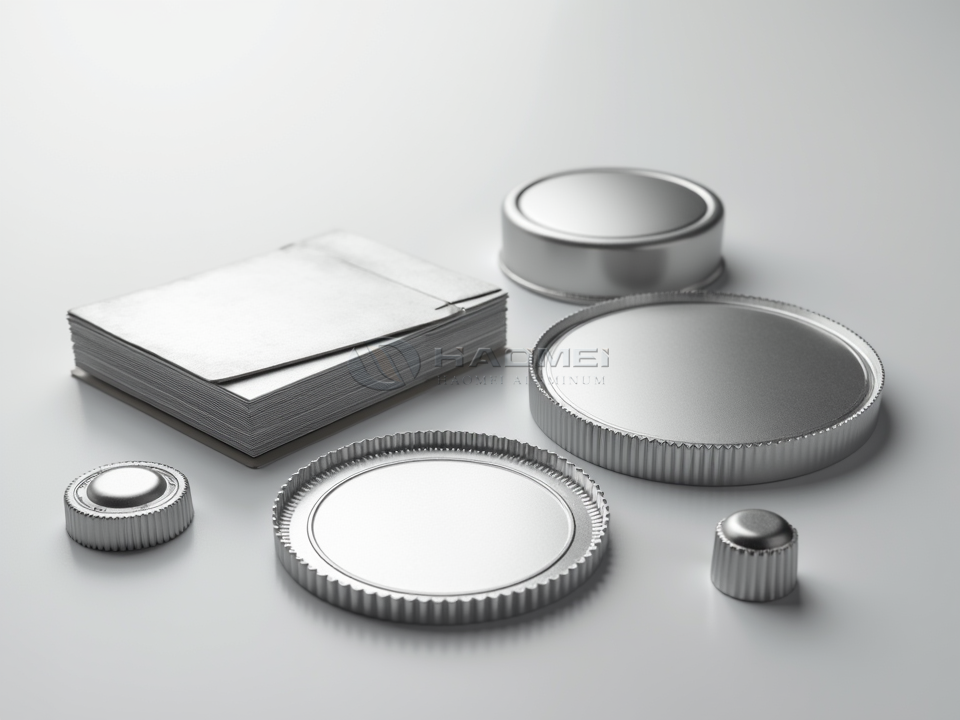
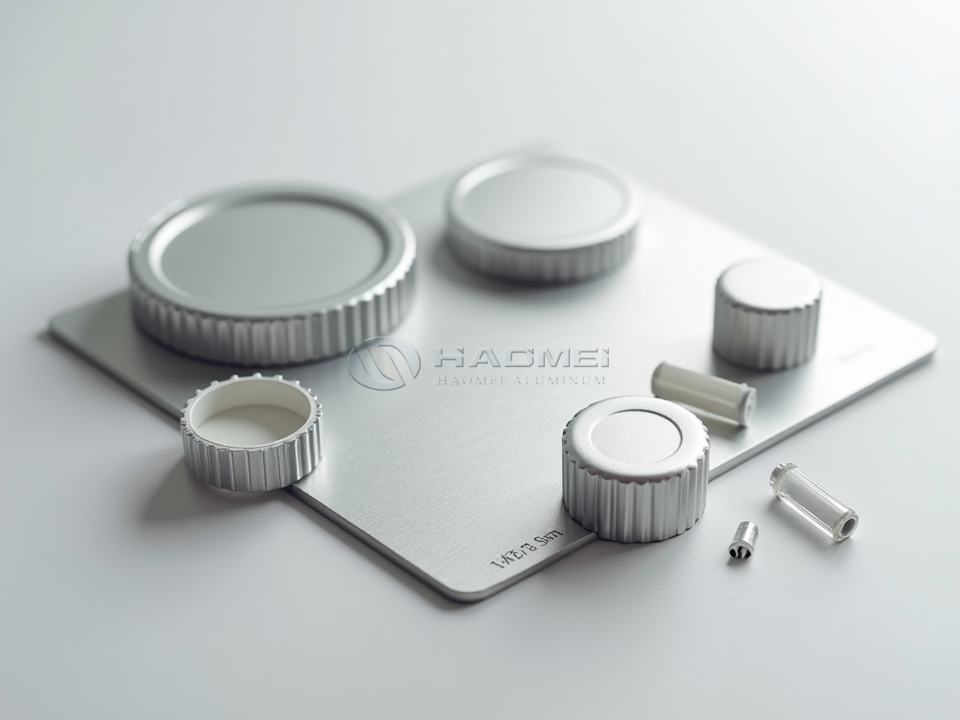
Custom printed cap aluminum plate is a coated and decorated aluminum sheet or coil designed for manufacturing bottle caps, ROPP closures, pilfer-proof caps, pharmaceutical caps, and cosmetic closures. Although commonly called "plate" in commercial use, this material is normally supplied in thin-gauge coil or sheet form for high-speed stamping, deep drawing, knurling, threading, and embossing operations.
It combines the light weight and corrosion resistance of aluminum with durable printing layers that carry logos, color bands, product information, promotional graphics, and anti-counterfeit markings. The result is a closure material that protects packaged products while strengthening shelf presence and brand recognition.
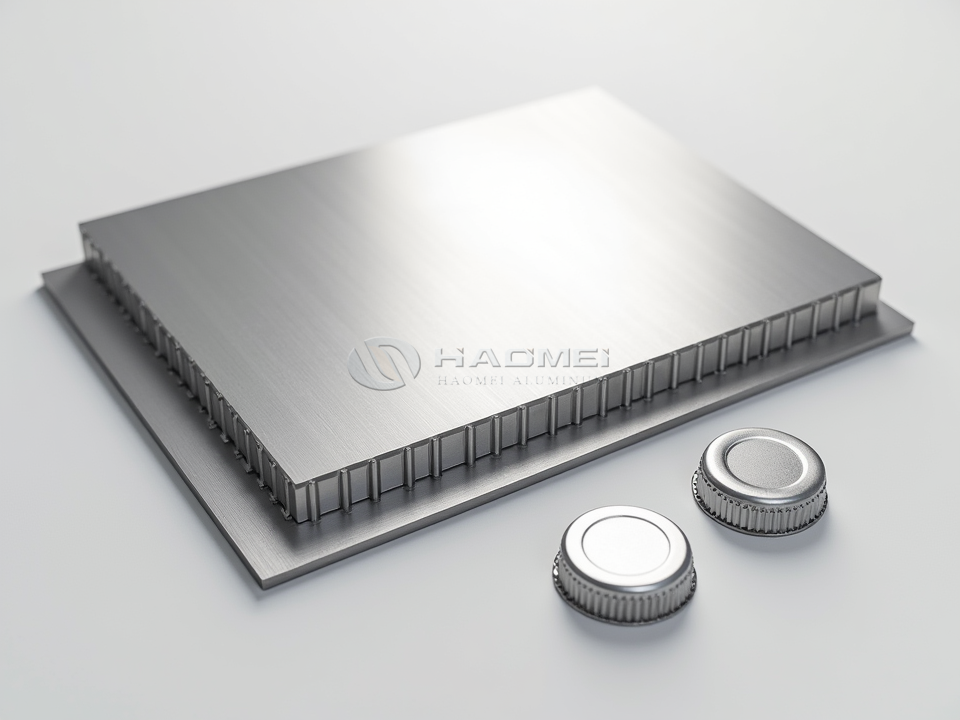
Product Features
Custom printed cap aluminum plate is engineered to maintain stable forming behavior after coating and decoration. The substrate has controlled thickness, flatness, surface cleanliness, and mechanical properties so that printed graphics remain attractive after cap shell production.
| Feature | Customer Benefit |
|---|---|
| High formability | Supports deep drawing, skirt formation, threading, and knurling without frequent cracking |
| Printed surface | Enables logos, color systems, text, patterns, and decorative finishes directly on the cap exterior |
| Food-contact coating options | Provides a protective barrier suitable for beverages, edible oils, foods, and pharmaceutical packaging |
| Good corrosion resistance | Helps protect closures in humid storage, refrigerated transport, and normal handling conditions |
| Consistent coil quality | Promotes stable feeding and reduced variation during high-speed cap production |
| Recyclable aluminum substrate | Supports packaging programs focused on material recovery and circularity |
| Custom surface treatment | Available with solid colors, gloss, matte, metallic, pearlescent, brushed, or embossed appearances |
The print system may include a base coat, colored ink layers, decorative varnish, protective topcoat, and backside lacquer. For closures that contact aggressive products or may encounter condensation, coating selection should match the filling product, sterilization method, cap liner, and storage environment.
Common Applications
Custom printed cap aluminum plate is widely used where a closure must carry clear branding and retain a refined appearance after forming. It is compatible with standard conversion processes for roll-on, screw-cap, and specialty closure designs.
| Packaging Segment | Typical Closure Use | Printed Design Options |
|---|---|---|
| Wine and spirits | ROPP caps, long-skirt wine closures | Vintage colors, winery logos, foil-like metallic decoration |
| Carbonated beverages | Pilfer-proof caps and screw closures | Bold brand colors, product codes, promotional graphics |
| Mineral water and juices | Tamper-evident bottle caps | High-contrast logos, matte or gloss varnish |
| Edible oils and sauces | Threaded aluminum closures | Product identification, color bands, handling marks |
| Pharmaceuticals | Bottle caps and oral-liquid closures | Batch-related text areas, controlled graphics, protective lacquer |
| Cosmetics and personal care | Premium bottle and jar caps | Pearlescent, metallic, brushed, soft-touch, or embossed finishes |
For high-quality lithographic decoration, a Printed Aluminum Closure Sheet can be specified with coating systems tailored to the intended closure style and visual standard.
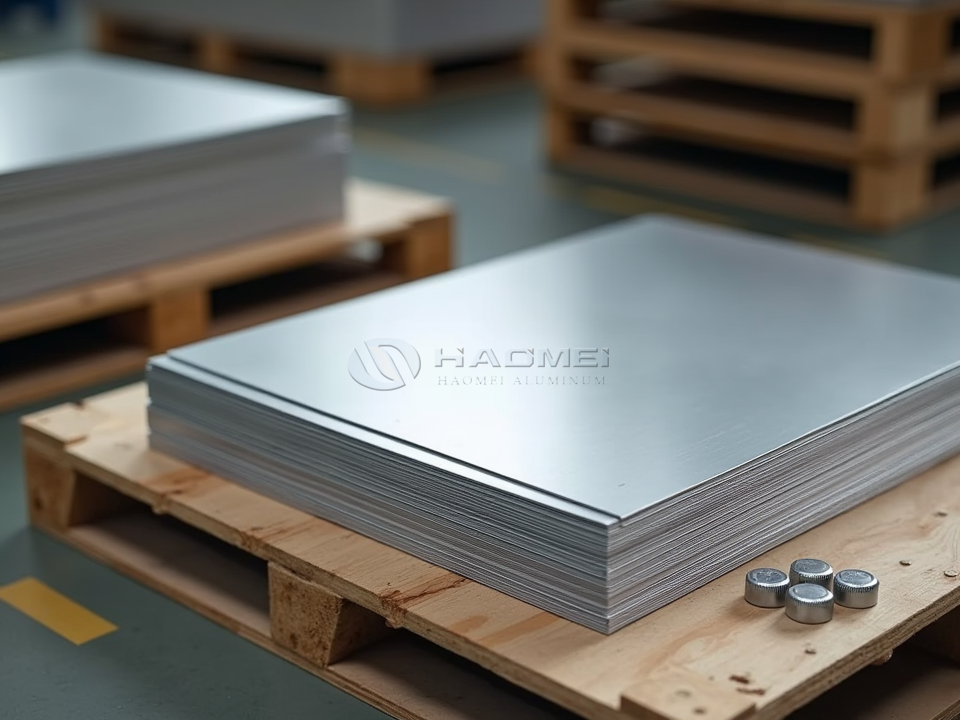
Alloy and Temper Selection
The most frequently selected alloys are 8011, 3105, and 3104. Each offers a practical balance of strength, ductility, and surface quality. Temper is selected according to cap depth, skirt length, thread geometry, production speed, and the amount of post-forming deformation.
| Alloy | Common Tempers | Forming Character | Typical Use |
|---|---|---|---|
| 8011 | H14, H16, H18 | Excellent workability with stable cap-forming performance | Beverage caps, PP caps, wine closures, general cap stock |
| 3105 | H14, H16 | Good strength and surface finish with reliable drawing behavior | Printed beverage closures and premium caps |
| 3104 | H14, H16 | Higher strength with useful forming performance | Closures requiring added rigidity or dimensional stability |
H14 material is often preferred for deeper drawing and more complex cap profiles. H16 can provide greater rigidity where the closure design requires improved dent resistance or tighter dimensional control. Final temper selection should be confirmed through cap-maker trials, particularly for tall wine caps, embossed shells, or aggressive thread profiles.
Chemical Composition
The following values are typical limits for commonly used aluminum closure alloys. Actual melt chemistry may be controlled to customer standards or applicable EN, ASTM, and GB requirements.
| Alloy | Si | Fe | Cu | Mn | Mg | Zn | Ti | Al |
|---|---|---|---|---|---|---|---|---|
| 8011 | 0.50-0.90% | 0.60-1.00% | 0.10% max | 0.20% max | 0.05% max | 0.10% max | 0.08% max | Balance |
| 3105 | 0.60% max | 0.70% max | 0.30% max | 0.30-0.80% | 0.20-0.80% | 0.40% max | 0.10% max | Balance |
| 3104 | 0.60% max | 0.80% max | 0.25% max | 0.80-1.40% | 0.80-1.30% | 0.25% max | 0.10% max | Balance |
Technical Specifications
Production dimensions, paint construction, and packaging can be adjusted to suit the printing press and closure-making line. The parameters in this table represent common commercial ranges rather than fixed limits.
| Parameter | Typical Range or Condition |
|---|---|
| Material form | Coil, slit coil, sheet, or blank |
| Thickness | 0.18-0.30 mm |
| Common thickness tolerance | ±0.01 mm, subject to gauge and agreement |
| Coil width | 300-1,300 mm |
| Inner coil diameter | 150 mm, 300 mm, 405 mm, 505 mm, or as specified |
| Coil outer diameter | Typically up to 1,800 mm, depending on weight and transport limits |
| Coil weight | Usually 2-8 tonnes, customized by customer equipment capability |
| Surface finish | Mill finish, white base coat, colored coating, printed, varnished, embossed |
| Exterior coating | Polyester, epoxy, acrylic, or specialized decorative lacquer |
| Interior coating | Food-contact lacquer, epoxy-based lacquer, or product-specific protective system |
| Printing process | Dry-offset, lithographic, gravure, or custom decorative process |
| Color control | Customer-approved color standard, artwork proof, or Pantone reference |
| Packaging | Moisture-resistant wrapping, edge protection, palletized export packaging |
Mechanical Performance
Mechanical data varies with alloy, temper, thickness, and rolling practice. Values should be treated as guidance for material selection and confirmed in the purchase specification.
| Alloy and Temper | Tensile Strength | Yield Strength | Elongation | Recommended Forming Use |
|---|---|---|---|---|
| 8011 H14 | 125-165 MPa | 95-145 MPa | 2% min | Standard ROPP and PP cap shells |
| 8011 H16 | 145-185 MPa | 120-165 MPa | 1% min | Closures needing increased rigidity |
| 3105 H14 | 130-175 MPa | 110-155 MPa | 2% min | Printed beverage and general closures |
| 3105 H16 | 150-195 MPa | 130-175 MPa | 1% min | Durable premium closure designs |
Printing, Coating, and Design Control
Artwork is normally prepared according to the cap circumference, print repeat, overlap position, and planned deformation during shell forming. Fine text, barcodes, registration marks, and small brand elements require careful placement so they remain legible after drawing and threading.
A typical decorative construction includes:
- Pretreated aluminum substrate for paint adhesion
- Primer or base coat to improve color uniformity
- Multi-color printed graphics
- Protective over-varnish for abrasion resistance
- Reverse-side lacquer for compatibility with the cap interior environment
Gloss level, color density, coating weight, and adhesion are monitored to help prevent scuffing, ink transfer, color drift, or delamination during transportation and cap production. Metallic inks and high-gloss varnishes can create a premium visual effect, while matte coatings offer a modern, understated finish.
Quality Considerations
Reliable custom printed cap aluminum plate depends on coordinated control from rolling through packing. Important inspection items include thickness consistency, width tolerance, coating adhesion, print registration, color match, surface cleanliness, coil winding quality, and absence of scratches or edge damage.
| Inspection Item | Typical Evaluation |
|---|---|
| Surface appearance | Visual inspection for scratches, stains, coating voids, and print defects |
| Color consistency | Comparison with approved sample or color reference |
| Coating adhesion | Tape test or bend-based adhesion evaluation |
| Formability | Drawing, cupping, or cap-making trial where required |
| Print registration | Alignment verification against approved artwork |
| Coil condition | Tight, even winding with protected edges and moisture barrier packaging |
Custom printed cap aluminum plate provides a practical foundation for closures that must look polished, form efficiently, and protect the packaged product. By matching alloy, temper, coating system, artwork, and dimensions to the intended cap design, brands can achieve dependable production performance and a distinctive finished package.