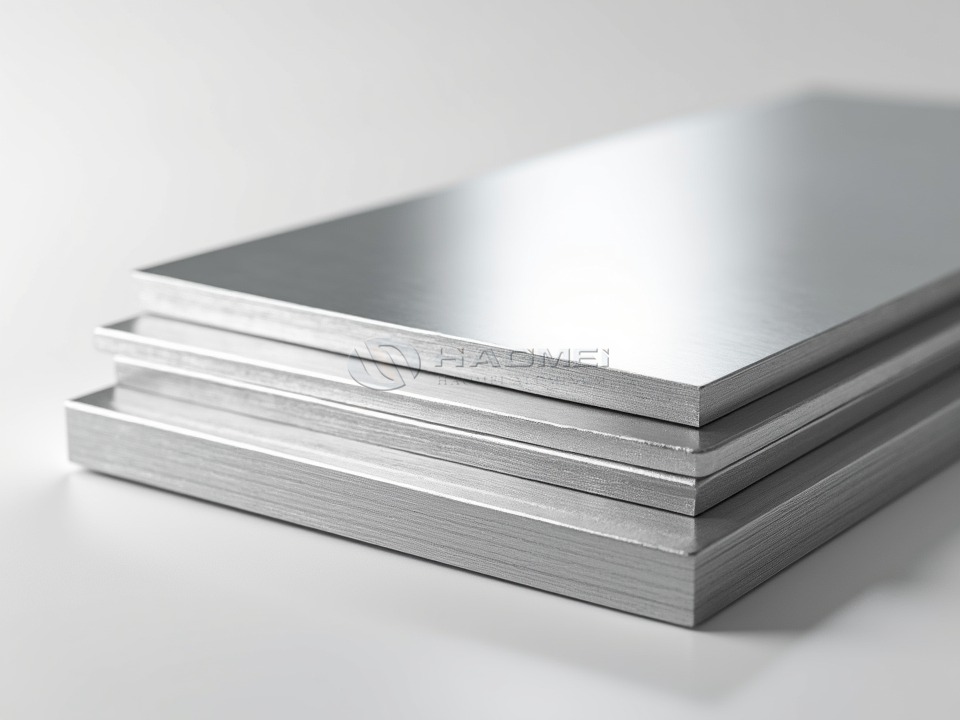
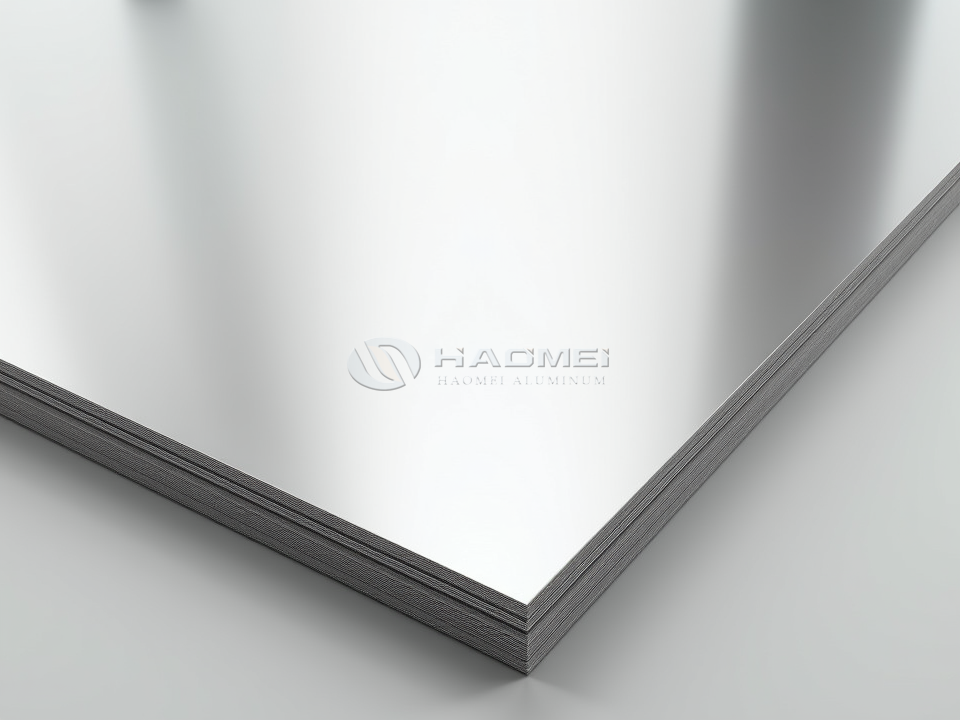
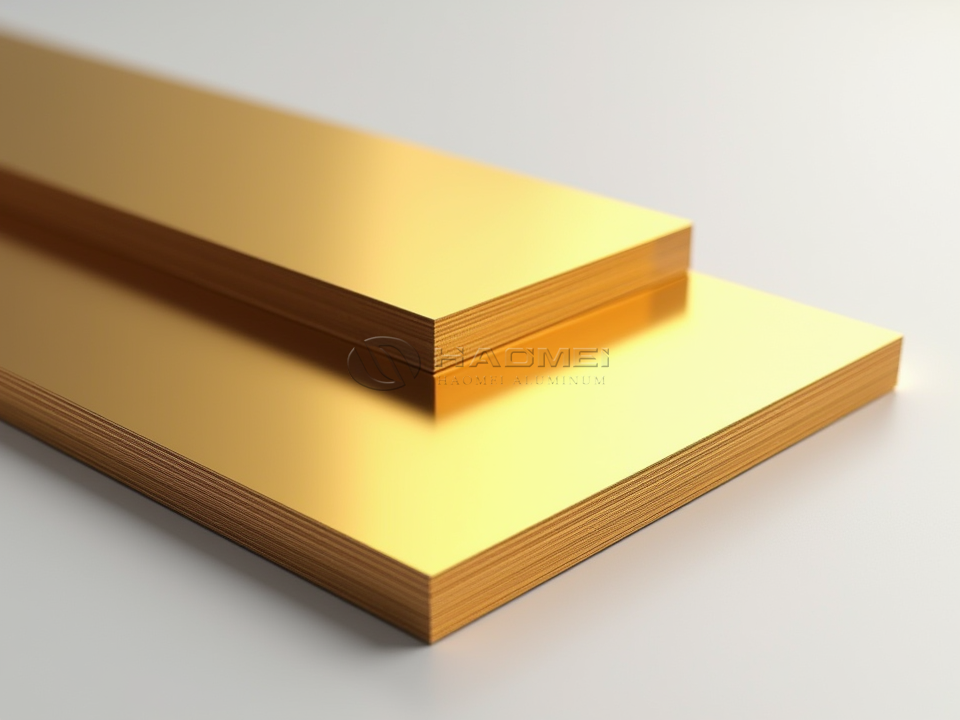
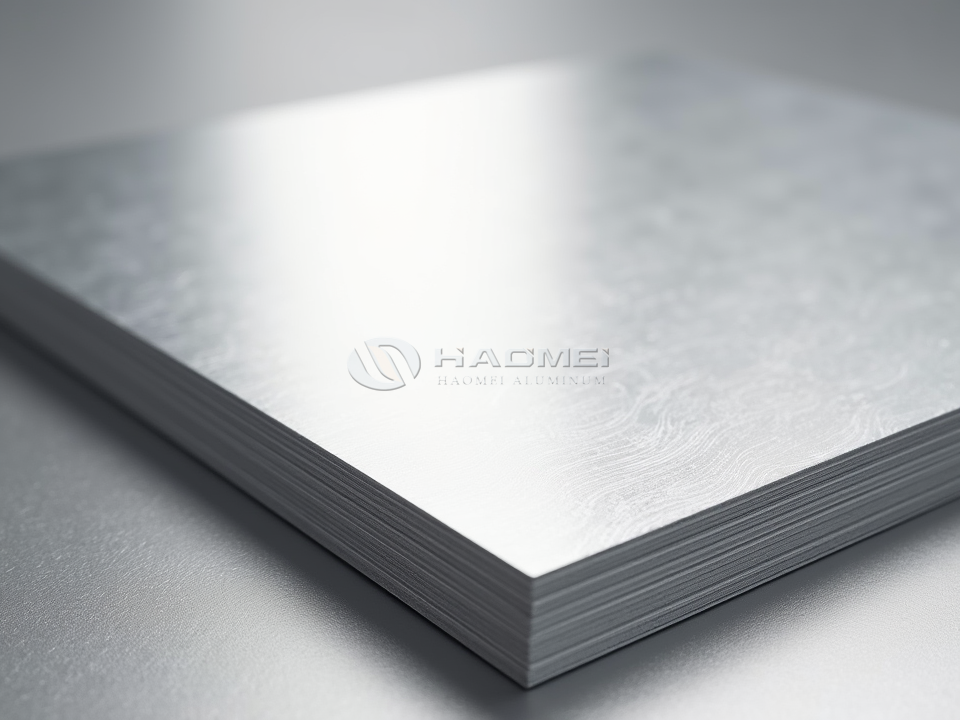
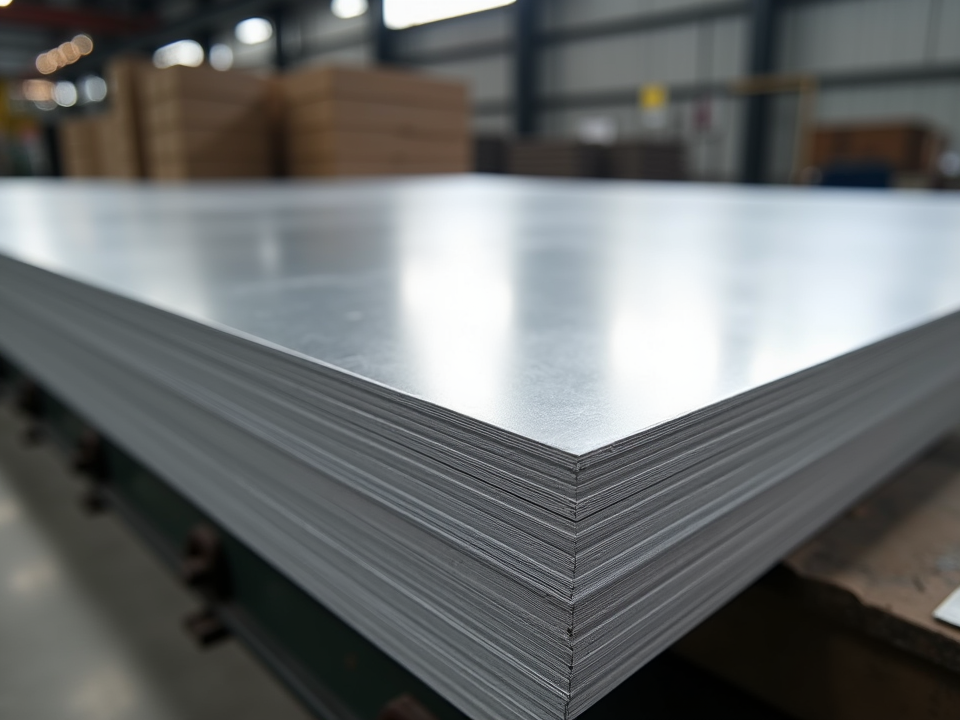
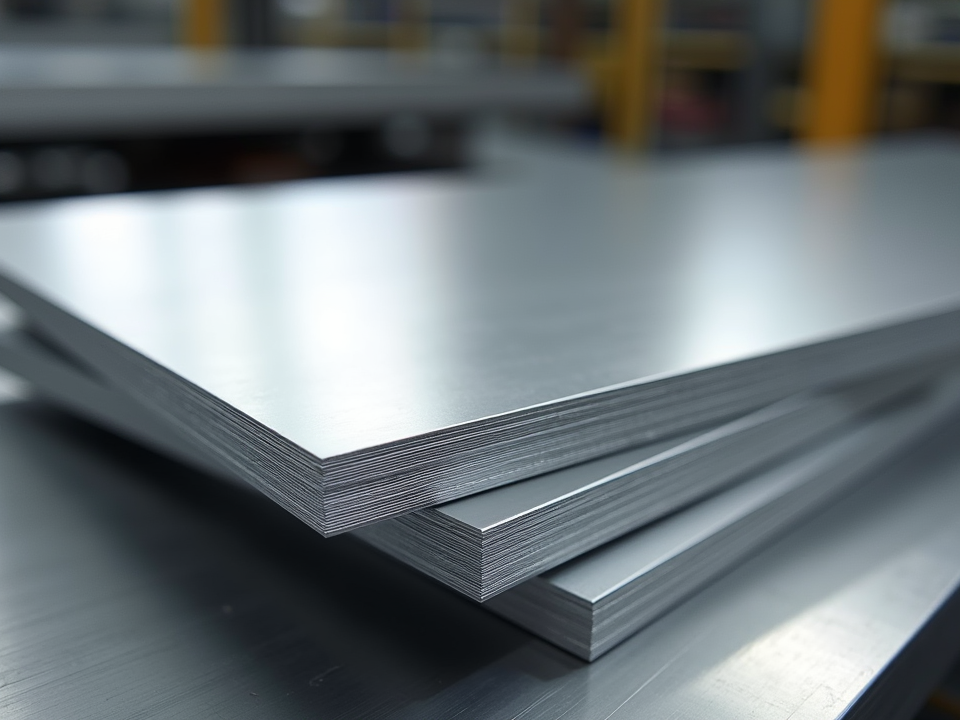
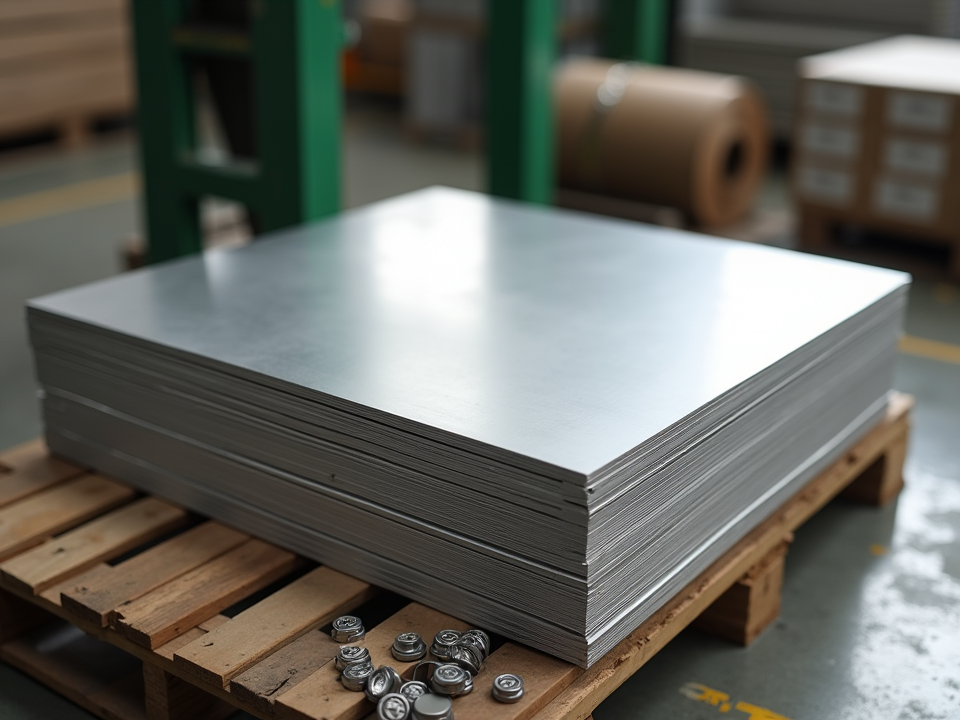
Factory Price Mirror Aluminum Plate
A factory price mirror aluminum plate can appear simple: a bright metal sheet, a thickness, a quoted price per ton or per sheet. In practice, the reflective surface is only the visible part of the purchase. The value of a mirror plate is decided by what happens before polishing, during coating, and after the sheet leaves the production line.
For buyers of lighting reflectors, decorative panels, signage, appliance trim, ceilings, and solar-related components, the most useful question is not merely, "What is the lowest price?" It is, "Will this plate perform well after cutting, bending, transport, and installation?" A lower invoice price can become expensive when reflection is inconsistent, film leaves residue, edges are damaged, or supplied thickness varies too widely.
Haomei Aluminum CO., LTD., Inc. approaches factory price discussions from the perspective of usable surface area. A mirror aluminum plate earns its value when the customer can process and install more of each coil or sheet with less sorting, rework, and waste.
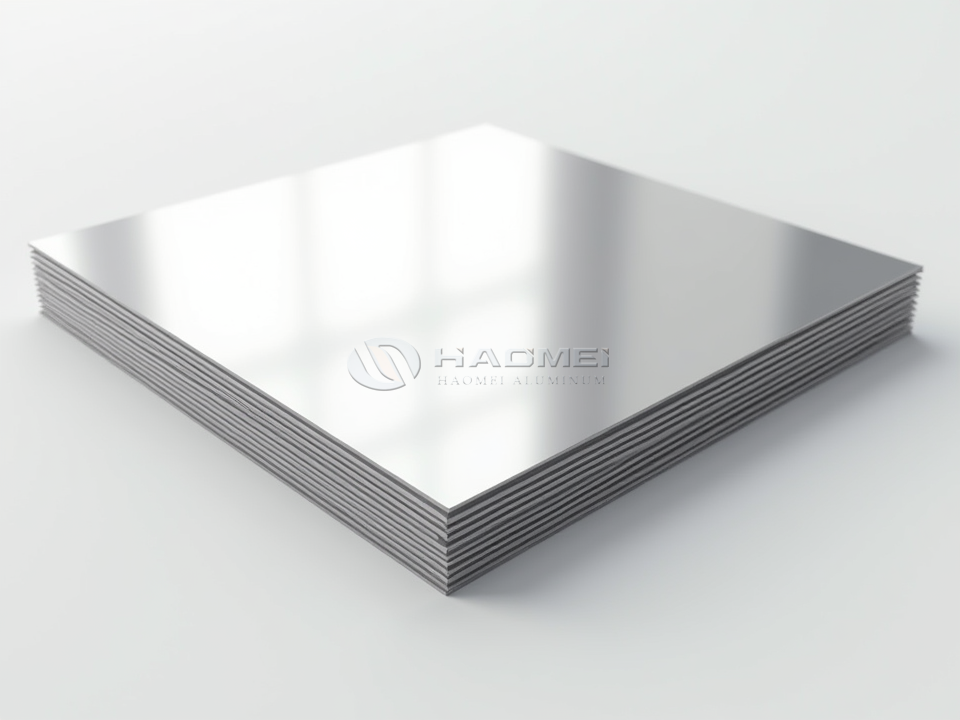
Factory Price Is Built From More Than Aluminum Ingot
The aluminum market price forms the foundation of a quotation, but it is not the full cost. Mirror aluminum requires carefully controlled rolling, surface preparation, polishing or chemical brightening, and often a protective coating. Each stage influences reflectivity, flatness, color consistency, and resistance to handling marks.
The alloy also changes the final price and behavior. Grades such as 1060, 1070, and 1085 are frequently selected where high aluminum purity and good reflectance are desired. A 1060 Mirror Aluminum Sheet is widely used for decorative and reflective applications because it offers good formability, a clean appearance, and reliable processing performance. Higher-purity material can provide stronger optical properties for demanding reflector uses, while other grades may be better suited to forming strength or budget targets.
Temper is another cost and performance factor. Soft tempers are easier to stamp or bend, whereas harder tempers offer more rigidity for flat panels. If a project needs deep drawing, sharp folding, or roll forming, choosing the wrong temper may cause cracking or visible deformation around the bend. A factory quotation should clearly state alloy, temper, thickness, width, length, and whether the product is supplied as sheet or coil.
Reflection Is a Specification, Not Just an Appearance
Two plates may look similarly bright under warehouse lighting but perform very differently in service. Visual brightness is influenced by surface smoothness, reflection clarity, coating transparency, and the uniformity of the metal base. For lighting equipment, reflection rate and light distribution are practical measurements. For interior decoration, image clarity, gloss balance, and color matching may matter more.
Buyers should ask whether the material is mechanically polished, chemically polished, anodized, or coated. Mechanically polished plates can deliver a brilliant visual effect, but they need suitable protection during fabrication. Anodized products add a harder oxide layer that improves surface durability and corrosion resistance. This is especially useful for humid interiors, public spaces, and products touched frequently by users.
A standard Mirror Aluminum Sheet may be suitable for signage or trim, while an anodized grade can be a stronger choice for long-term decorative panels. The right selection depends on the working environment, not simply on initial shine.
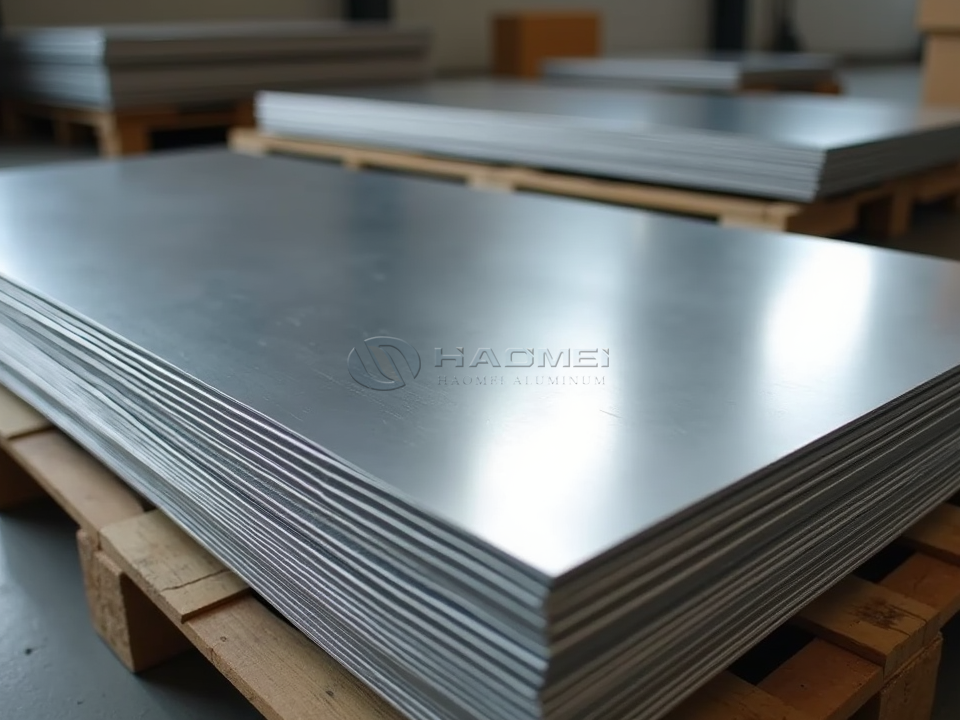
Protective Film Can Save a Project
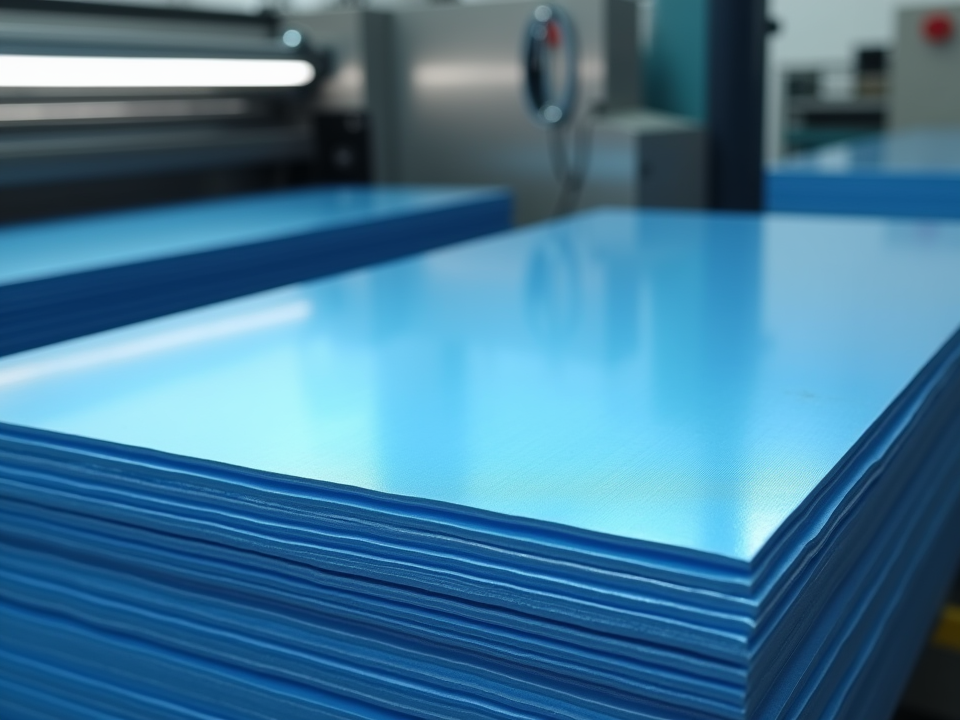
The protective film is often treated as a minor detail, yet it directly affects the usable yield of mirror aluminum plate. A good film shields the polished face against scratches, fingerprints, dust, and friction during cutting, bending, and transport. A poor film may lift at the corners, trap air bubbles, leave adhesive marks, or become difficult to remove after storage.
Film selection should match the intended processing route. Laser cutting, punching, press forming, and manual fabrication place different demands on adhesion and heat resistance. Buyers should confirm the film type, thickness, adhesive level, and recommended storage period. If plates will remain in a hot warehouse or container for extended periods, test removal before ordering a full production batch.
The rear side deserves attention as well. A clean, stable back surface improves bonding, laminating, and installation. For decorative wall systems or composite panels, a mismatch between the mirror face and rear-side treatment can create hidden production issues later.
Flatness and Tolerance Affect Fabrication Cost
Mirror surfaces reveal distortion more readily than brushed, painted, or mill-finish aluminum. Even slight waviness may become obvious after installation because reflected lines appear bent. This is why flatness matters greatly for ceiling panels, furniture accents, elevator decoration, and display systems.
Ask the supplying factory to confirm thickness tolerance, width tolerance, diagonal tolerance for cut sheets, and flatness control. A nominal 1.00 mm plate may not perform the same as another 1.00 mm plate if actual thickness variation is broad. Stable thickness helps maintain consistent bending angles, stamping depth, and panel fit.
For large-format sheets, packing also affects flatness. Plates should be separated appropriately, protected from shifting, and placed on strong pallets. Corners need reinforcement because small edge dents can make a mirror panel unusable in visible architectural applications. Factory price should include packaging that matches the transport distance and destination conditions, particularly for sea freight.
Compare Quotations on a Like-for-Like Basis
A reliable quotation makes comparison straightforward. It should identify the material grade, temper, dimensions, finish type, reflective face, coating or anodizing status, protective film, quantity, packing method, delivery terms, and quality inspection requirements. When one supplier offers an unusually low price, compare every one of these details before judging the difference.
For example, a low-priced plate may use a thinner actual gauge, a lower-grade base coil, reduced film quality, or a simpler polish that has less stable brightness. None of these choices is automatically wrong. They simply need to fit the application. A short-life promotional display may accept a basic finish, while a retail ceiling or premium appliance part requires stronger surface consistency.
Samples are valuable because mirror materials are visual products. Inspect samples under direct light and at an angle, not only face-on. Check for roller marks, haze, pinholes, color variation, scratches, and uneven reflection. Then perform a small cutting and bending trial using the real production method. This modest step can prevent a large material mismatch.
A Smarter Meaning of Factory Price
The strongest factory price mirror aluminum plate offer is not necessarily the lowest figure on a spreadsheet. It is the offer that produces predictable results from receiving inspection through final installation. Material consistency reduces line stoppages. Dependable film lowers handling losses. Accurate dimensions shorten setup time. Secure packing protects the finish customers are paying for.
When requesting a quote from Haomei Aluminum CO., LTD., Inc., provide the intended application, alloy preference, thickness, dimensions, finish requirement, processing method, order volume, and destination port or address. With these details, the factory can recommend a practical mirror aluminum plate rather than offering a generic bright sheet.
A mirror plate should reflect more than light. It should reflect a well-controlled supply decision: appropriate alloy, stable finish, protected surface, efficient fabrication, and a cost structure that remains sensible after the material reaches the production floor.