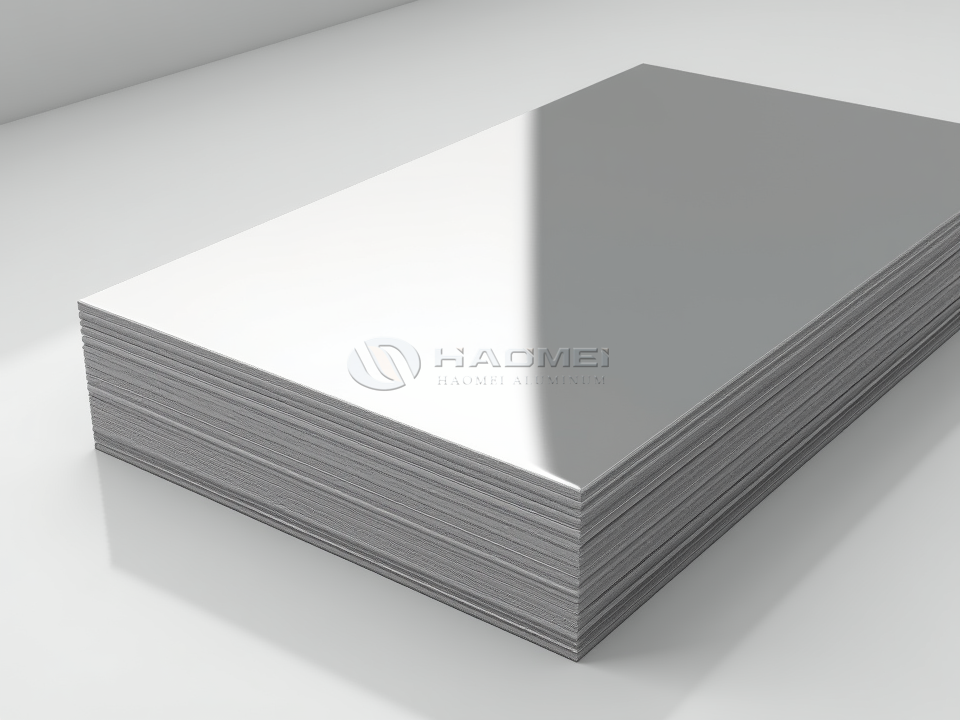
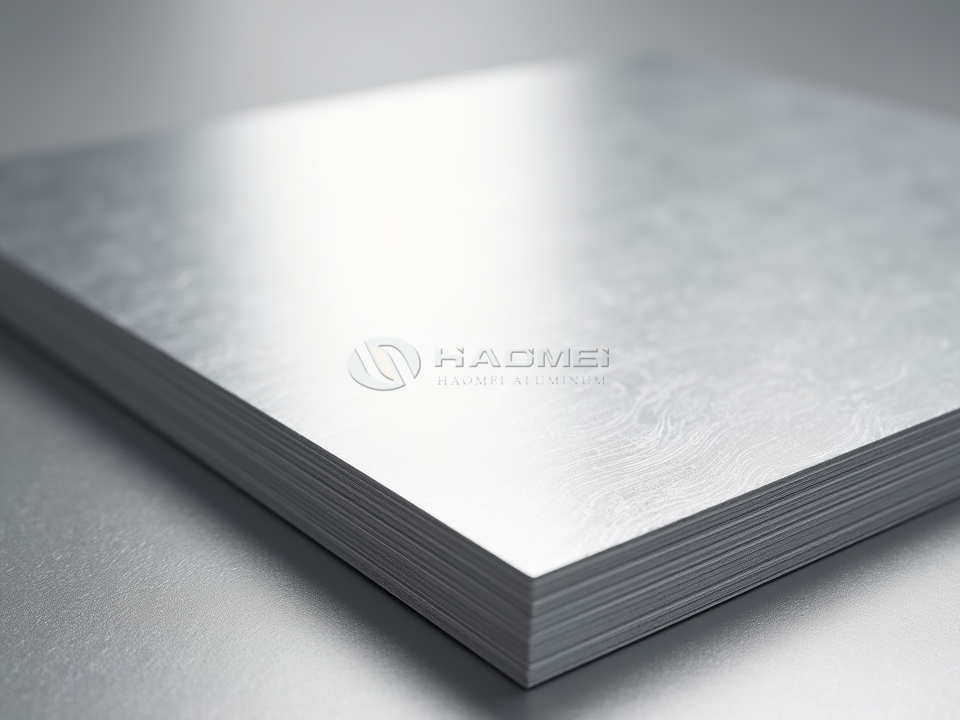
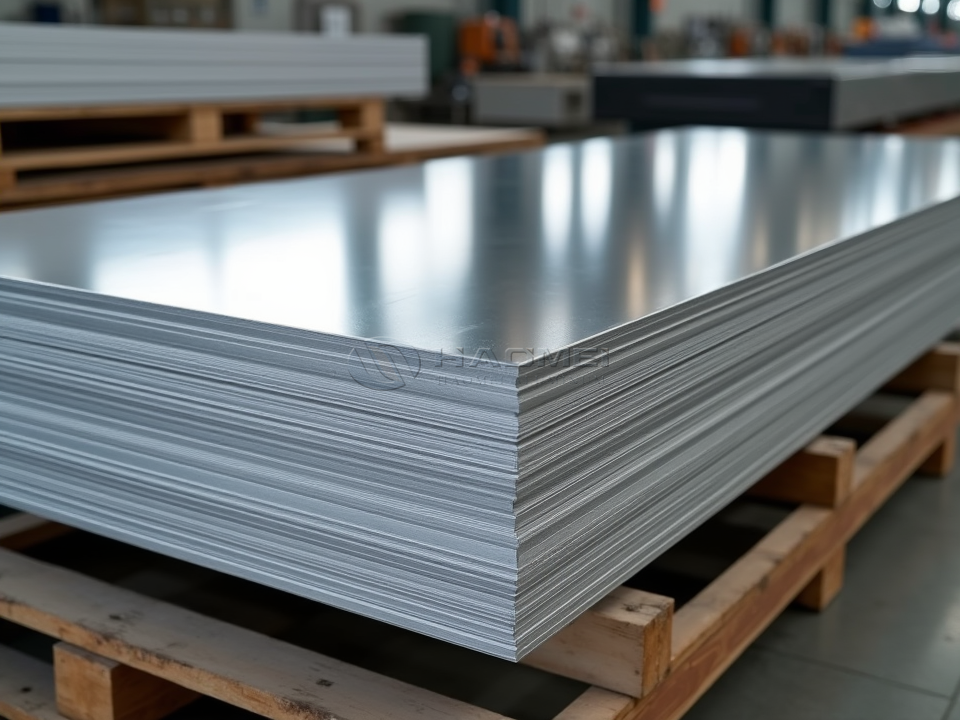
Gold Mirror Finish Aluminum Sheet
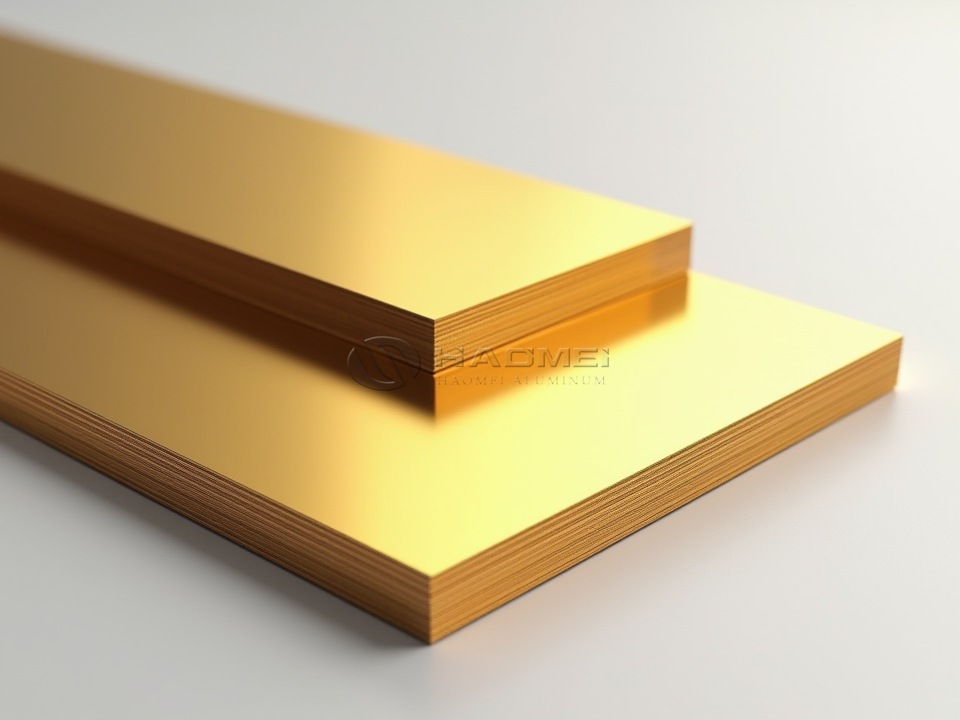
Gold mirror finish aluminum sheet is not merely a colored metal panel. It is a carefully engineered decorative material that combines aluminum's low weight with a highly reflective golden surface. In architectural interiors, display systems, signage, elevators, lighting fixtures, and premium packaging, it creates the visual depth of polished gold without the cost, density, or maintenance burden associated with brass or stainless steel.
The appeal comes from contrast. The sheet appears rich and warm from a distance, yet its mirror surface can reflect light, nearby colors, and movement. This makes it especially effective in spaces where designers want to create brightness and visual scale without adding heavy structural materials.
What Creates the Gold Mirror Effect?
A gold mirror finish aluminum sheet begins with a smooth aluminum substrate, usually produced from high-purity 1xxx series aluminum or corrosion-resistant 3xxx series alloy. The surface is mechanically polished, chemically brightened, or treated through precision rolling processes to improve reflectivity. A gold appearance is then formed through anodizing, vacuum coating, electrophoretic coloring, or color coating systems.
Anodized gold mirror aluminum is widely selected for demanding decorative environments because the color is integrated with the anodic oxide layer. This creates stronger adhesion and better resistance to fading than ordinary painted surfaces. For projects requiring greater color flexibility, Colored Mirror Aluminum Sheet can provide gold tones ranging from champagne gold to deep antique gold.
The mirror image is affected by more than color. Surface flatness, coil quality, protective film, handling, and installation direction all influence the final visual result. A sheet may look flawless in a sample size but reveal distortion when installed on an uneven wall or curved frame. For this reason, decorative metal selection should include both optical performance and fabrication practicality.
Common Parameters for Gold Mirror Aluminum Sheet
Gold mirror finish aluminum sheet is available in coils, cut sheets, strips, and customized formats. The most appropriate dimensions depend on the forming method and final application.
| Parameter | Common Range or Option |
|---|---|
| Alloy | 1050, 1060, 1070, 1085, 1100, 3003 |
| Temper | O, H12, H14, H16, H18, H22, H24 |
| Thickness | 0.20 mm to 3.00 mm |
| Common width | 1,000 mm, 1,220 mm, 1,250 mm, 1,500 mm |
| Common length | 2,000 mm, 2,440 mm, 3,000 mm, custom cut length |
| Surface treatment | Polished, anodized, color coated, vacuum metallized |
| Gold shades | Champagne gold, bright gold, titanium gold, rose gold, antique gold |
| Protective film | PVC, PE, laser film, removable protective masking |
| Reflectivity | Often 80% to 95%, depending on process and surface grade |
Thin gauges around 0.30 mm to 0.80 mm are common for lampshades, sign faces, ceiling panels, and packaging. Material from 1.00 mm to 2.00 mm provides greater rigidity for wall cladding, furniture components, elevator decoration, and display structures. Thicker sheet may be selected when flatness and impact resistance are more important than easy bending.
Alloy and Temper Selection
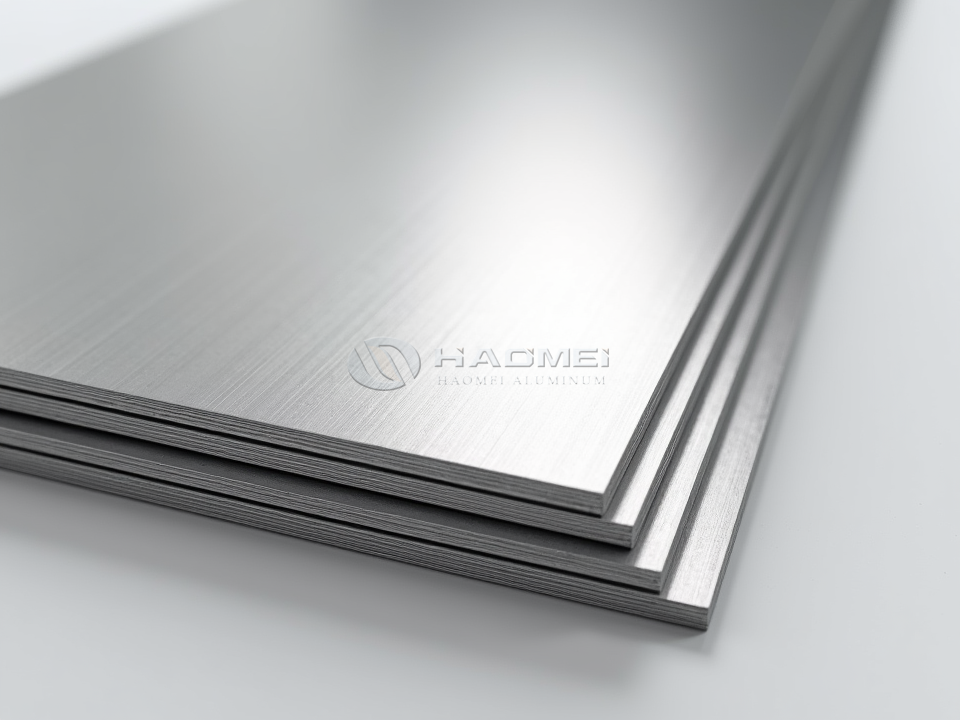
The alloy choice affects brightness, bending behavior, strength, corrosion performance, and cost. For highly reflective decorative applications, 1060 and 1070 aluminum are popular because of their high aluminum content and clean surface response. A 1060 Mirror Aluminum Sheet is often chosen for interior decoration, lighting reflectors, traffic signs, and display panels where deep drawing strength is not the main concern.
3003 alloy contains manganese, giving it higher strength than pure aluminum grades. It is suitable for decorative panels that require moderate forming ability and better dent resistance. However, the optical brilliance of 3003 may be slightly different from high-purity 1xxx alloy, so sample approval is recommended for projects with strict appearance requirements.
| Alloy | Main Character | Suitable Uses |
|---|---|---|
| 1050 | Soft, highly formable, bright surface potential | Trim, signage, interior panels |
| 1060 | High purity, strong reflectivity, economical | Lighting, ceiling, decorative sheet |
| 1070 | Very high aluminum content and excellent polishability | Premium mirror applications |
| 1085 | High reflectance and refined surface quality | Reflectors, upscale decoration |
| 1100 | Good workability and corrosion resistance | Fabricated decorative parts |
| 3003 | Higher strength with manganese addition | Cladding, cabinets, formed panels |
Temper should be selected according to the shaping process. O temper is soft and appropriate for deep drawing, embossing, and tight-radius bending. H14 is a frequently used half-hard temper that balances formability and stiffness. H18 offers a harder sheet for flat decorative applications but is less suitable for aggressive forming.
Chemical Composition of Common Alloys
Chemical composition determines how the aluminum sheet reacts during rolling, anodizing, polishing, and fabrication. Values shown are typical maximum limits or nominal ranges based on common aluminum alloy specifications.
| Alloy | Al | Si | Fe | Cu | Mn | Mg | Zn | Other Elements |
|---|---|---|---|---|---|---|---|---|
| 1050 | 99.50 min | 0.25 | 0.40 | 0.05 | 0.05 | 0.05 | 0.05 | 0.03 each |
| 1060 | 99.60 min | 0.25 | 0.35 | 0.05 | 0.03 | 0.03 | 0.05 | 0.03 each |
| 1070 | 99.70 min | 0.20 | 0.25 | 0.04 | 0.03 | 0.03 | 0.04 | 0.03 each |
| 1085 | 99.85 min | 0.12 | 0.12 | 0.03 | 0.02 | 0.02 | 0.03 | 0.03 each |
| 1100 | 99.00 min | Si + Fe 0.95 max | - | 0.05-0.20 | 0.05 | - | 0.10 | 0.05 each |
| 3003 | Balance | 0.60 max | 0.70 max | 0.05-0.20 | 1.00-1.50 | - | 0.10 max | 0.05 each |
Implementation Standards and Quality Expectations
Gold mirror aluminum sheet can be supplied in accordance with recognized standards such as ASTM B209, EN 485, EN 573, GB/T 3880, and ISO-based quality management requirements. The applicable standard depends on the destination market, alloy, dimensional tolerance, and project specification.
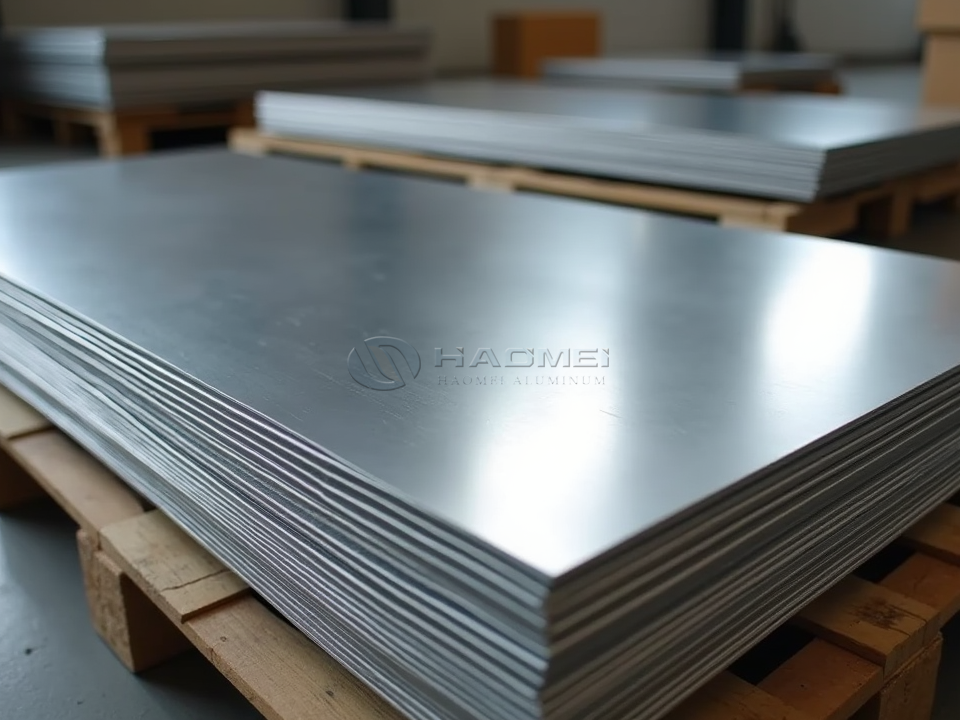
For decorative orders, technical inspection should extend beyond thickness and width. Surface quality is equally important. Buyers commonly specify no oil marks, roller marks, oxidation spots, scratches, color variation, dents, coating pinholes, or edge damage within the visible face. Protective film should be applied evenly and removed only after fabrication or final installation to reduce handling scratches.
Fabrication and Installation Notes
Gold mirror surfaces reward careful handling. Workers should wear clean gloves, use soft supports, and avoid dragging sheets across tables. Cutting tools must be clean because aluminum particles and metal chips can leave visible marks on the reflective coating.
For bending, test the selected temper and bend radius before full production. Hard temper sheets may show stress whitening or micro-cracking at sharp folds, especially when coated. Laser cutting, CNC routing, stamping, and adhesive bonding can all be used, but the protective film and heat sensitivity of the decorative layer must be considered.
Indoor applications usually provide the longest service life. In humid, coastal, or heavily polluted settings, anodized or high-performance coated gold mirror aluminum offers better protection. Exterior use should include confirmation of UV resistance, coating thickness, salt spray performance, and color consistency requirements.
Gold mirror finish aluminum sheet brings a polished architectural mood to products that need to remain light, workable, and cost-conscious. With the right alloy, temper, surface treatment, and protective handling plan, it can deliver a durable golden reflection that feels refined rather than excessive.