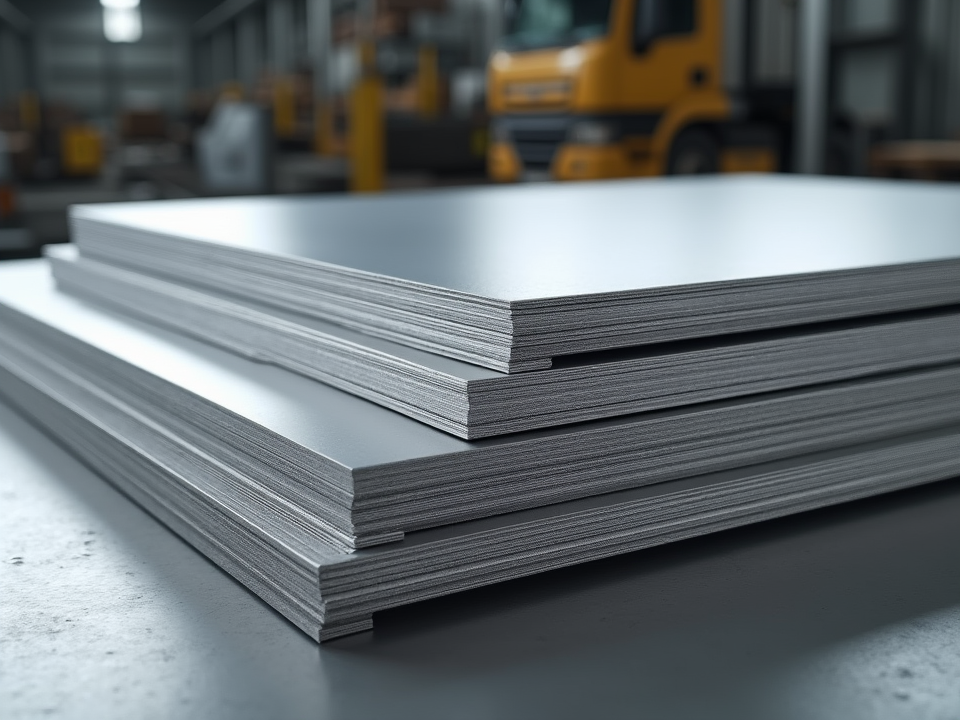
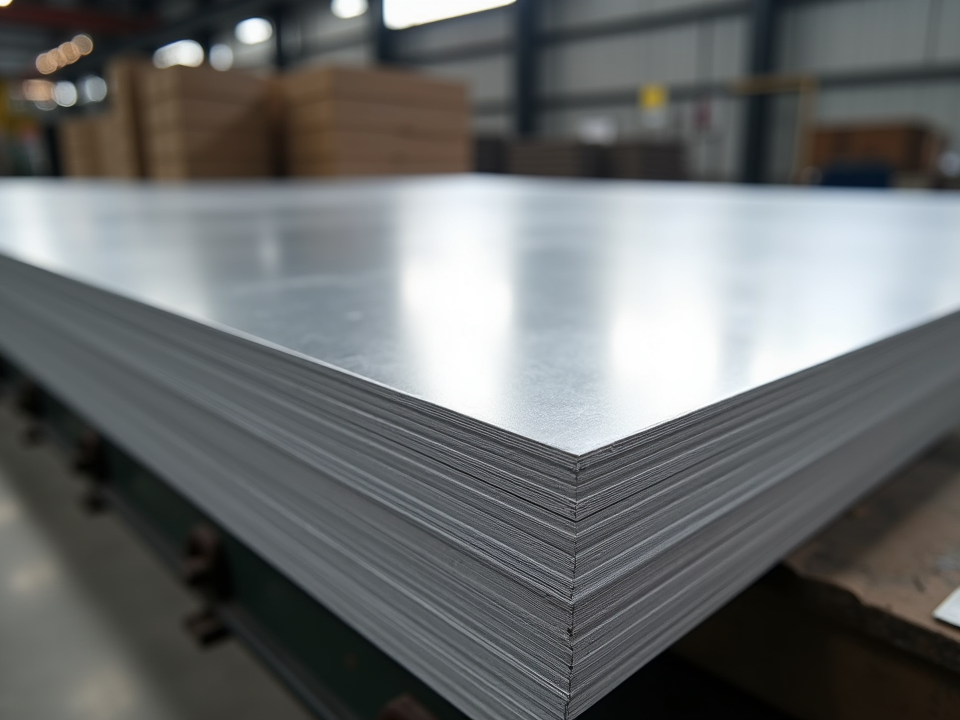
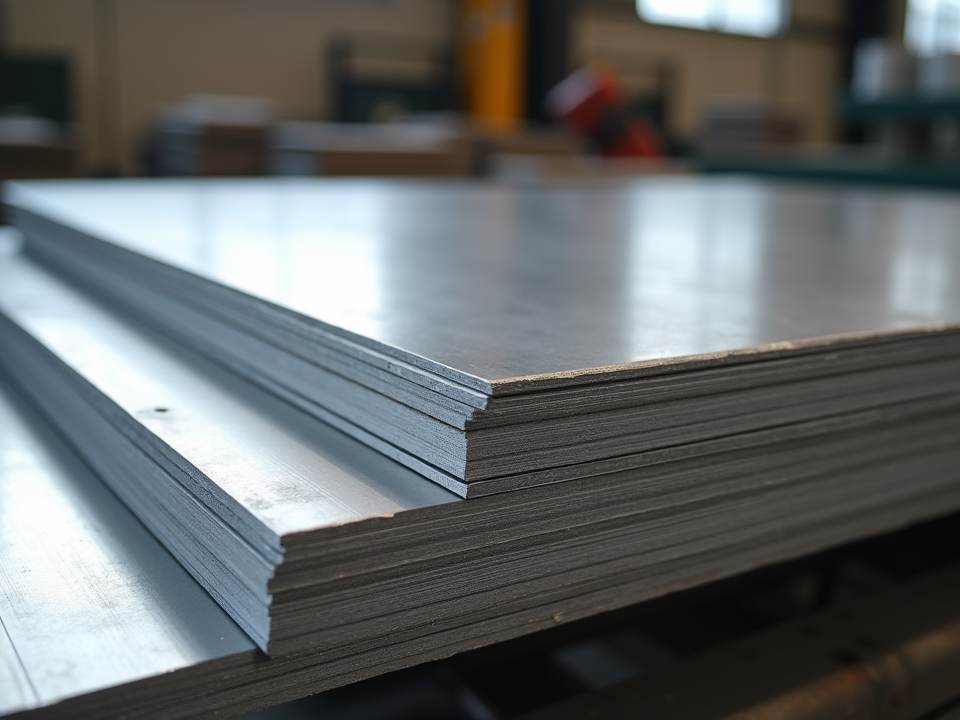
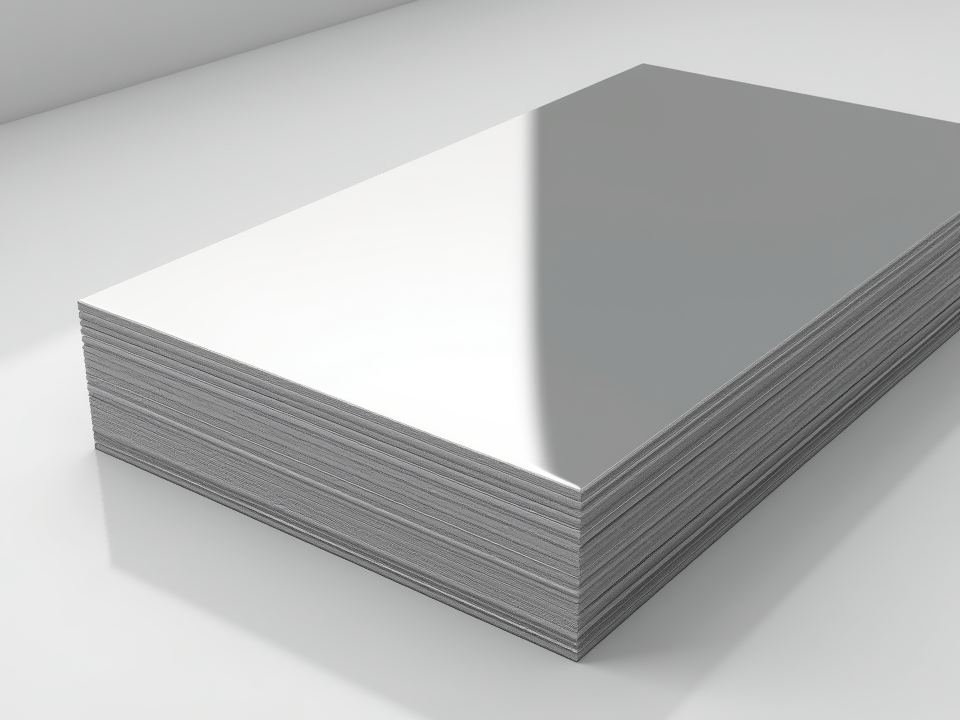
Ultra Clear Mirror Aluminum Plate
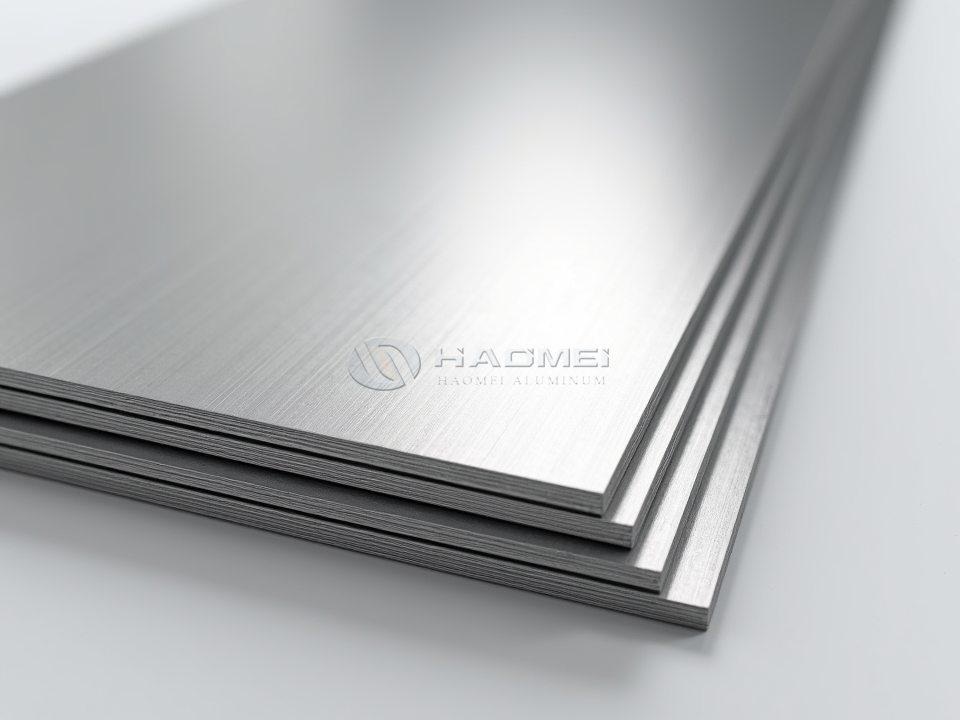
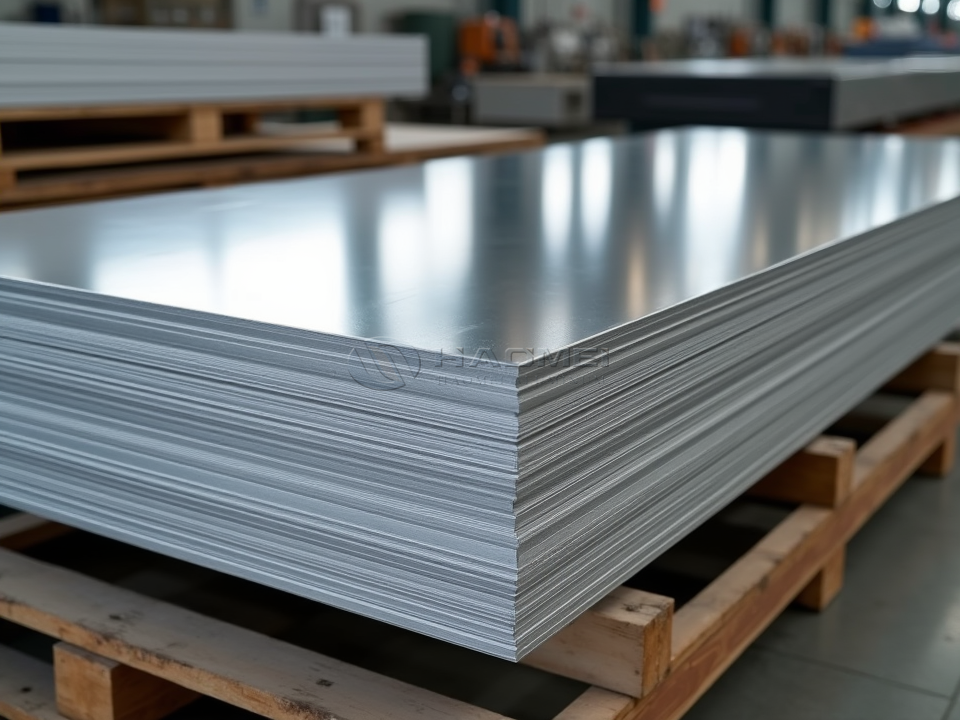
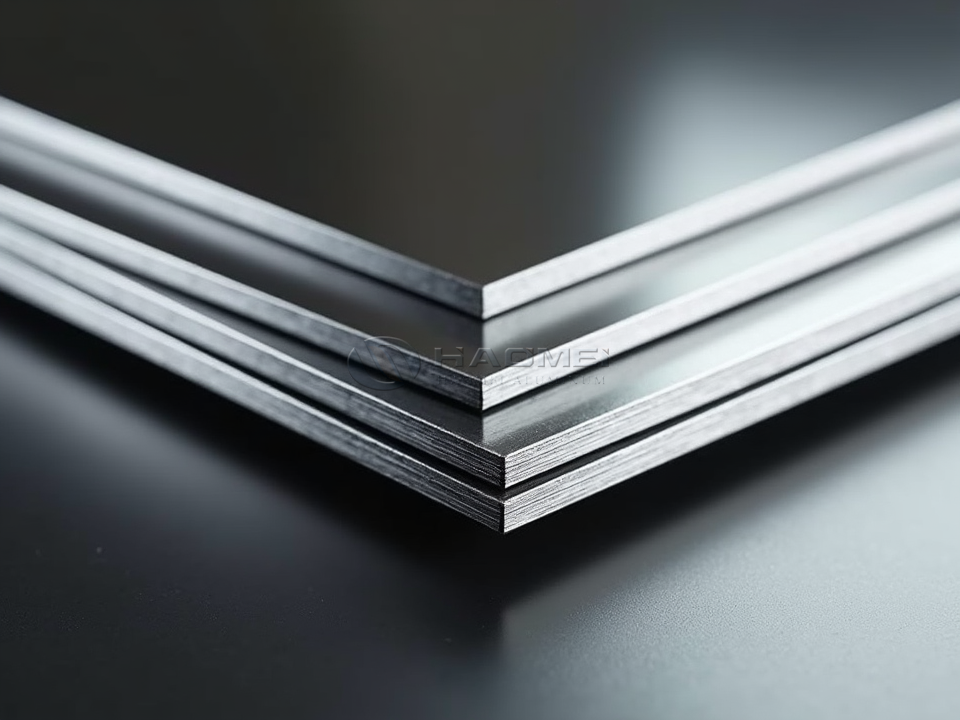
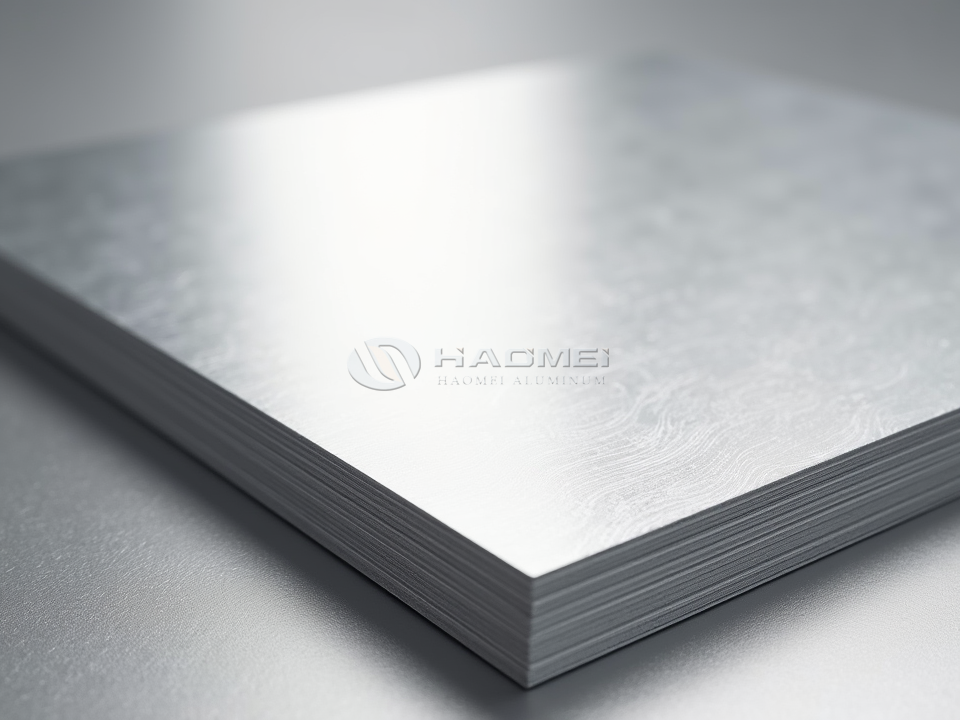
An ultra clear mirror aluminum plate is often selected for its bright, polished appearance. Yet its real value goes further than decoration. It is a lightweight light-management surface: it directs illumination, expands the apparent size of a room, sharpens visual contrast, and gives products a clean, contemporary face.
For buyers, the most useful way to assess this material is not to ask whether it looks like a mirror under showroom lighting. The better question is how consistently it will control light after cutting, bending, transport, cleaning, and years of use. A plate that appears flawless at first but develops waviness, scratches, or haze after fabrication can quickly lose its intended effect.
What Ultra Clear Really Means
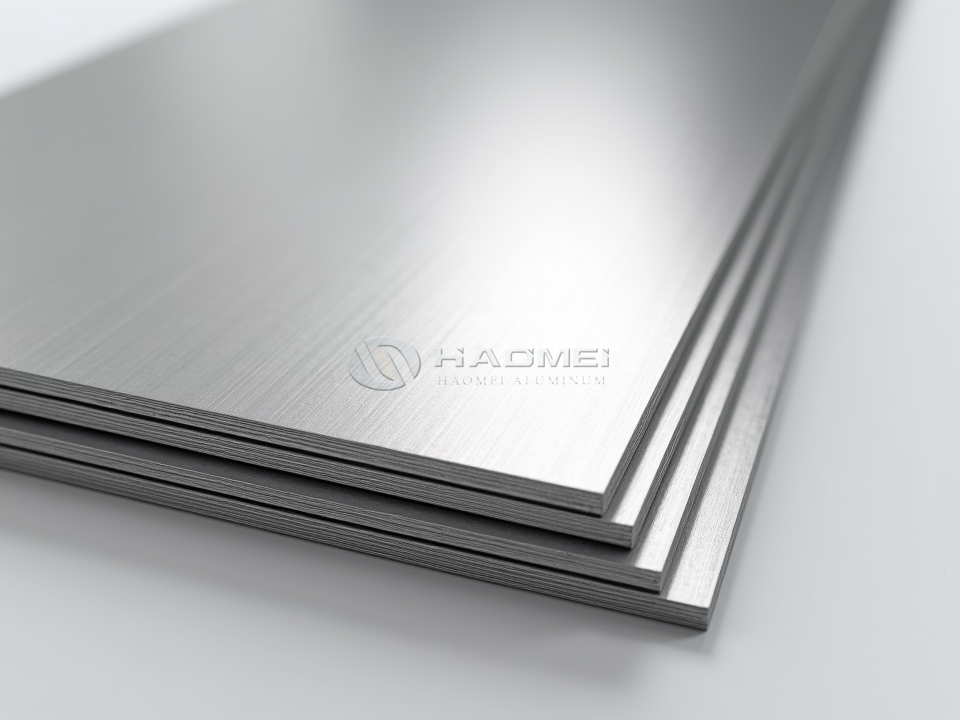
Ultra clear does not mean transparent aluminum. It describes a highly reflective mirror surface with low visual distortion, good brightness, and a clean silver-toned appearance. Compared with ordinary polished aluminum, an ultra clear mirror aluminum plate usually has a more refined rolling or polishing finish and a protective surface treatment that helps preserve reflectivity.
The visual result depends on several connected factors:
- Reflectivity determines how much light returns from the surface. Higher reflectivity is valuable in lighting equipment, display panels, and decorative interiors.
- Image definition describes how sharp the reflected image appears. A bright plate may still show a blurred reflection if the surface has micro-texture or minor waviness.
- Color neutrality affects whether the reflected light looks clean silver, warm, gray, or slightly blue. This matters when matching stainless steel, glass, white finishes, or LED lighting.
- Surface protection determines whether the plate can remain attractive through fabrication and daily maintenance.
A practical ultra clear plate should balance all four. Extremely bright material without reliable protection can be difficult to process. A durable coated surface with poor image clarity may not deliver the desired visual impact.
A Mirror Surface That Changes Space
In interior design, this material behaves less like a flat panel and more like a controlled source of visual depth. Installed on a ceiling feature, column wrap, elevator panel, retail fixture, or wall accent, it reflects surrounding colors and movement. The surface makes confined spaces feel more open without adding the weight and breakage risk of glass mirrors.
This effect is especially useful in commercial environments where lighting must work hard. Retail displays use reflective aluminum to multiply the perceived brightness of products. Hospitality spaces use it to create a crisp highlight around bar fronts, decorative trim, and ceiling details. Appliance and electronics panels benefit from a premium metallic appearance while remaining light enough for efficient assembly.
For lighting applications, a Mirror Aluminum Sheet can guide and distribute light efficiently when used in reflectors, luminaires, and daylight-related components. In these projects, reflectivity is not merely aesthetic. It can influence brightness uniformity, glare control, and energy use.
The Substrate Matters as Much as the Shine
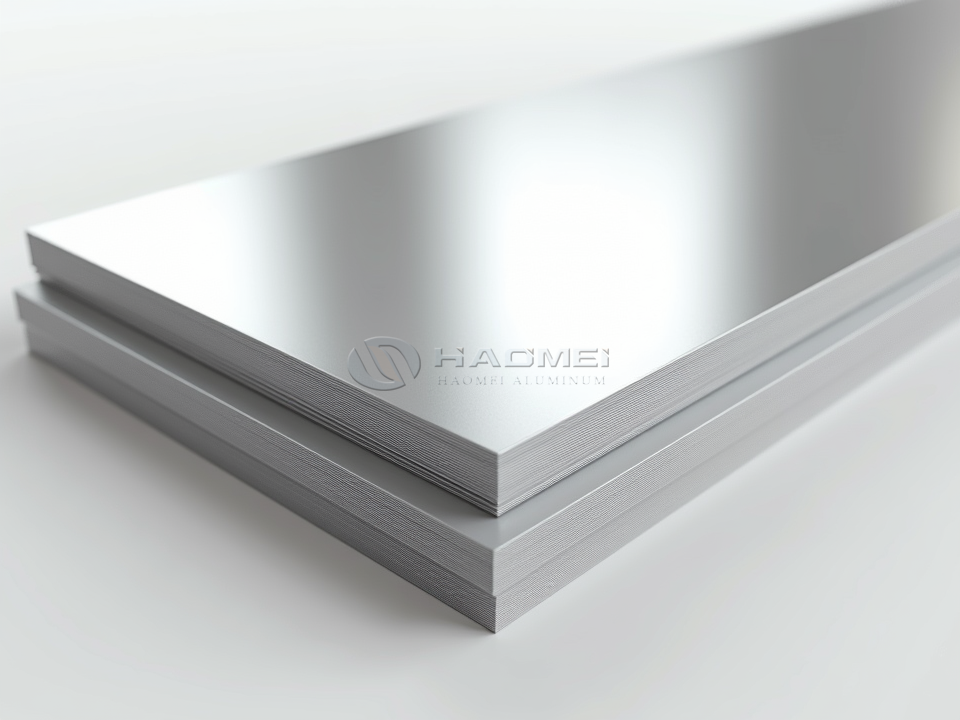
The mirror layer is only as stable as the aluminum beneath it. Common choices include high-purity aluminum grades such as 1060, 1070, and 1085, which offer excellent surface quality and reflectivity. Their softness makes them suitable for decorative panels and light reflectors, though careful handling is required.
Where greater strength or improved forming behavior is needed, the selection may shift toward an alloy designed for the application. Thickness also deserves close attention. Thin sheets can be economical and easy to form, but they may reveal uneven backing or distort visually if mounted without sufficient support. Thicker plate offers better rigidity, which is important for large wall panels, broad signage faces, and architectural surfaces viewed at close range.
Flatness is a frequently underestimated purchase requirement. A surface can be highly polished and still create a distorted reflection when the sheet has coil set, ripples, or local tension. For installations intended to reflect faces, product displays, or straight architectural lines, specify flatness expectations before production rather than relying only on a sample coupon.
Choosing Protection for the Real Environment
Bare mirror aluminum has an appealing metallic brightness, but its surface can oxidize, stain, or scratch more easily than protected material. A clear lacquer, anodized layer, or specialized coating can improve service life while preserving the mirror effect.
An Anodized Mirror Aluminum Sheet is often a sound choice for projects requiring better resistance to fingerprints, moisture, and ordinary cleaning. The anodized treatment becomes part of the aluminum surface rather than sitting only on top of it, giving the panel a more durable finish for many architectural and decorative uses.
The environment should guide the coating decision. Dry indoor displays may prioritize maximum brilliance. Kitchens, elevator interiors, public areas, and humid locations need stronger resistance to abrasion, cleaning chemicals, and hand contact. Exterior use demands a more cautious evaluation because UV exposure, airborne pollutants, thermal movement, and water trapping can affect both appearance and durability.
Protective film is also important, but it is temporary. It shields the plate during handling and installation; it cannot correct poor storage or careless fabrication. Film should be removed at an appropriate stage of installation. Leaving it in place for too long, particularly under heat or direct sunlight, can make removal difficult and may leave adhesive residue.
Fabrication: Preserve the Reflection During Processing
Mirror surfaces show every mistake. A small scratch that would disappear on brushed aluminum can be immediately visible on an ultra clear plate. Fabricators should use clean worktables, non-marking gloves, protective separators, and tooling suited to finished surfaces.
Laser cutting, shearing, punching, bending, and routing can all be used when the process is matched to thickness and coating type. Edges should be clean and free from burrs because rough edges reduce the premium appearance and can damage adjacent panels during assembly. For deep draws or tight bends, test pieces are advisable. Some mirror coatings can crack or lose uniformity if the bend radius is too tight.
Adhesive bonding requires special care. Solvents, plasticizers, or aggressive adhesives may affect coatings or leave visible marks through thin material. When mechanical fastening is required, consider the visual role of rivets, screws, trims, and gaskets early in the design. A well-chosen fixing system supports the sheet evenly and avoids point loads that create visible distortion.
Inspection Should Be Done From the Intended Viewing Distance
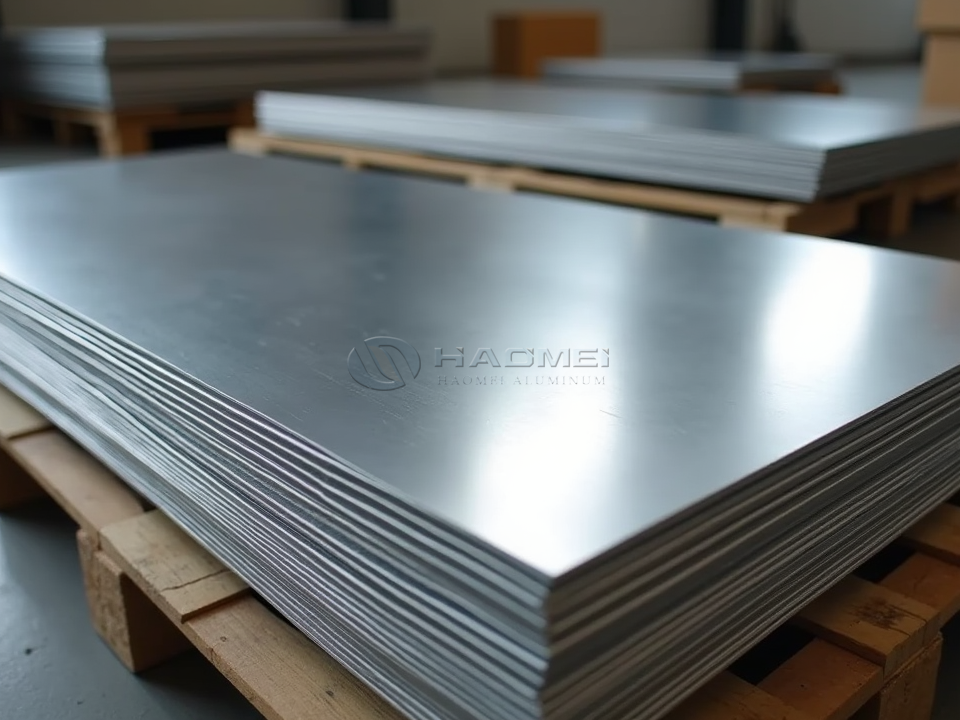
A mirror panel should not be judged only under direct factory lighting. The best inspection method reflects how people will actually see it. Examine the surface from normal viewing distance, at different angles, and under lighting close to the final installation conditions.
Look for scratches, pinholes, roller marks, coating streaks, color variation, and protective-film defects. For architectural panels, place a straight visual reference near the sheet to reveal distortion. For lighting reflectors, evaluate brightness distribution rather than appearance alone. For decorative projects, compare samples against nearby materials such as glass, paint, wood grain, and stainless steel.
A clear specification can prevent disagreement later. It should identify alloy, temper, thickness, dimensions, finish type, coating requirement, protective film, permitted surface tolerance, and inspection conditions. When a project demands color consistency across multiple panels, all visible panels should ideally come from the same production batch.
Care That Keeps the Surface Bright
Maintenance is simple but should be gentle. Remove dust with a soft microfiber cloth. For fingerprints or light soil, use clean water or a mild neutral cleaner, then dry the surface with a soft cloth to avoid water marks. Avoid abrasive pads, strong alkaline products, chlorine-containing cleaners, and rough paper materials.
Ultra clear mirror aluminum plate rewards thoughtful selection. Its polished face can make a compact retail display feel brighter, a lighting fixture perform more efficiently, or an interior detail appear far more refined than its low weight suggests. When reflectivity, flatness, protection, and fabrication practice are considered together, the material becomes a dependable design tool rather than a surface chosen only for shine.