Black Mirror Aluminum Sheet Wholesale
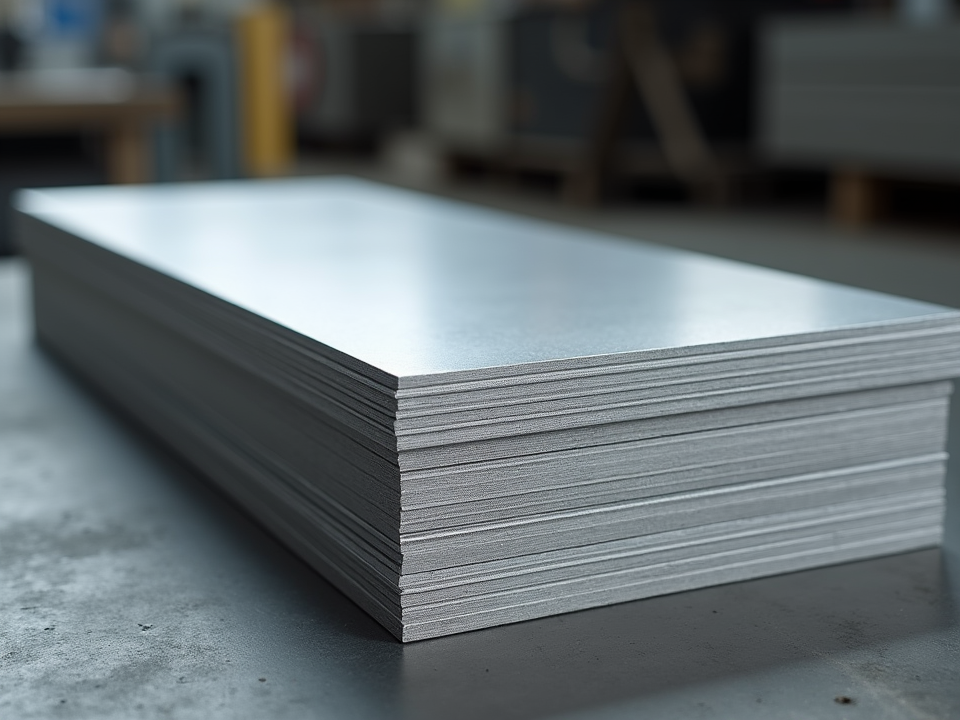
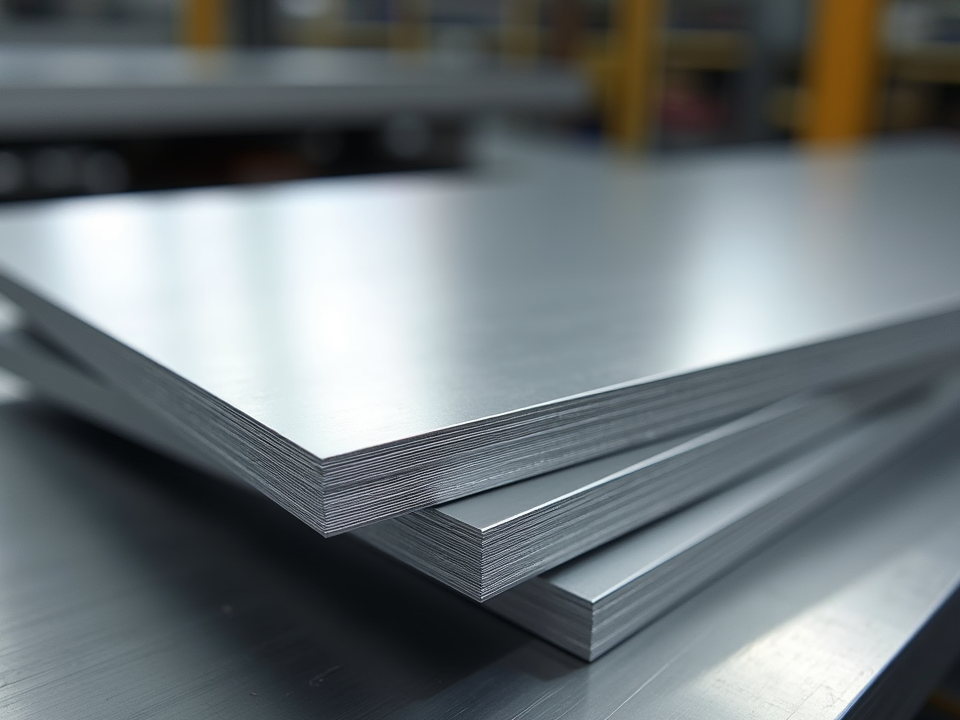
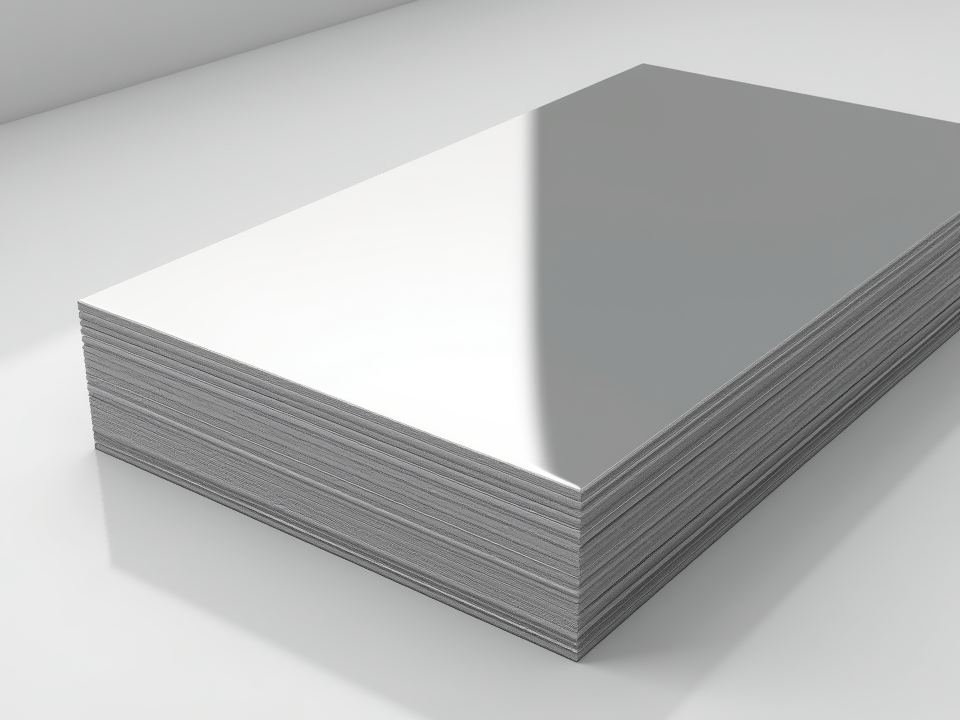
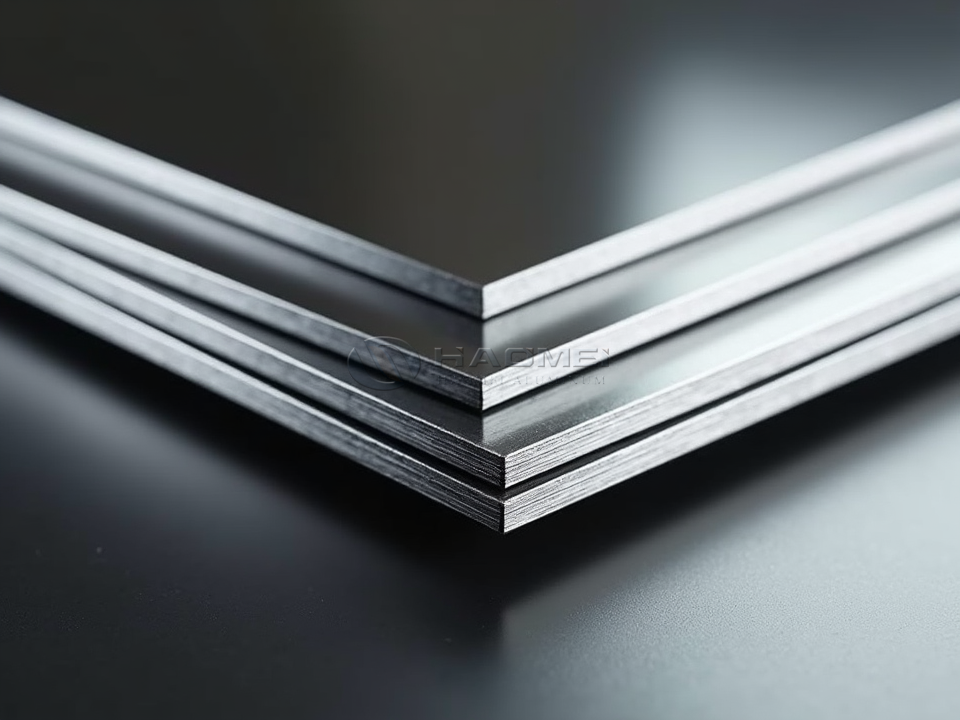
Black mirror aluminum sheet is not simply aluminum painted black. Its value comes from the contrast between a deep black visual tone and a smooth, mirror-like surface that reflects surrounding light, shapes, and movement. This combination gives designers a material that feels darker than ordinary anodized aluminum yet more dynamic than matte black panels.
For black mirror aluminum sheet wholesale projects, Haomei Aluminum CO., LTD., Inc. can supply coil or sheet material selected around the final fabrication method, installation environment, and required visual consistency. The material is widely used in decorative ceilings, wall cladding, elevator panels, display fixtures, lighting components, appliance trims, signage, and interior commercial spaces.
Why the Black Mirror Finish Performs Differently
A conventional black sheet absorbs light and minimizes reflection. A black mirror aluminum sheet does something more sophisticated: its coated or anodized surface retains controlled specular reflection. In practical terms, it can make ceilings appear higher, retail displays more layered, and interior spaces more dramatic without relying on glass.
The reflective image is influenced by several interacting details:
- Base aluminum flatness and surface cleanliness
- Bright-rolled or polished substrate quality
- Black coating transparency, pigment level, and film thickness
- Protective lacquer or anodic layer performance
- Handling methods during slitting, bending, and installation
A very dark coating can reduce reflectivity, while a thin black translucent layer may preserve more of the metallic mirror effect. Therefore, a purchasing decision should not rely on color alone. Samples should be assessed under the actual project lighting, especially for hotel lobbies, stores, airports, and illuminated ceilings.
For projects requiring a broader range of reflective finishes, Colored Mirror Aluminum Sheet can provide black, gold, bronze, champagne, and other visual options using comparable decorative processing routes.
Common Alloys and Their Practical Roles
The mirror surface receives attention first, but the alloy determines how the sheet behaves after it leaves the protective film. High-purity 1xxx alloys are favored where brightness, forming ability, and light weight matter most. Alloy 3003 is often selected when a project needs slightly improved strength and better resistance to deformation in large panels.
| Alloy | Aluminum Content | Typical Strength Character | Suitable Uses |
|---|---|---|---|
| 1050 | 99.50% min. | Soft, highly formable | Indoor decorative panels, reflectors, trims |
| 1060 | 99.60% min. | Excellent brightness and workability | Ceilings, signage, lighting, appliance decoration |
| 1070 | 99.70% min. | High purity and good reflectivity | High-grade decorative and optical-facing surfaces |
| 3003 | Balance aluminum | Higher strength through manganese addition | Wall panels, larger fabricated components, transport interiors |
For highly reflective decorative production, 1060 Mirror Aluminum Sheet remains a frequent wholesale choice because it combines stable processing with a clean reflective substrate.
Chemical Properties of Typical Wholesale Grades
The table shows common composition limits by weight percentage. Actual values may vary according to the applicable mill specification, regional standard, and material test certificate.
| Alloy | Si + Fe | Cu | Mn | Mg | Zn | Ti | Al |
|---|---|---|---|---|---|---|---|
| 1050 | 0.40 max. | 0.05 max. | 0.05 max. | 0.05 max. | 0.05 max. | 0.03 max. | 99.50 min. |
| 1060 | 0.35 max. | 0.05 max. | 0.03 max. | 0.03 max. | 0.05 max. | 0.03 max. | 99.60 min. |
| 1070 | 0.20 max. | 0.04 max. | 0.03 max. | 0.03 max. | 0.04 max. | 0.03 max. | 99.70 min. |
| 3003 | 0.60 max. | 0.05-0.20 | 1.00-1.50 | 0.05 max. | 0.10 max. | 0.10 max. | Balance |
The low alloying content in 1050, 1060, and 1070 helps these grades maintain their bright appearance after rolling and polishing. In contrast, manganese in 3003 supports greater mechanical stability, which is useful for wider sheets or panels that must remain flat over a framework.
Temper, Thickness, and Supply Parameters
Black mirror aluminum sheet is normally supplied in O, H14, H16, H18, H22, H24, or H26 temper, depending on bending requirements and rigidity targets. Soft O temper works well for deep drawing and complex press work. H14 is a practical balance for decorative panels that need moderate forming capability. H18 provides a harder surface and better stiffness but should be used carefully where sharp folding radii are required.
Common wholesale parameters include:
| Parameter | Typical Range |
|---|---|
| Thickness | 0.20 mm to 3.00 mm |
| Sheet width | 500 mm to 1,500 mm |
| Coil width | 20 mm to 1,500 mm |
| Sheet length | Custom cut length, commonly 1,000 mm to 6,000 mm |
| Surface finish | Polished, bright mirror, black coated, black anodized, lacquered |
| Protection | PE film, laser film, paper interleaf, export-grade packaging |
| Reflectivity | Dependent on substrate, coating system, color density, and viewing angle |
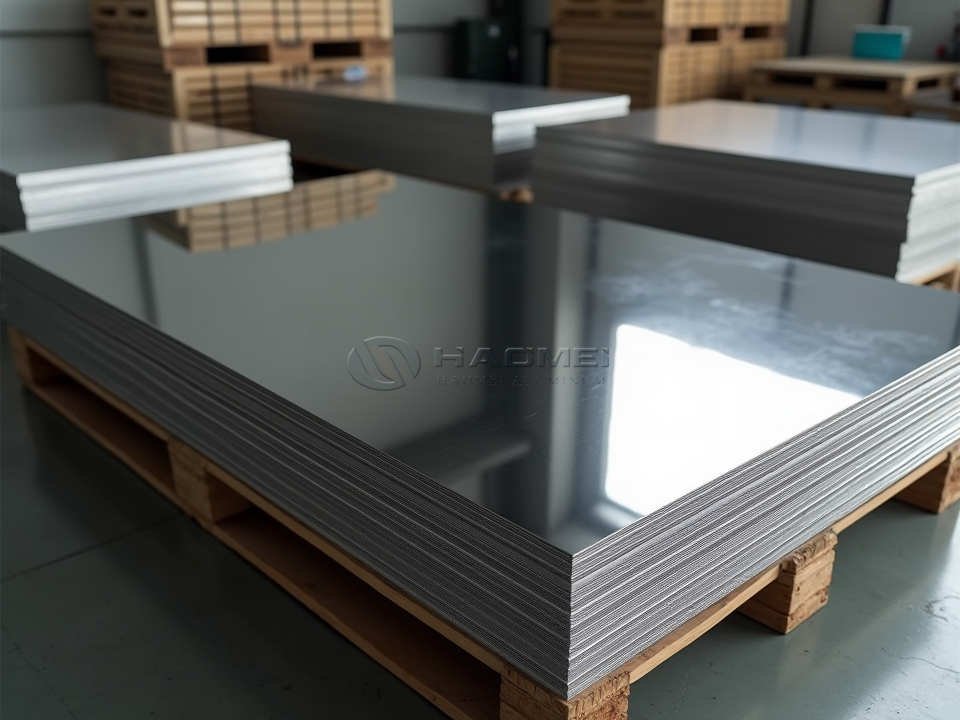
Thickness should be matched to the panel design rather than chosen only by price. A 0.40 mm decorative ceiling tile may perform well with close support spacing, while a 1.00 mm to 2.00 mm wall panel may be more appropriate for wide-format cladding or routed cassette fabrication. For long panels, thermal movement and frame design also deserve consideration because aluminum expands more than steel when temperatures change.
Coating Construction and Surface Protection
Black mirror finishes are generally produced through color coating, anodizing, vacuum deposition, or layered decorative treatments. Coil-coated products commonly use polyester, high-durability polyester, PVDF, or clear protective lacquer systems. Interior applications often prioritize gloss and color uniformity, while exterior-facing projects require stronger UV resistance, adhesion, humidity resistance, and salt-spray performance.
Relevant implementation standards may include ASTM B209 for aluminum alloy sheet and plate, EN 485 for wrought aluminum sheet properties and tolerances, GB/T 3880 for aluminum sheets and strips, and EN 1396 for coil-coated aluminum products. Where architectural coating durability is specified, AAMA 2603, AAMA 2604, or AAMA 2605 requirements may be referenced according to the coating system and service conditions.
A black mirror surface should remain covered with protective film through cutting, bending, and dry installation. Abrasive dust, alkaline cement residue, sharp tools, and direct contact with unprotected steel can damage the visual layer. For cleaning, use a soft microfiber cloth with water or a neutral cleaner. Strong solvents and rough scouring pads can dull the gloss or attack the coating.
Applications Built Around Reflection Control
Black mirror aluminum sheet wholesale is especially effective where visual depth matters as much as material durability. In suspended ceilings, the dark reflection can conceal services while echoing lighting patterns. In retail fixtures, it creates a premium background for bright merchandise. Elevator cabins use it to add depth without the weight and breakage risk associated with glass mirrors.
Other suitable applications include decorative wall strips, furniture edging, speaker housings, electronic appliance fronts, display cabinets, exhibition booths, lighting reflectors, automotive interior accents, and sign backboards. The lightweight nature of aluminum also reduces handling effort during fabrication and installation.
For dependable procurement, specify the alloy, temper, thickness tolerance, black tone, gloss expectation, protective film type, sheet size, coating requirement, and intended environment at the quotation stage. This turns black mirror aluminum from a visually attractive sheet into a controlled component that performs consistently from warehouse delivery to final installation.