Laminated Mirror Aluminum Sheet
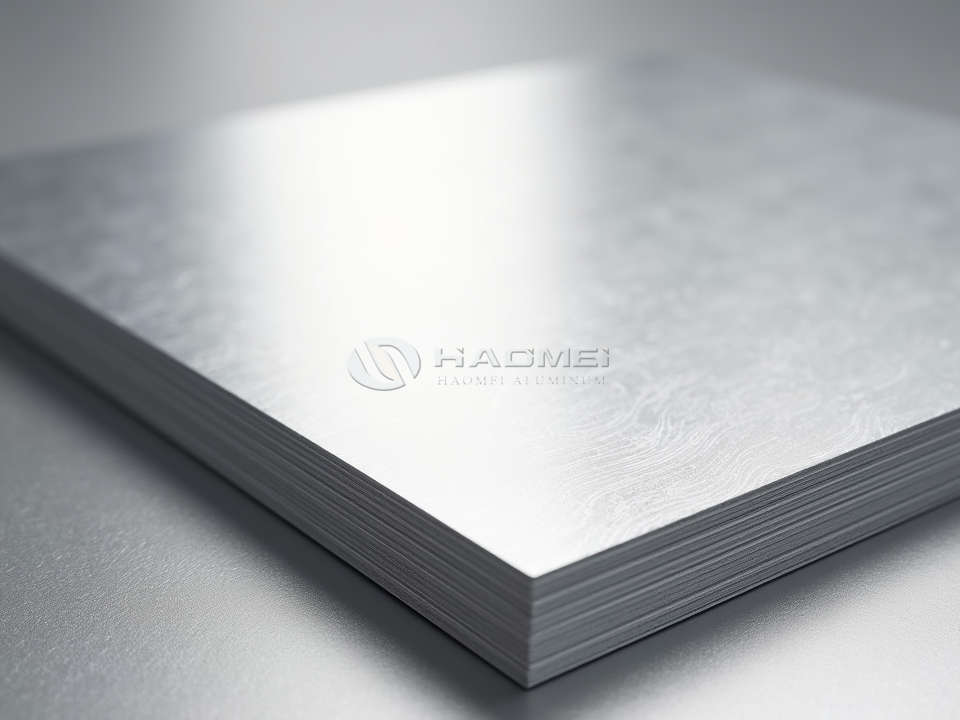
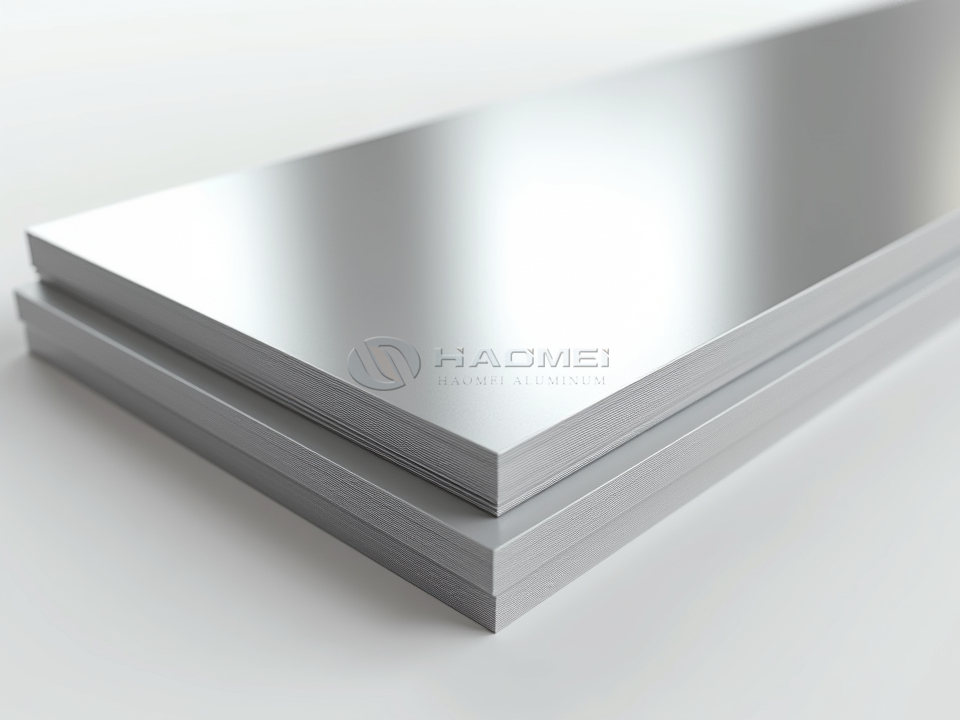
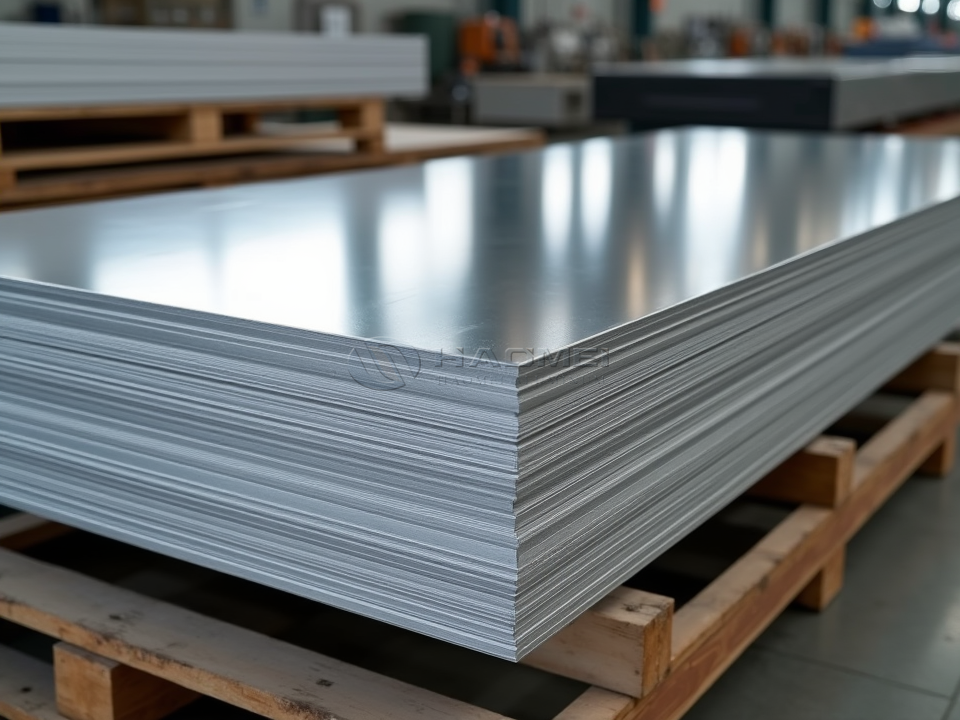
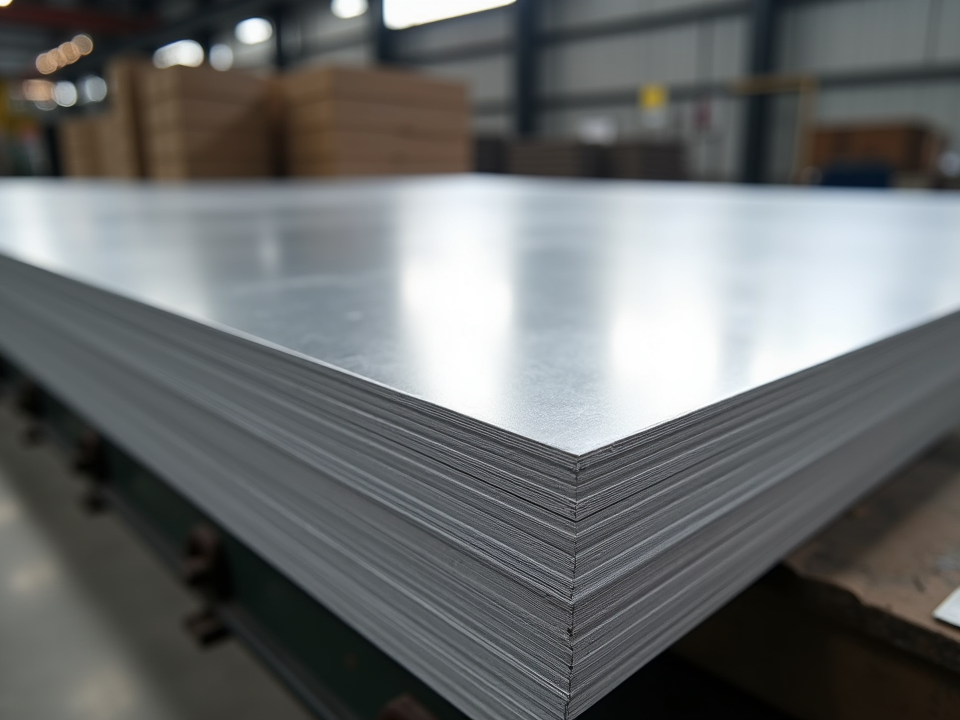
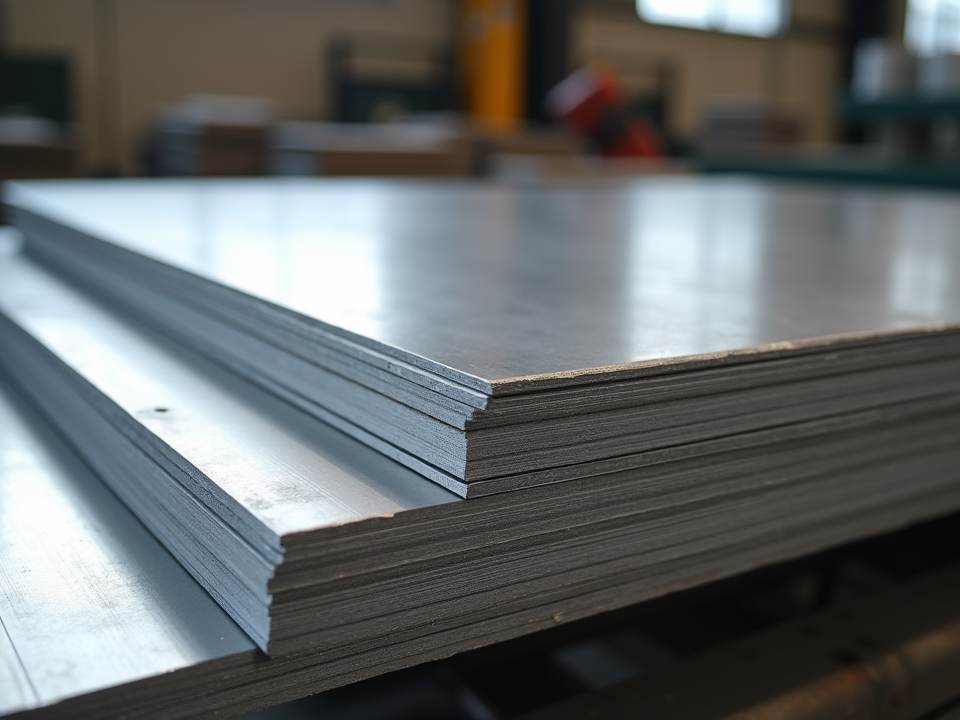
Laminated mirror aluminum sheet combines the visual brightness of polished aluminum with a protective polymer layer designed to preserve the reflective finish during fabrication, transport, installation, and daily use. It offers a lightweight alternative to glass mirrors and stainless steel decorative panels while providing excellent formability, corrosion resistance, and modern metallic appeal.
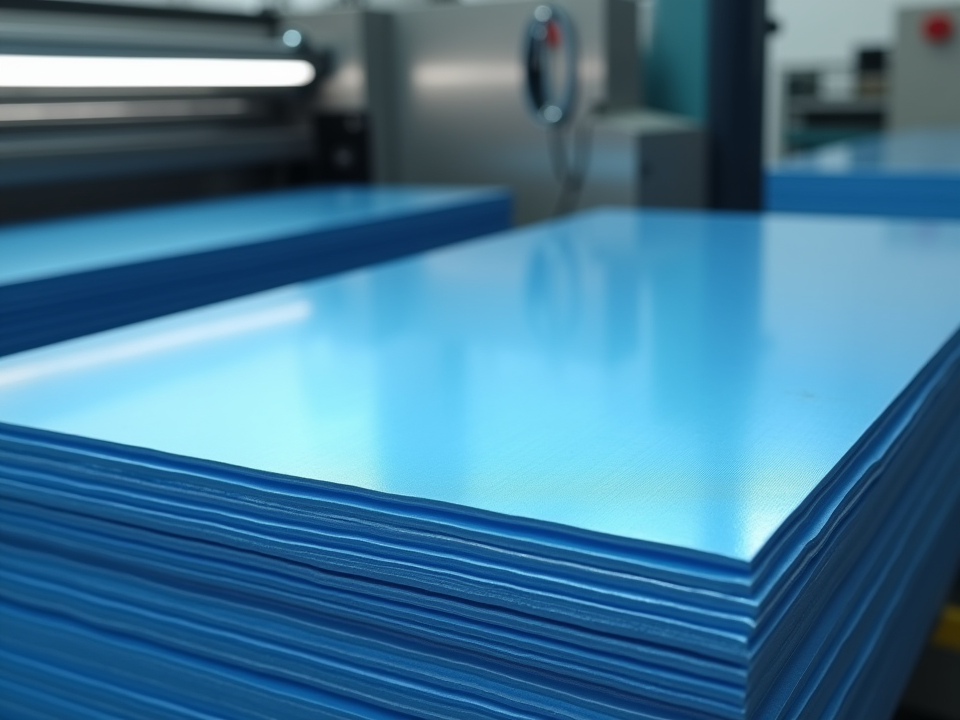
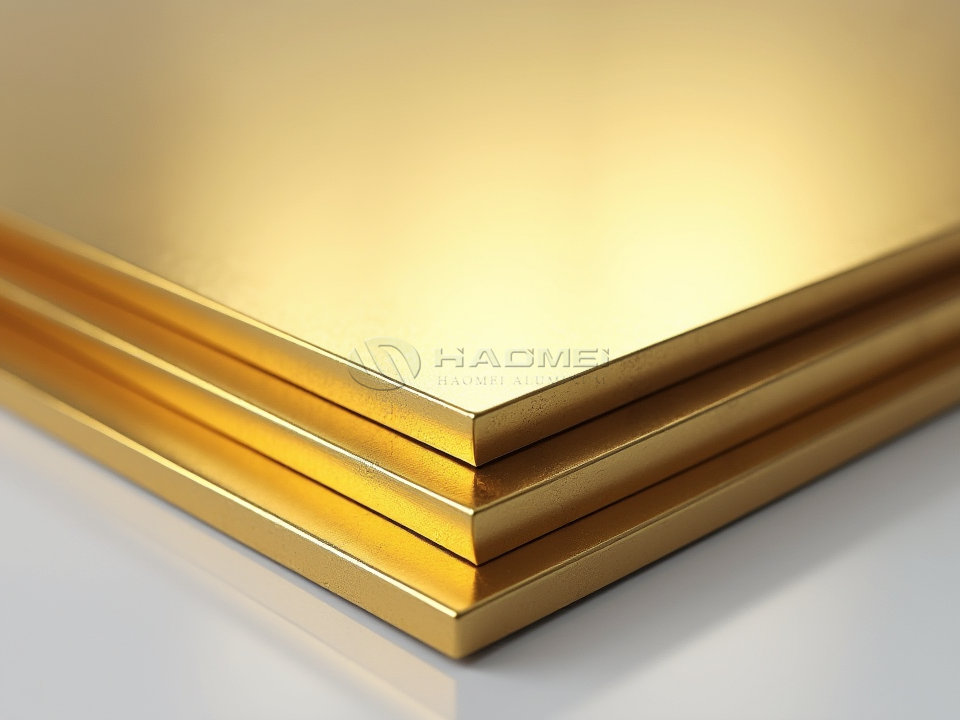
The material is commonly produced from high-purity aluminum alloys such as 1060, 1070, or 1085. After precision rolling and polishing, the aluminum surface receives a mirror treatment and is laminated with a transparent PET, PVC, or specialty protective film. Depending on the requested finish, the surface can present silver, gold, black, colored, brushed-mirror, or embossed visual effects.
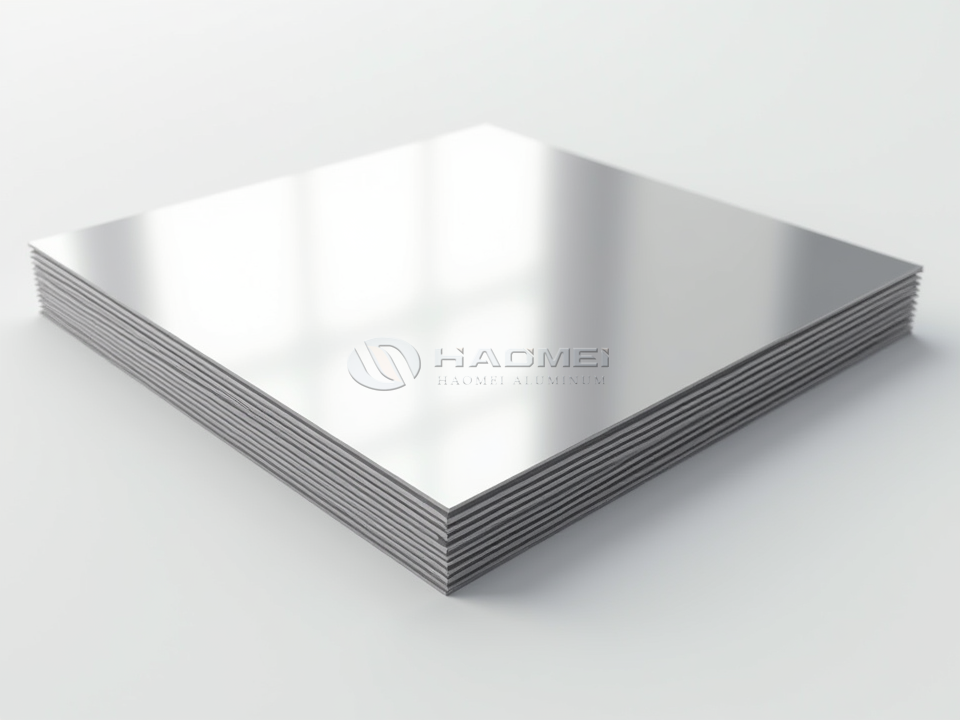
Material Structure and Surface Design
The laminated construction protects the highly reflective aluminum face from fingerprints, light abrasion, handling marks, moisture exposure, and dust during downstream processing. The film may remain on the sheet through cutting, bending, stamping, or panel assembly, then be removed after installation when temporary protection is required. For permanent decorative applications, a bonded transparent laminate can also remain in place as part of the finished surface system.
| Layer | Typical Material | Function |
|---|---|---|
| Protective surface film | PET, PVC, PE, or specialty transparent film | Protects the mirror face from scratches and handling damage |
| Adhesive layer | Pressure-sensitive or heat-activated adhesive | Creates stable film-to-aluminum bonding |
| Mirror aluminum substrate | 1060, 1070, 1085, 3003, or specified alloy | Provides reflectivity, formability, and low weight |
| Back surface | Mill finish, coated finish, or protective coating | Supports handling and optional corrosion protection |
For projects that need an untreated reflective base, Mirror Aluminum Sheet is also available in polished and coated formats without a permanent laminated surface layer.
Technical Specifications
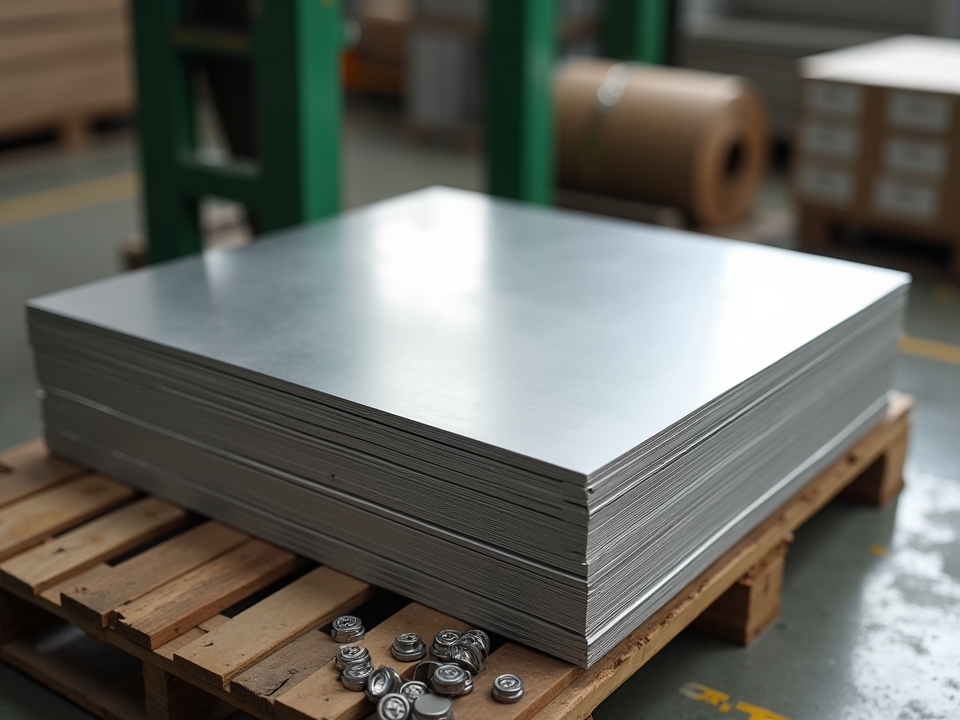
Laminated mirror aluminum sheet can be supplied as sheets, coils, strips, blanks, or custom-cut panels. Dimensional capability depends on alloy, thickness, surface treatment, and laminating equipment.
| Parameter | Typical Range | Notes |
|---|---|---|
| Alloy options | 1060, 1070, 1085, 3003 | High-purity grades offer brighter reflectivity; 3003 provides added strength |
| Thickness | 0.20-3.00 mm | Thicker gauges are available for selected panel projects |
| Standard width | 500-1,600 mm | Coil width can be slit to customer requirements |
| Standard sheet length | 1,000-6,000 mm | Cut-to-length service available |
| Surface reflectivity | 80%-95% | Varies with polishing grade, color, and film type |
| Lamination film thickness | 20-100 μm | Selected according to protection level and end use |
| Surface color | Silver, gold, black, bronze, blue, custom colors | Color consistency should be confirmed by sample |
| Temper | O, H14, H16, H18, H24 | Chosen according to bending and strength requirements |
| Surface protection | Single-side or double-side film | Temporary or permanent film systems available |
Chemical Composition of 1060 Base Aluminum
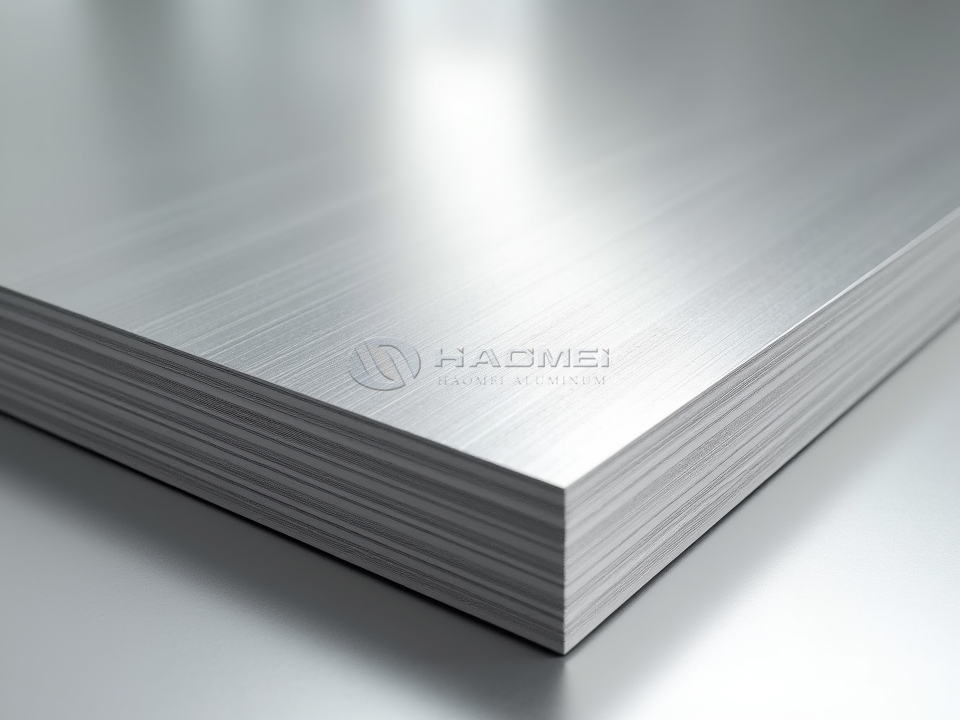
1060 aluminum is widely used for laminated mirror products because of its excellent brightness, softness, forming behavior, and corrosion resistance. The composition values shown are typical limits for AA 1060 aluminum.
| Element | Content, % by Weight |
|---|---|
| Aluminum, Al | 99.60 min |
| Silicon, Si | 0.25 max |
| Iron, Fe | 0.35 max |
| Copper, Cu | 0.05 max |
| Manganese, Mn | 0.03 max |
| Magnesium, Mg | 0.03 max |
| Zinc, Zn | 0.05 max |
| Titanium, Ti | 0.03 max |
| Other elements, total | 0.03 max |
Mechanical and Functional Performance
The aluminum substrate remains light and easy to process, while the laminate acts as a protective barrier for the mirror surface. This combination is especially valuable when reflective panels must pass through multiple fabrication stages before reaching a finished installation.
| Property | Typical 1060-H18 Value | Customer Benefit |
|---|---|---|
| Tensile strength | 95-125 MPa | Suitable rigidity for decorative panels and reflector parts |
| Yield strength | 75 MPa min | Reliable shape retention after forming |
| Elongation | 2%-8% | Can be selected for bending or shallow drawing needs |
| Density | 2.70 g/cm³ | Much lighter than glass and many steel-based mirror panels |
| Thermal conductivity | Approx. 230 W/m·K | Helps disperse heat in lighting and equipment housings |
| Corrosion resistance | Good in normal indoor environments | Supports long service life with proper edge protection |
| Formability | Good to excellent | Compatible with cutting, bending, stamping, and roll forming |
Reflectivity is influenced by surface smoothness, oxide condition, laminate clarity, and ambient lighting. For lighting products, sign faces, or optical decorative elements, material samples should be evaluated under actual installation conditions. If improved abrasion resistance and enhanced surface durability are required, an Anodized Mirror Aluminum Sheet may be selected for demanding environments.
Common Applications
Laminated mirror aluminum sheet brings brightness to spaces without the weight, breakage risk, or complex installation associated with glass. Its clean reflective face can visually enlarge compact interiors and create high-value decorative accents.
| Application Area | Typical Use |
|---|---|
| Interior decoration | Ceiling panels, wall cladding, columns, partitions, elevator interiors |
| Commercial display | Retail fixtures, exhibition stands, point-of-sale panels, product displays |
| Lighting equipment | Reflectors, lamp housings, LED fixtures, decorative lighting components |
| Signage and advertising | Sign faces, channel letters, decorative logos, display boards |
| Home appliances | Cooker hoods, appliance trims, control surrounds, furniture accents |
| Transportation interiors | Bus, rail, caravan, and marine decorative components |
| Packaging and consumer goods | Cosmetic cases, gift boxes, premium product trims |
Fabrication and Installation Considerations
Clean handling is essential because mirror surfaces reveal even minor marks. Protective gloves, padded worktables, clean cutting tools, and separated stacking layers help maintain appearance quality. When the film is temporary, it should be removed slowly at a moderate temperature after installation to reduce adhesive residue risk.
| Process | Recommended Practice |
|---|---|
| Cutting | Use sharp shears, CNC routing, laser settings, or saw blades suited to aluminum |
| Bending | Select temper and bend radius according to thickness and required geometry |
| Adhesive bonding | Use neutral, aluminum-compatible adhesives that do not stain the surface |
| Mechanical fixing | Use washers, concealed fasteners, or trim systems to avoid local distortion |
| Cleaning | Use soft cloths with mild neutral cleaners; avoid abrasive pads and strong solvents |
| Storage | Keep dry, covered, and away from condensation, cement dust, and corrosive chemicals |
Value for Decorative and Industrial Buyers
Laminated mirror aluminum sheet delivers a practical balance of polished appearance, low mass, processing flexibility, and surface security. The material reduces scrap caused by handling damage, supports efficient fabrication, and creates reflective finishes that are suitable for both functional and decorative products.
When specifying the product, customers should confirm alloy, temper, thickness, reflectivity target, color, film type, panel dimensions, and intended processing method. A sample approval process is recommended for projects involving color matching, high-visibility interiors, lighting reflection, or complex formed parts.