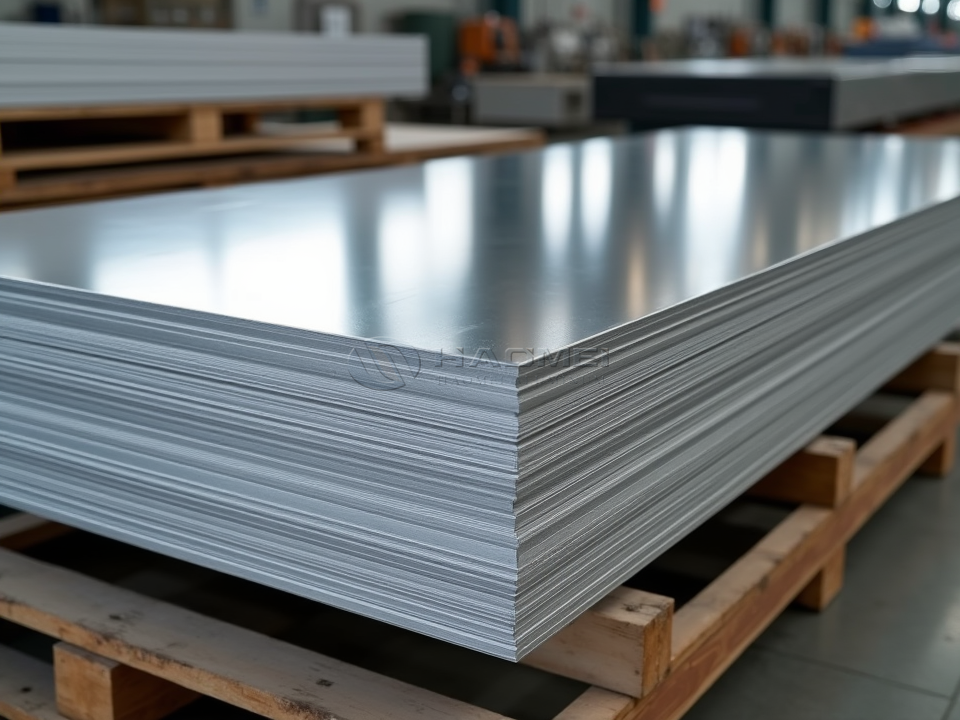
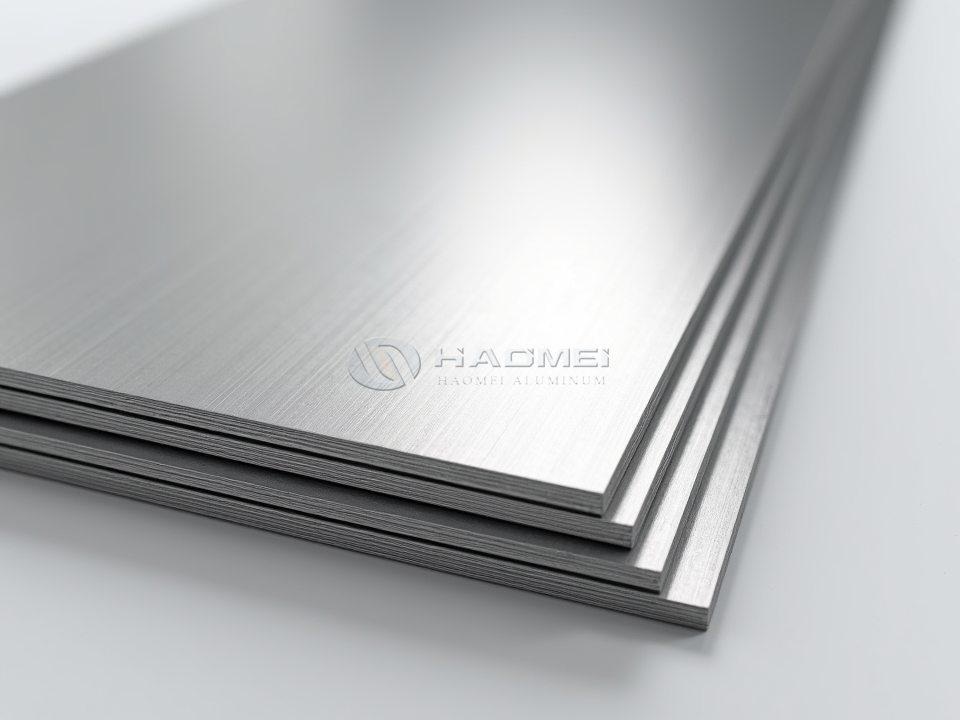
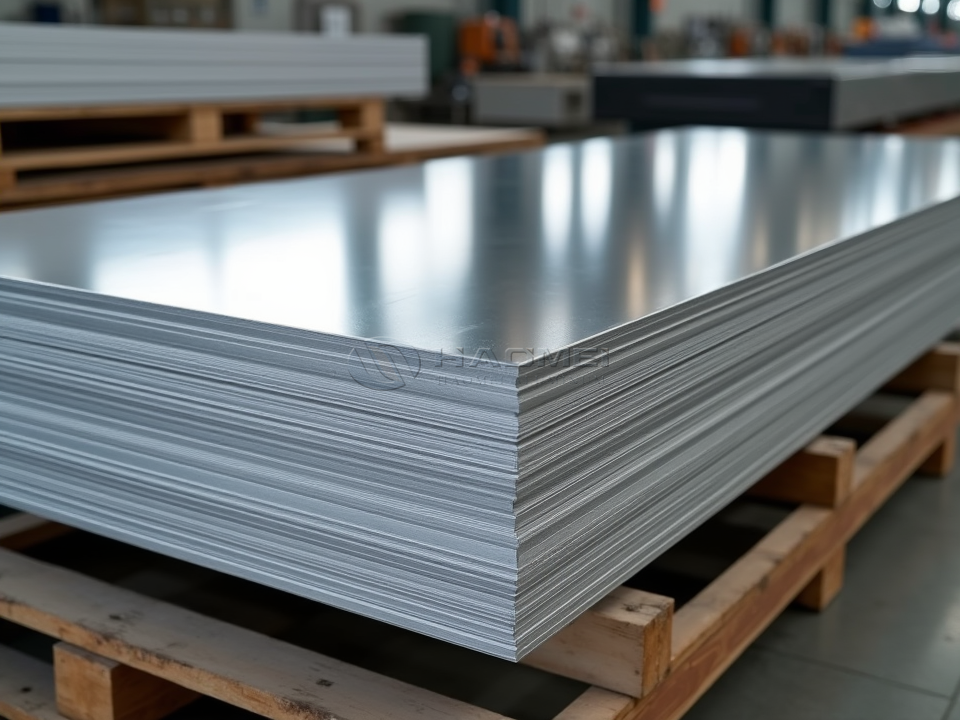
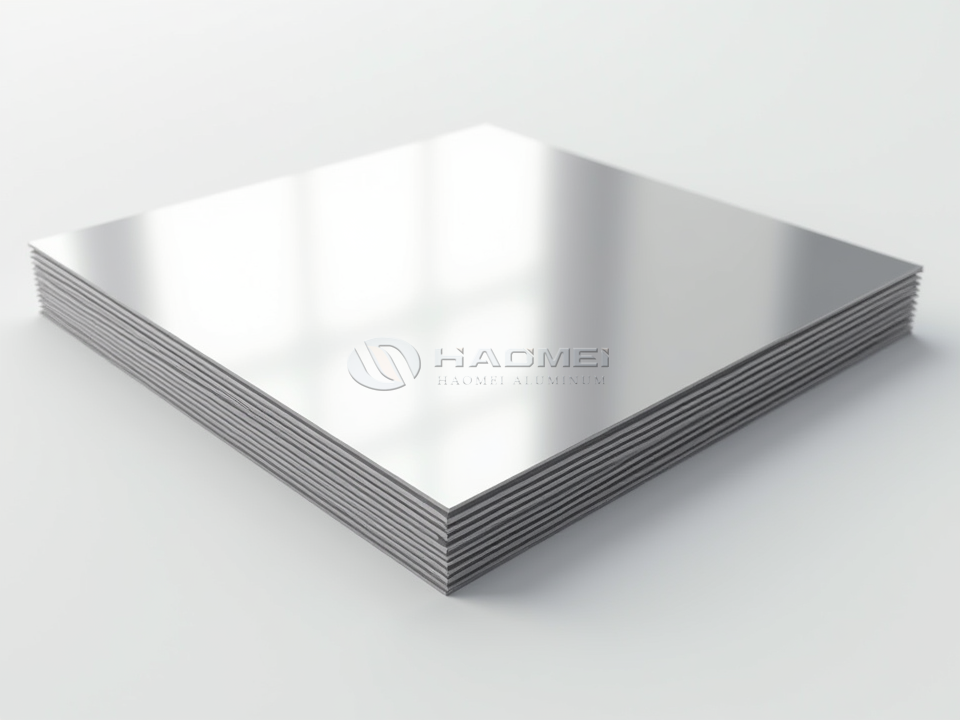
Solar Reflective Aluminum Mirror Plate
A Surface That Directs Energy Instead of Absorbing It
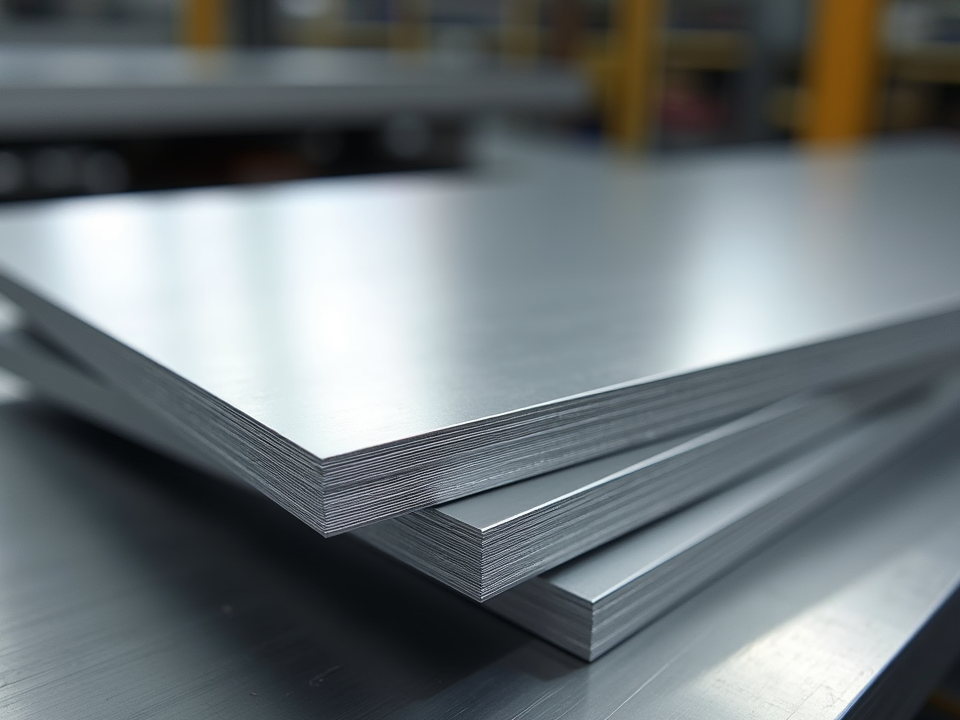
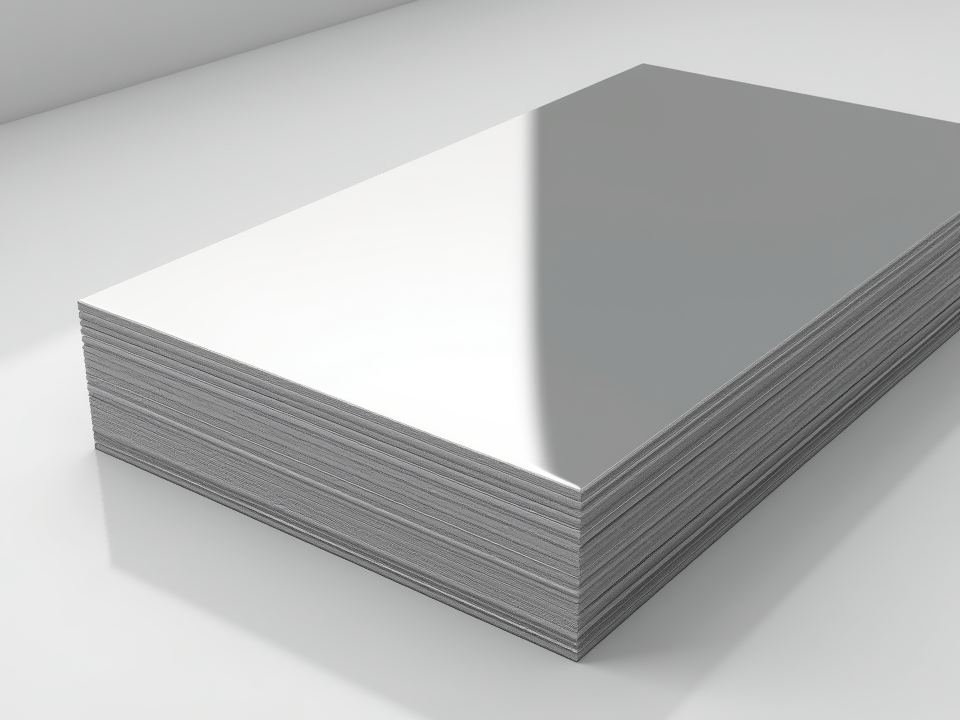
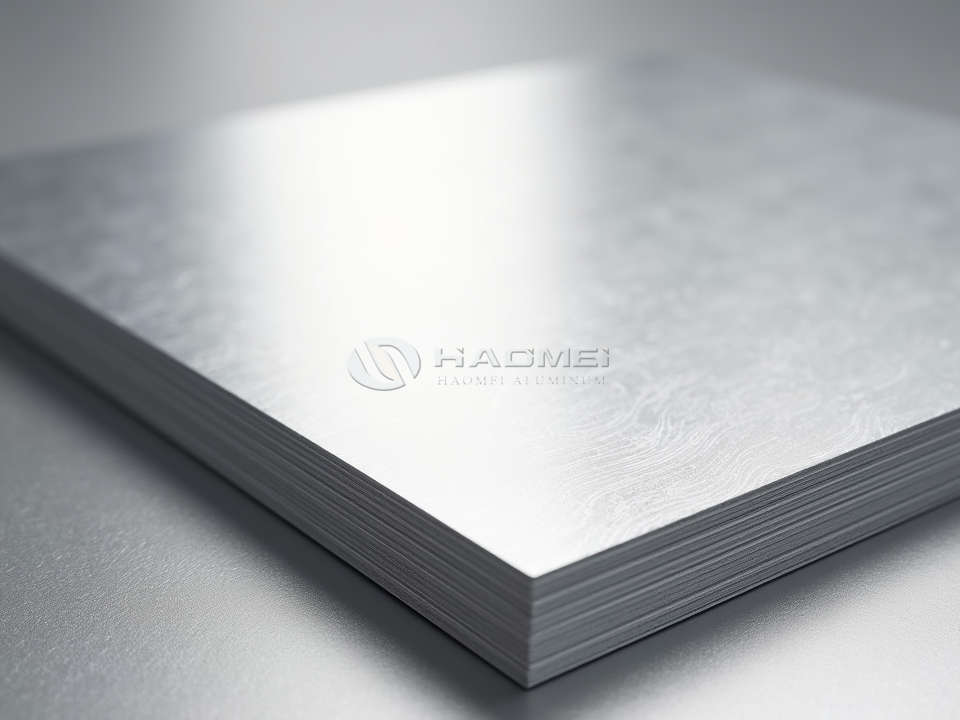
A solar reflective aluminum mirror plate is not simply a bright decorative sheet. Its polished or coated surface is engineered to control sunlight: reflecting radiation away from a building envelope, redirecting daylight into interiors, or concentrating solar energy onto a thermal receiver. In this role, surface quality becomes an energy-management feature.
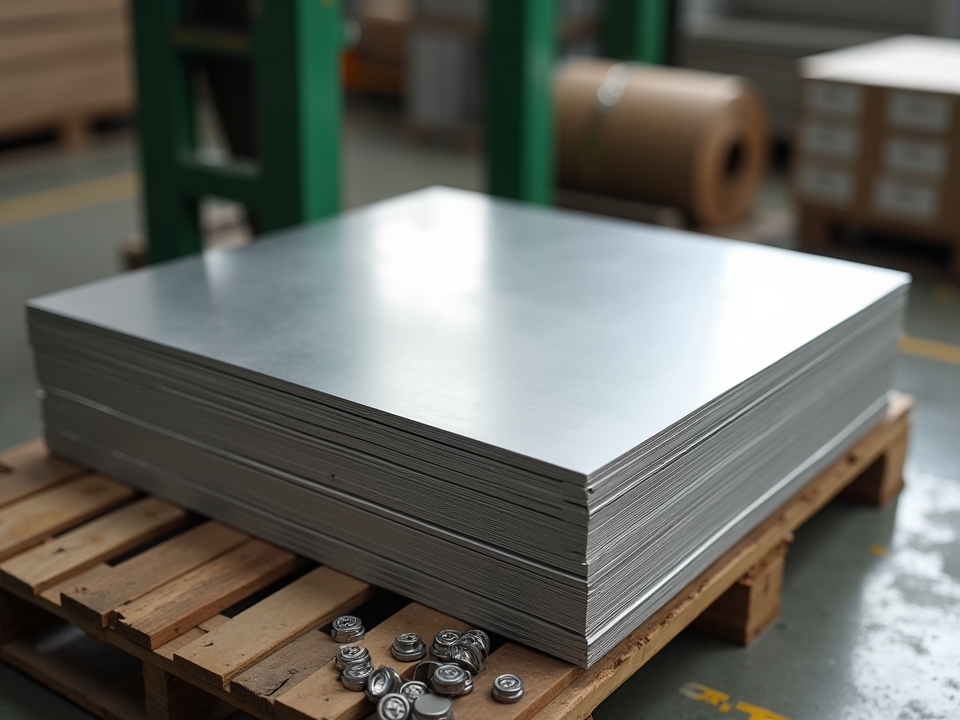
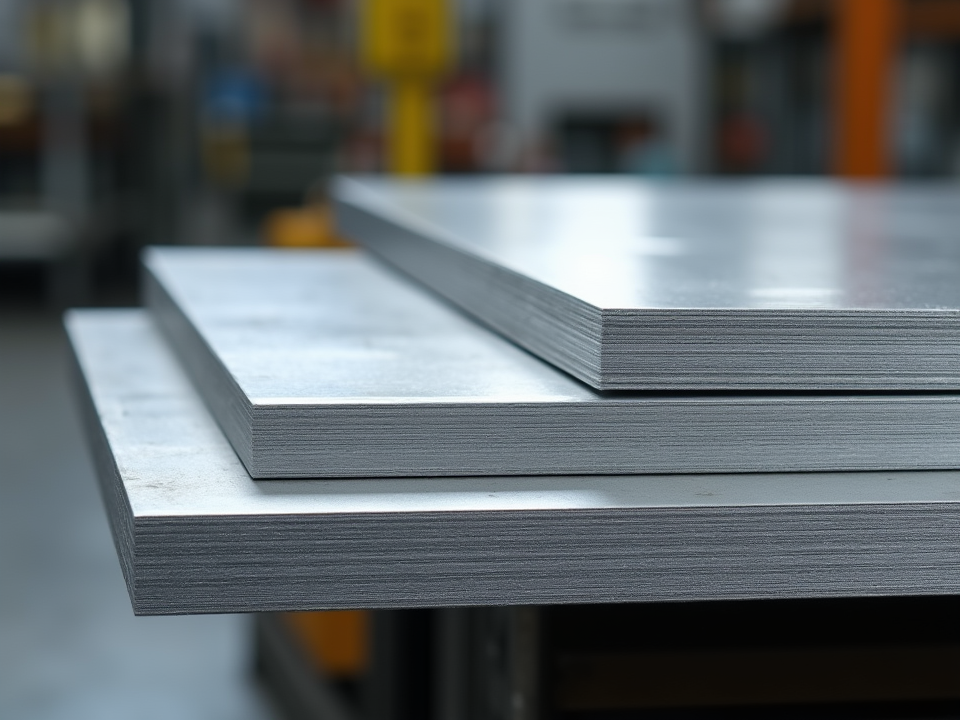
Compared with glass mirrors, aluminum mirror plate is light, impact-resistant, easy to cut, and suitable for large-format fabrication. It can be bent into curved reflector profiles, laminated to supporting panels, stamped for lighting components, or installed as a durable exterior-facing surface. The material is especially useful where weight reduction, formability, corrosion resistance, and high reflectance must work together.
Solar Reflection Has Two Different Jobs
The term solar reflective can describe two quite different design goals. Understanding this distinction helps buyers specify the correct aluminum mirror surface.
For cool roofs, façades, equipment housings, and insulation cladding, the objective is high total solar reflectance. The plate sends a large portion of incoming solar radiation back into the environment, helping reduce surface temperature and cooling demand. Diffuse reflection can still be valuable in these applications because heat reduction matters more than directional accuracy.
For solar concentrators, daylight redirectors, heliostats, and high-efficiency luminaires, specular reflectance is the decisive property. The reflected beam must remain focused rather than scattered. A plate may look shiny to the eye but perform poorly in a parabolic trough if its microscopic surface texture creates excessive light spread. Therefore, solar thermal systems should specify both total reflectance and specular reflectance at a stated acceptance angle.
A high-grade Mirror Aluminum Sheet can provide a clean, consistent reflective face for applications where visual brightness and light control are equally important.
Material Structure and Optical Performance
Solar reflective aluminum mirror plate normally begins with high-purity aluminum coil or sheet. The base metal is rolled to thickness, carefully polished, and treated with an anodized, lacquered, or vacuum-deposited protective layer. This finishing route protects the reflective surface from fingerprints, moisture, abrasion, and gradual oxidation.
Typical solar-weighted reflectance values are often in the 80% to 95% range, depending on alloy, finish, protective coating, measurement method, and surface condition. Highly polished plate can produce strong specular performance, while anodized or coated grades offer a more stable surface for outdoor use. Actual values should be confirmed through test data rather than judged by appearance alone.
The most relevant optical parameters include:
| Property | Typical Requirement Range | Why It Matters |
|---|---|---|
| Total solar reflectance | 0.80-0.95 | Indicates how much solar energy is rejected or redirected |
| Specular reflectance | 0.75-0.92 | Determines beam control in concentrating and lighting systems |
| Solar absorptance | 0.05-0.20 | Lower values generally reduce heat gain |
| Surface gloss | High-gloss finish available | Supports visual brightness and directional reflection |
| Protective film thickness | 30-80 microns, typical | Prevents scratches during transport and fabrication |
| Sheet thickness | 0.20-3.00 mm, common | Selected according to stiffness, forming, and support design |
| Width | 500-1,600 mm, common | Supports roofing, reflector, and panel fabrication |
Values are product-dependent. For precision concentrator projects, the purchasing specification should state reflectance wavelength range, incidence angle, acceptance angle, weathering exposure, and allowable surface waviness.
Alloys and Temper Conditions
The 1xxx aluminum series is widely used because high aluminum content supports excellent brightness, corrosion resistance, thermal conductivity, and forming behavior. Grades such as 1050, 1060, 1070, and 1085 are common choices for solar reflective plate. Among them, 1060 is frequently selected for general reflective panels, lighting reflectors, decorative energy-saving surfaces, and insulation systems.
1060 Mirror Aluminum Sheet combines reliable workability with a high-purity aluminum base, making it practical for formed reflector parts and broad sheet installations.
Temper selection affects stiffness and forming response. H14 provides moderate strength and is suitable for many flat panels or gently formed pieces. H18 offers a harder condition for applications needing greater dent resistance, although tight bending becomes more difficult. O temper is softer and preferred when deep drawing, complex shaping, or curved reflector fabrication is required.
| Alloy | Aluminum Content | Common Tempers | Suitable Uses |
|---|---|---|---|
| 1050 | 99.50% minimum | O, H14, H16, H18 | Decorative reflectors, cladding, lighting |
| 1060 | 99.60% minimum | O, H14, H16, H18 | Solar reflector panels, insulation, signage |
| 1070 | 99.70% minimum | O, H14, H18 | High-reflectance and electrical applications |
| 1085 | 99.85% minimum | O, H14, H18 | Precision optical and solar reflector surfaces |
Chemical Composition of 1060 Aluminum Mirror Plate
The following table shows a typical chemical composition limit for AA 1060 aluminum. Minor variations may apply according to the adopted standard and mill certification requirements.
| Element | Content, % |
|---|---|
| Aluminum, Al | 99.60 min |
| Silicon, Si | 0.25 max |
| Iron, Fe | 0.35 max |
| Copper, Cu | 0.05 max |
| Manganese, Mn | 0.03 max |
| Magnesium, Mg | 0.03 max |
| Zinc, Zn | 0.05 max |
| Titanium, Ti | 0.03 max |
| Other elements, each | 0.03 max |
| Other elements, total | 0.03 max |
The low alloying content helps preserve corrosion resistance and reflectivity. It also gives 1060 plate good thermal conductivity, a useful feature when a reflector is installed near heat-generating lamps, solar receivers, or building equipment.
Standards and Quality Verification
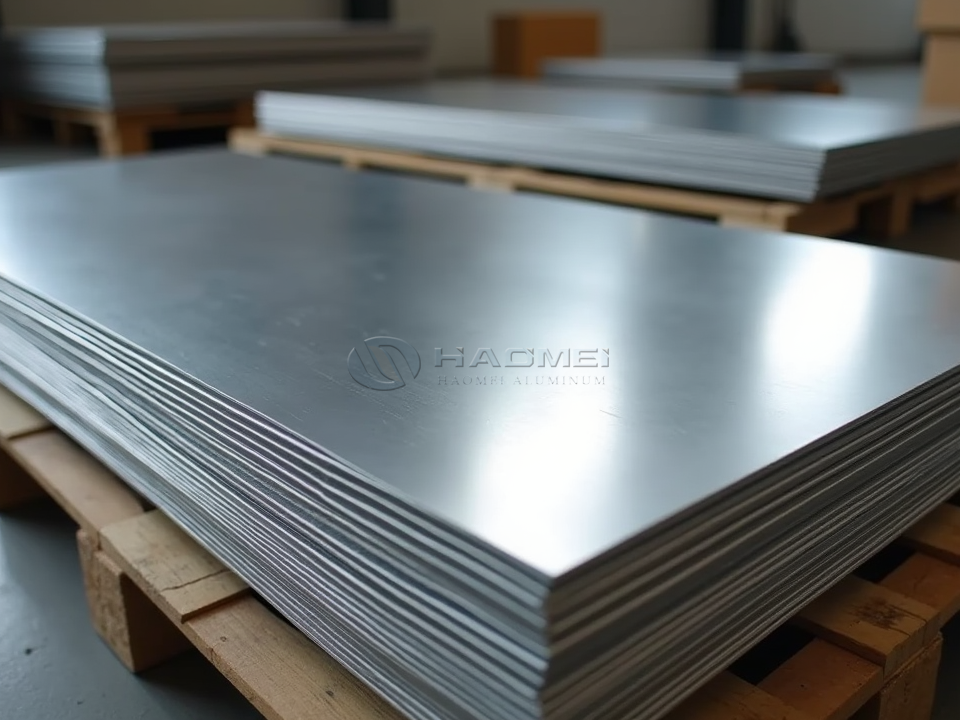
Solar reflective aluminum mirror plate can be produced in accordance with ASTM B209 for aluminum and aluminum-alloy sheet and plate, EN 485 for European rolled aluminum products, or GB/T 3880 for aluminum and aluminum-alloy sheets and strips. The required standard should be stated on the purchase order together with alloy, temper, dimensions, coating type, and surface requirements.
Solar reflectance may be evaluated using ASTM E903, ASTM C1549, ISO 9050, or EN 410, depending on the application and regional project requirement. ASTM E1980 may be used when Solar Reflectance Index is required for roofing-related designs. For outdoor solar installations, additional testing for salt spray resistance, humidity resistance, UV exposure, coating adhesion, and bend performance is advisable.
Practical Applications Across Energy Systems
In solar thermal collectors and parabolic reflector assemblies, mirror aluminum plate directs sunlight toward absorber tubes or focal points. Low weight makes installation easier than glass-based alternatives, particularly in large arrays or mobile equipment.
In commercial buildings, reflective aluminum panels can reduce heat loading on roof edges, wall cladding, equipment shelters, ducts, and insulation jackets. Their bright face also improves daylight distribution in warehouses, stations, agricultural buildings, and covered walkways.
Lighting manufacturers use the material behind LED modules, fluorescent fixtures, and industrial lamps to guide light with less fixture weight. Transportation interiors, appliance panels, display equipment, solar cookers, and decorative architectural surfaces also benefit from its balance of reflectivity and fabrication flexibility.
For long-term performance, the plate should be installed with clean gloves, non-abrasive tools, compatible fasteners, and drainage provisions. Protective film should remain in place during processing but be removed promptly after installation. A reflective surface performs best when it stays clean: dust, oily residue, standing water, and aggressive chemicals can reduce optical efficiency over time.
Solar reflective aluminum mirror plate turns a thin sheet of metal into a functional optical surface. When alloy purity, temper, finish, coating protection, and reflectance testing are selected for the real installation environment, it can serve as a dependable component in both energy-saving buildings and solar energy equipment.