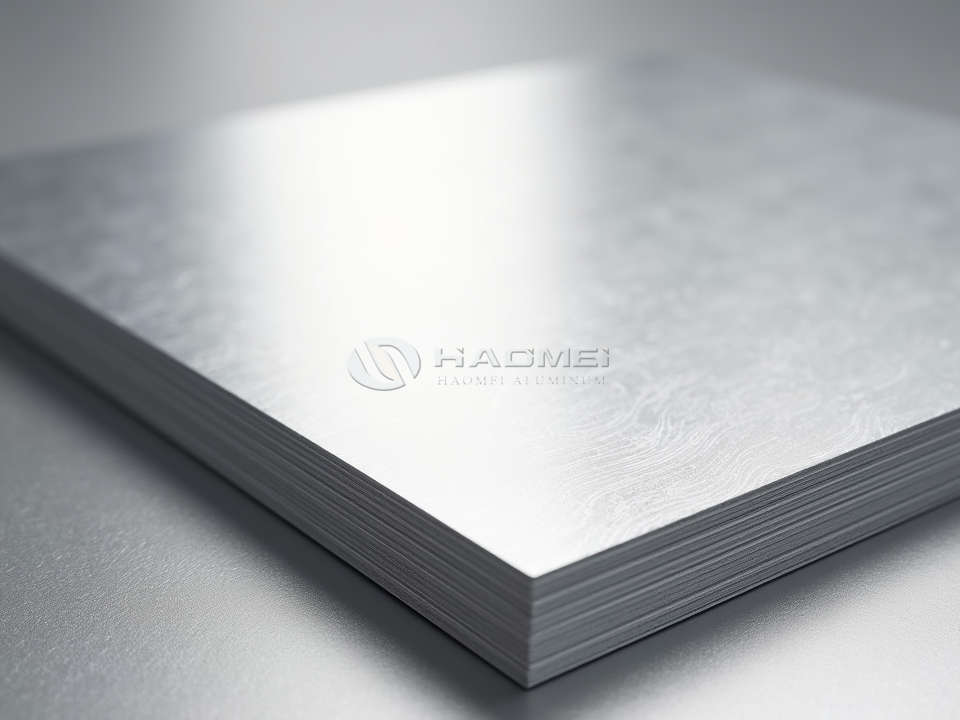
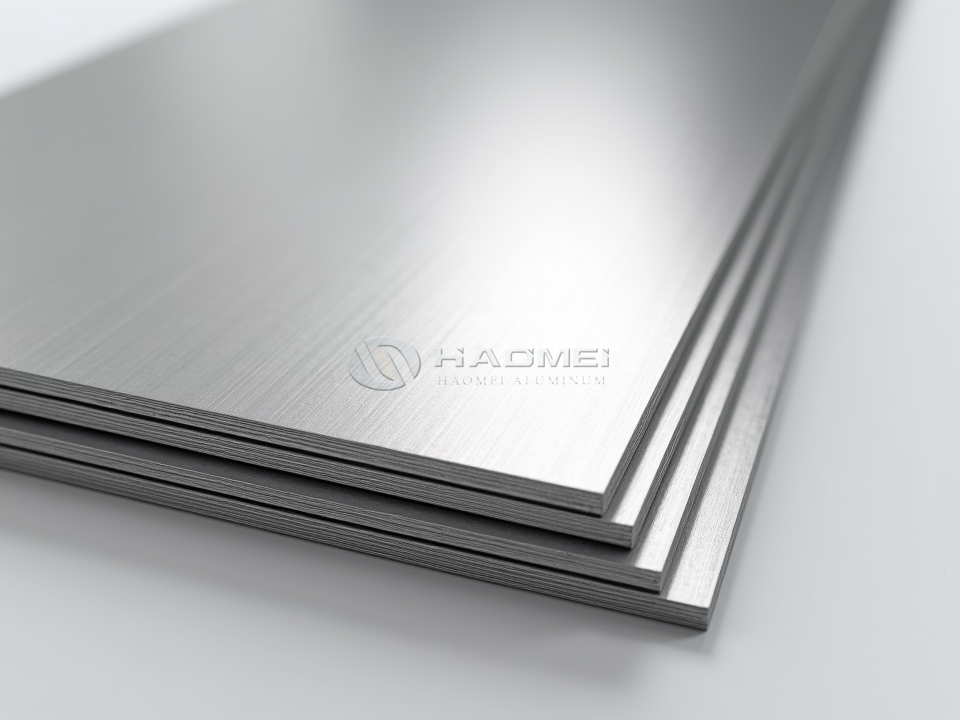
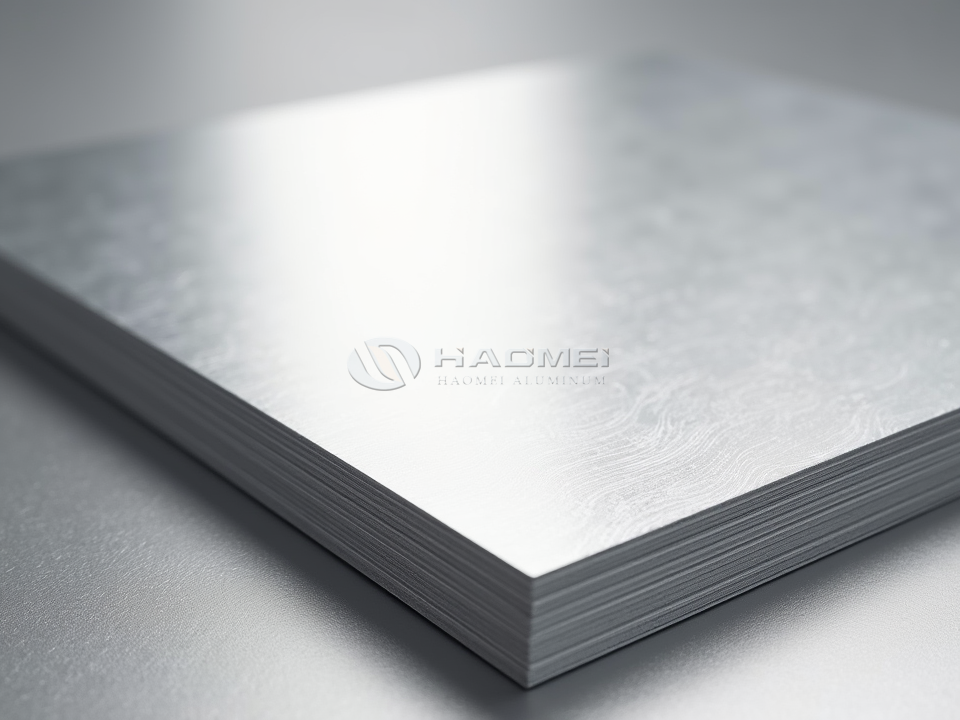
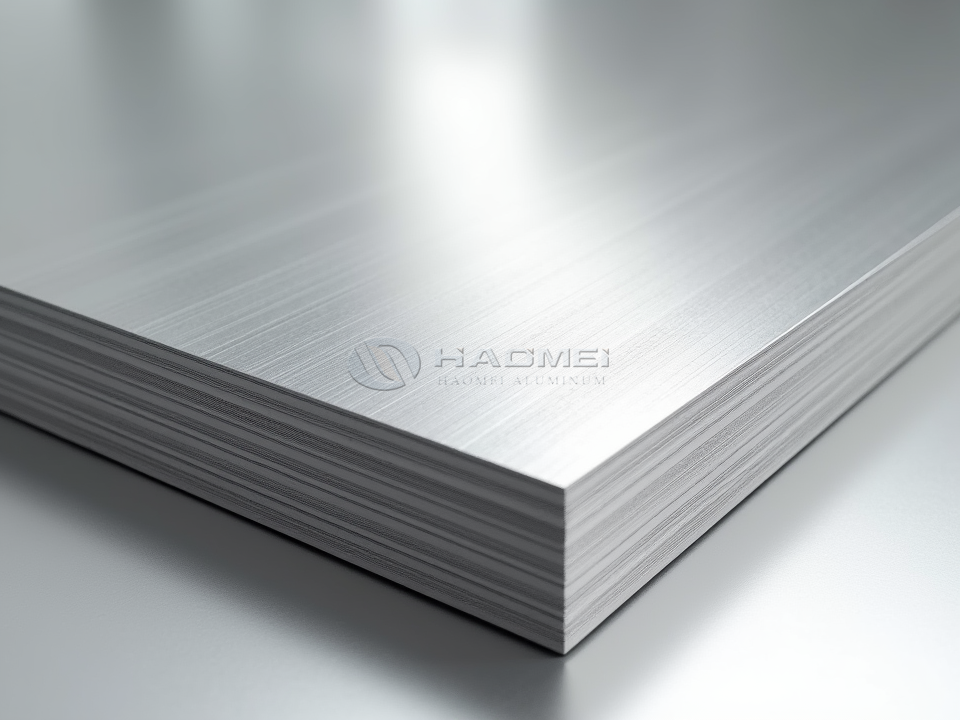
Decorative Mirror Aluminum Wall Panel
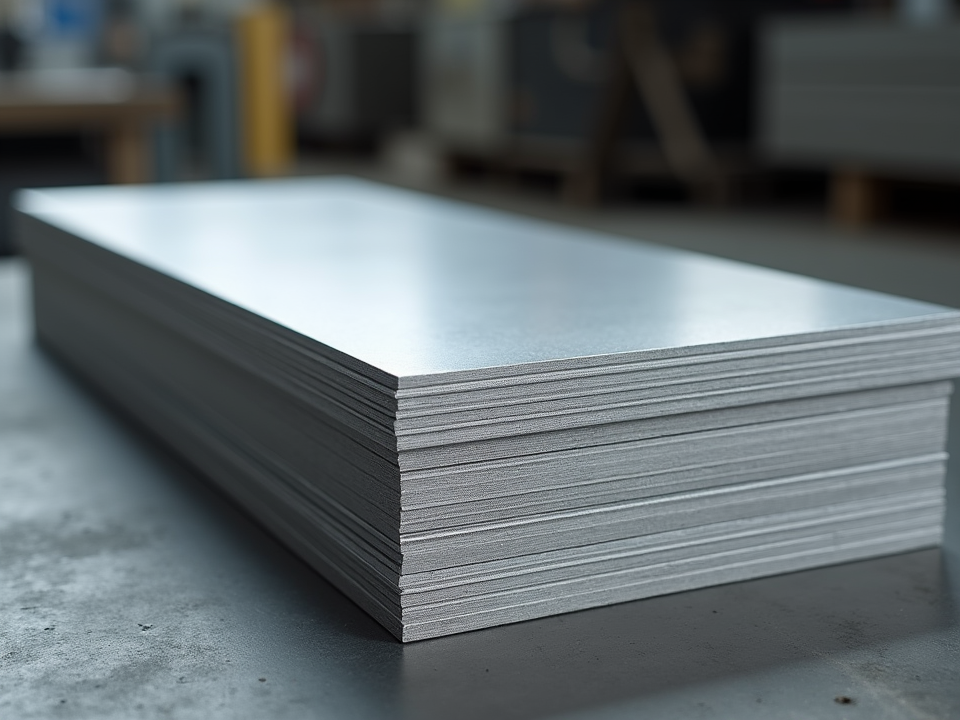
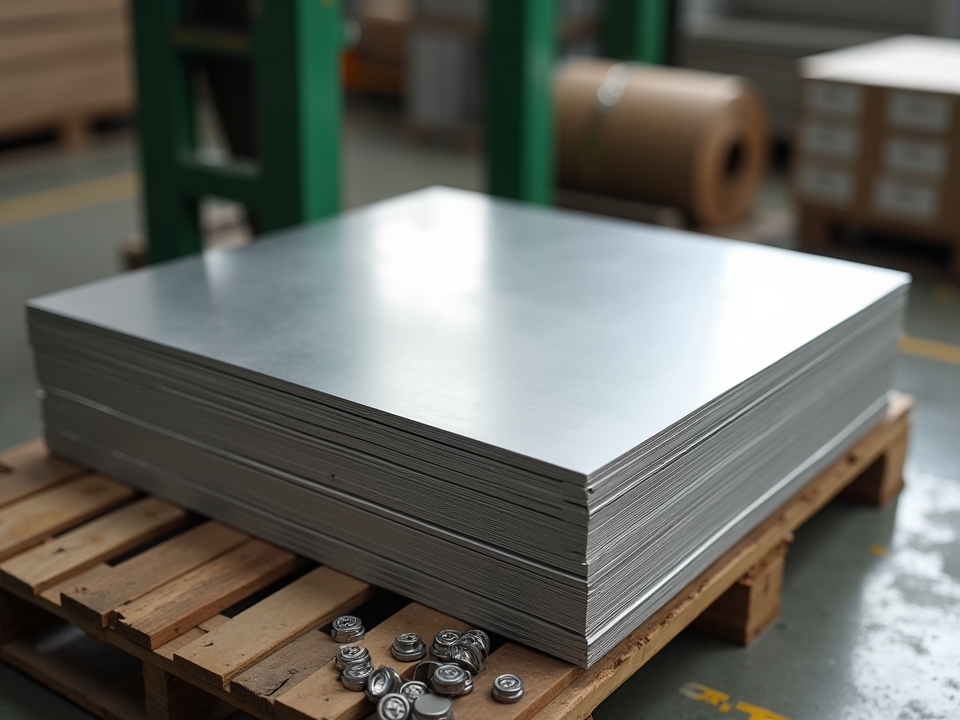
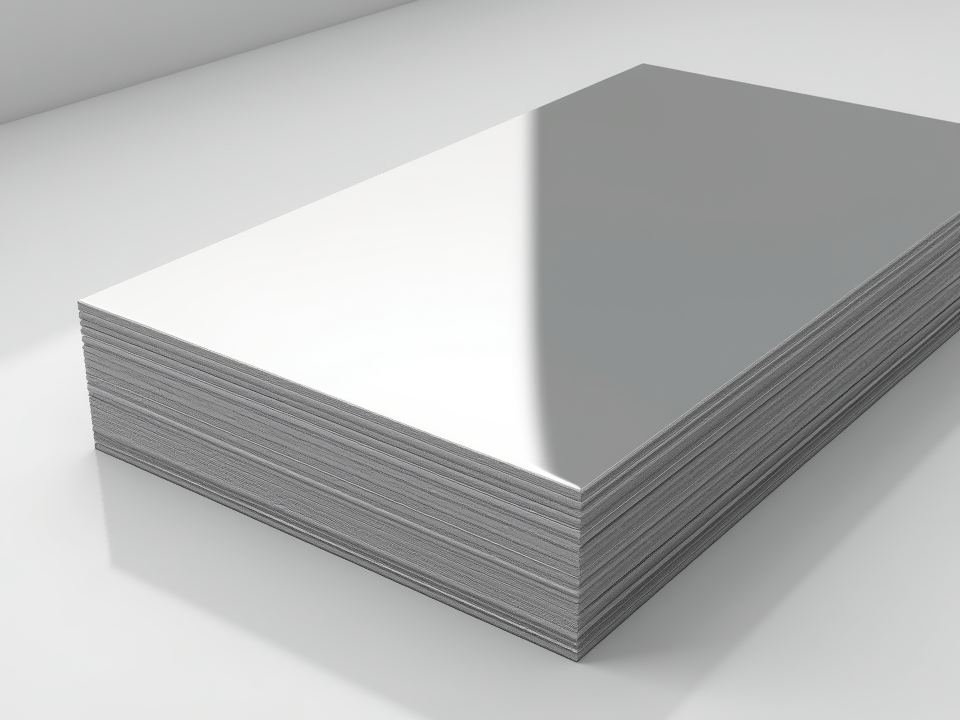
A decorative mirror aluminum wall panel combines the visual depth of a reflective surface with the practical advantages of aluminum sheet. Its polished, coated, or anodized face reflects light across a room or building envelope, creating a brighter and more spacious appearance without the fragility and weight of glass mirrors.
Used in hotels, retail stores, elevators, ceilings, exhibition spaces, commercial lobbies, and architectural facades, mirror aluminum panels offer a clean metallic finish that can be formed, cut, bent, perforated, or mounted on supporting frames. Silver, gold, black, champagne, bronze, and colored reflective finishes allow designers to match a wide range of decorative concepts.
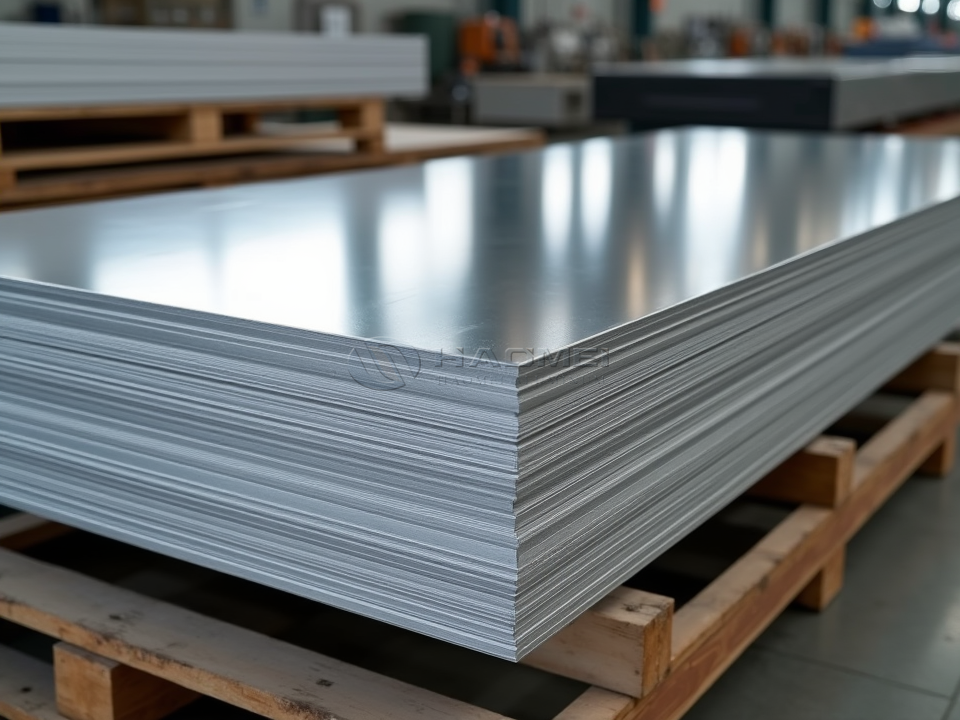
Functions of Mirror Aluminum Wall Panels
The main function is decorative reflection. A high-quality mirror finish distributes natural or artificial light, helping reduce dark visual areas in corridors, retail displays, and public interiors. Compared with conventional glass mirrors, aluminum panels are lighter, safer during installation, and less likely to shatter under impact.
Mirror aluminum also serves as a protective cladding material. Its oxide film provides basic corrosion resistance, while anodizing, clear lacquer, PVDF coating, or polyester coating can improve surface durability in demanding environments. Panels may also be specified with a protective film to prevent scratches during fabrication, transportation, and installation.
| Function | Practical Value |
|---|---|
| Light reflection | Enhances brightness and creates a wider visual effect |
| Decorative finish | Provides silver, gold, black, colored, brushed, or high-gloss appearances |
| Lightweight cladding | Reduces dead load compared with glass and many steel decorative panels |
| Corrosion resistance | Suitable for humid indoor areas and protected exterior systems |
| Formability | Supports bending, rolling, stamping, perforating, and edge folding |
| Fire-conscious material selection | Aluminum is non-combustible; complete panel fire performance depends on the backing, core, coating, and system design |
| Easy maintenance | Smooth surfaces can be cleaned with water and neutral detergent |
Common Applications
Decorative mirror aluminum wall panel systems are selected where a premium metallic appearance must be paired with efficient processing. Interior applications often use thinner sheets with anodized or lacquered finishes, while exterior rainscreen panels normally require thicker material, reinforced folds, and a coating system selected for local climate exposure.
| Application Area | Typical Finish | Recommended Thickness | Design Considerations |
|---|---|---|---|
| Hotel lobby walls | Silver, gold, champagne mirror | 0.8-2.0 mm | Use concealed fasteners and protective film removal after installation |
| Elevator cabins | Anodized silver or patterned mirror | 0.8-1.5 mm | Favor scratch-resistant finishes and folded edges |
| Retail displays | Gold, black, colored mirror | 0.5-1.5 mm | Combine with LED lighting for stronger visual depth |
| Ceiling decoration | Bright silver mirror | 0.5-1.0 mm | Confirm panel flatness and suspension spacing |
| Column covers | Polished or anodized mirror | 1.0-2.0 mm | Allow for thermal movement and corner shaping |
| Interior feature walls | Colored mirror aluminum | 0.8-2.0 mm | Coordinate joint width and reflected lighting |
| Exterior facade accents | PVDF-coated mirror-like finish | 1.5-3.0 mm | Evaluate UV exposure, drainage, wind load, and thermal expansion |
For projects requiring a high-reflective substrate, Mirror Aluminum Sheet can be fabricated into folded cassettes, flat wall panels, decorative strips, ceiling elements, and custom architectural profiles.
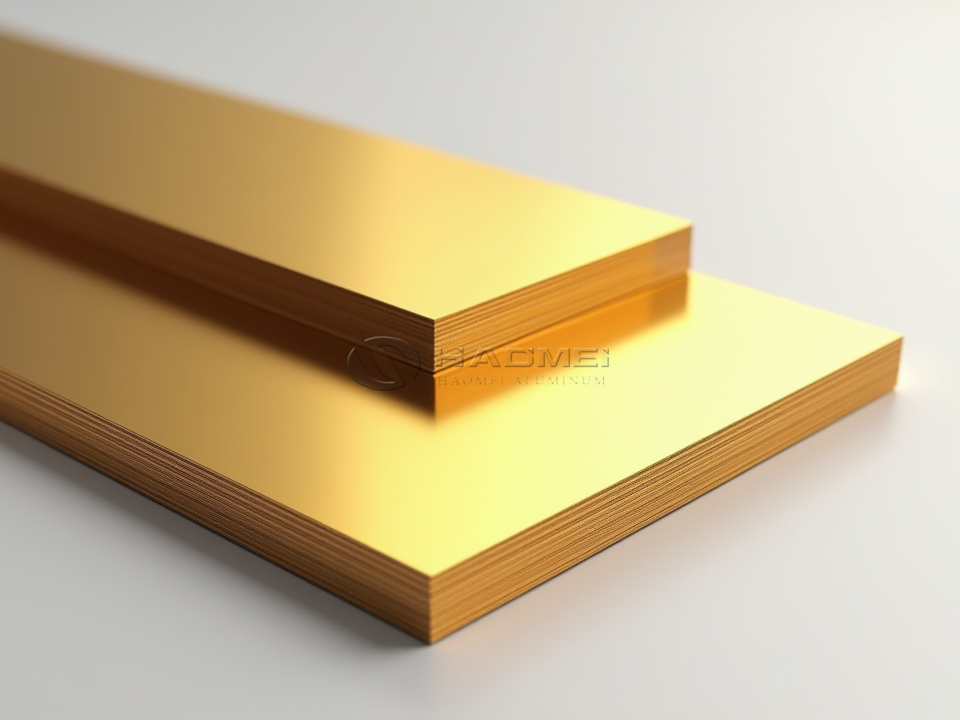
Alloy Selection and Temper Conditions
The 1000 series is widely used for decorative mirror aluminum because of its high aluminum content, excellent reflectivity, strong corrosion resistance, and good forming performance. Alloy 1060 is a common economical choice. Alloy 1070 provides higher aluminum purity, while 1085 is often selected for more demanding reflective applications. Alloy 3003 may be used when improved strength is needed for larger fabricated panels.
| Alloy | Aluminum Content | Suitable Tempers | Strength Level | Typical Use |
|---|---|---|---|---|
| 1060 | ≥ 99.60% | O, H14, H16, H18, H24 | Low to medium | Interior wall panels, ceilings, signage |
| 1070 | ≥ 99.70% | O, H14, H18 | Low to medium | Bright decorative panels and reflector applications |
| 1085 | ≥ 99.85% | O, H14, H18 | Low to medium | High-reflective decorative surfaces |
| 3003 | Aluminum balance | H14, H16, H24 | Medium | Folded panels, column covers, larger wall cladding |
Temper selection affects bending behavior and surface stability. O temper offers the best ductility for deep forming or complex shapes. H14 provides a practical balance between strength and workability. H18 offers higher hardness but should be used carefully where sharp bends are required. For mirror-finish wall cladding, H14 and H16 are frequently specified because they retain good panel rigidity while allowing ordinary fabrication.
Chemical Composition
The following values are typical maximum limits or specified ranges in percent by mass. Actual mill certificates should govern final procurement requirements.
| Alloy | Si + Fe | Cu | Mn | Mg | Zn | Ti | Al |
|---|---|---|---|---|---|---|---|
| 1060 | 0.35 max | 0.05 max | 0.03 max | 0.03 max | 0.05 max | 0.03 max | 99.60 min |
| 1070 | 0.20 max | 0.04 max | 0.03 max | 0.03 max | 0.04 max | 0.03 max | 99.70 min |
| 1085 | 0.12 max | 0.03 max | 0.02 max | 0.02 max | 0.03 max | 0.02 max | 99.85 min |
| 3003 | 0.60 max | 0.05-0.20 | 1.00-1.50 | 0.05 max | 0.10 max | - | Balance |
Technical Specifications
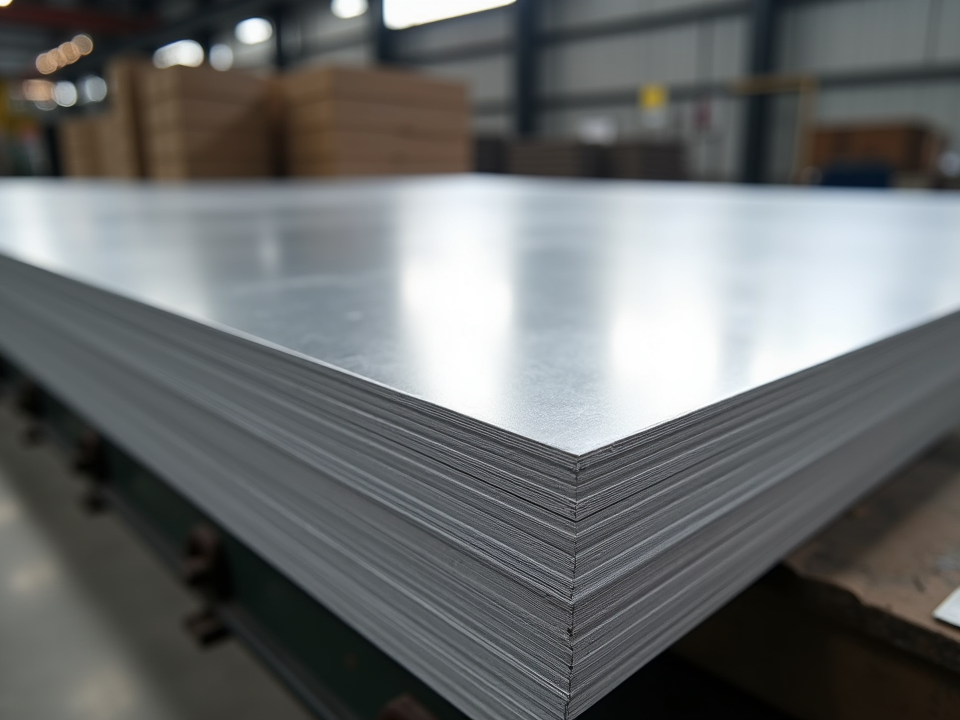
A decorative mirror aluminum wall panel can be supplied as a flat sheet, coil, embossed sheet, pre-painted sheet, or fabricated cassette panel. Brightness and image clarity depend on the polishing process, substrate quality, coating type, handling method, and flatness after installation.
| Parameter | Typical Range or Requirement |
|---|---|
| Material form | Sheet, coil, cut-to-size blank, folded cassette panel |
| Thickness | 0.30-3.00 mm for most decorative applications |
| Standard width | 1,000 mm, 1,220 mm, 1,250 mm, 1,500 mm |
| Standard length | 2,000 mm, 2,440 mm, 3,000 mm, or custom length |
| Surface finish | Mechanical polished, chemical polished, anodized, coated mirror finish |
| Available colors | Silver, gold, black, bronze, champagne, blue, red, custom colors |
| Reflectivity | Commonly 80%-95%, depending on finish and coating system |
| Density | Approximately 2.70 g/cm³ |
| Melting range | Approximately 655-660°C for high-purity aluminum alloys |
| Thermal expansion | Approximately 23.0 × 10⁻⁶ /°C |
| Electrical conductivity | High for 1000-series alloys; lower for 3003 |
| Protective film | PE laser film, standard PE film, PVC film, or paper interleaf |
Standards and Quality Control
Material requirements should be matched to the installation region and end use. ASTM and EN standards are often referenced for dimensions, chemical composition, mechanical properties, and tolerances. For architectural panels, the finished system should also be evaluated for substrate framing, fastening method, wind pressure, drainage, fire requirements, and coating durability.
| Standard | Scope |
|---|---|
| ASTM B209 | Aluminum and aluminum-alloy sheet and plate requirements |
| EN 485 | Tolerances, mechanical properties, and technical delivery conditions for aluminum sheet |
| EN 573 | Chemical composition and alloy designation system |
| GB/T 3880 | Aluminum and aluminum-alloy sheet, strip, and plate requirements |
| AAMA 2605 | High-performance organic coating performance for architectural aluminum, where applicable |
| ISO 7599 | Anodizing of aluminum and aluminum alloys, where applicable |
Quality inspection commonly includes thickness measurement, width and length verification, surface reflectivity evaluation, coating adhesion, color consistency, protective-film condition, flatness inspection, and visual checks for scratches, roll marks, oil stains, dents, or oxidation spots.
Installation and Care Considerations
Mirror aluminum panels should be installed on a clean, level, and dry substrate or a properly designed aluminum/steel framing system. Thermal expansion gaps are important, especially for long panels and exterior cladding. Use compatible sealants, gaskets, fasteners, and backing materials to avoid staining or galvanic corrosion.
During fabrication, use clean tools and soft handling surfaces. Do not drag sheets across each other. Remove protective film only after cutting, bending, and final positioning, then clean the panel with a soft cloth, clean water, and neutral detergent. Abrasive pads, strong alkaline cleaners, and solvent-based products may damage the reflective surface or coating.
A well-specified decorative mirror aluminum wall panel delivers a luminous architectural finish, adaptable fabrication, low structural weight, and dependable long-term appearance for commercial and residential spaces.