Interior Design Mirror Aluminum Board
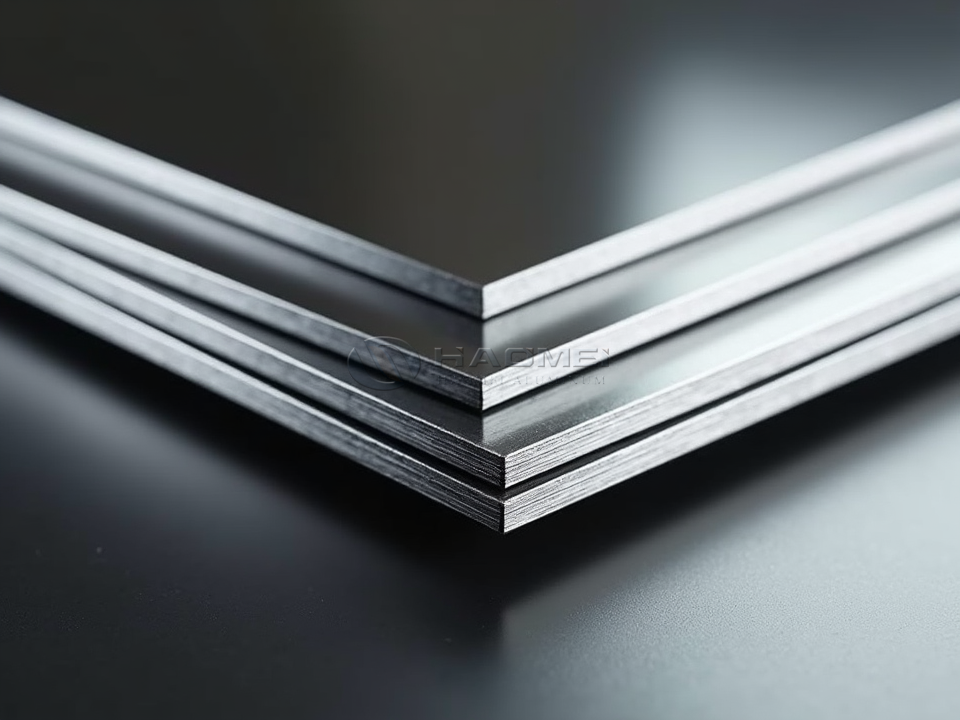
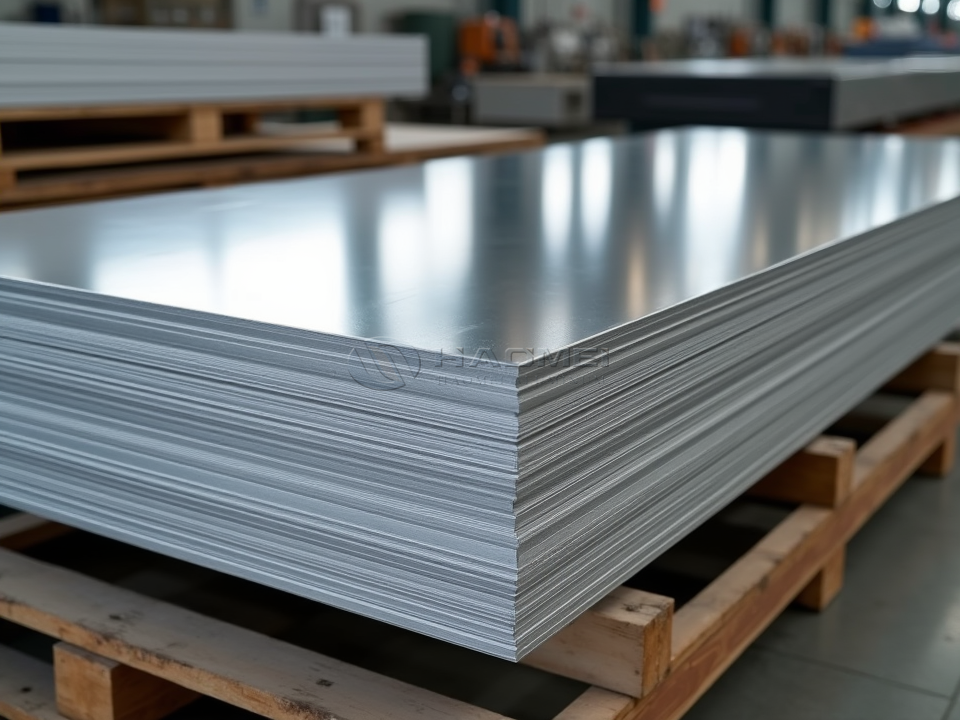
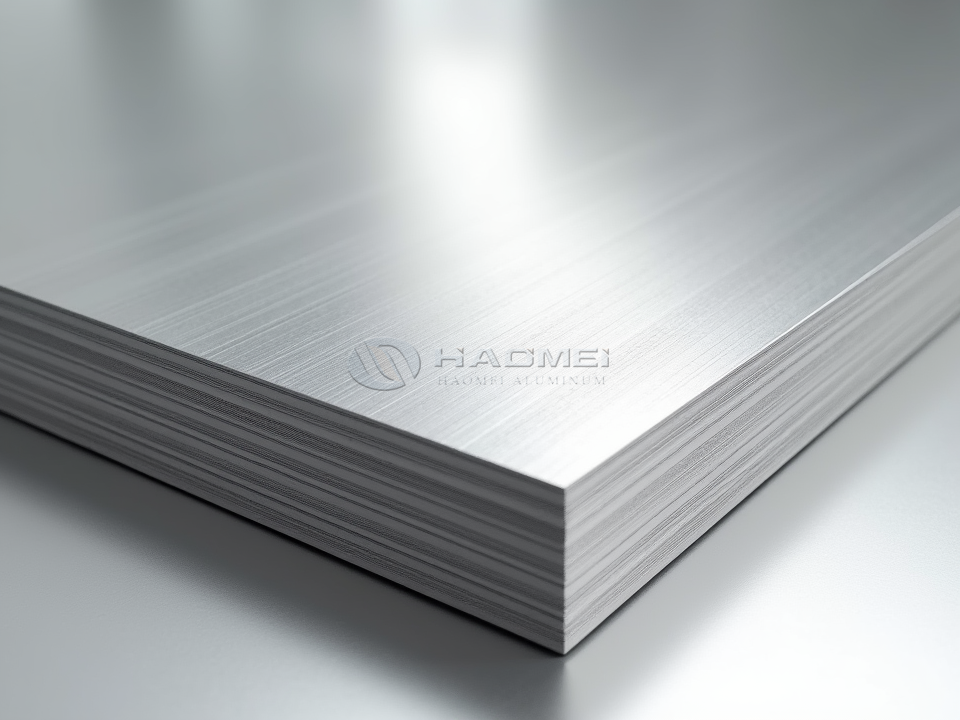
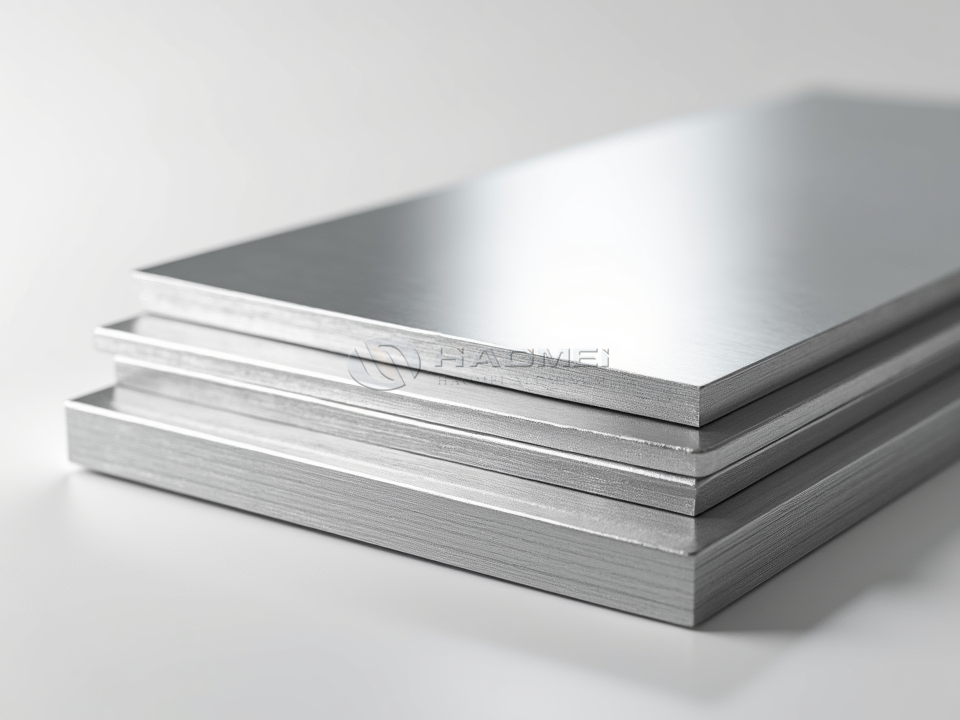
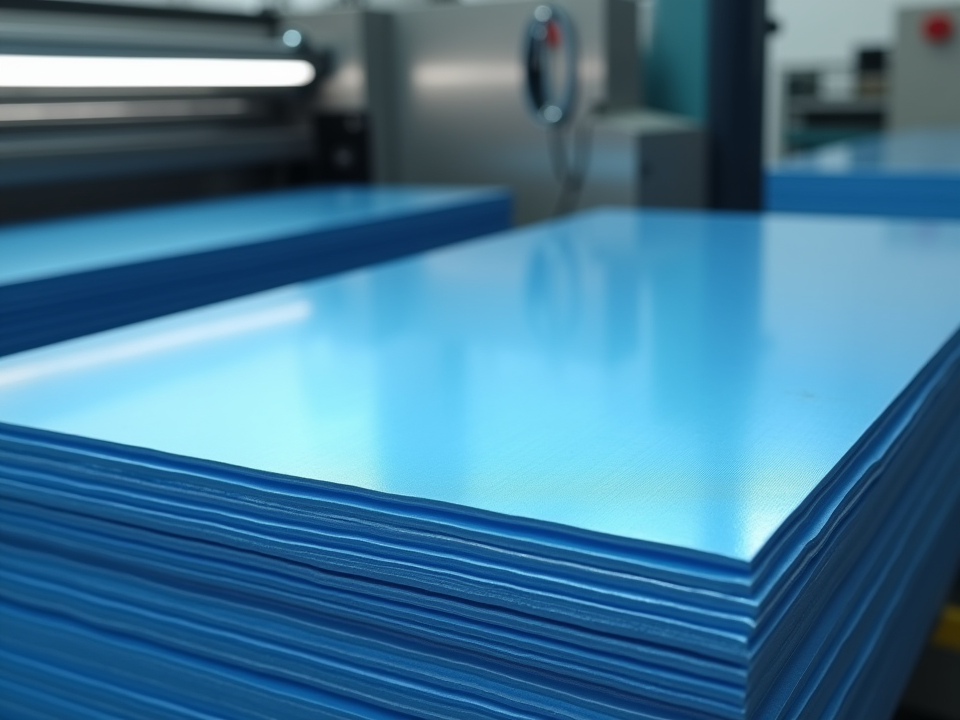
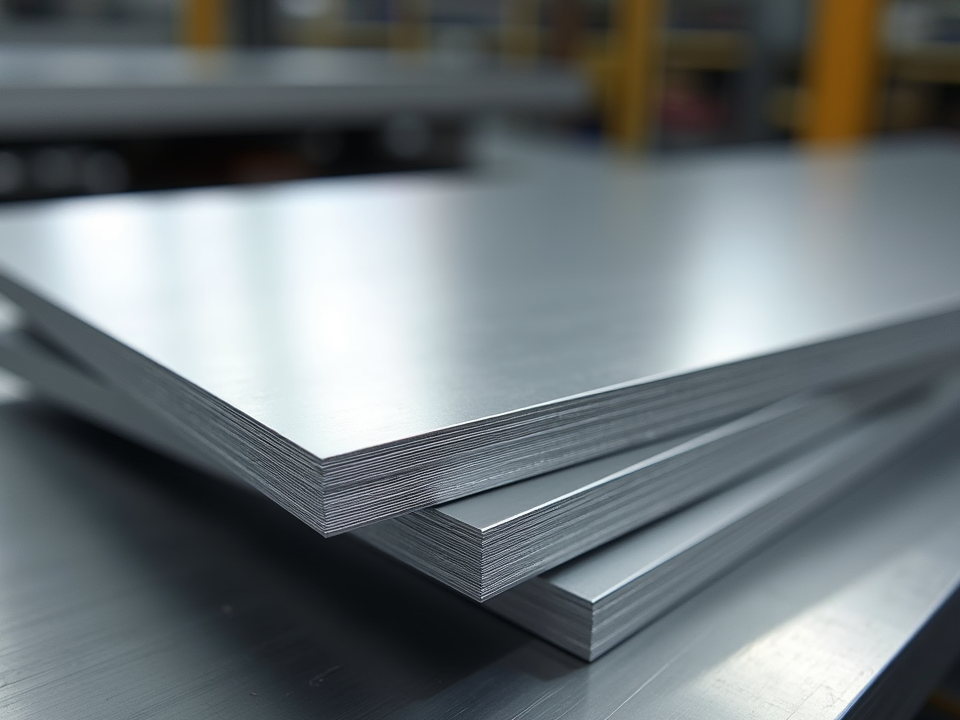
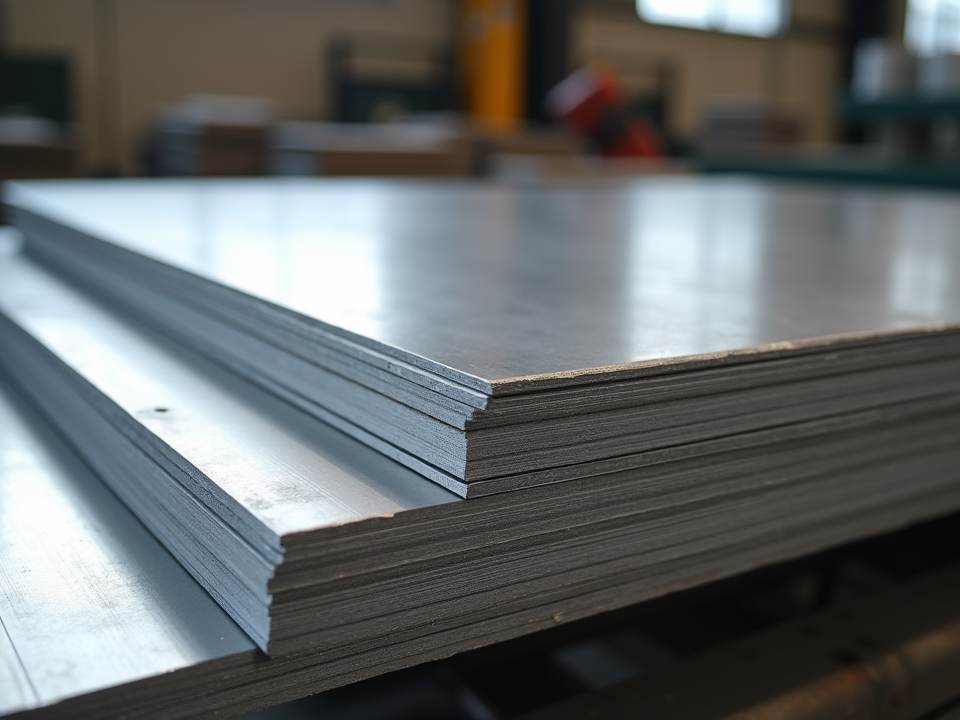
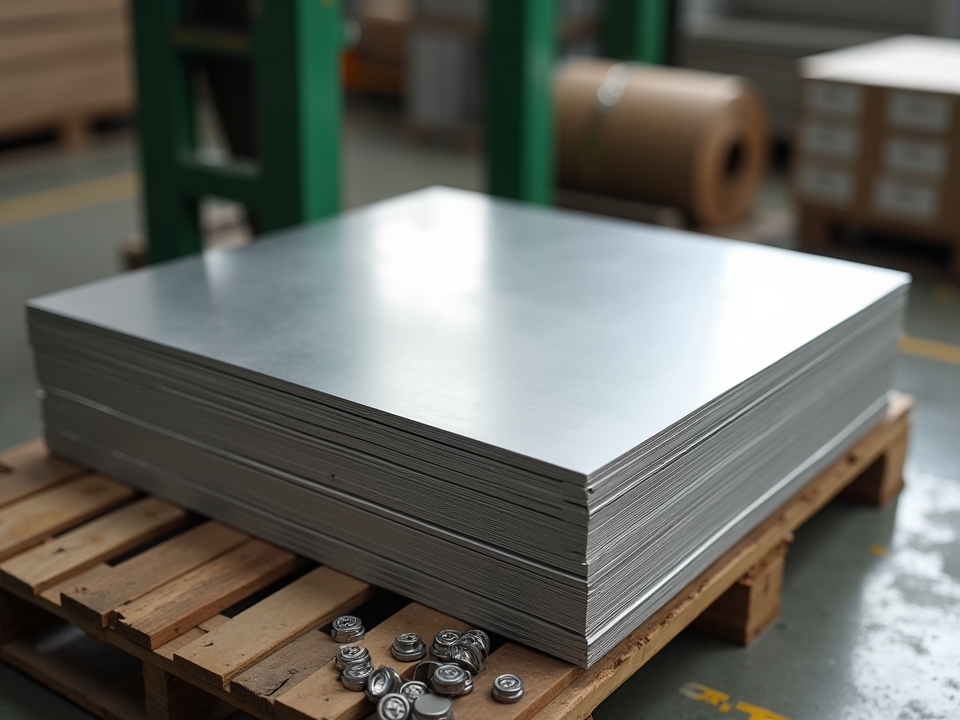
An interior design mirror aluminum board is a highly reflective aluminum sheet developed to bring light, visual depth, and a refined metallic character to architectural spaces. Its polished surface creates a mirror-like effect while retaining aluminum's low weight, corrosion resistance, and fabrication flexibility. Compared with traditional glass mirrors, mirror aluminum provides a safer, lighter, and more versatile decorative solution for ceilings, wall panels, furniture surfaces, display systems, and lighting elements.
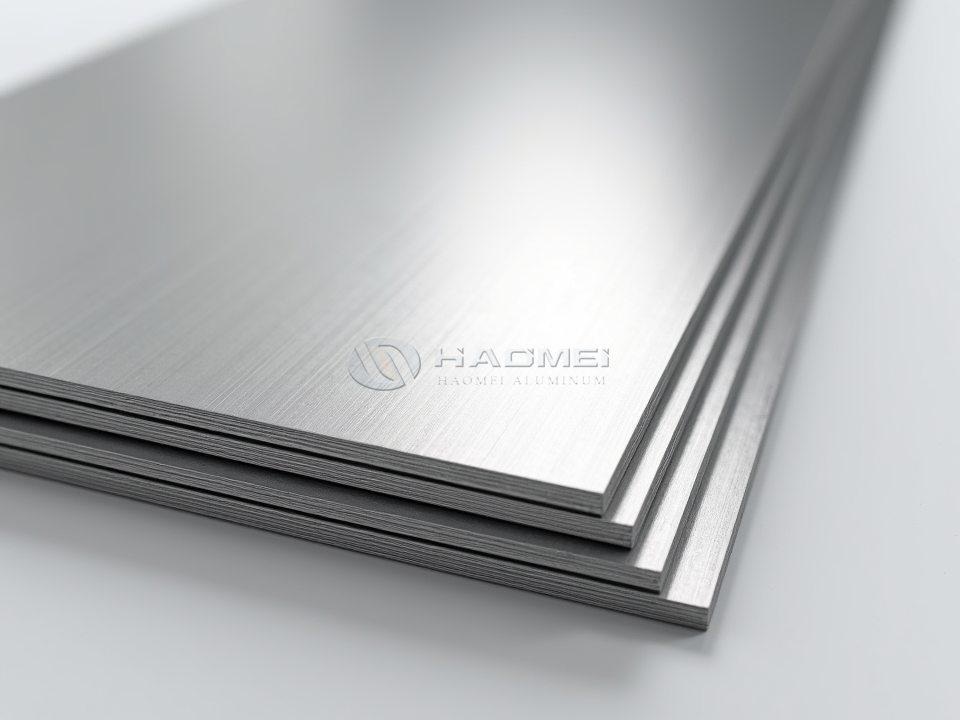
The board is normally produced from high-purity aluminum alloy coil, mechanically polished and treated to achieve a bright reflective surface. Depending on the project environment, it may be supplied with a standard polished finish, anodized protective layer, painted color coating, or laminated protective film. This combination of visual appeal and practical durability makes it suitable for both commercial and residential interiors.
Visual Character and Material Advantages
Mirror aluminum changes the perceived scale of a room. By reflecting daylight, decorative lighting, furniture, and surrounding colors, it can make narrow corridors feel more open and give ceilings a floating, luminous appearance. Silver finishes produce a clean contemporary atmosphere, while gold, black, champagne, bronze, and colored finishes support more dramatic hospitality, retail, or luxury residential concepts.
Unlike glass, aluminum does not shatter into sharp fragments. It is also substantially lighter, making handling easier on elevated ceiling systems and large decorative wall installations. The material can be cut, bent, punched, embossed, bonded, or mounted on frames, allowing designers to create flat panels, folded trims, curved features, perforated acoustic panels, and reflective light channels.
| Benefit | Value for Interior Projects |
|---|---|
| High reflectivity | Enhances lighting distribution and visual spaciousness |
| Low density | Reduces dead load for ceilings, cladding, and furniture panels |
| Formability | Supports bending, folding, punching, and custom fabrication |
| Corrosion resistance | Performs reliably in normal indoor humidity conditions |
| Shatter resistance | Offers a safer alternative to conventional glass mirrors |
| Decorative flexibility | Available in silver, gold, black, bronze, and coated finishes |
| Recyclability | Aluminum can be recovered and reused at the end of service life |
Surface Options for Interior Design
The selected surface treatment should match the intended atmosphere, maintenance expectations, and installation location. Standard polished mirror aluminum is economical and visually bright, while anodized material offers better surface hardness and improved resistance to fingerprints, mild staining, and oxidation.
For projects requiring enhanced surface stability, an Anodized Mirror Aluminum Sheet provides a transparent oxide layer integrated with the metal surface. This finish is especially useful for elevator surrounds, decorative wall systems, ceiling grids, retail fixtures, and public interiors with frequent contact.
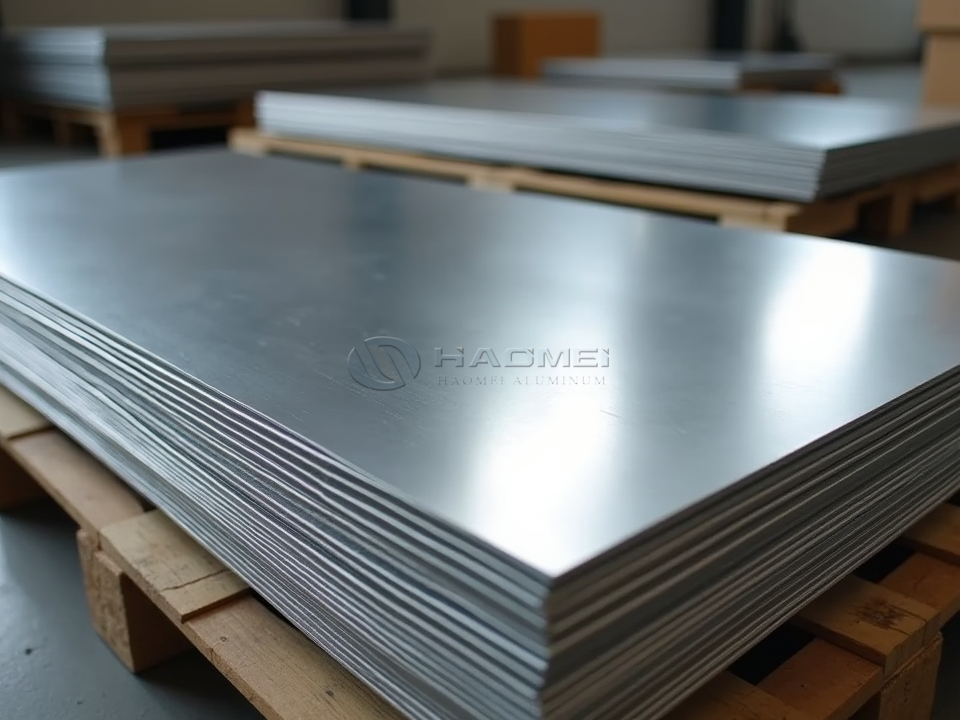
| Finish Type | Appearance | Recommended Interior Use |
|---|---|---|
| Mechanical mirror polish | Bright silver reflection with clear metallic character | Ceilings, display panels, decorative trims |
| Anodized mirror finish | Reflective surface with improved hardness and durability | Elevators, wall cladding, public spaces |
| Color-coated mirror finish | Gold, black, champagne, bronze, or custom colors | Hotels, boutiques, restaurants, feature walls |
| Embossed mirror finish | Reflective texture that softens direct reflections | Furniture, cabinet fronts, ceiling panels |
| Protective-film finish | Temporary film protects the face during fabrication and installation | Custom fabrication and project delivery |
Typical Technical Specifications
Interior design mirror aluminum board is commonly supplied in alloy grades such as 1050, 1060, 1070, and 1085. High-purity grades provide excellent reflectivity and forming behavior. Where more strength is needed for larger panels or formed architectural parts, alloy 3003 may be selected, although its visual reflectivity can differ from high-purity grades.
| Parameter | Typical Range or Option |
|---|---|
| Alloy | 1050, 1060, 1070, 1085, 3003 |
| Temper | H14, H16, H18, H24, O |
| Thickness | 0.20-3.00 mm |
| Standard width | 1,000 mm, 1,220 mm, 1,250 mm, 1,500 mm |
| Standard length | 2,000 mm, 2,440 mm, 3,000 mm, or custom cut length |
| Surface reflectivity | Typically 80%-95%, depending on finish and grade |
| Density | Approximately 2.70 g/cm³ |
| Protective film | PE, laser film, PVC, or customized film option |
| Color selection | Silver, gold, black, bronze, champagne, custom coated colors |
| Fabrication methods | Cutting, bending, punching, riveting, bonding, roll forming |
Dimensional tolerances should be agreed according to panel size, finish grade, and fabrication method. Wider sheets or ultra-thin reflective sheets require careful flatness control to avoid visual distortion after installation.
Chemical Composition of 1070 Mirror Aluminum Board
1070 aluminum is widely used for reflective decorative sheets because of its high aluminum content, bright polish response, and good ductility. The values shown are typical maximum limits and may vary according to the applicable material standard.
| Element | Al | Si | Fe | Cu | Mn | Mg | Zn | Ti | Other Total |
|---|---|---|---|---|---|---|---|---|---|
| Composition, % | ≥99.70 | ≤0.20 | ≤0.25 | ≤0.04 | ≤0.03 | ≤0.03 | ≤0.07 | ≤0.03 | ≤0.03 |
Mechanical and Functional Performance
Mechanical properties depend on alloy, temper, thickness, and production route. Softer tempers are preferred for deep forming and curved profiles, while H14 to H18 tempers provide better stiffness for flat decorative panels.
| Property | 1070-H14 Typical Value | Interior Design Significance |
|---|---|---|
| Tensile strength | 75-95 MPa | Adequate strength for decorative sheet applications |
| Yield strength | ≥60 MPa | Helps panels retain shape during handling |
| Elongation | 4%-12% | Supports bending and profile forming |
| Brinell hardness | Approx. 23 HB | Balanced surface firmness and workability |
| Thermal conductivity | Approx. 230 W/m·K | Helps distribute heat near lighting fixtures |
| Electrical conductivity | Approx. 61% IACS | Useful in specialized lighting or equipment designs |
| Operating environment | Dry to normal-humidity interiors | Suitable for most conditioned spaces |
A high-gloss surface should be handled with clean gloves and protected from abrasive dust. Even small scratches are more visible on mirror finishes than on brushed, matte, or textured aluminum. Protective film should remain in place through cutting, bending, transportation, and installation, then be removed after adjacent construction work is complete.
Practical Interior Applications
Mirror aluminum boards fit spaces where a bright, clean, or theatrical visual effect is desired. In commercial interiors, they are frequently used on suspended ceilings, column wraps, elevator panels, shop fittings, product display stands, and restaurant wall features. In homes, they can create striking kitchen backsplashes, wardrobe door accents, cabinet inserts, decorative partitions, and lighting surrounds.
| Application Area | Typical Design Benefit | Suggested Finish |
|---|---|---|
| Ceiling panels | Reflects light and visually raises the ceiling | Silver or champagne mirror |
| Feature walls | Adds depth without the weight of glass | Gold, bronze, black, or colored mirror |
| Elevator interiors | Creates a durable premium metallic appearance | Anodized mirror |
| Retail displays | Intensifies product lighting and visual contrast | Silver or black mirror |
| Hotel lobbies | Supports luxurious, layered decorative themes | Gold or bronze mirror |
| Furniture and cabinetry | Adds a modern accent with lightweight construction | Embossed or color-coated mirror |
| Lighting reflectors | Improves directional light utilization | Bright silver reflective finish |
For broader decorative selection, a Mirror Aluminum Sheet can be specified in multiple alloys, colors, thicknesses, and protective-film configurations to suit the panel design.
Installation and Care Considerations
Mirror aluminum panels can be fixed with concealed clips, adhesive bonding systems, screws with decorative caps, cassette frames, or suspended ceiling structures. The mounting substrate should be flat, dry, and stable. Uneven backing can transfer waviness to thin reflective sheets and reduce the quality of the visual reflection.
Allow a small expansion gap around large panels, particularly near windows, lighting zones, or temperature-changing areas. Avoid direct contact with wet cement, strongly alkaline materials, chlorine-containing cleaners, and unsealed copper components. For cleaning, use a soft microfiber cloth with clean water or a neutral detergent. Abrasive pads, strong solvents, and aggressive polishing compounds can damage the mirror layer or coating.
An interior design mirror aluminum board offers more than a reflective surface. It is a lightweight architectural material that blends visual drama, practical durability, efficient fabrication, and long-term decorative value. With the right alloy, finish, panel thickness, and installation method, it can transform ordinary interior surfaces into bright, memorable design elements.