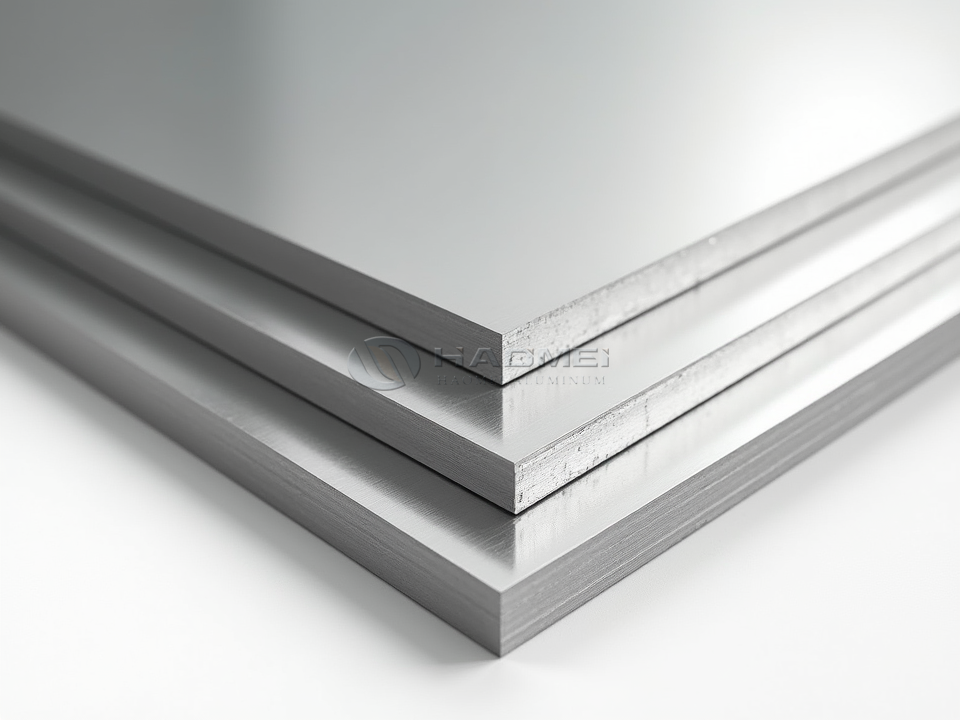
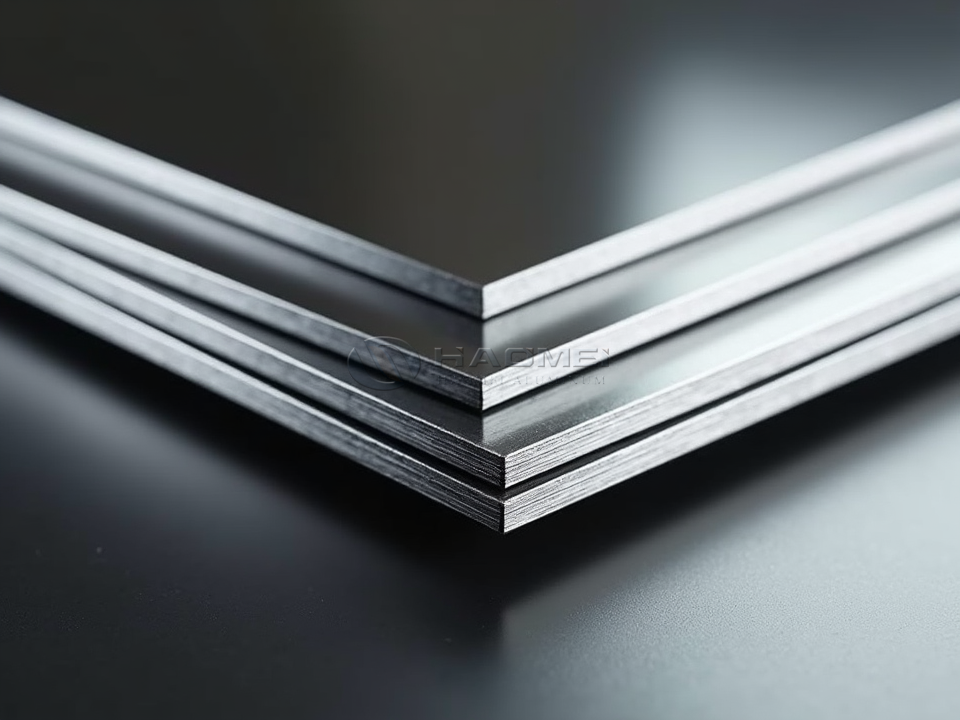
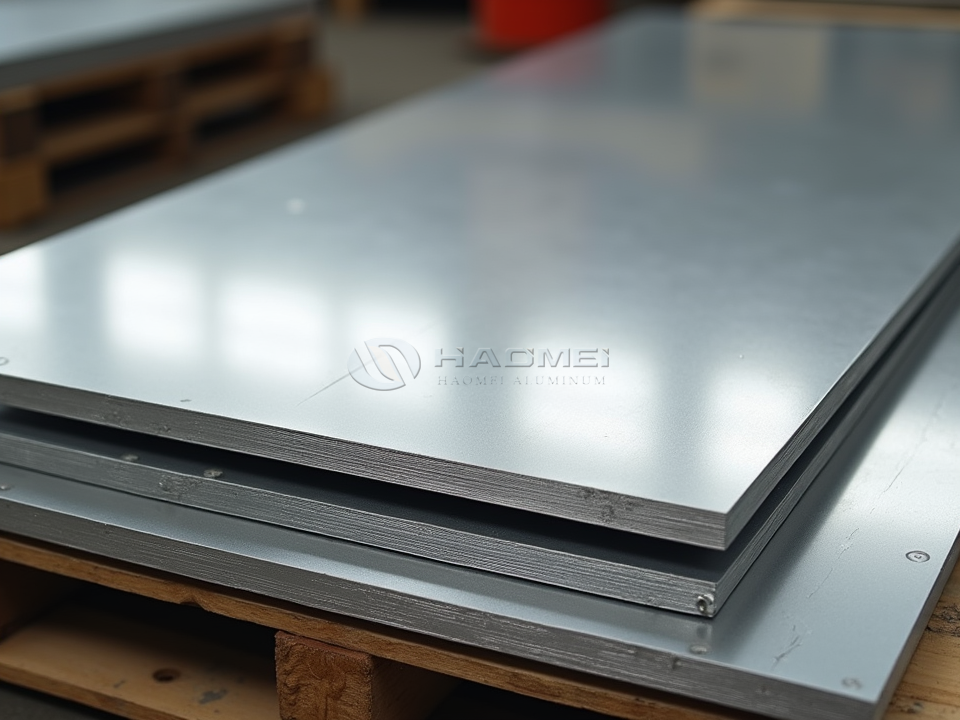
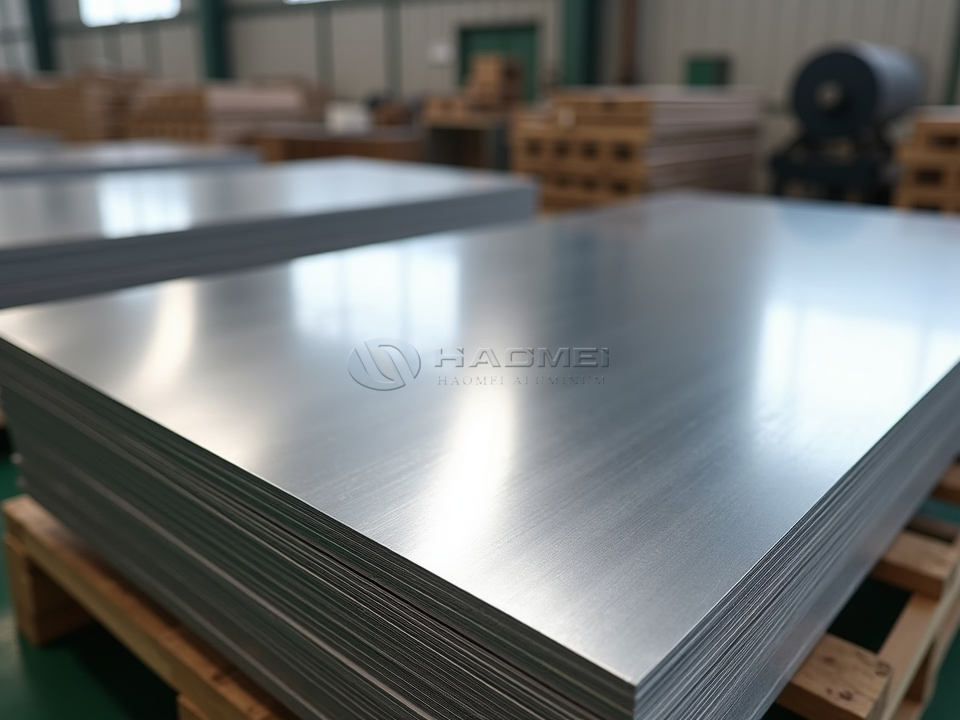
UV Reflective Aluminum Mirror Sheet
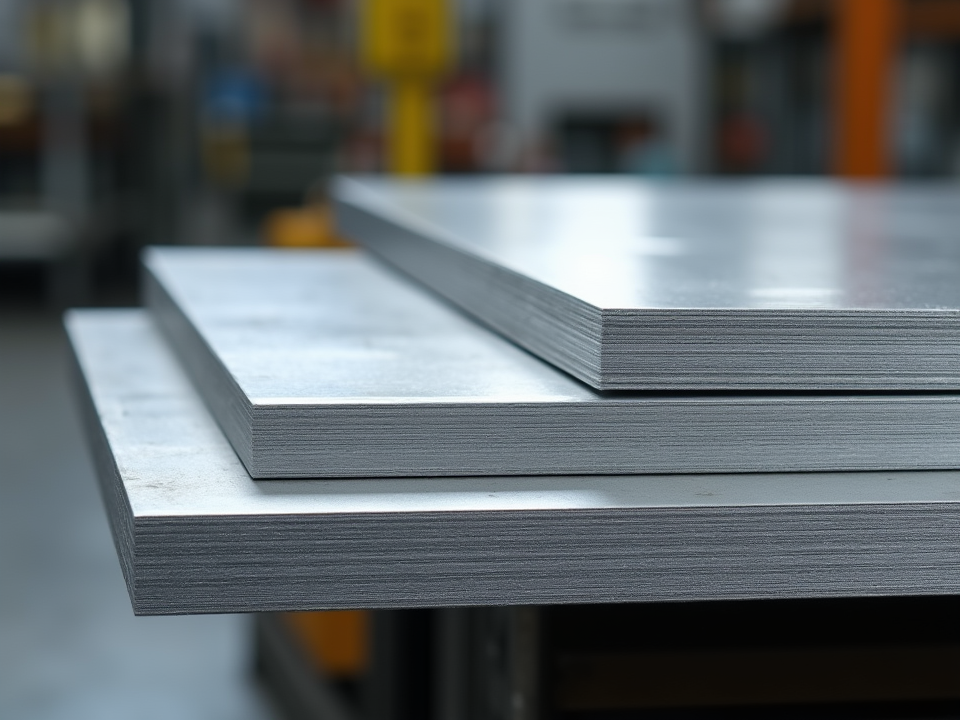
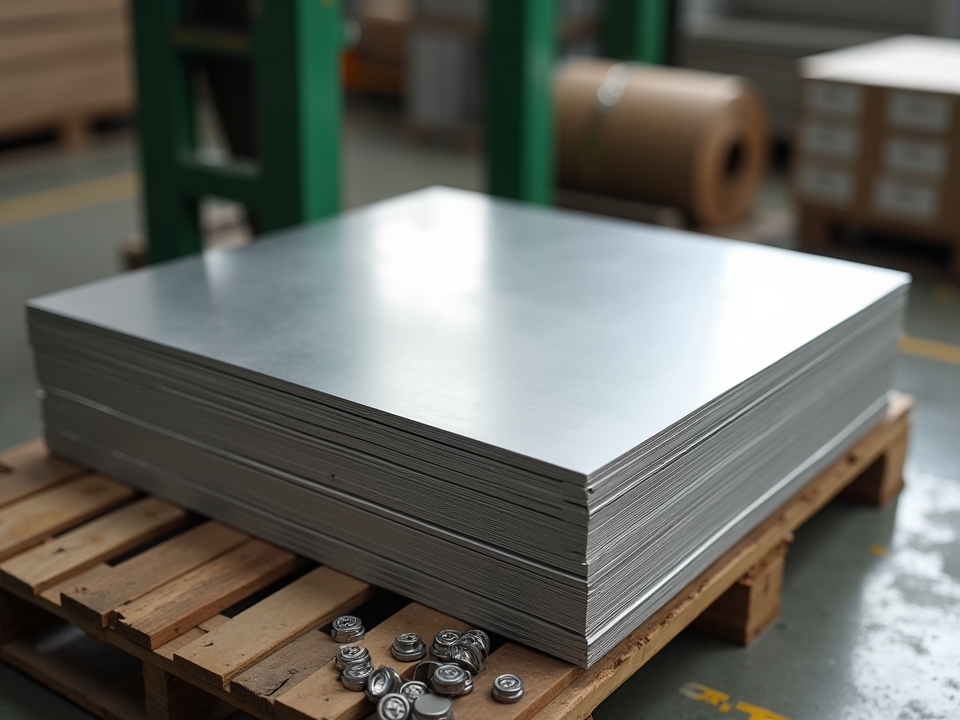
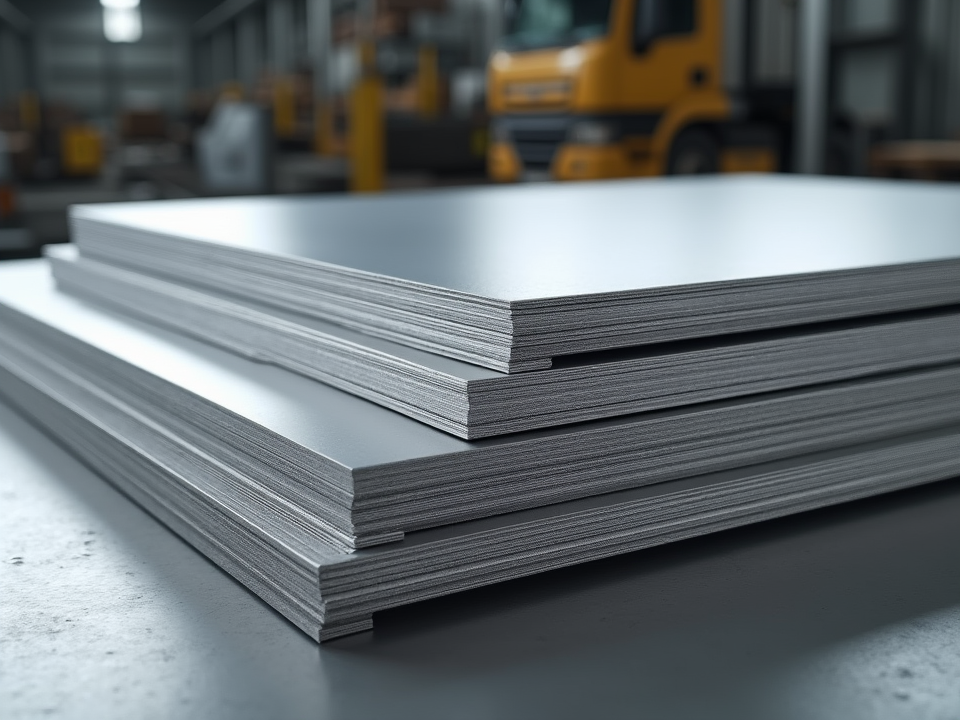
A UV reflective aluminum mirror sheet is more than a decorative bright-metal panel. Its polished surface acts as a light-management layer, redirecting ultraviolet, visible, and near-infrared energy rather than allowing it to be absorbed by surrounding materials. This function makes it valuable wherever light direction, heat reduction, visual brightness, or controlled irradiation matters.
Unlike ordinary aluminum sheet, reflective mirror material is produced through rolling, polishing, chemical brightening, anodizing, or vacuum-coated finishing. The quality of reflection depends not only on aluminum purity, but also on surface smoothness, oxide-film structure, protective coating clarity, and handling during fabrication. A scratch, stain, coating haze, or surface waviness can scatter light and reduce optical performance.
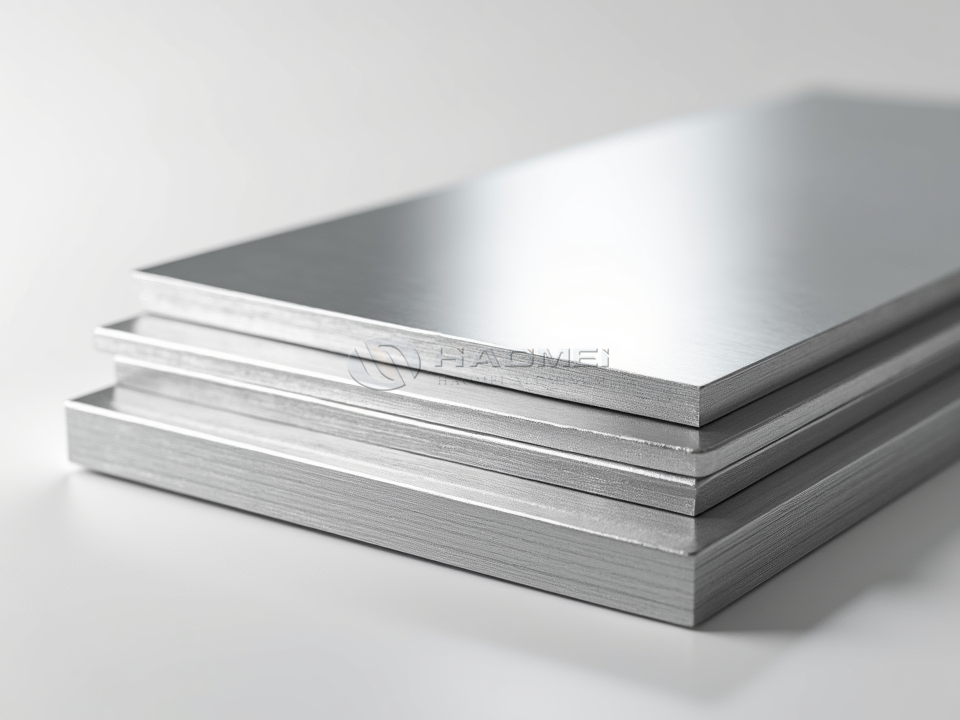
How UV Reflection Works on Aluminum Mirror Surfaces
Aluminum naturally reflects a broad range of electromagnetic radiation. A polished aluminum mirror surface can provide strong visible-light and infrared reflectance, while its ultraviolet response depends on wavelength, alloy composition, surface treatment, and topcoat design. For applications focused on UVA and UVB ranges, the reflectance curve should be confirmed with spectral testing instead of relying only on visible mirror appearance.
This distinction is important. A sheet that looks highly reflective to the human eye may not deliver the same performance at 280 nm, 365 nm, or 400 nm. UV reflective aluminum mirror sheet for curing equipment, insect traps, phototherapy units, analytical instruments, and horticultural fixtures should be selected according to the working lamp spectrum.
The most practical way to view the material is as a passive optical component. It does not generate ultraviolet energy. It captures light that would otherwise strike a dark housing or escape sideways, then redirects that energy toward the intended target. In a UV chamber, this can improve irradiation uniformity. In a lighting fixture, it can reduce wasted light and support a more efficient optical layout.
Functional Advantages Beyond Bright Appearance
The mirror finish provides a combination of optical, mechanical, and environmental benefits. Its low density, approximately 2.70 g/cm³, makes it far easier to fabricate and install than glass mirrors or stainless steel reflectors. Aluminum also offers good thermal conductivity, allowing heat to spread across fixture components rather than concentrating around a lamp or LED module.
For indoor applications, bright-polished sheet is often sufficient when protected by a removable PVC film during transport and fabrication. For humid locations, outdoor assemblies, or installations exposed to cleaning agents, anodized or clear-coated products offer more stable surface protection. A controlled anodic oxide film can improve scratch resistance and corrosion behavior, although the anodizing process must be designed carefully to preserve the desired reflectance.
A quality Mirror Aluminum Sheet can also support visual design. Ceiling panels, retail displays, elevator interiors, signage frames, daylight reflectors, and decorative equipment housings benefit from its spacious metallic appearance while retaining useful light-redirection properties.
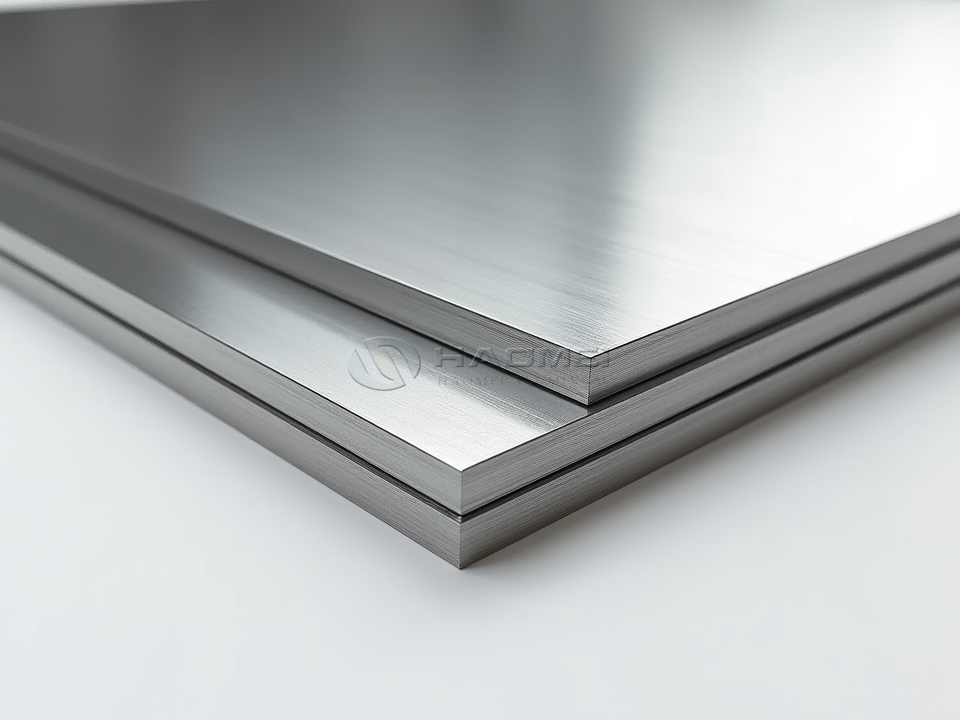
Common Applications for UV Reflective Aluminum Mirror Sheet
UV reflective mirror aluminum is widely used in ultraviolet lamp housings, UV curing tunnels, printing and coating lines, sterilization enclosures, mosquito-catching devices, optical reflectors, and scientific equipment. In these settings, the sheet acts as an internal reflector that helps direct radiation toward a working area.
Lighting systems are another major application. Reflective aluminum can shape the output of LED, fluorescent, HID, and specialty UV luminaires. A smooth, high-reflectance surface helps increase useful output without increasing lamp wattage. Designers should consider lamp temperature, beam geometry, and reflector distance because optical gain is determined by the entire fixture, not the sheet alone.
Architectural and commercial uses include suspended ceilings, interior wall panels, solar-control features, decorative facades, showroom finishes, and transport interiors. When a colored appearance is required, Anodized Mirror Aluminum Sheet provides a more durable alternative to untreated bright surfaces while maintaining a refined metallic reflection.
Typical Product Parameters
| Property | Common Range or Condition |
|---|---|
| Alloy | 1050, 1060, 1070, 1085, 3003 |
| Temper | O, H14, H16, H18, H24 |
| Thickness | 0.20 mm to 1.50 mm for common reflector stock |
| Width | 500 mm to 1,500 mm, subject to mill capability |
| Coil inner diameter | Commonly 405 mm or 505 mm |
| Surface finish | Bright rolled, polished, anodized, clear coated, color coated |
| Reflectance | Often 80% to 95% in visible bands, depending on finish and test method |
| Protective film | PVC or PE film, commonly 50 to 100 microns |
| Flatness requirement | Agreed according to end-use forming and optical requirements |
Spectral reflectance should be stated as a wavelength-based requirement when UV performance is critical. For example, a customer may require measured reflectance across 280 to 400 nm, 315 to 400 nm, or a lamp-specific wavelength such as 365 nm. This avoids confusion between visual gloss and actual UV effectiveness.
Alloy Chemistry and Temper Selection
High-purity 1xxx aluminum alloys are preferred when high reflectivity and clean surface finishing are priorities. Their lower alloying content supports bright polishing and consistent anodizing. Alloy 3003 contains manganese for higher strength and is useful where the panel needs more resistance to denting or forming stress, although its optical brightness may be lower than high-purity grades.
| Alloy | Al | Si + Fe | Cu | Mn | Mg | Zn | Typical Use |
|---|---|---|---|---|---|---|---|
| 1050 | 99.50 min | 0.40 max | 0.05 max | 0.05 max | 0.05 max | 0.05 max | General bright mirror sheet |
| 1060 | 99.60 min | 0.35 max | 0.05 max | 0.03 max | 0.03 max | 0.05 max | Lighting and decorative reflectors |
| 1070 | 99.70 min | 0.20 max | 0.04 max | 0.03 max | 0.03 max | 0.04 max | High-brightness optical surfaces |
| 1085 | 99.85 min | 0.12 max | 0.03 max | 0.02 max | 0.02 max | 0.03 max | Premium reflectors and precision uses |
| 3003 | Remainder | 0.60 max Si, 0.70 max Fe | 0.05-0.20 | 1.00-1.50 | 0.05 max | 0.10 max | Formed panels and stronger housings |
H14 temper is a common balance for sheet that must remain reasonably flat while allowing bending and profiling. H18 offers a harder surface and better resistance to handling marks but has lower formability. O temper is soft and suitable for deep drawing or complex shapes, while H24 can be selected when moderate strength and controlled forming performance are needed.
Standards, Inspection, and Fabrication Practice
Material can be supplied in accordance with ASTM B209 for aluminum and aluminum-alloy sheet and coil. Chemical composition may be referenced to EN 573-3, while mechanical properties can follow EN 485-2 where applicable. Anodized finishes may be evaluated using ISO 7599-related requirements, depending on the project specification.
Optical verification should be separate from dimensional inspection. ASTM E903 can support solar and spectral reflectance evaluation, while a spectrophotometer with an integrating sphere is appropriate when measuring UV response across a specified wavelength range. Film thickness, gloss, coating adhesion, color consistency, and surface defect limits should also be agreed before production.
During fabrication, use clean tools, non-marking rollers, and protective gloves. Laser cutting, punching, bending, and adhesive bonding are generally practical, but processing trials are recommended for highly reflective finishes. Keep the protective film in place until final installation, then remove it promptly to prevent adhesive residue after long storage or high-temperature exposure.
UV reflective aluminum mirror sheet performs best when specified as an optical surface rather than simply a polished metal panel. With the right alloy, temper, coating, and wavelength-based reflectance target, it becomes a dependable material for directing light, controlling energy, and creating durable reflective environments.