Architectural Mirror Aluminum Cladding
Architectural mirror aluminum cladding should be treated less like a shiny wall covering and more like a light-control surface. It does not merely reflect a building's surroundings. It edits them. Sky, trees, traffic, nearby structures, and pedestrians become part of the façade or interior finish, changing with weather, season, and viewing angle.
That quality gives mirror aluminum a special role in contemporary architecture. A small entrance canopy can appear lighter and wider. A retail ceiling can distribute light deeper into the room. A narrow lobby can gain visual depth without adding floor area. On a larger exterior elevation, reflection can help a building sit more quietly in its context, or deliberately make it appear active and theatrical.
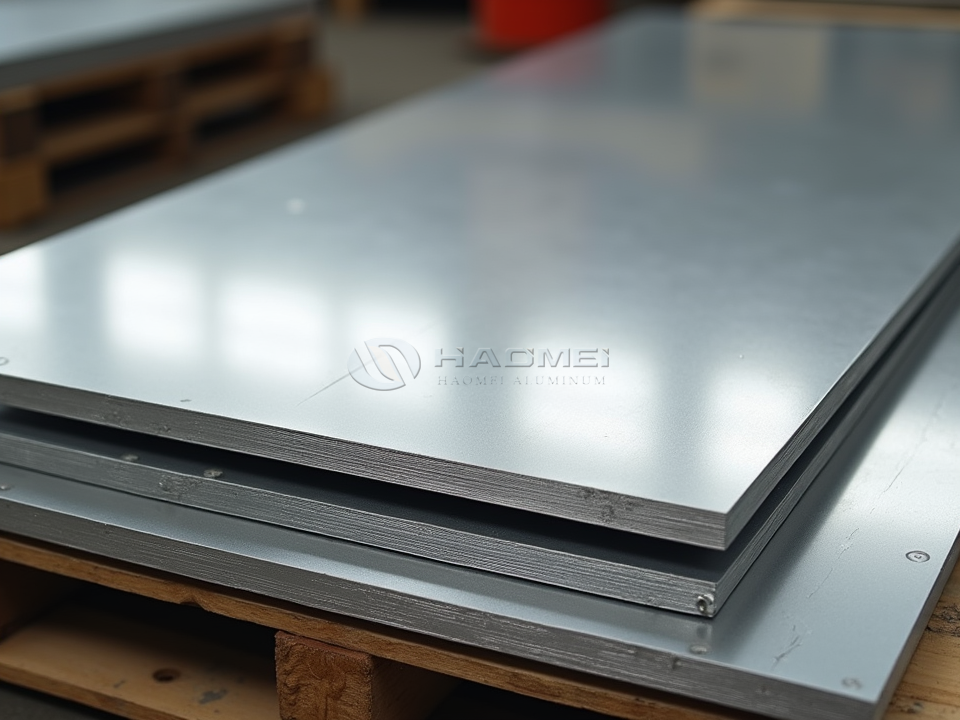
The strongest projects begin with one practical question: what should the surface reflect, and from where will people see it? This is more useful than simply asking for the highest possible gloss.
Reflection Is a Design Material
A mirror finish creates an image, but architectural cladding creates that image across joints, folds, corners, and changing planes. The panel layout therefore becomes visible in the reflected scene. Large panels may deliver a calm, continuous image, while smaller modules make reflections more fragmented and energetic. Neither effect is automatically better; the choice should match the building's intended character.
A façade facing open sky often benefits from wide, well-aligned panels because they produce broad, clean fields of reflection. In a dense urban street, slightly smaller panels can reduce the visual impact of inevitable distortion while giving installers more manageable components. For interior walls, ceiling grids, columns, and feature bands, modular divisions can become an intentional graphic pattern.
Flatness matters as much as brightness. Even a high-quality mirror aluminum surface will reflect ripples if the substrate, cassette fabrication, or support framing is uneven. This effect, commonly called oil canning, is especially noticeable in dark reflections or under low-angle sunlight. It is not always a material defect; it can result from thin sheet, excessive panel width, insufficient stiffening, careless handling, or uneven fastening.
For projects where reflection must remain crisp, specify panel dimensions, backing construction, stiffener arrangement, allowable flatness, and installation tolerances before fabrication begins. A finish sample alone cannot prove how a completed wall will look.
Choosing the Right Mirror Aluminum Surface
Mirror aluminum cladding may use mechanically polished, chemically polished, anodized, coated, or laminated surfaces. Each route produces a different balance of reflectivity, durability, color stability, and fabrication behavior.
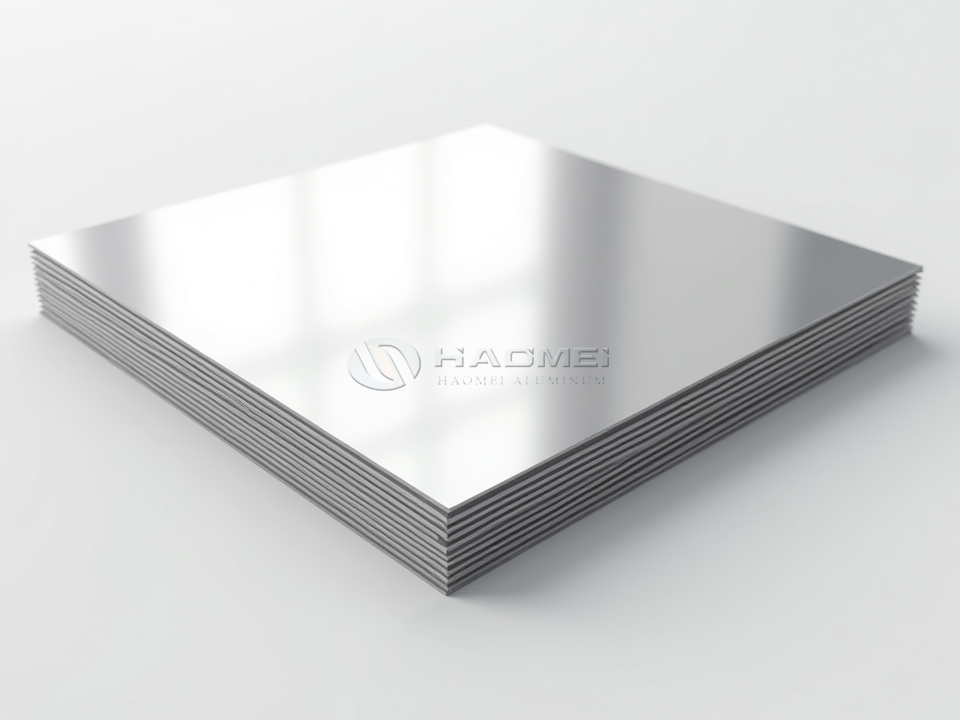
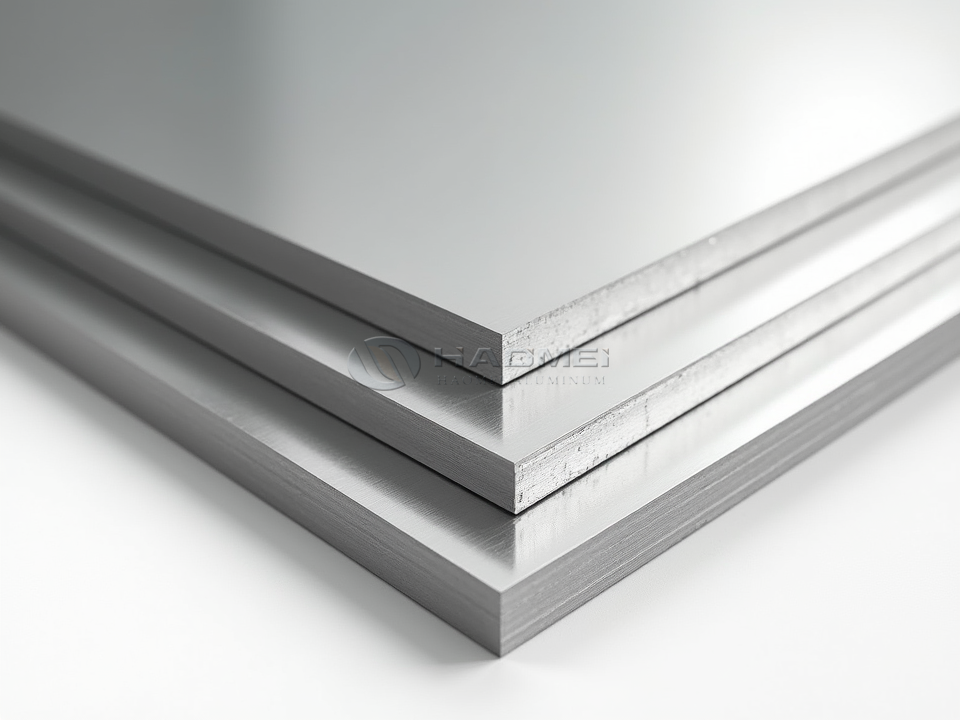
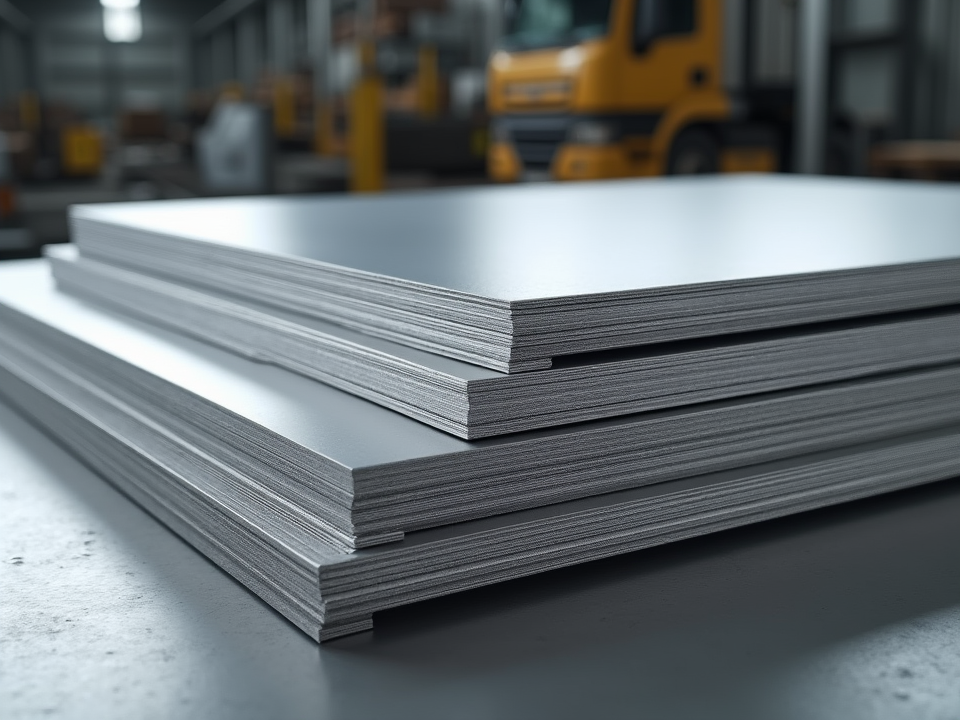
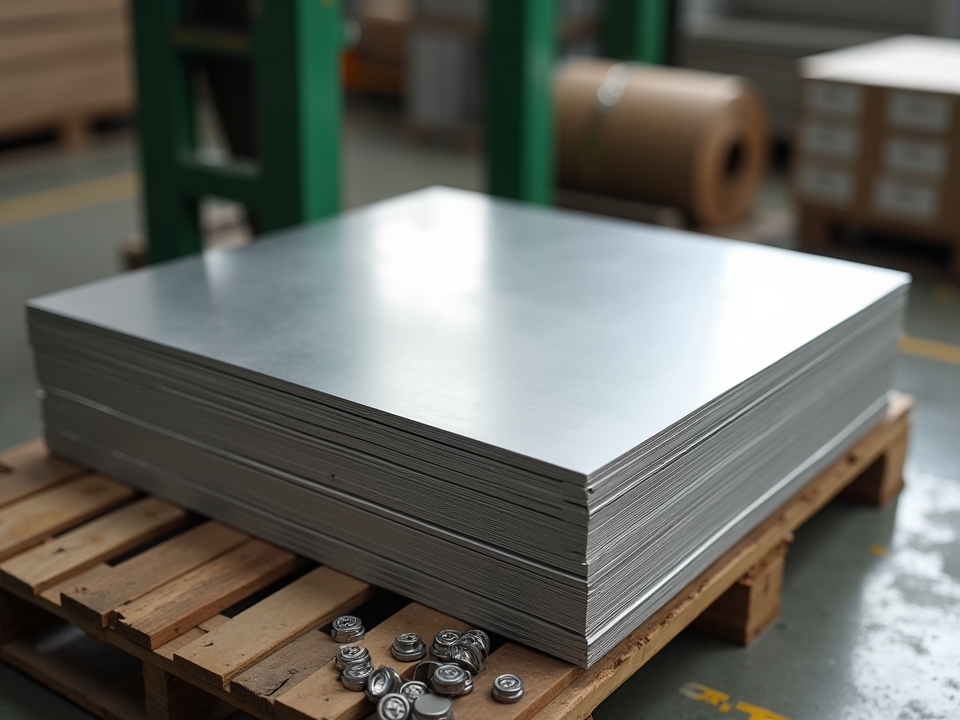
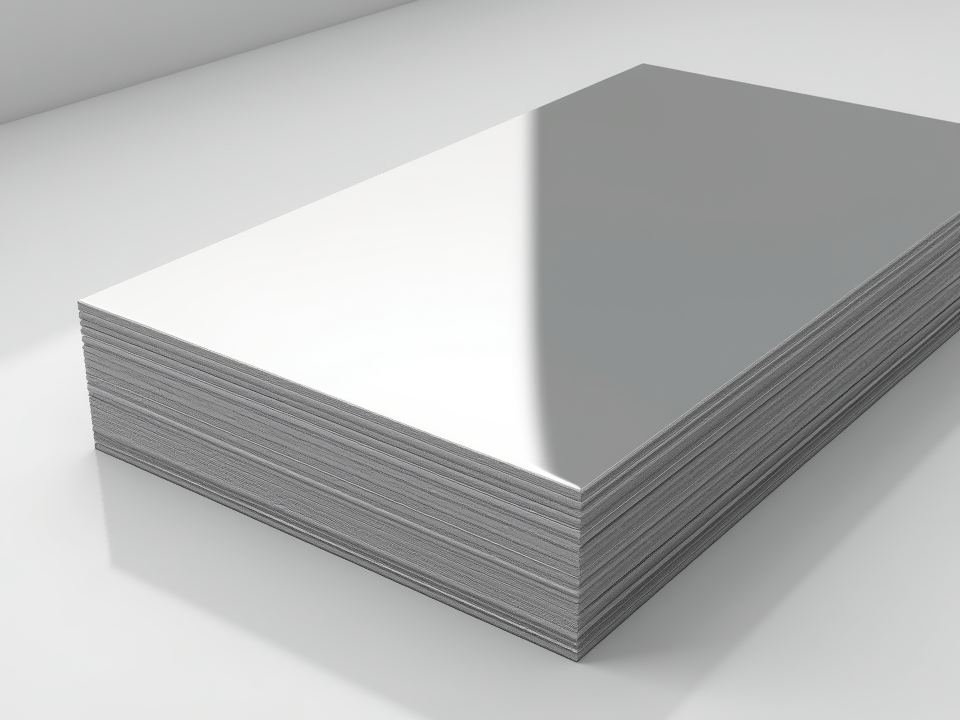
A bright Mirror Aluminum Sheet can provide the clean silver appearance often wanted for ceilings, interior feature walls, decorative panels, and protected soffits. For exterior exposure, the finish system deserves more scrutiny. Rain, airborne pollutants, ultraviolet radiation, cleaning chemicals, and abrasion can gradually change the appearance of an unprotected surface.
Anodized mirror aluminum adds a controlled oxide layer that improves corrosion resistance and provides a more stable architectural finish. It can be specified in silver, champagne, bronze, black, or other tones depending on the anodizing process. A dark anodized mirror surface can create a more restrained reflection than bright silver, often helping architects avoid glare while retaining depth.
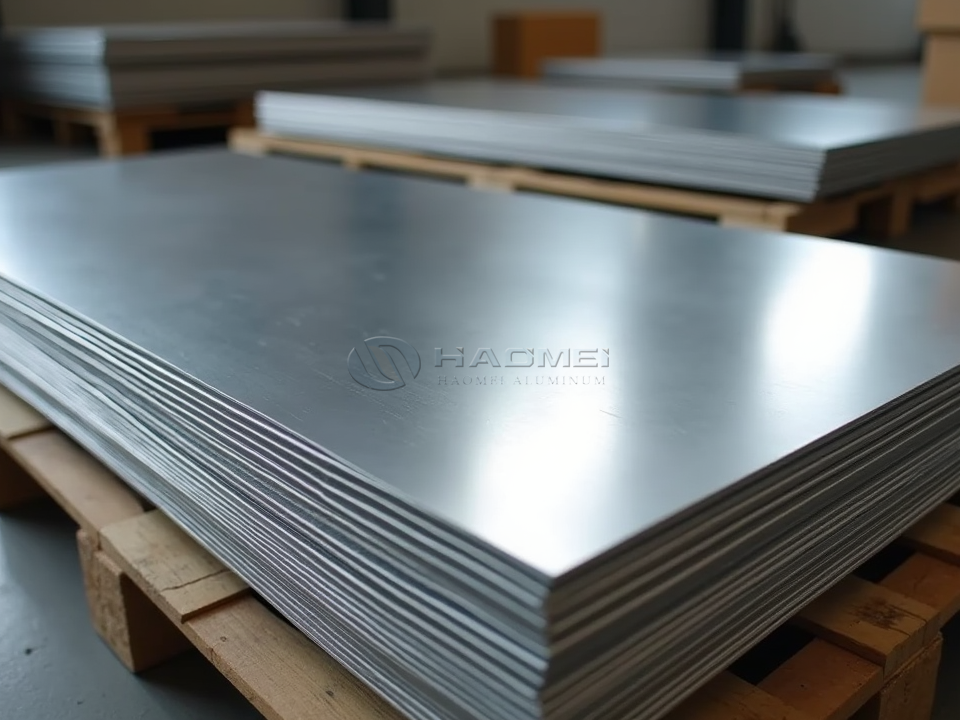
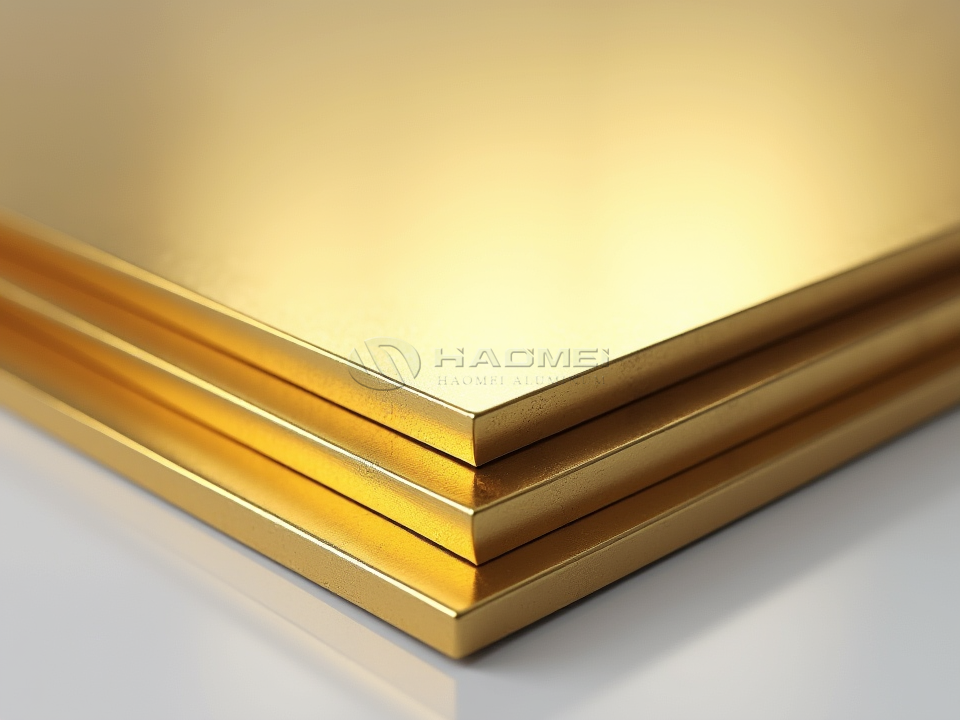
For color-focused interiors or brand environments, Colored Mirror Aluminum Sheet offers another direction. Gold, black, bronze, blue, and other decorative tones can reflect light while shifting the emotional tone of the space. Gold surfaces can make hospitality areas feel warm and dramatic; black mirror panels create depth and contrast, though fingerprints and surface dust may be more visible.
Alloy selection should follow the fabrication method and service environment. Commercially pure grades such as 1060 and 1070 are widely used where high brightness, forming ability, and decorative performance are important. For cladding components requiring more strength or improved dent resistance, alloys such as 3003 may be considered. The actual choice should also account for thickness, panel shape, folding radius, support system, and exposure conditions.
Detail the Panel, Not Just the Sheet
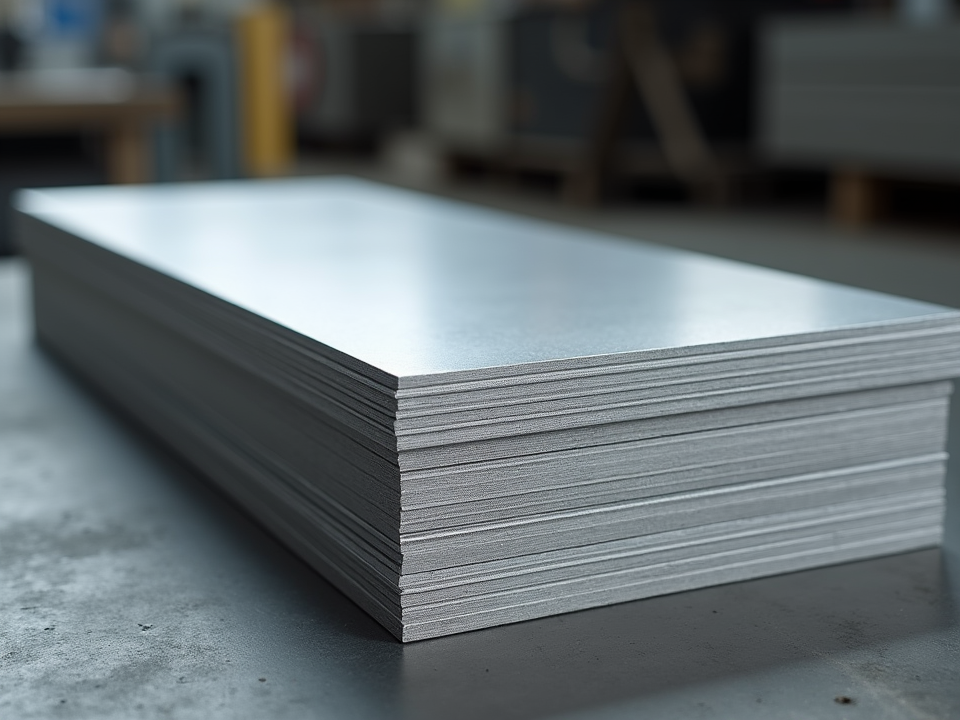
Mirror aluminum is often supplied as coil or sheet, but architecture demands a finished panel system. The material may be folded into cassettes, bonded to a core, mounted on a honeycomb backing, or fixed to a framed support structure. Each option affects rigidity, thermal movement, cost, and visual quality.
Cassette panels with returned edges can produce clean shadow joints and hidden fixings. They are effective for rainscreen façades, column wraps, and large interior wall fields. Bonded composite constructions may improve stiffness at low weight, but adhesive compatibility and edge sealing need careful review. Honeycomb-backed panels can provide excellent flatness for premium interior applications, display walls, elevator surrounds, and controlled-environment spaces.
Joints should be designed as visual lines, not tolerated interruptions. A narrow dark reveal can frame each panel and hide small construction variation. Open joints need a suitable cavity and weather-management strategy for exterior use. If panels are installed horizontally, consider how water will move across seams and whether dirt may collect at lower edges.
Thermal expansion also deserves attention. Aluminum moves more than many building materials when temperatures change. Long panels need movement allowance through fixing design, slots, clips, or flexible joint details. Rigidly restraining a large panel can create distortion, noise, or stress around fasteners.
Glare, Orientation, and Human Comfort
A mirror façade can be spectacular, but uncontrolled reflection may be uncomfortable for drivers, neighboring occupants, or people using adjacent outdoor areas. Site orientation changes the risk. A highly reflective south- or west-facing surface may cast intense light at certain times of day, while a shaded north elevation may appear much softer.
Before final selection, review the building from realistic viewing points: sidewalk level, street approach, nearby windows, vehicle routes, terraces, and public spaces. Digital renderings help, but full-size mock-ups are more dependable because they reveal actual sky conditions, reflected clutter, panel waviness, and glare behavior.
For sensitive locations, consider a lower-gloss mirror treatment, a darker anodized finish, angled fins, recessed panels, perforated screens, or selective use of mirror cladding rather than covering an entire elevation. Reflection can be concentrated where it adds value, such as entrances, public-facing corners, ceilings, or protected courtyards.
Fabrication and Installation Discipline
Mirror surfaces show fingerprints, scratches, adhesive marks, and handling damage more readily than brushed or matte aluminum. Protective film should remain on the face during cutting, bending, transport, and installation, then be removed at the appropriate stage. Leaving film exposed to strong sun for too long can make removal difficult or leave adhesive residue.
Fabricators should use clean worktables, non-marking tools, controlled bend radii, and separated storage. Panels should never be dragged across one another. During installation, suction cups, soft gloves, and clean temporary protection are sensible precautions. Small habits have a large effect on the final visual result.
Cleaning should use clean water, mild neutral detergent, and soft non-abrasive cloths. Avoid harsh alkaline cleaners, aggressive solvents, steel wool, and abrasive pads. For exterior cladding, periodic washing prevents pollution deposits from becoming permanent-looking stains and keeps the reflected image clearer.
A Surface That Makes Architecture Move
Architectural mirror aluminum cladding is most successful when it responds to a building's surroundings rather than competing with them. Its value comes from motion: clouds passing across a wall, daylight reaching farther into an interior, and familiar views becoming layered with the building itself.
Choose the finish based on exposure, expected reflection, maintenance access, and fabrication method. Then test the whole panel system at full scale. When material, geometry, and installation are considered together, mirror aluminum becomes more than a decorative skin. It becomes an active architectural surface that changes throughout the day while remaining lightweight, durable, and precisely buildable.