Pure Polished Aluminum Sheet Mirrors
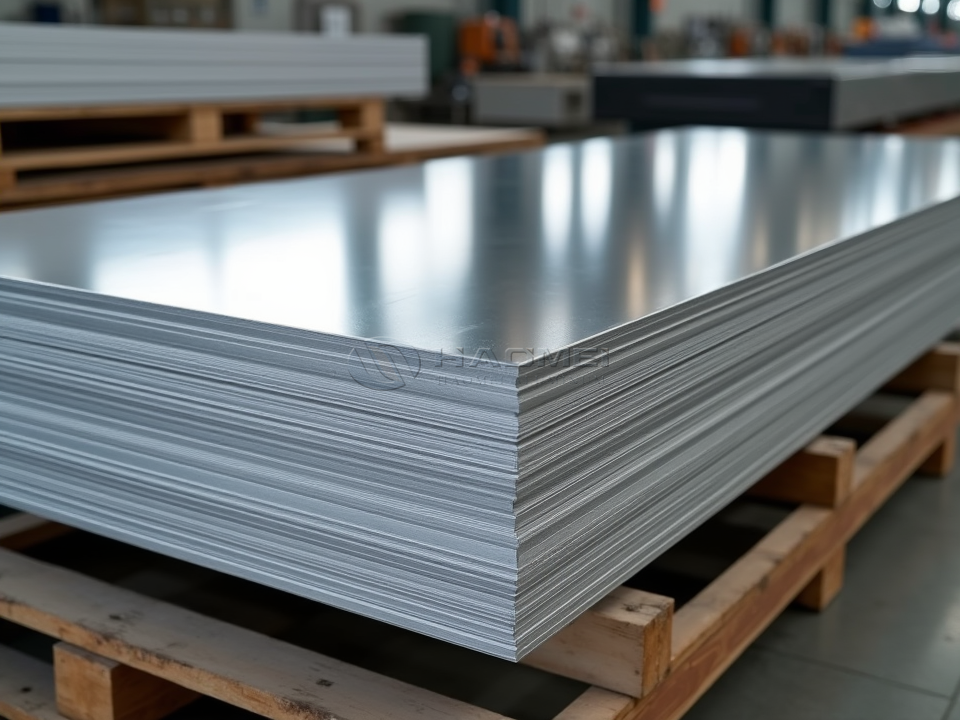
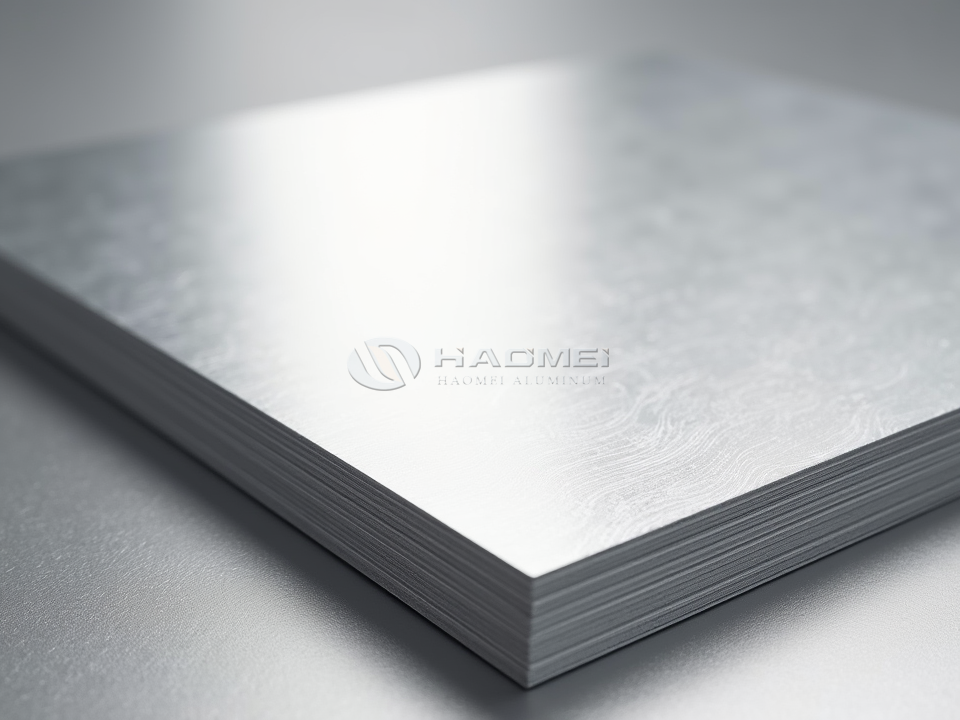
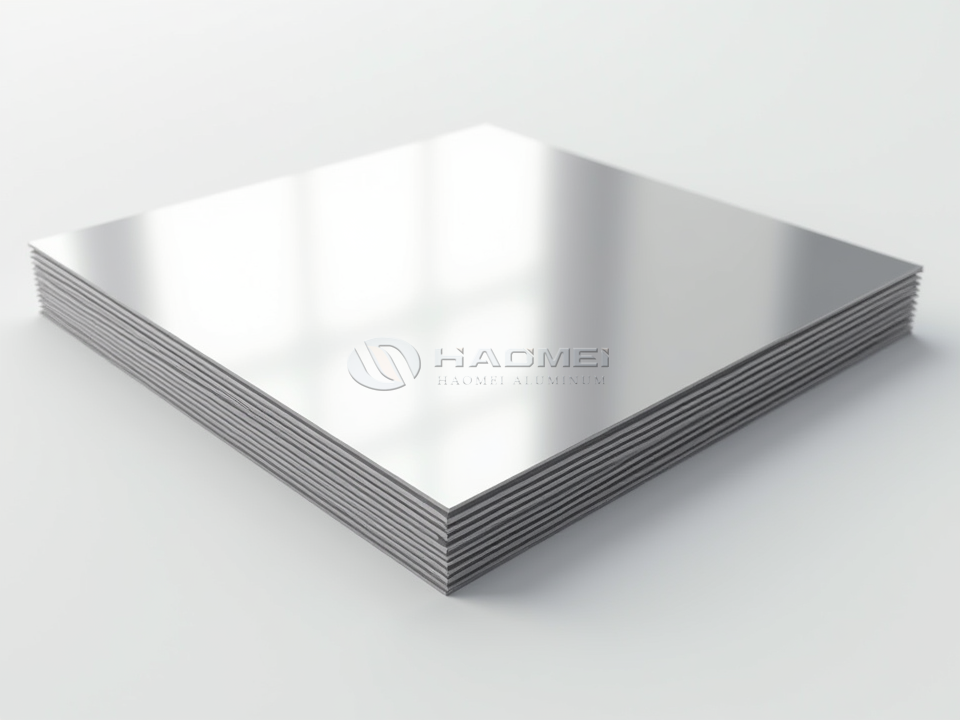
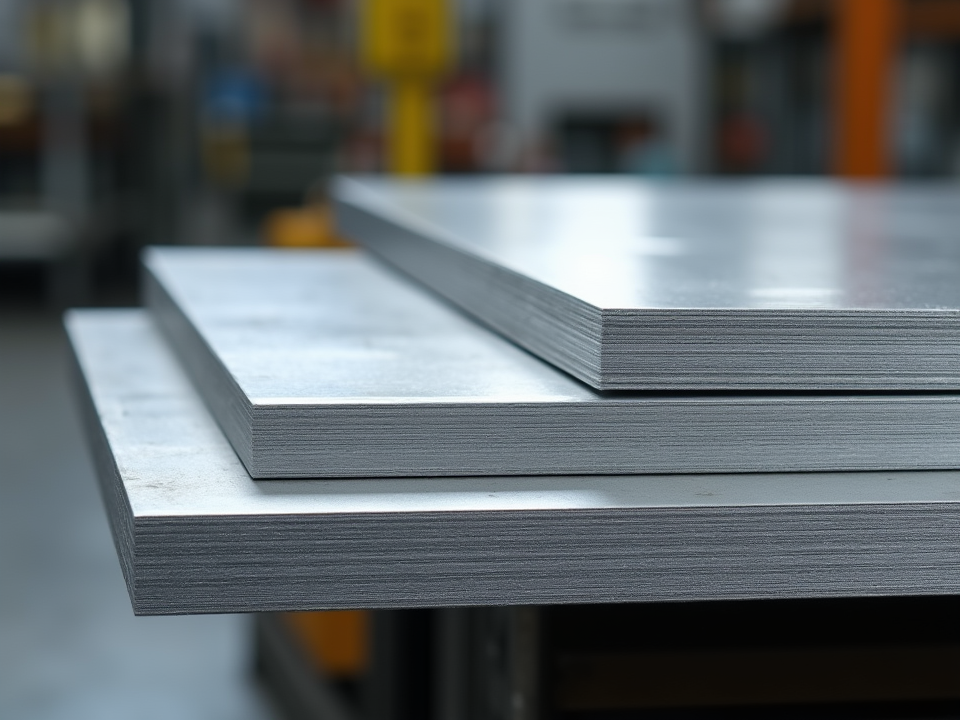
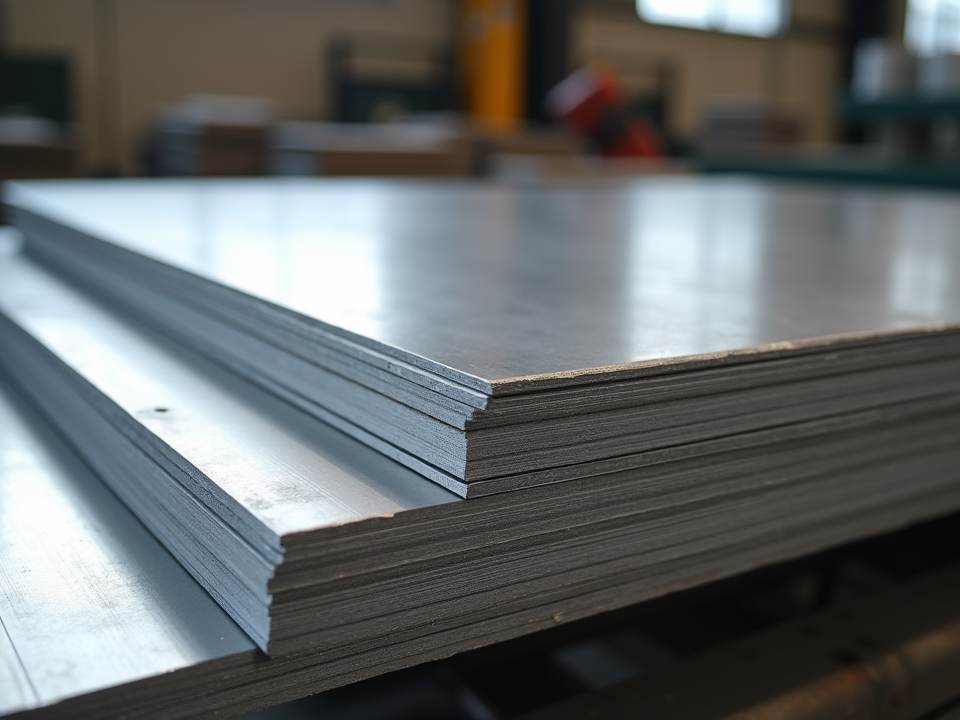
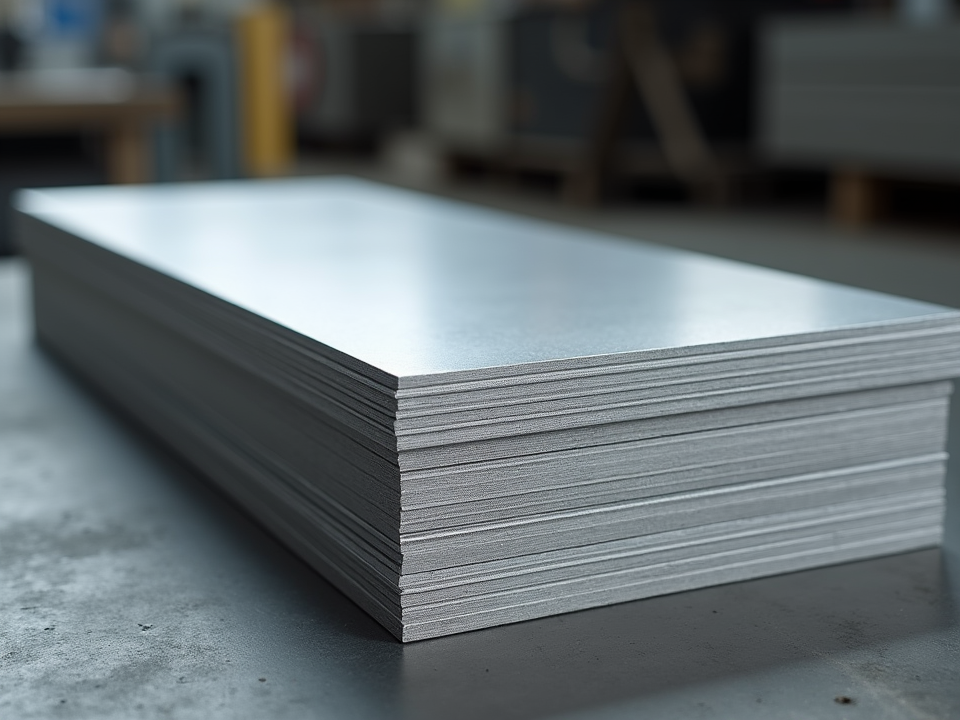
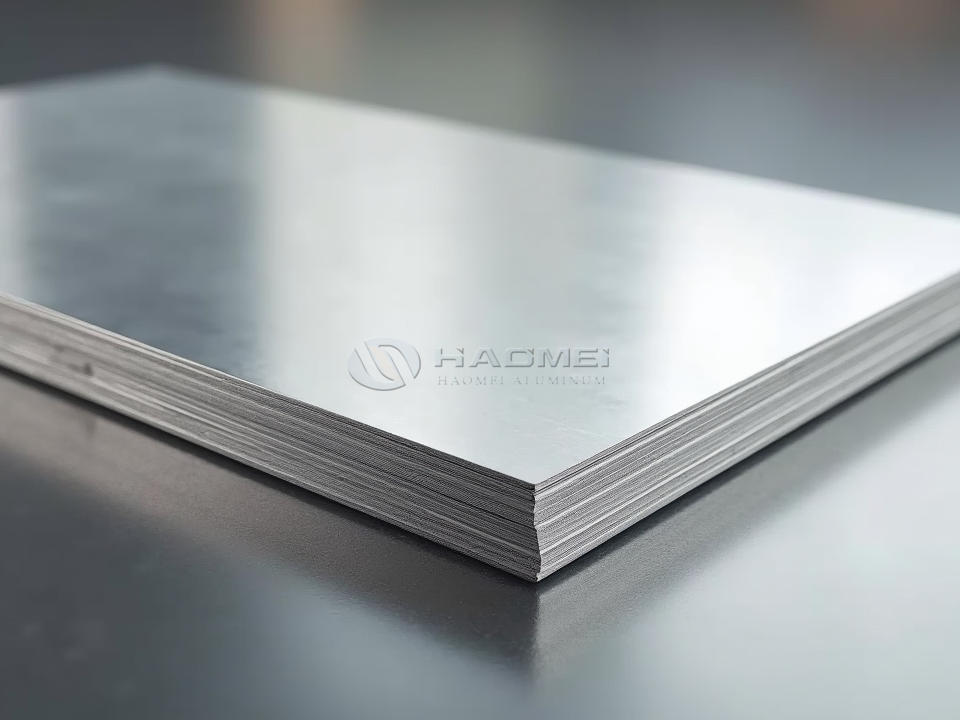
Pure polished aluminum sheet mirrors are high-reflectivity aluminum products made primarily from 1xxx-series commercial pure aluminum. Their bright, smooth surface creates a mirror-like visual effect while retaining the practical benefits of aluminum: low weight, excellent formability, thermal conductivity, and natural corrosion resistance.
These sheets are widely selected where appearance and light reflection matter equally. Interior ceilings, lamp reflectors, decorative panels, household appliances, display fixtures, signage, and solar-related components can benefit from their clean metallic brilliance. Compared with glass mirrors, polished aluminum provides safer handling, easier fabrication, and substantially lower weight.
Product Characteristics
Pure polished aluminum sheet mirrors are commonly produced from alloys such as 1050, 1060, 1070, and 1085. The aluminum purity of these grades produces a bright base metal with excellent rolling and polishing behavior. Through mechanical polishing, chemical brightening, or advanced mirror rolling processes, the surface achieves a clear and uniform reflective finish.
| Property | Performance Benefit |
|---|---|
| High aluminum purity | Provides a bright surface and strong corrosion resistance |
| Mirror-polished finish | Enhances visual appeal and improves light reflection |
| Low density | Reduces structural load and simplifies installation |
| Good ductility | Supports bending, stamping, spinning, and roll forming |
| High thermal conductivity | Suitable for lighting housings and heat-transfer components |
| Non-magnetic material | Appropriate for electrical and specialized decorative uses |
| Recyclable metal | Supports material efficiency and sustainable manufacturing |
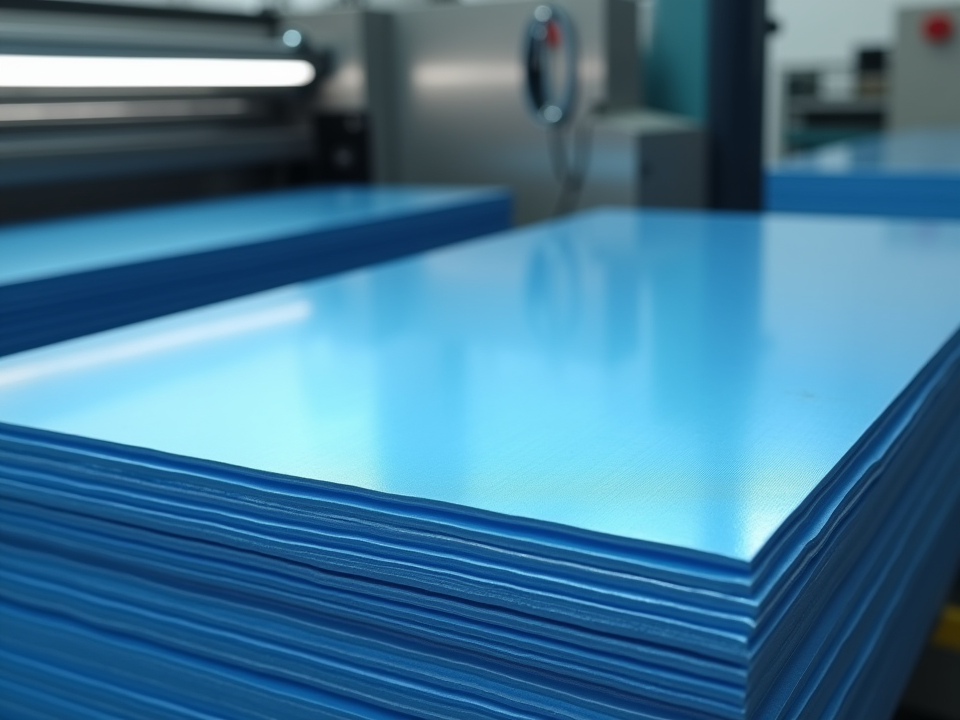
The sheet surface can be supplied with a protective PVC, PE, or laser film to reduce scratches during cutting, bending, transport, and installation. For demanding architectural environments, an anodized or coated surface may be specified to improve abrasion resistance and long-term appearance retention.
Common Alloy Options and Chemical Composition
The purity level of the base alloy influences reflectivity, strength, and forming response. 1060 is one of the most frequently used choices because it balances brightness, availability, and economical processing. 1070 and 1085 offer higher aluminum content for applications needing enhanced reflectance or electrical conductivity.
| Alloy | Al, Min. % | Si + Fe, Max. % | Cu, Max. % | Mn, Max. % | Mg, Max. % | Typical Use |
|---|---|---|---|---|---|---|
| 1050 | 99.50 | 0.40 | 0.05 | 0.05 | 0.05 | Decorative panels and general reflectors |
| 1060 | 99.60 | 0.35 | 0.05 | 0.03 | 0.03 | Lighting, ceilings, appliance trim |
| 1070 | 99.70 | 0.20 | 0.04 | 0.03 | 0.03 | High-reflection and electrical parts |
| 1085 | 99.85 | 0.12 | 0.03 | 0.02 | 0.02 | Premium optical and reflector surfaces |
Chemical values may vary slightly according to the applicable ASTM, EN, GB, JIS, or customer-specific standard. Material certificates can be supplied for projects requiring verified composition and mechanical test data.
Technical Specifications
| Item | Standard Supply Range | Custom Possibilities |
|---|---|---|
| Alloy | 1050, 1060, 1070, 1085 | Alloy selection by reflectance and forming requirement |
| Temper | O, H14, H16, H18, H24 | Tailored hardness and coil processing |
| Thickness | 0.20-3.00 mm | Wider thickness range upon request |
| Width | 300-1,600 mm | Slitting to required width |
| Length | 500-6,000 mm | Cut-to-length sheets and blanks |
| Surface finish | Bright polished, mirror rolled, anodized mirror | Silver, gold, black, brushed, colored finishes |
| Reflectivity | Approximately 80%-95% | Depends on polishing process and protective coating |
| Protective film | PE, PVC, laser film, paper interleaf | Film thickness and adhesion can be specified |
| Supply form | Sheet, coil, strip, circle blank | Embossed or perforated processing available |
| Physical Parameter | Typical Value for Pure Aluminum |
|---|---|
| Density | 2.70 g/cm³ |
| Melting range | Approximately 655-660°C |
| Thermal conductivity | Approximately 220-235 W/m·K |
| Electrical conductivity | Approximately 55%-62% IACS |
| Elastic modulus | Approximately 69 GPa |
| Thermal expansion coefficient | Approximately 23.6 × 10⁻⁶/K |
Mechanical Properties by Temper
Mechanical performance changes with temper. Annealed O temper is preferred where deep drawing or complex shaping is required. H14 and H16 provide a useful balance of stiffness and workability. H18 is harder and is often selected for flat decorative panels where greater rigidity is desired.
| Temper | Tensile Strength, MPa | Yield Strength, MPa | Elongation, Typical | Suitable Fabrication |
|---|---|---|---|---|
| O | 60-95 | 20-40 | 25%-35% | Deep drawing, spinning, complex bending |
| H14 | 95-125 | 75-105 | 8%-16% | General bending, ceiling panels, reflectors |
| H16 | 110-140 | 90-120 | 5%-12% | Decorative sheets and appliance components |
| H18 | 130-160 | 115-145 | 2%-6% | Flat panels, trim, rigid reflective parts |
Actual values depend on alloy, thickness, rolling route, and test method. For tightly controlled fabrication, buyers should match the temper to bend radius, forming depth, and panel flatness requirements.
Applications
Pure polished aluminum sheet mirrors offer a crisp metallic appearance without the fragility of glass. Their reflective surface can distribute light efficiently, brighten enclosed spaces, and add a modern finish to fabricated products.
| Application Area | Typical Product Use | Preferred Material Features |
|---|---|---|
| Lighting | Lamp reflectors, LED housings, luminaires | High reflectivity and thermal conductivity |
| Interior decoration | Wall cladding, elevator trims, partitions | Bright appearance and easy fabrication |
| Ceiling systems | Suspended ceilings, baffles, decorative tiles | Low weight and corrosion resistance |
| Appliances | Cooker hoods, panel trims, small equipment covers | Clean surface and formability |
| Signage | Letter faces, display boards, advertising panels | Visual brightness and easy cutting |
| Transportation | Interior trim, reflective panels, accessories | Low mass and good durability |
| Solar equipment | Reflective backing and light-management components | High light reflection |
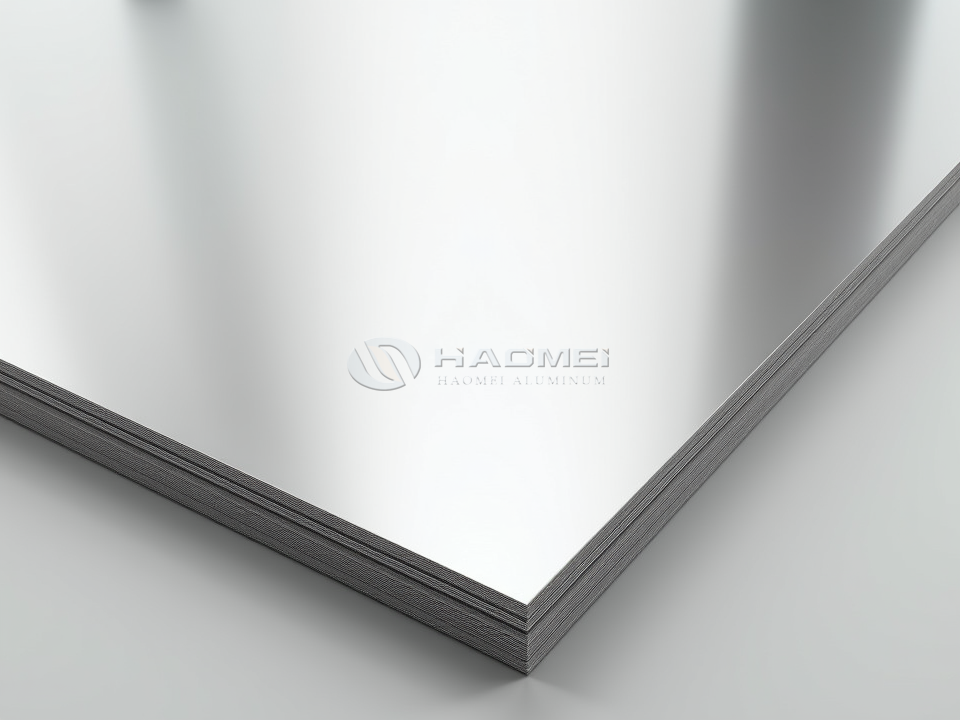
For broader finish options, including silver, gold, black, and protective anodized surfaces, explore our Mirror Aluminum Sheet range.
Fabrication and Handling Guidance
The mirror surface should be protected from abrasive contact throughout fabrication. Film removal is normally completed after installation or final assembly. Use clean gloves, non-marking handling equipment, and smooth worktables to avoid fingerprinting or surface scratches.
| Operation | Recommended Practice |
|---|---|
| Cutting | Use sharp blades or clean laser settings to minimize edge burrs |
| Bending | Select a suitable bend radius to avoid surface stress marks |
| Stamping | Apply clean tooling and protective interleaf materials |
| Cleaning | Use soft cloths with neutral cleaner; avoid strong alkalis and abrasives |
| Storage | Keep dry, ventilated, and separated from corrosive materials |
| Installation | Retain protective film until adjacent construction work is complete |
Why Choose Pure Polished Aluminum Sheet Mirrors
Pure polished aluminum sheet mirrors combine reflective performance with practical metalworking flexibility. They can be cut, folded, embossed, perforated, laminated, and formed into lightweight finished parts. Their natural oxide layer helps resist normal atmospheric corrosion, while optional anodizing or coating can provide added protection in humid or frequently touched environments.
Material selection should consider reflectivity target, thickness, temper, final shape, coating need, and surface protection method. A properly specified polished aluminum mirror sheet delivers consistent brightness, efficient fabrication, and an attractive finish for decorative and functional projects.