Cosmetic Packaging Mirror Aluminum
In cosmetic packaging, the material is often judged before the product is opened. A compact case, lipstick tube, perfume cap, or eye-shadow palette can communicate luxury through weight, color, touch, and especially reflection. Cosmetic packaging mirror aluminum is designed for this visual role. It brings a bright metallic appearance to beauty packaging while remaining light, formable, recyclable, and compatible with protective surface treatments.
Unlike a conventional glass mirror, mirror-finish aluminum is a precision-processed metal sheet or coil with a highly smooth surface. The reflective effect is created through rolling, polishing, chemical brightening, anodizing, or coated finishing. This makes the material more suitable for thin decorative panels and shaped packaging components where glass would be too fragile or too heavy.
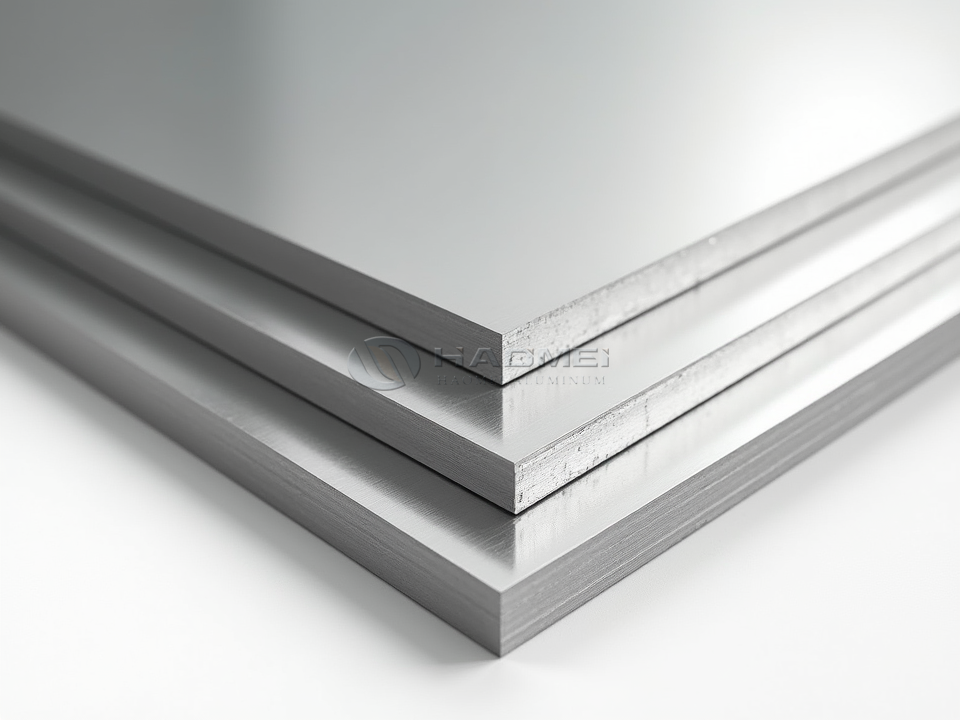
Why Mirror Aluminum Fits Cosmetic Packaging
The beauty industry needs packaging that survives filling, transport, retail display, and frequent handling. Mirror aluminum meets this challenge by combining decorative brilliance with practical performance. It can be stamped into compact lids, shallow trays, bottle collars, palette shells, gift-box panels, and decorative inlays. The metal also supports laser marking, embossing, silk-screen printing, UV printing, hot stamping, and adhesive lamination when the surface system is selected correctly.
Its value is not simply high brightness. A premium cosmetic surface should reflect light evenly rather than show distorted images, roller marks, oil stains, fingerprints, or inconsistent color. For this reason, material selection should consider reflectance, surface waviness, coating adhesion, film protection, and forming behavior as one connected specification.
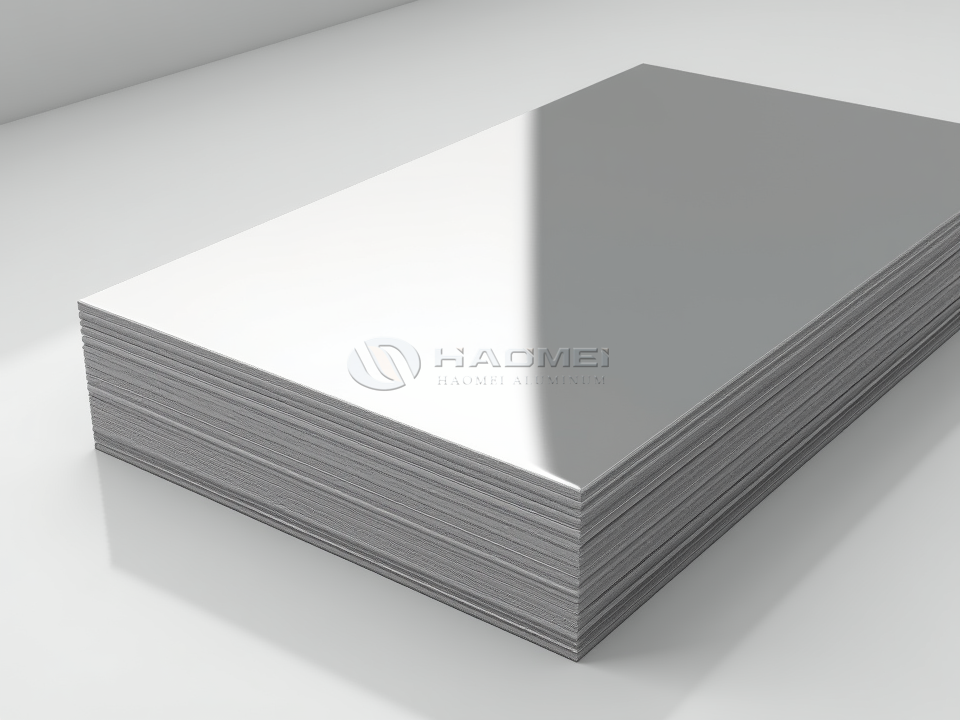
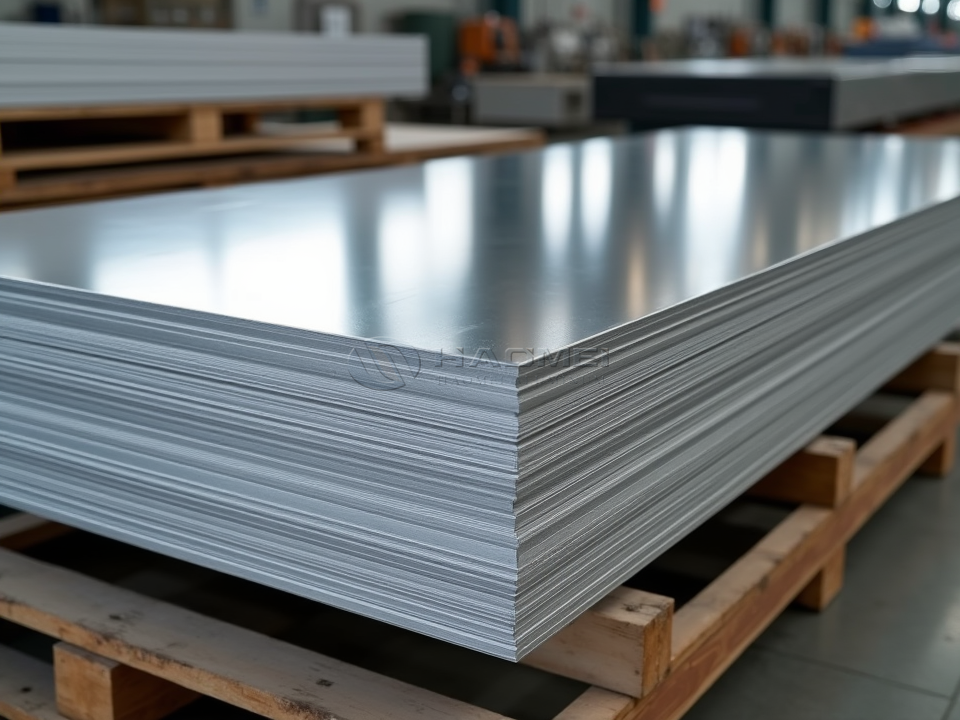
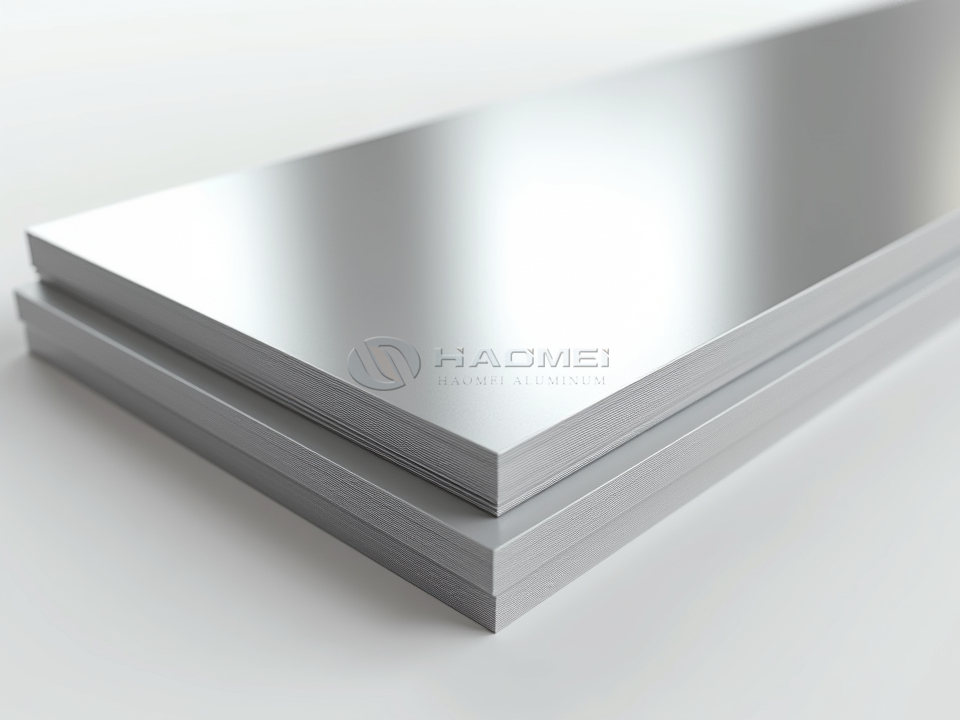
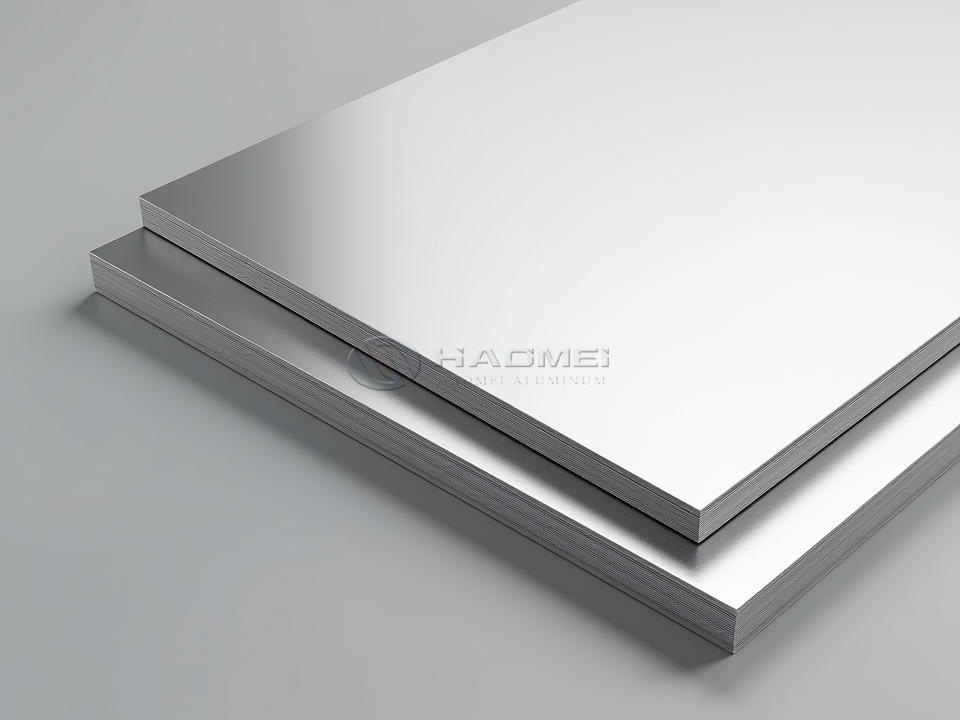
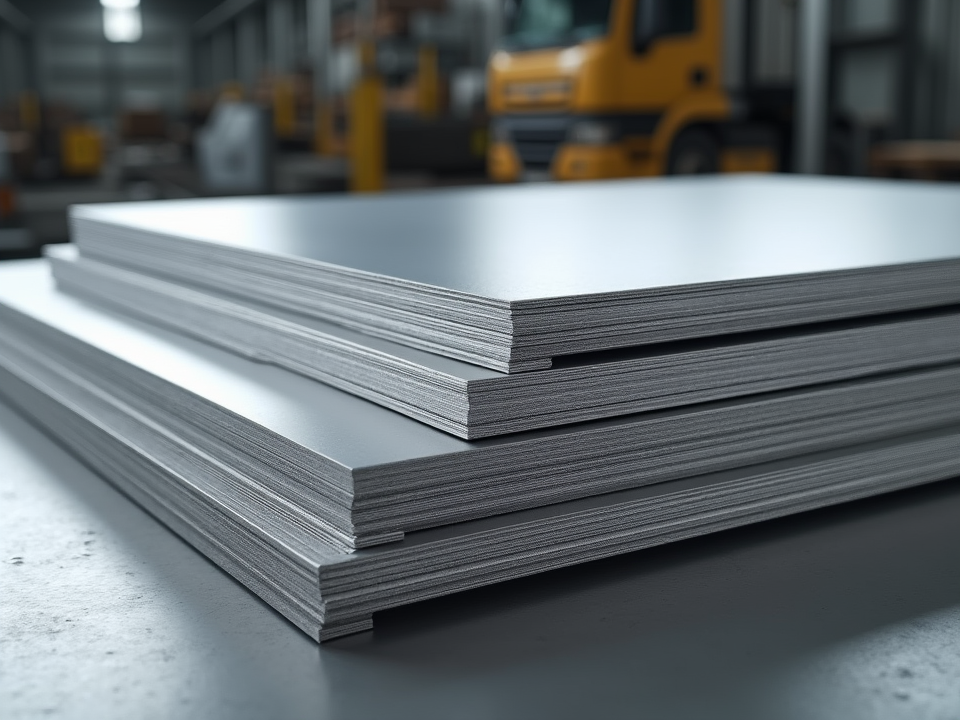
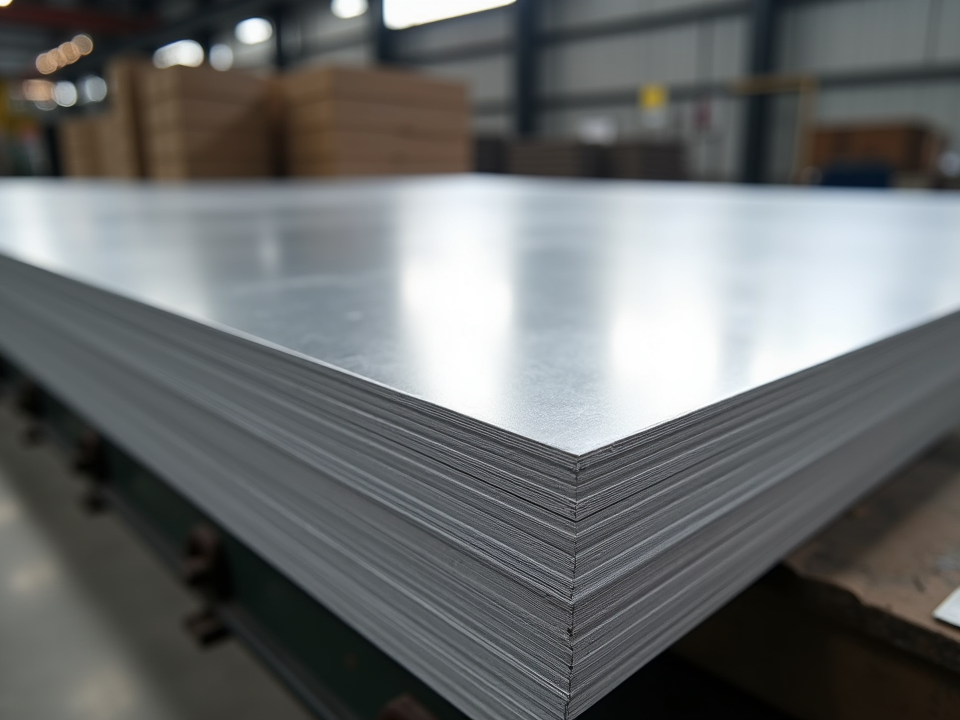
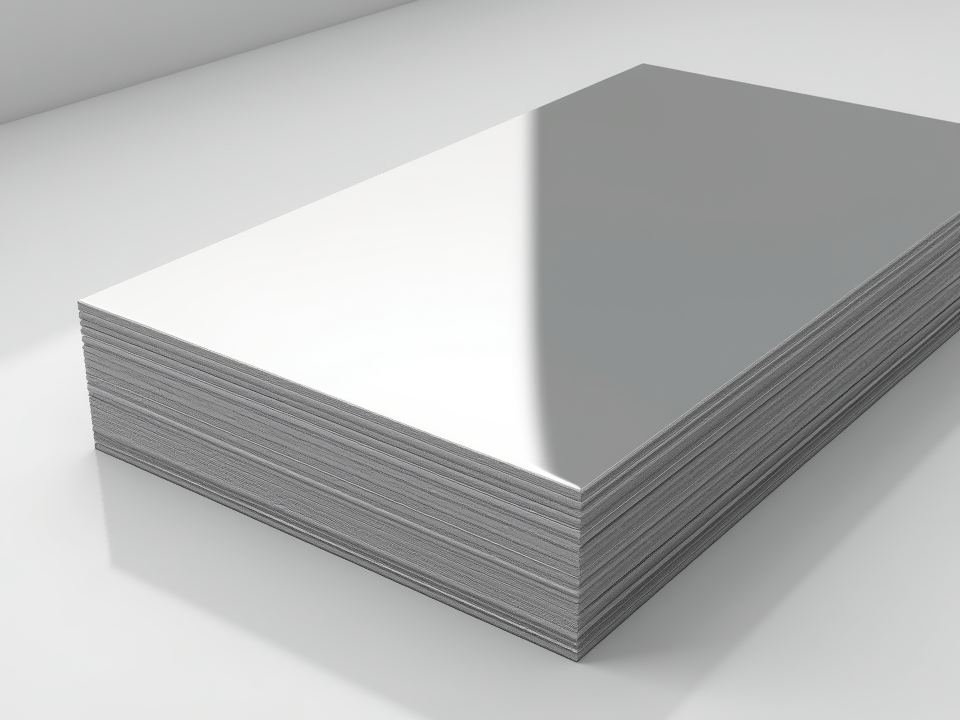
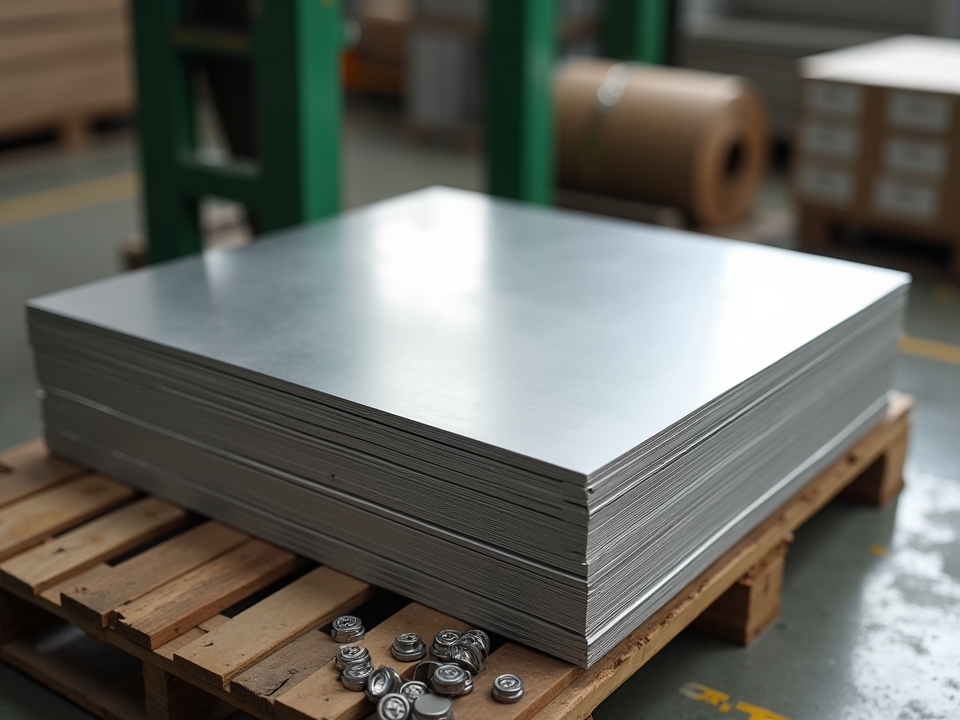
A polished Mirror Aluminum Sheet is especially effective for silver-toned compact covers and fragrance packaging, while colored or anodized finishes give designers more freedom to create gold, champagne, rose gold, black, or deep metallic brand identities.
Alloy Choice: Purity Supports Brilliance
The 1xxx aluminum series is widely used for cosmetic mirror finishes because high aluminum purity supports a clean, bright surface. Grades such as 1060, 1070, and 1085 are common choices. Their low alloying-element content helps achieve stable polishing and attractive anodized or coated appearances.
1060 is often selected for general cosmetic panels and decorative caps where good formability and economical processing are required. 1070 and 1085 provide higher aluminum content and are favored when surface brightness, uniform reflection, and fine finishing are especially important. For parts that need more structural stiffness, 3003 alloy can be considered, although it does not normally deliver the same mirror clarity as high-purity aluminum grades.
For applications demanding dependable brightness and easy fabrication, 1060 Mirror Aluminum Sheet offers a practical balance between reflectivity, cost, and press-forming performance.
Typical Chemical Composition
The chemical composition influences brightness, corrosion behavior, conductivity, and the response to anodizing or coating. Values may vary slightly according to the applicable material standard and mill tolerance.
| Alloy | Al | Si | Fe | Cu | Mn | Mg | Zn | Ti | Other Elements |
|---|---|---|---|---|---|---|---|---|---|
| 1060 | ≥99.60% | ≤0.25% | ≤0.35% | ≤0.05% | ≤0.03% | ≤0.03% | ≤0.05% | ≤0.03% | ≤0.03% each |
| 1070 | ≥99.70% | ≤0.20% | ≤0.25% | ≤0.04% | ≤0.03% | ≤0.03% | ≤0.04% | ≤0.03% | ≤0.03% each |
| 1085 | ≥99.85% | ≤0.12% | ≤0.25% | ≤0.03% | ≤0.02% | ≤0.02% | ≤0.03% | ≤0.03% | Controlled by standard |
| 3003 | Balance | ≤0.60% | ≤0.70% | ≤0.20% | 1.00–1.50% | ≤0.05% | ≤0.10% | ≤0.10% | ≤0.05% each |
High-purity mirror aluminum naturally develops a thin aluminum oxide layer in air. This oxide layer contributes to corrosion resistance, but it is not a substitute for a designed protective finish in cosmetic packaging. Hand oils, alcohol-based products, perfume vapors, salt exposure, and repeated cleaning can affect an untreated mirror surface over time.
Surface Systems That Preserve Reflection
Bare polished aluminum provides a vivid metallic appearance but requires careful handling and protective film. For mass-market cosmetic components, coated mirror aluminum is often more practical. A transparent lacquer can reduce oxidation and fingerprint visibility while maintaining a bright silver effect. Colored coatings create gold, black, bronze, blue, or rose-metal appearances without changing the aluminum substrate.
Anodizing forms a harder oxide layer that is integrated with the aluminum surface. It improves wear resistance and provides a refined metallic texture, although the final reflectance depends on the base polishing quality and anodic film design. Clear anodizing is often selected for durable premium packaging, while dyed anodizing can support sophisticated decorative colors.
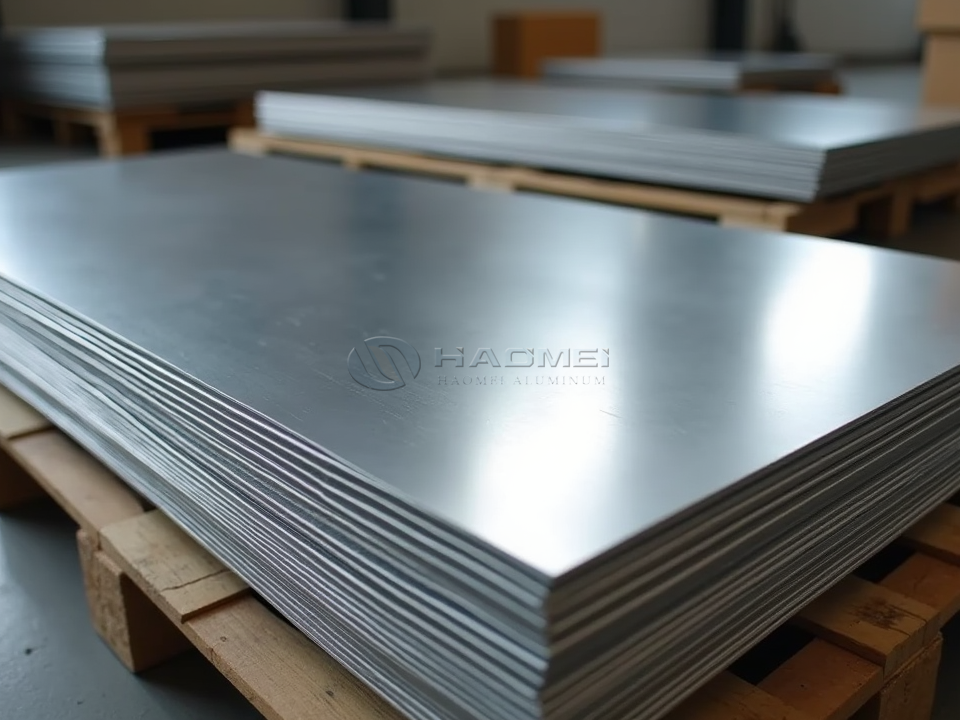
When specifying cosmetic packaging mirror aluminum, the surface should be discussed in practical terms: bright mirror, high mirror, semi-mirror, brushed mirror, clear anodized mirror, color-coated mirror, or protective-film mirror. Samples should be evaluated under retail lighting, not only in a factory inspection area. Warm store lighting can make gold finishes appear richer, while cool lighting can emphasize waviness, scratches, or color variation.
Temper and Forming Conditions
Temper determines how the sheet behaves during stamping, bending, shallow drawing, and assembly. Softer tempers are preferred for parts with curves or embossed logos. Harder tempers improve dent resistance and panel flatness but can increase cracking risk in severe forming.
| Temper | Condition | Typical Cosmetic Packaging Use |
|---|---|---|
| O | Fully annealed, soft | Deep drawing, curved caps, embossed decorative parts |
| H14 | Half-hard | Compact covers, shallow trays, folded panels |
| H16 | Three-quarter hard | Decorative shells needing improved stiffness |
| H18 | Full-hard | Flat inserts, label panels, rigid display details |
| H24 | Strain-hardened and partially annealed | Balanced forming and surface stability for stamped components |
Typical thickness for cosmetic packaging mirror aluminum ranges from 0.20 mm to 1.00 mm. Thin gauges around 0.20–0.50 mm are common for laminated panels, outer shells, and lightweight covers. Thicknesses from 0.50–0.80 mm are often chosen for compact cases and press-formed components. Wider decorative panels may use 0.80–1.00 mm where stiffness matters.
Common Parameters and Implementation Standards
Material requirements should be confirmed through drawings, approved samples, and inspection criteria before production. Important parameters include thickness tolerance, width tolerance, flatness, reflectance level, surface roughness, coating thickness, protective film type, and allowable scratch level.
| Parameter | Common Range or Requirement |
|---|---|
| Thickness | 0.20–1.00 mm for most cosmetic components |
| Width | Cut-to-size sheet or coil slit to design requirement |
| Surface finish | Bright mirror, polished, anodized mirror, color-coated mirror |
| Reflectance | Commonly 80–95%, depending on finish system |
| Protective film | PE film, usually low or medium tack, removable after fabrication |
| Surface roughness | Low Ra value required for strong visual clarity |
| Forming method | Stamping, bending, shallow drawing, embossing, lamination |
| Standards | ASTM B209, EN 485, EN 573, JIS H4000, GB/T 3880 where applicable |
| Compliance options | RoHS, REACH, packaging-material and coating compliance upon request |
ASTM B209 is frequently referenced for aluminum and aluminum-alloy sheet and plate. EN 485 covers tolerances and mechanical properties for aluminum sheet, strip, and plate, while EN 573 addresses chemical composition. JIS H4000 may be requested for projects serving Japanese-market supply chains. The final standard should match the buyer's region, product drawing, and quality agreement.
Handling Details That Protect a Luxury Finish
Mirror aluminum is visually demanding. A minor abrasion that is invisible on brushed metal can be obvious on a highly reflective compact lid. Production teams should keep the protective film in place during cutting, stamping, and assembly whenever possible. Clean gloves, non-marking fixtures, controlled stacking, and separated packaging are important. Sharp forming radii should be tested before mass production because surface stretch may reduce reflection at bends.
Cosmetic packaging mirror aluminum performs best when it is treated as both a metal substrate and a visible design surface. The right alloy creates the foundation, the correct temper enables fabrication, and the finish system preserves the intended visual effect from the production line to the consumer's hand.