1060 Mirror Aluminum Plate Supplier
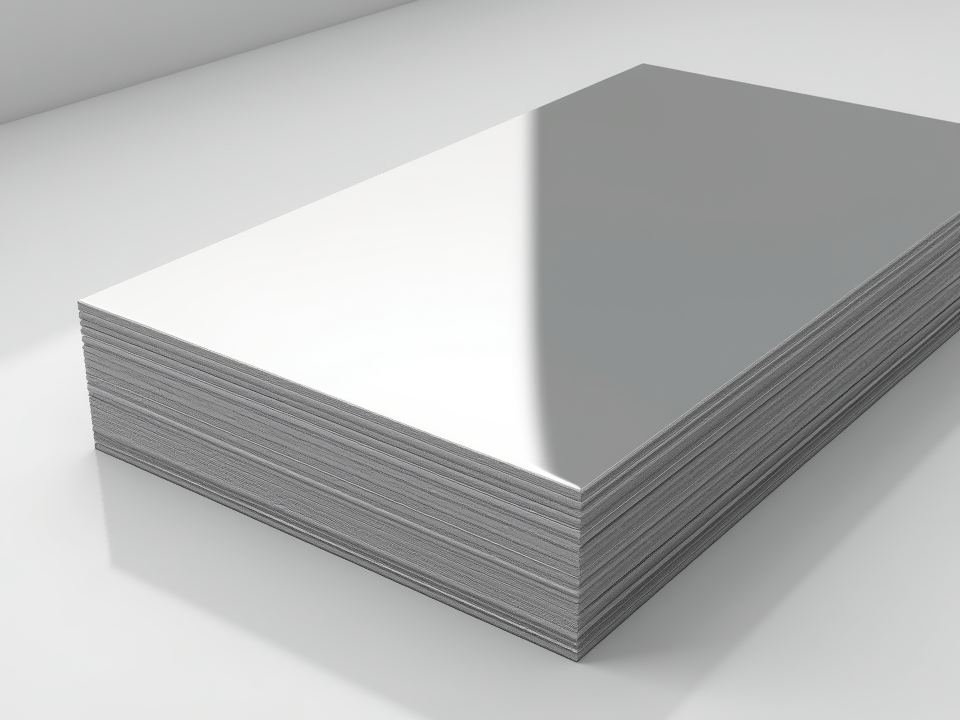
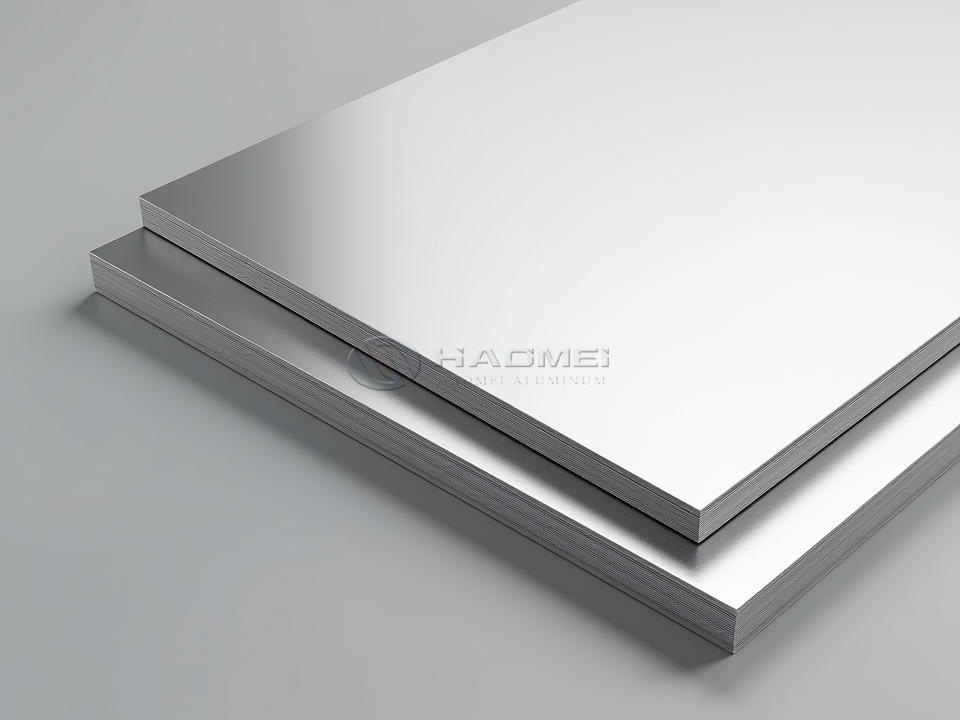
Haomei Aluminum CO., LTD., Inc. supplies 1060 mirror aluminum plate for projects that require a bright decorative surface, low weight, good formability, and dependable reflectance. Produced from commercially pure aluminum with a minimum aluminum content of 99.60%, 1060 alloy is widely selected for lighting reflectors, ceiling panels, signage, appliance trim, interior decoration, and solar-related reflective components.
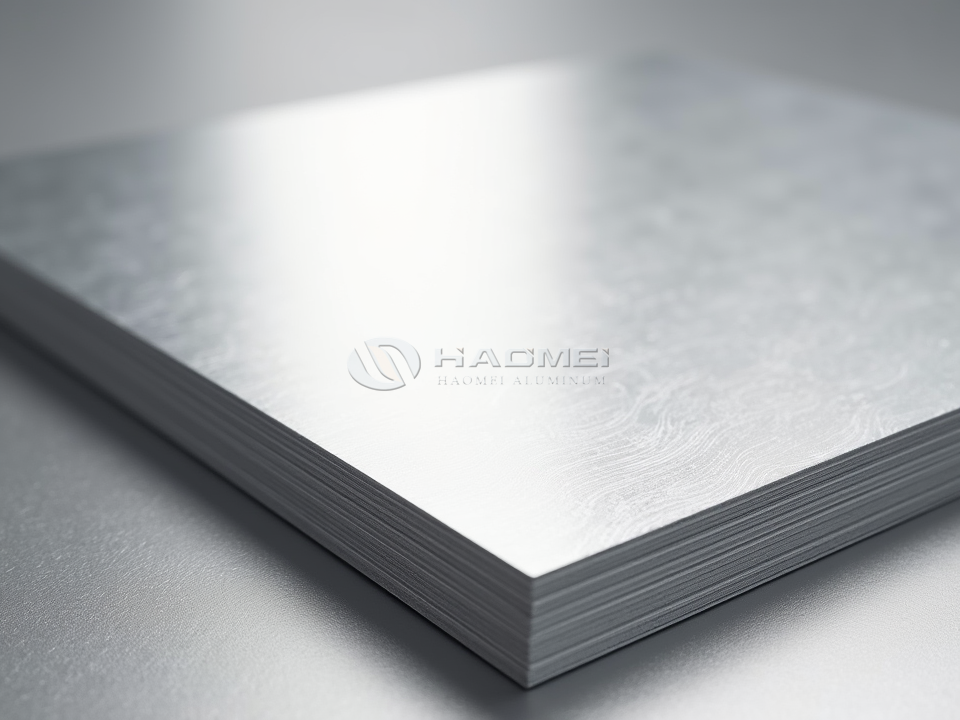
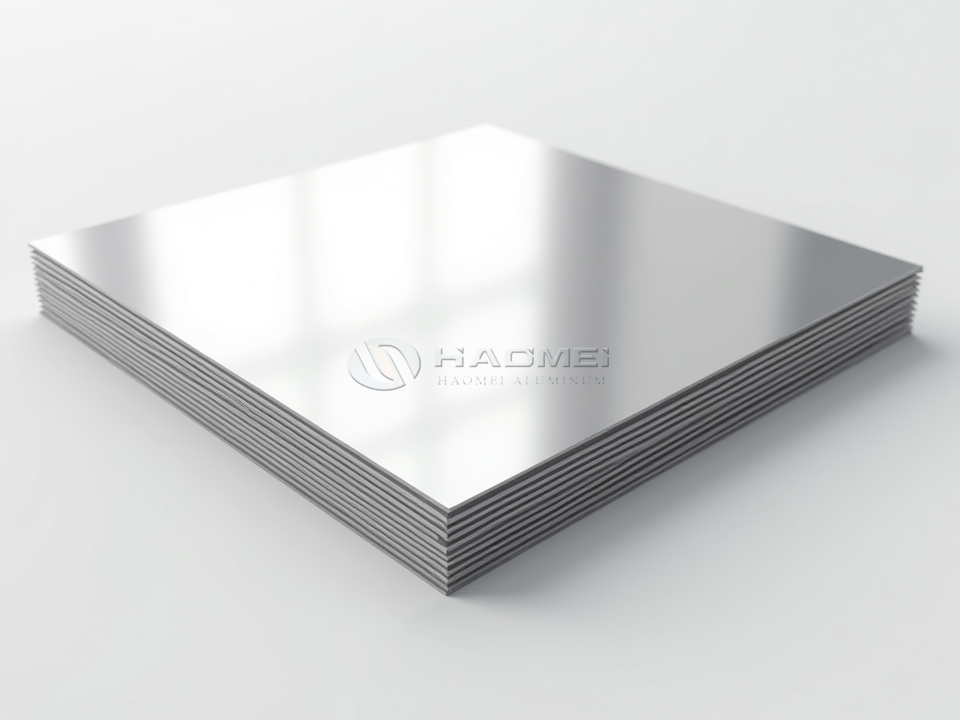
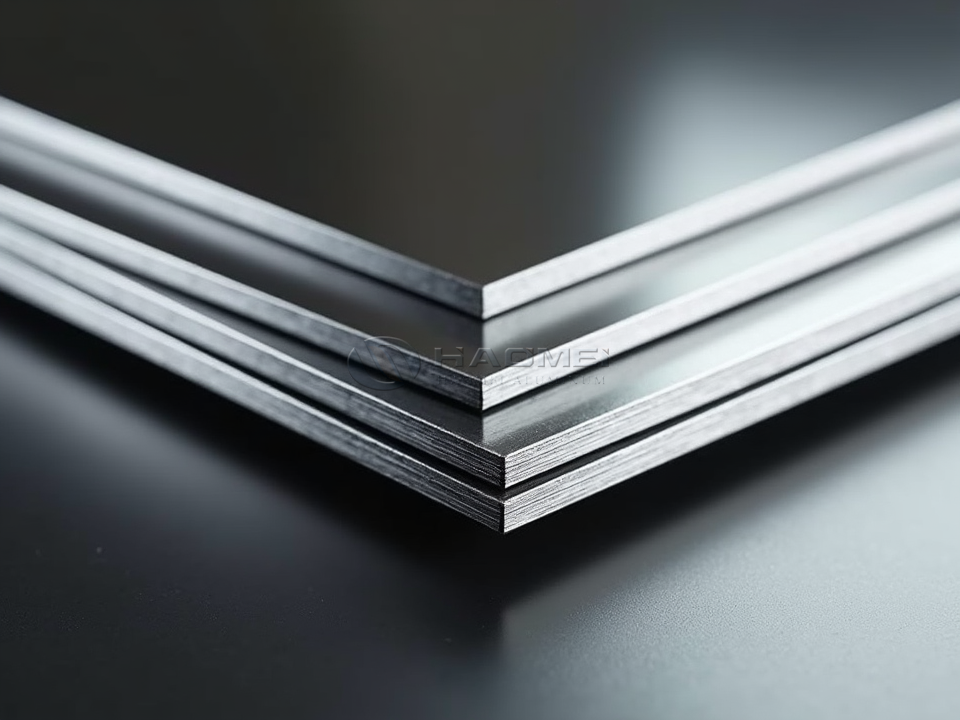
A mirror aluminum plate is not simply a polished sheet. Its surface is processed through rolling, polishing, chemical treatment, or anodizing to create a smooth reflective finish. The material combines the corrosion resistance of pure aluminum with the visual appeal of a silver mirror surface, making it a practical alternative to heavier stainless steel or fragile glass mirrors.
Material Functions and Performance Benefits
The primary function of 1060 mirror aluminum plate is to reflect visible light and improve the appearance of finished products. Its bright surface can distribute light efficiently in lamps, improve visual depth in architectural panels, and create a clean metallic effect in display systems.
Because 1060 aluminum has excellent ductility, the plate can be cut, bent, stamped, spun, embossed, and roll formed with relatively low risk of cracking, especially in softer tempers. The alloy also provides good thermal and electrical conductivity, supporting its use in heat-sensitive housings and electrical decorative parts.
| Performance Feature | Practical Value |
|---|---|
| High aluminum purity | Supports corrosion resistance, conductivity, and stable forming behavior |
| Mirror-bright surface | Creates decorative appeal and improves light reflection |
| Low density | Reduces transportation weight and structural load |
| Good workability | Suitable for bending, stamping, punching, and deep drawing in appropriate tempers |
| Natural oxide film | Helps protect the base metal in ordinary indoor and dry outdoor environments |
| Recyclability | Supports material recovery and lower lifecycle waste |
Chemical Composition of 1060 Aluminum Alloy
1060 belongs to the 1xxx aluminum series. It is a non-heat-treatable alloy, meaning its strength is mainly adjusted by cold working and annealing rather than solution heat treatment. The high aluminum content gives it excellent forming properties, while the controlled impurity level supports surface consistency after mirror finishing.
| Element | Composition Requirement, % by Weight |
|---|---|
| Aluminum, Al | 99.60 min |
| Silicon + Iron, Si + Fe | 0.35 max |
| Copper, Cu | 0.05 max |
| Manganese, Mn | 0.03 max |
| Magnesium, Mg | 0.03 max |
| Zinc, Zn | 0.05 max |
| Titanium, Ti | 0.03 max |
| Vanadium, V | 0.05 max |
| Other elements, each | 0.03 max |
| Other elements, total | 0.03 max |
Technical Specifications for 1060 Mirror Aluminum Plate
Haomei Aluminum CO., LTD., Inc. can provide material in coils, sheets, cut-to-length plates, and slit strips. The final size should be selected according to fabrication equipment, flatness expectations, reflective requirements, and transport conditions.
| Parameter | Common Supply Range | Notes |
|---|---|---|
| Alloy | AA 1060 / EN AW-1060 | Commercially pure aluminum |
| Product form | Coil, sheet, plate, strip | Cut-to-size service available |
| Thickness | 0.20-6.00 mm | Mirror sheet is commonly supplied in thinner gauges |
| Width | 20-2,000 mm | Depends on thickness and production capability |
| Length | 500-6,000 mm | Custom lengths available by agreement |
| Surface finish | Bright mirror, polished, anodized mirror, coated mirror | Finish selected by application |
| Reflectivity | Approx. 80%-86% for standard bright mirror | Higher values may be available for specialized optical finishes |
| Density | 2.70 g/cm³ | Much lighter than steel-based mirror materials |
| Melting range | Approx. 646-657°C | Reference value for processing considerations |
| Electrical conductivity | Approx. 59% IACS | Typical for 1060 aluminum |
| Thermal conductivity | Approx. 230 W/m·K | Useful for lighting and heat-transfer components |
Temper Conditions and Mechanical Properties
Temper selection has a direct effect on bendability, hardness, and surface handling. Soft tempers are preferred for deep drawing and complex forming, while harder tempers offer better dent resistance for flat decorative panels.
| Temper | Condition | Typical Tensile Strength, MPa | Typical Yield Strength, MPa | Typical Elongation | Recommended Use |
|---|---|---|---|---|---|
| O | Fully annealed | 60-100 | 20 min | 25% min | Deep drawing, spinning, complex forming |
| H12 | Quarter hard | 75-110 | 55 min | 12% min | Light forming and trim parts |
| H14 | Half hard | 95-135 | 75 min | 8% min | Decorative sheets, ceiling panels |
| H16 | Three-quarter hard | 110-145 | 90 min | 5% min | Rigid reflective panels |
| H18 | Full hard | 125-165 | 110 min | 3% min | Flat signage, appliance facings, stiff panels |
| H24 | Half hard, partially annealed | 95-135 | 75 min | 8% min | Formed panels requiring controlled hardness |
Mechanical values are typical references and can vary with thickness, test direction, and applicable specification. Material certificates should define the contractual values for each order.
Surface Treatments and Mirror Finish Options
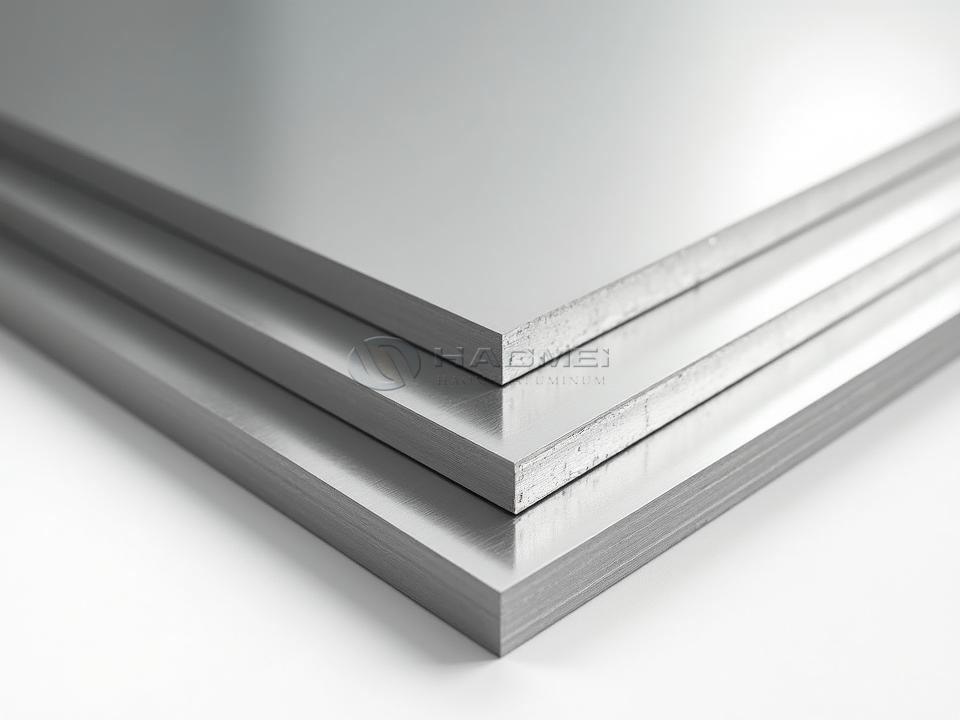
Mirror quality depends on the flatness of the base material, rolling quality, polishing process, protective treatment, and packing method. A bright surface should be protected from scratches, fingerprints, moisture, and contamination during fabrication.
| Surface Type | Characteristics | Suitable Applications |
|---|---|---|
| Mechanical bright mirror | Polished reflective appearance with economical processing | Decorative panels, signs, indoor trim |
| Rolled mirror finish | Smooth and consistent surface produced through precision rolling | Ceiling systems, lighting housings, appliance parts |
| Anodized mirror | Harder oxide layer with improved surface durability | Architectural interiors, public spaces, premium decoration |
| Color-coated mirror | Decorative colored reflective surface | Retail displays, furniture accents, branded interiors |
| Protective-film mirror sheet | PE or laser film protects the visible surface | Fabrication, transport, installation-sensitive projects |
For customers needing a dedicated product format, the 1060 Mirror Aluminum Sheet range can be specified with protective film, custom dimensions, and finish requirements matched to the intended fabrication process.
Applications Across Decorative and Industrial Sectors
1060 mirror aluminum plate is valued where reflection, appearance, and lightweight construction must work together. It is especially effective in indoor environments, controlled outdoor installations, and applications where the surface is not exposed to severe abrasion or highly alkaline chemicals.
| Application Field | Typical Product Use | Material Advantage |
|---|---|---|
| Lighting | Reflectors, lamp shades, LED housings | Enhances light distribution and reduces component weight |
| Architecture | Suspended ceilings, wall cladding, column wraps | Bright visual effect with easy installation |
| Signage | Display boards, nameplates, advertising panels | Clean metallic appearance and simple processing |
| Home appliances | Refrigerator trim, cooker hoods, control panels | Decorative surface with good stamping performance |
| Transportation interiors | Trim panels, luggage fittings, display sections | Lightweight and corrosion resistant |
| Solar and energy equipment | Reflective backing and light-guiding components | Supports controlled light reflection |
| Consumer products | Cosmetic cases, furniture trim, decorative packaging | Premium mirror effect with flexible fabrication |
Standards, Inspection, and Supply Control
A reliable 1060 mirror aluminum plate supplier should provide traceable alloy information, thickness inspection, surface checks, packaging details, and mill documentation. Haomei Aluminum CO., LTD., Inc. can supply material according to common international standards or customer-specific purchasing requirements.
| Standard | Scope |
|---|---|
| ASTM B209 | Aluminum and aluminum-alloy sheet and plate requirements |
| EN 485 | Tolerances, mechanical properties, and technical delivery conditions for sheet, strip, and plate |
| EN 573 | Aluminum alloy designation and chemical composition |
| JIS H4000 | Japanese requirements for aluminum and aluminum alloy sheets and plates |
| GB/T 3880 | Chinese standard for aluminum and aluminum-alloy plates, sheets, and strips |
| ISO 9001 | Quality management system reference for controlled production and inspection |
Typical inspection items include alloy chemistry, thickness tolerance, width and length tolerance, flatness, temper, reflective appearance, surface scratches, edge condition, protective film adhesion, and packing integrity. For visual-grade mirror material, customers should define acceptable scratch level, color consistency, reflectivity target, and allowable waviness before production.
Fabrication and Handling Guidance
Use clean tools, soft lifting straps, and protected worktables to preserve the mirror surface. Remove protective film only after cutting, bending, or installation whenever possible. For bending, select a radius suitable for the chosen temper; harder H18 material requires a larger bend radius than O or H14 temper. Avoid direct contact with cement, strong alkalis, copper-bearing materials, and trapped moisture, as these conditions may stain or corrode aluminum.
1060 mirror aluminum plate offers an effective balance of reflectivity, formability, low weight, and decorative value. With the right temper, finish, dimensions, and packaging, Haomei Aluminum CO., LTD., Inc. can help support efficient production for lighting, architectural, commercial, and consumer-product applications.