Colored Mirror Aluminum Panel
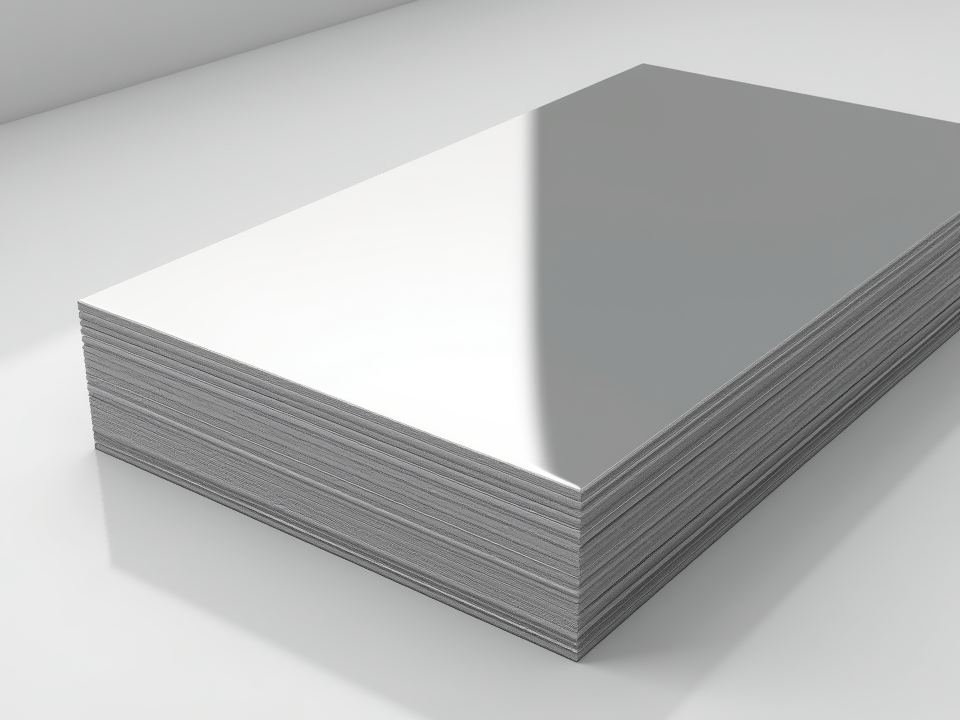
A colored mirror aluminum panel combines the brilliance of a reflective metal surface with the visual depth of decorative color. Produced from high-quality aluminum sheet, the panel receives a precision mirror treatment and a durable colored coating, anodized layer, or special surface film. The result is a lightweight material that reflects light, expands visual space, and brings a polished metallic character to architectural and manufactured products.
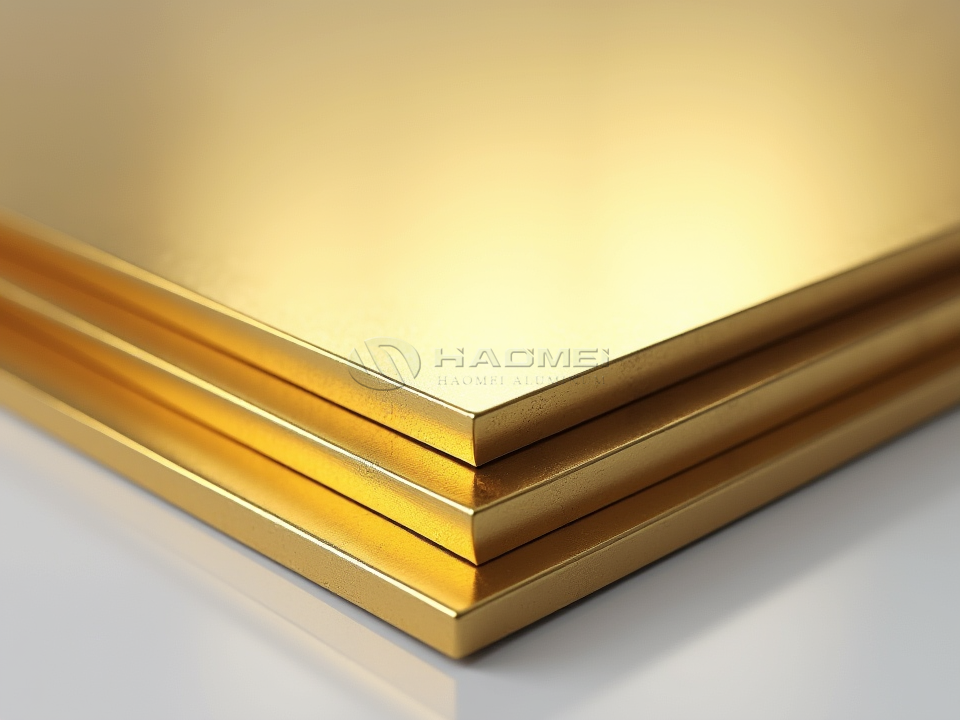
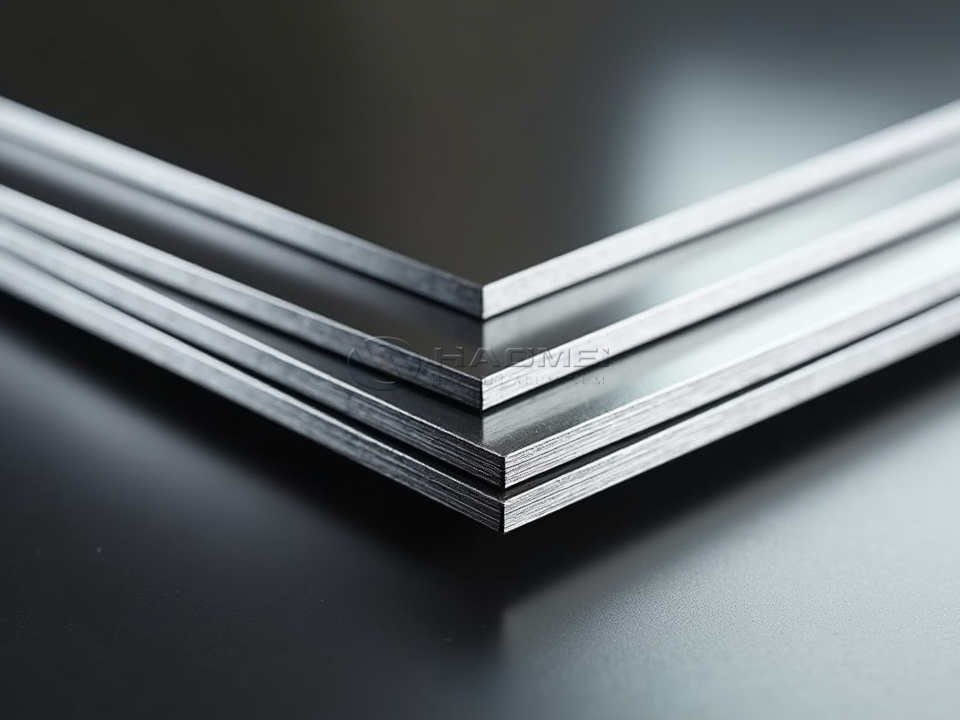
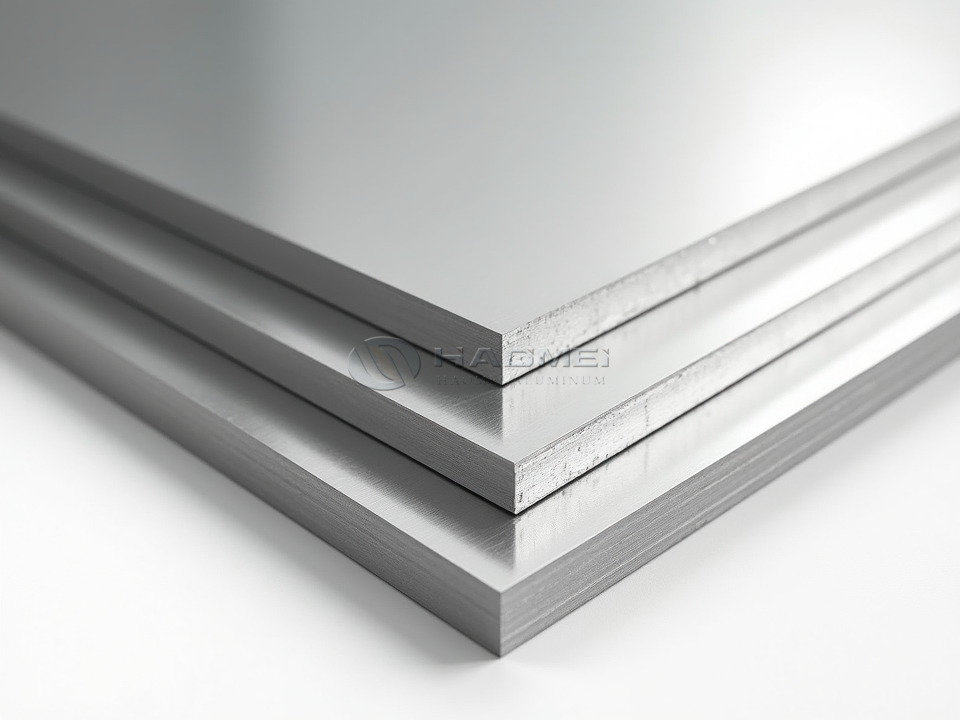
Unlike ordinary painted aluminum, this material retains a mirror-like base reflection. Gold, silver, black, bronze, champagne, blue, red, rose gold, and custom shades can be selected to match interior themes, commercial branding, or product design. Depending on the finish, the panel can appear bright and crisp, softly metallic, or richly tinted under changing light.
Surface Character and Product Features
The defining feature of a colored mirror aluminum panel is its combination of color and reflectivity. A polished aluminum substrate is carefully processed to minimize surface irregularities, then protected with a colored treatment. High reflectance makes the material effective for decorative spaces requiring more light, while the tinted surface provides stronger design expression than plain silver mirror aluminum.
Important performance advantages include:
- Light weight: Aluminum weighs far less than glass, stainless steel, or solid decorative metal, reducing handling effort and structural load.
- Decorative flexibility: Colors, gloss levels, sheet dimensions, protective films, and surface treatments can be selected for different projects.
- Corrosion resistance: Aluminum naturally forms a stable oxide layer. Anodizing and quality coatings further improve resistance in normal indoor and sheltered outdoor environments.
- Excellent formability: Appropriate alloy and temper selections allow cutting, bending, punching, roll forming, and shallow drawing.
- Easy fabrication: Panels can be sawn, sheared, laser cut, routed, bonded, or mounted with mechanical fasteners when proper surface protection is maintained.
- Clean modern appearance: The reflective face creates a premium visual effect without the weight and breakage risk associated with glass mirrors.
A protective PVC or laser film is commonly applied to the mirror face during storage, fabrication, and installation. It should remain in place until the final stage to prevent scratches, fingerprints, and tool marks.
Available Colors and Finish Routes
Color selection affects both appearance and service performance. Gold and rose gold finishes are frequently chosen for luxury retail, hotel decoration, elevator panels, and display fixtures. Black mirror aluminum creates contrast and visual depth in consumer electronics, furniture trims, and contemporary interiors. Silver, champagne, bronze, and gray finishes offer a more restrained metallic tone for ceilings, wall cladding, signs, and lighting components.
Color can be created through several routes. Anodized color finishes form an oxide layer integrated with the aluminum surface and are valued for a refined metallic appearance. Coil-coated finishes use a controlled paint system, providing broad color freedom and good batch consistency. Laminated or film-coated surfaces can deliver special visual effects, including brushed patterns, high-gloss tones, and protective decorative layers.
For projects requiring a durable metallic surface, an Anodized Mirror Aluminum Sheet offers an attractive balance of mirror brightness, wear resistance, and color stability. For broader finish comparisons and substrate options, see our Colored Mirror Aluminum Sheet range.
Typical Technical Specifications
Colored mirror aluminum panel can be supplied as sheet, coil, cut-to-size blanks, embossed stock, or laminated composite facing material. Dimensions and tolerances should be confirmed according to the chosen alloy, thickness, finish, and fabrication method.
| Parameter | Typical Range or Option |
|---|---|
| Base alloy | 1060, 1070, 1085, 3003, or specified aluminum alloy |
| Temper | H14, H16, H18, H24, H26, O, or customer requirement |
| Thickness | 0.20 mm to 3.00 mm for common decorative sheet applications |
| Width | Up to 1,500 mm, subject to alloy and finish availability |
| Length | Standard sheets, coils, or customized cut lengths |
| Surface finish | High mirror, bright mirror, colored mirror, anodized mirror, coated mirror |
| Color choices | Gold, silver, black, bronze, champagne, rose gold, blue, red, and custom colors |
| Protection | PE/PVC removable protective film, paper interleaf, export packaging |
| Fabrication | Cutting, bending, punching, routing, roll forming, bonding, and stamping |
The material should be specified by its intended function rather than appearance alone. A deeply formed component may require a softer temper, while a flat decorative fascia may benefit from a harder sheet for improved rigidity and dent resistance. Where the panel will be exposed to sunlight, humidity, cleaning chemicals, or abrasion, the coating system and protective finish deserve careful attention.
Chemical Composition of Common Substrates
High-purity 1xxx aluminum alloys are widely used when bright mirror performance and formability are priorities. Alloy 3003 is often selected where somewhat higher strength is preferred for decorative panels and formed architectural components.
| Alloy | Al | Si + Fe | Cu | Mn | Other Elements | Common Benefit |
|---|---|---|---|---|---|---|
| 1060 | 99.60% min. | 0.35% max. | 0.05% max. | 0.03% max. | Controlled trace elements | Bright finish and easy forming |
| 1070 | 99.70% min. | 0.20% max. | 0.04% max. | 0.03% max. | Controlled trace elements | High purity and strong reflectivity |
| 1085 | 99.85% min. | 0.12% max. | 0.03% max. | 0.02% max. | Controlled trace elements | Premium reflective surface potential |
| 3003 | Balance | 0.70% max. | 0.05% to 0.20% | 1.0% to 1.5% | Controlled trace elements | Improved strength and corrosion resistance |
Values may vary slightly according to governing standards, mill practice, and purchase specification. For precision projects, chemical certificates and finished-surface inspection requirements should be agreed before production.
Applications That Benefit From Reflective Color
Colored mirror aluminum panels bring atmosphere to spaces where light, color, and surface movement matter. In interior decoration, they are used for feature walls, ceiling strips, column wraps, partition trims, cabinet fronts, door skins, and furniture accents. Their reflective character can make compact lobbies, boutiques, corridors, and hospitality areas feel brighter and more open.
Retail environments use gold, black, and rose-gold panels for display stands, cosmetic counters, jewelry cases, product backdrops, and branded point-of-sale units. The material provides a polished setting that can elevate merchandise without requiring heavy stainless steel fabrication.
In lighting production, mirror aluminum can serve as a decorative reflector or a visible trim component for lamps, LED housings, reflector cups, and ceiling fixtures. Bright silver is often chosen where optical reflection is the main concern, while colored finishes are used where the fixture itself becomes part of the interior design.
Sign makers and fabricators use colored mirror aluminum for lettering, logo boards, directional panels, exhibition stands, and advertising frames. Its low weight supports easier transportation and installation, while laser cutting or CNC routing allows detailed shapes. Protective film is especially valuable for these operations because it shields the mirror face until assembly is complete.
Other common uses include elevator decoration, appliance panels, cosmetic packaging, luggage accessories, gift boxes, automotive interior trim, solar-related reflectors, and decorative composite panels. For exterior use, select a finish designed for UV exposure and confirm the expected environmental conditions, particularly in coastal, industrial, or high-humidity locations.
Fabrication and Care Guidance
Mirror surfaces demand clean handling. Use soft gloves, padded worktables, non-abrasive tools, and dry separators between sheets. During bending, choose a suitable bend radius and avoid excessive pressure that may crack a heavy coating or distort the reflection. Film should be removed gradually after installation, not left for extended periods under strong heat or direct sunlight.
For cleaning, use a soft microfiber cloth with water or a neutral, non-abrasive detergent. Harsh alkaline cleaners, coarse pads, and solvent products not approved for the finish can dull the surface or damage the colored layer. Regular gentle cleaning preserves the panel's depth, gloss, and mirror effect.
A colored mirror aluminum panel is more than a bright decorative sheet. With the correct alloy, thickness, surface treatment, and color, it becomes a practical material for products and spaces that need visual impact, lightweight construction, and dependable fabrication performance.