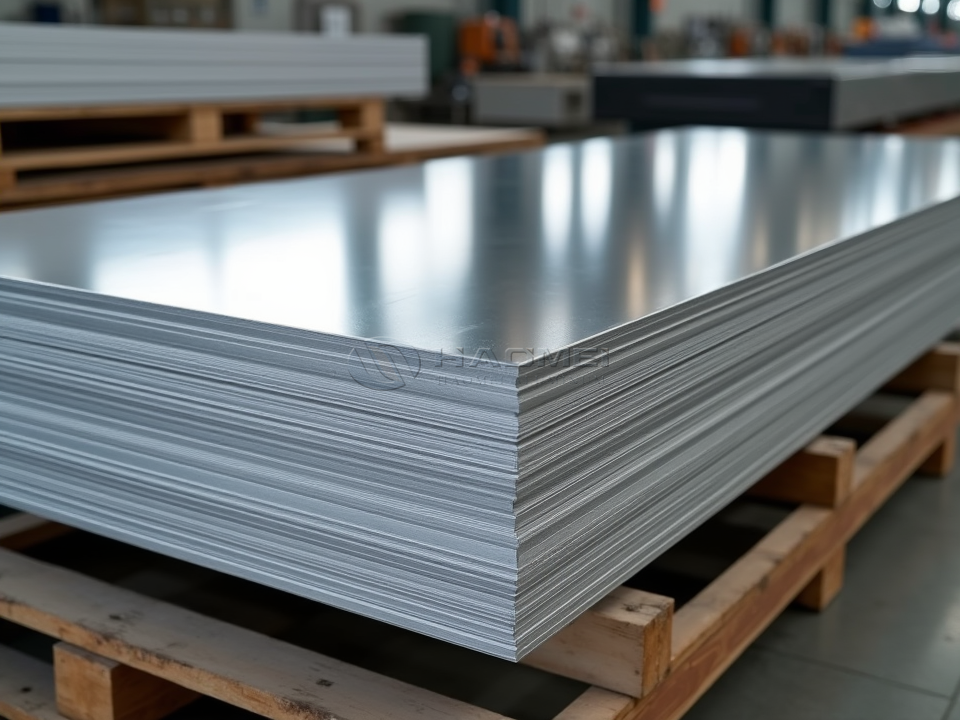
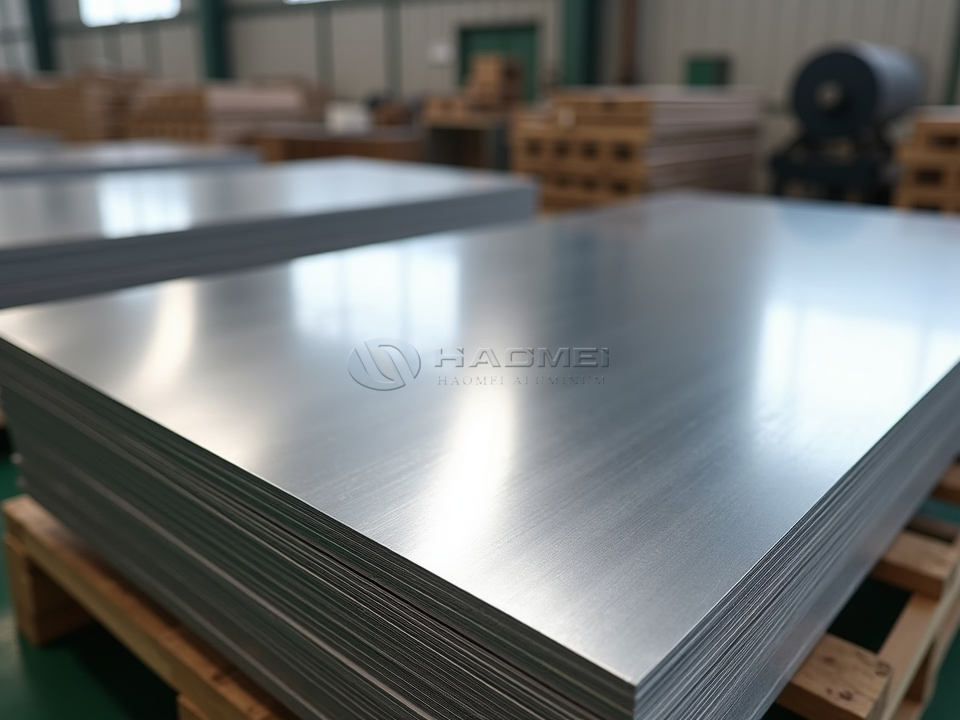
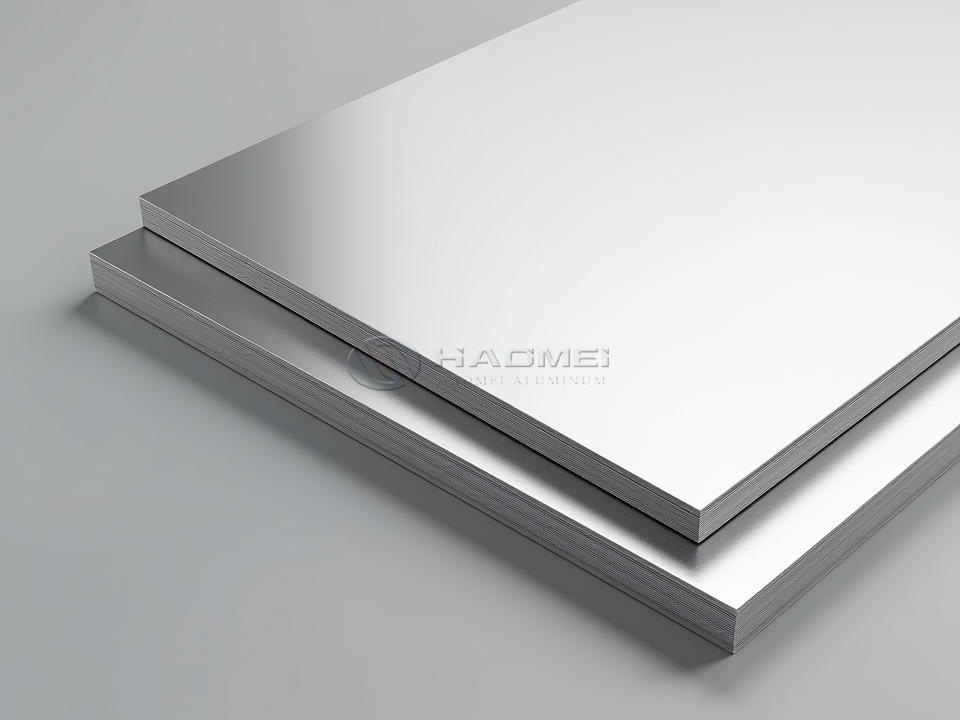
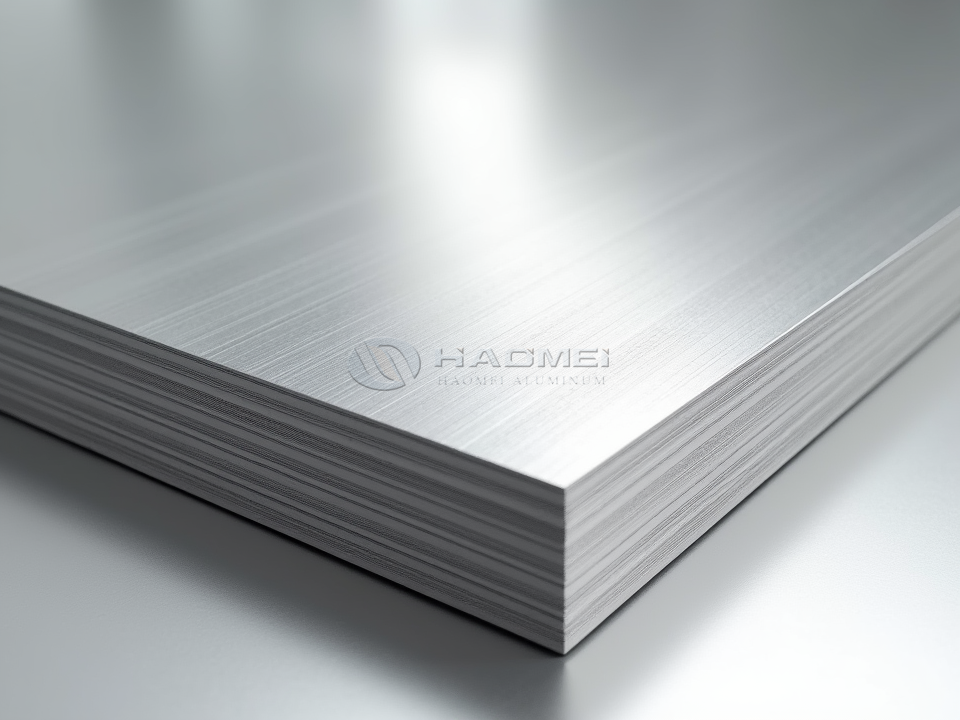
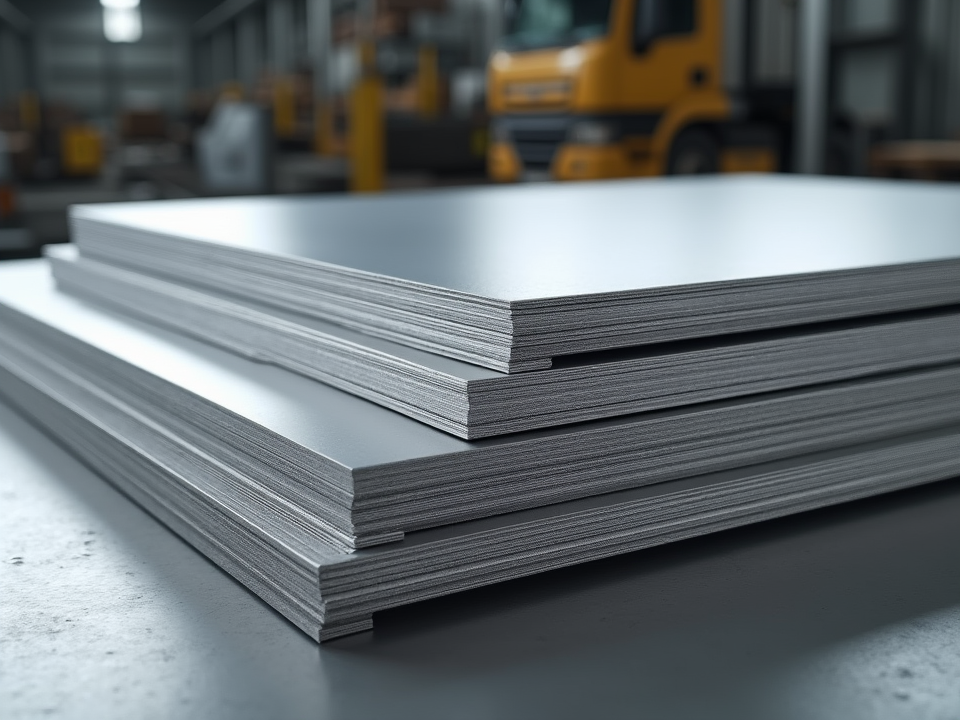
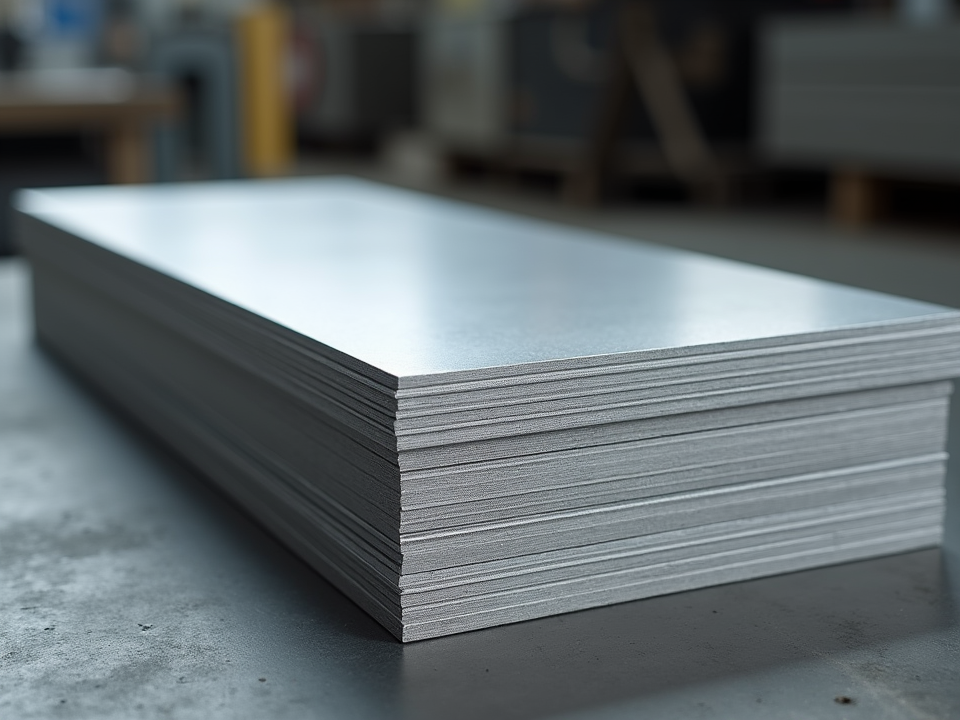
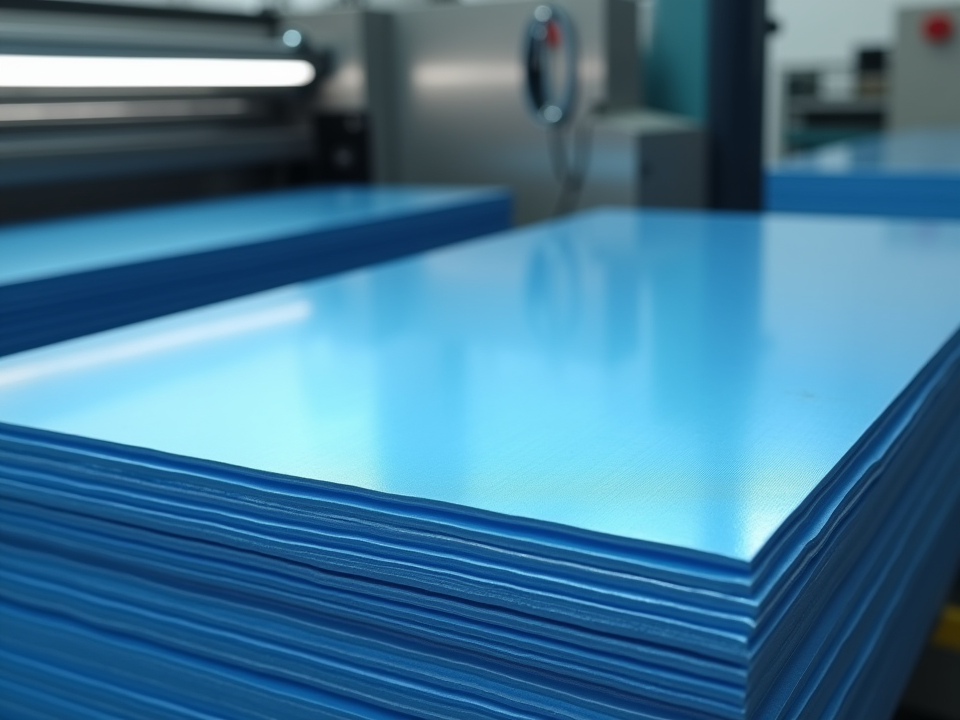
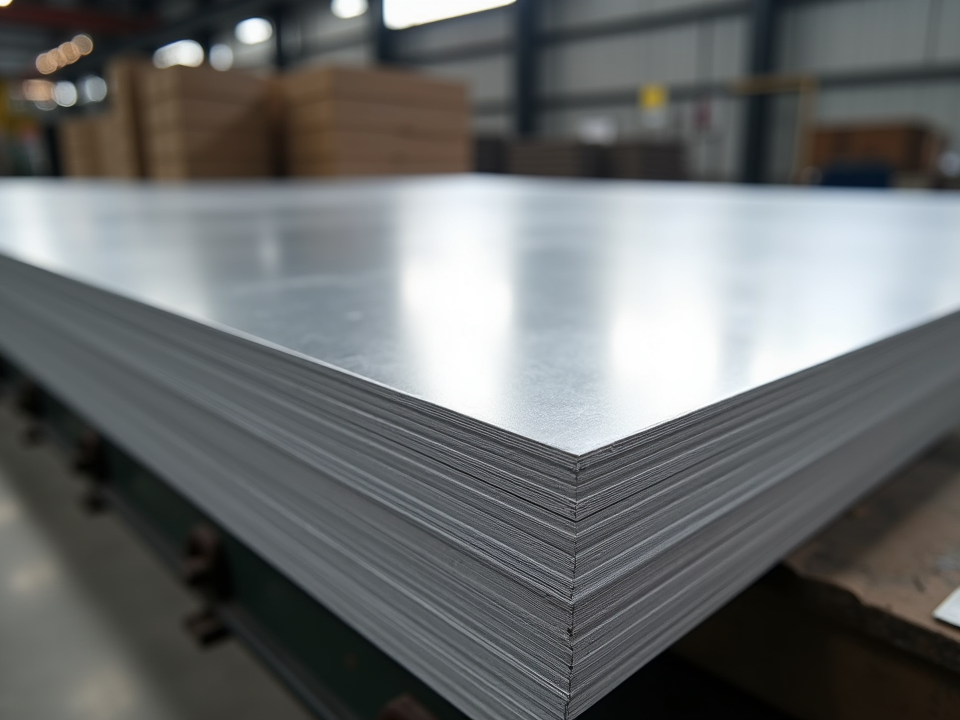
Anti-Oxidant Mirror Aluminum Plate
A mirror finish is often judged in the first second: its clarity, brightness, and ability to reflect light cleanly. Yet the real test starts after installation. Humidity, airborne salts, fingerprints, alkaline dust, cleaning chemicals, and temperature changes can slowly reduce the visual quality of ordinary reflective metal. Anti-oxidant mirror aluminum plate is designed for this longer journey.
Rather than treating mirror aluminum as a decorative surface alone, this material should be understood as a layered engineering system. The aluminum substrate supplies light weight and formability. Mechanical or chemical polishing creates the reflective base. A controlled protective treatment, coating, or anodized layer helps preserve the finish against oxidation, staining, and environmental attack. This balance makes the plate suitable for architectural panels, lighting reflectors, ceilings, appliance trim, display systems, signage, transport interiors, and solar-related reflective components.
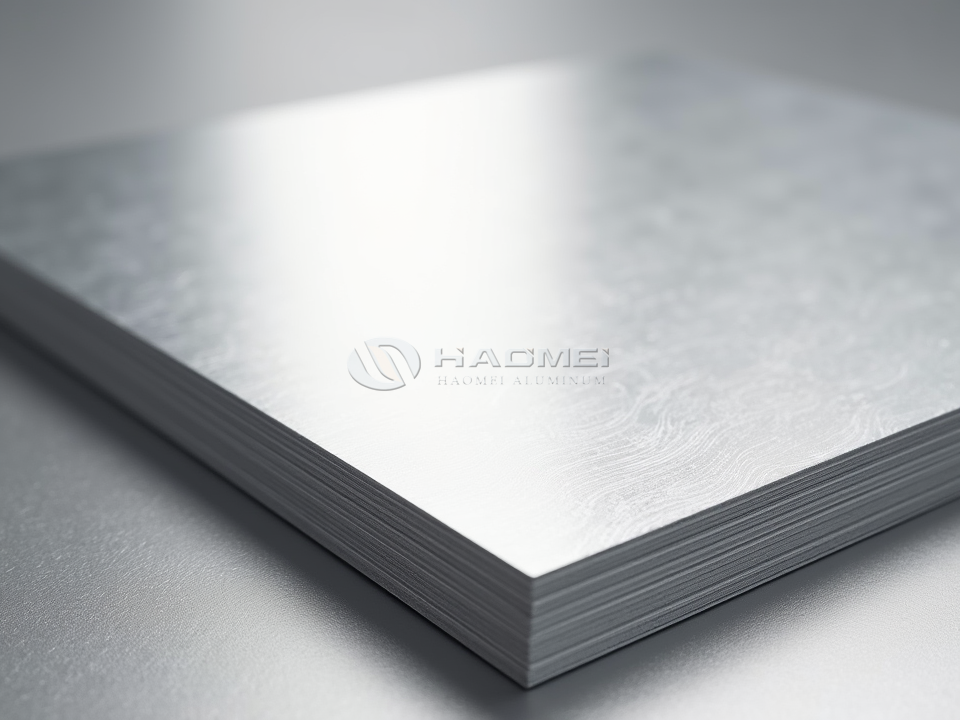
Why Anti-Oxidant Protection Matters
Aluminum naturally forms an extremely thin oxide film when exposed to air. This film is beneficial because it slows deeper corrosion. However, for a mirror surface, natural oxide alone may not provide sufficient visual stability. In humid or polluted conditions, uneven oxidation, water spots, pitting, or surface haze can interrupt reflection and lower the perceived quality of the finished product.
An anti-oxidant mirror aluminum plate uses a more controlled protection route. Depending on customer requirements, this may involve transparent lacquer coating, passivation, anodizing, electrophoretic coating, or a multilayer protective film. The treatment is selected according to the expected service environment and the required appearance. Indoor ceiling panels may prioritize gloss and cleanability, while coastal decorative panels need stronger resistance to salt-containing moisture.
The practical benefit is not simply corrosion resistance. It is reflection retention. A high-quality surface should remain bright after fabrication, storage, transport, and daily use. Protective coatings also reduce the chance of handling marks and surface discoloration during downstream processing.
Typical Product Parameters
Anti-oxidant mirror aluminum plate can be supplied in sheets, coils, cut-to-size blanks, or laminated panels. Dimensions and finish requirements can be adjusted for fabrication equipment and project tolerances.
| Parameter | Typical Range or Option |
|---|---|
| Alloy | 1050, 1060, 1070, 1085, 1100, 3003 |
| Temper | H14, H16, H18, H24, H26, H32, O |
| Thickness | 0.20 mm to 3.00 mm, with customized gauges available |
| Width | 300 mm to 1,600 mm |
| Length | 500 mm to 6,000 mm or cut to order |
| Surface finish | Standard mirror, high mirror, polished mirror, anodized mirror, colored mirror |
| Reflectivity | Commonly 80% to 95%, depending on alloy and treatment |
| Protective layer | PE film, PVC film, transparent lacquer, anodic film, passivation layer |
| Color options | Silver, gold, black, bronze, champagne, custom colors |
| Delivery form | Coil, sheet, strip, circle, tailored blanks |
For highly decorative applications, the surface should be evaluated under the actual lighting condition. A plate that appears excellent under warehouse light may show different reflection sharpness beneath strong LED illumination or natural daylight. Reflectivity, image definition, color consistency, coating thickness, and protective-film adhesion should therefore be specified before mass production.
Alloy and Temper Selection
The alloy is the foundation of the final mirror effect. Pure aluminum grades in the 1xxx series are widely selected when high reflectivity and bright surface quality are the priority. Alloy 1060 offers good formability and economical performance, making 1060 Mirror Aluminum Sheet a frequent choice for lampshades, interior decoration, and general reflective products.
Alloy 1070 and 1085 contain higher aluminum content and can produce particularly bright reflective surfaces. These grades are favored for optical reflectors, lighting equipment, and applications where light output matters. Their lower alloying content supports better surface polish, although strength is lower than that of manganese-containing grades.
Alloy 3003 contains manganese and provides improved strength and better resistance to certain service conditions. It is useful for larger panels, shaped decorative components, and installations that require more structural stiffness. When durability and forming performance need to work together, 3003 Mirror Aluminum Sheet is often a practical material option.
Temper affects hardness, bendability, and springback. H14 is common for general sheet-metal fabrication because it balances stiffness with workable bending performance. H18 provides a harder surface but may require larger bend radii. O temper is soft and highly formable, suitable for deep drawing or complex shaping, though it needs careful handling to avoid dents.
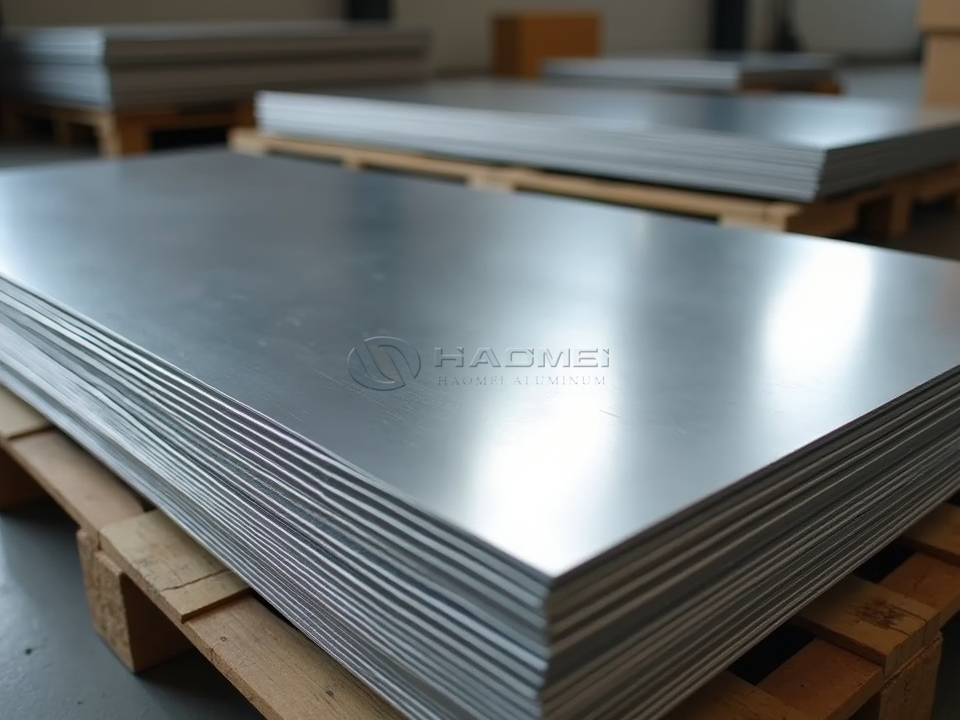
Chemical Composition of Common Mirror Aluminum Alloys
The composition limits below are typical values in percent by mass. Exact values should follow the purchase specification and applicable standard.
| Alloy | Al | Si | Fe | Cu | Mn | Mg | Zn | Other Elements |
|---|---|---|---|---|---|---|---|---|
| 1050 | 99.50 min | 0.25 max | 0.40 max | 0.05 max | 0.05 max | 0.05 max | 0.07 max | 0.03 each max |
| 1060 | 99.60 min | 0.25 max | 0.35 max | 0.05 max | 0.03 max | 0.03 max | 0.05 max | 0.03 each max |
| 1070 | 99.70 min | 0.20 max | 0.25 max | 0.04 max | 0.03 max | 0.03 max | 0.04 max | 0.03 each max |
| 1085 | 99.85 min | 0.12 max | 0.12 max | 0.03 max | 0.02 max | 0.02 max | 0.03 max | 0.03 each max |
| 3003 | Balance | 0.60 max | 0.70 max | 0.05 to 0.20 | 1.00 to 1.50 | 0.05 max | 0.10 max | 0.05 each max |
Higher aluminum purity generally supports a brighter mirror appearance. Manganese in 3003 improves strength but can slightly alter the visual response compared with high-purity 1xxx alloys. This is why alloy selection should be based on the actual role of the product, not appearance alone.
Standards and Quality Control
Anti-oxidant mirror aluminum plate may be manufactured and inspected in accordance with ASTM B209, EN 485, EN 573, GB/T 3880, JIS H4000, or project-specific requirements. These standards address chemical composition, dimensional tolerances, mechanical properties, flatness, and delivery conditions.
Surface inspection is equally important. Quality checks commonly include coating adhesion, reflectivity measurement, color difference evaluation, film thickness verification, salt-spray testing where required, pencil hardness testing, and protective-film removal performance. For architectural or appliance-facing panels, suppliers should also control coil-to-coil color stability and mirror consistency across the width.
Fabrication and Handling Practices
The mirror surface should be protected from the moment it leaves the production line. Keep the protective film in place during cutting, bending, punching, and installation whenever possible. Use clean rollers, non-marking gloves, and soft separators between sheets. Metal dust from carbon steel tools can cause contamination and apparent rust marks on aluminum surfaces.
During bending, select an appropriate inside radius based on alloy, thickness, and temper. Hard tempers need more generous radii to prevent cracking in the coating or distortion of the reflective image. Laser cutting, CNC punching, and guillotine shearing can all be used, but burrs should be minimized because sharp edges can damage adjacent mirror faces during stacking.
For cleaning, use neutral detergents and soft microfiber cloths. Strong alkalis, abrasive powders, and aggressive solvents may attack the protective coating or leave visible scratches. A well-made anti-oxidant mirror aluminum plate is resilient, but its visual value still depends on correct handling.
Choosing the Right Surface for the Environment
Indoor decorative use often benefits from standard lacquered mirror aluminum because it delivers excellent brightness at an efficient cost. Wet areas, public spaces, kitchens, and frequently cleaned surfaces may benefit from anodized or enhanced coated finishes. Outdoor use requires careful confirmation of UV resistance, coating type, panel design, drainage, and corrosion exposure level.
Anti-oxidant mirror aluminum plate is more than polished metal. It is a reflective material built to keep its character over time. By matching alloy, temper, protective treatment, thickness, and fabrication method to the application, buyers can achieve a surface that remains clear, clean, and visually impressive long after installation.