Ceiling Decoration Mirror Aluminum
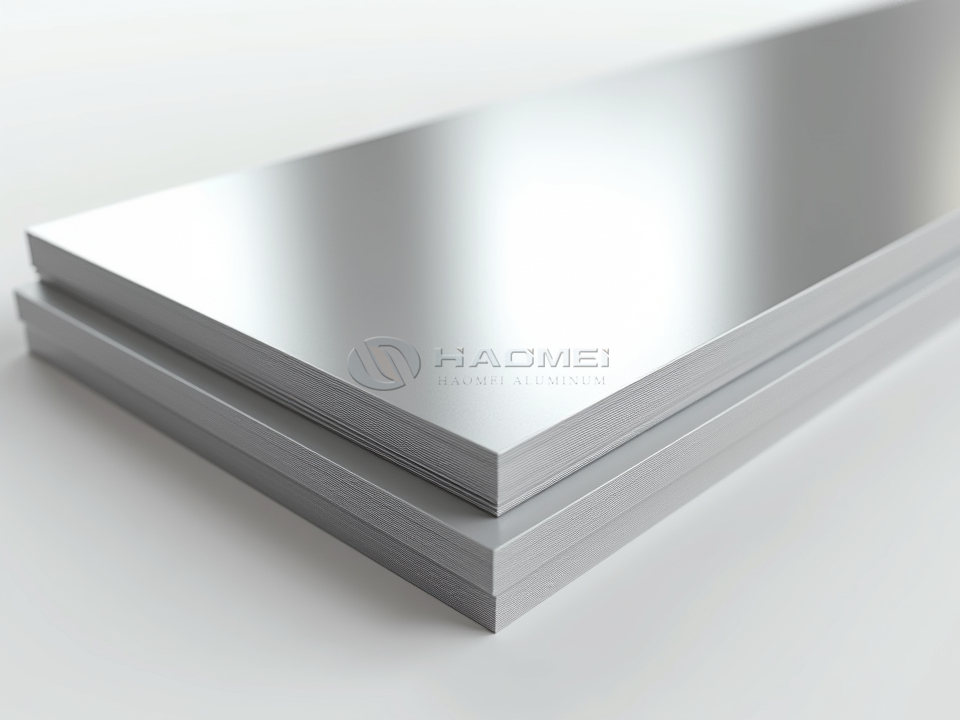
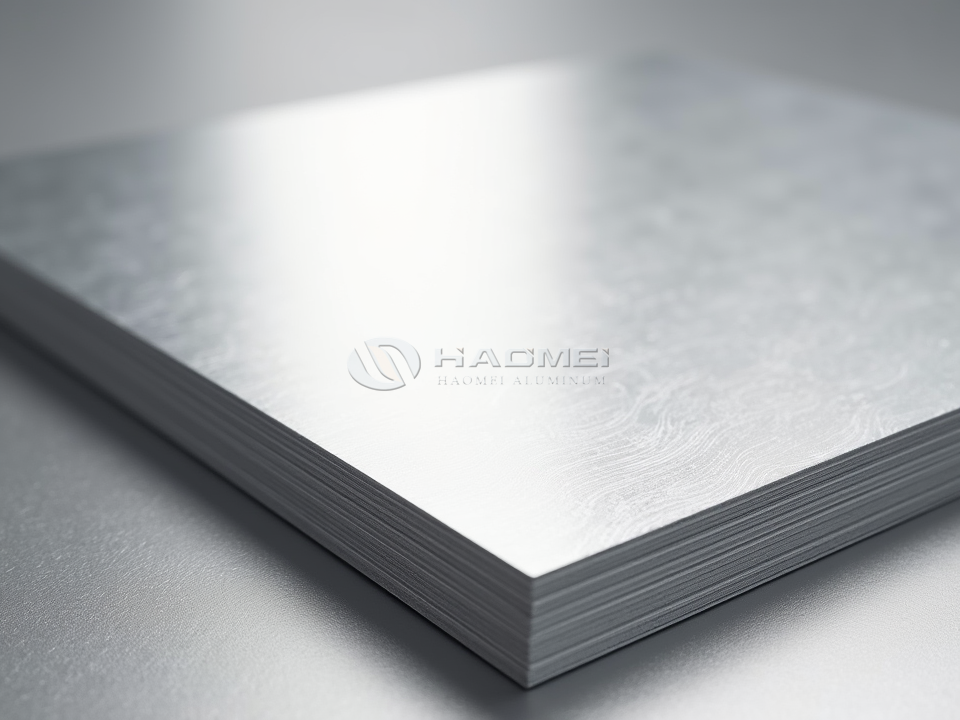
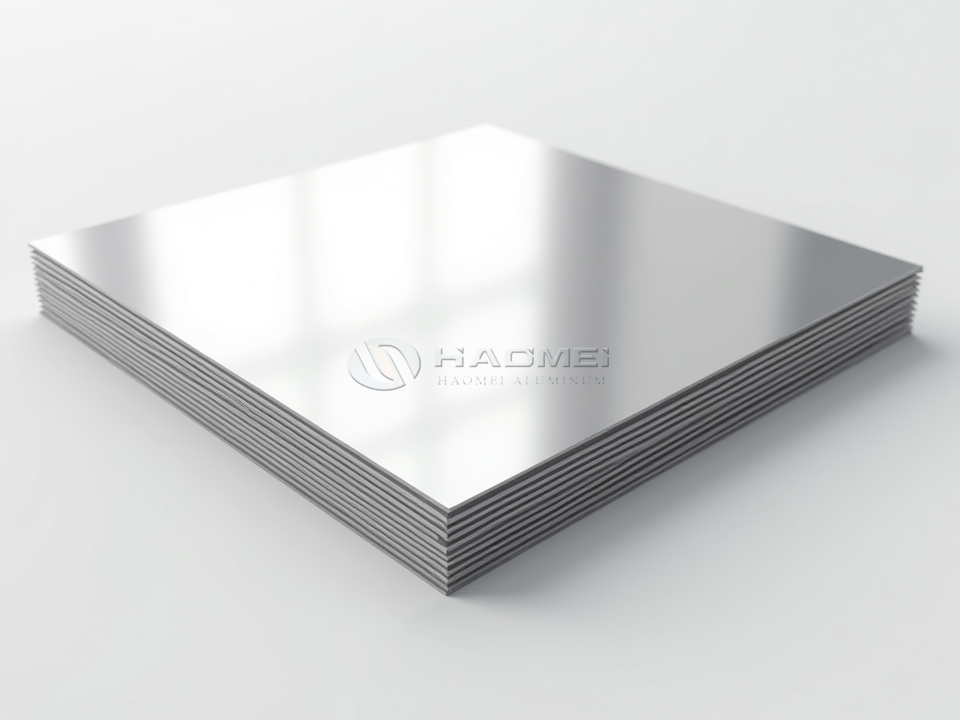
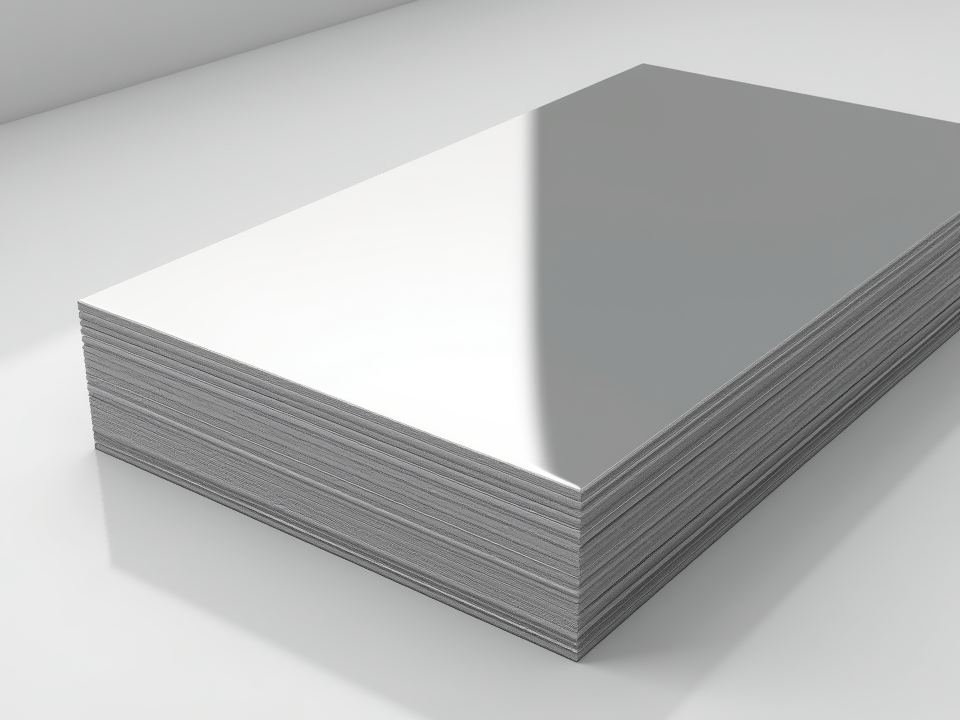
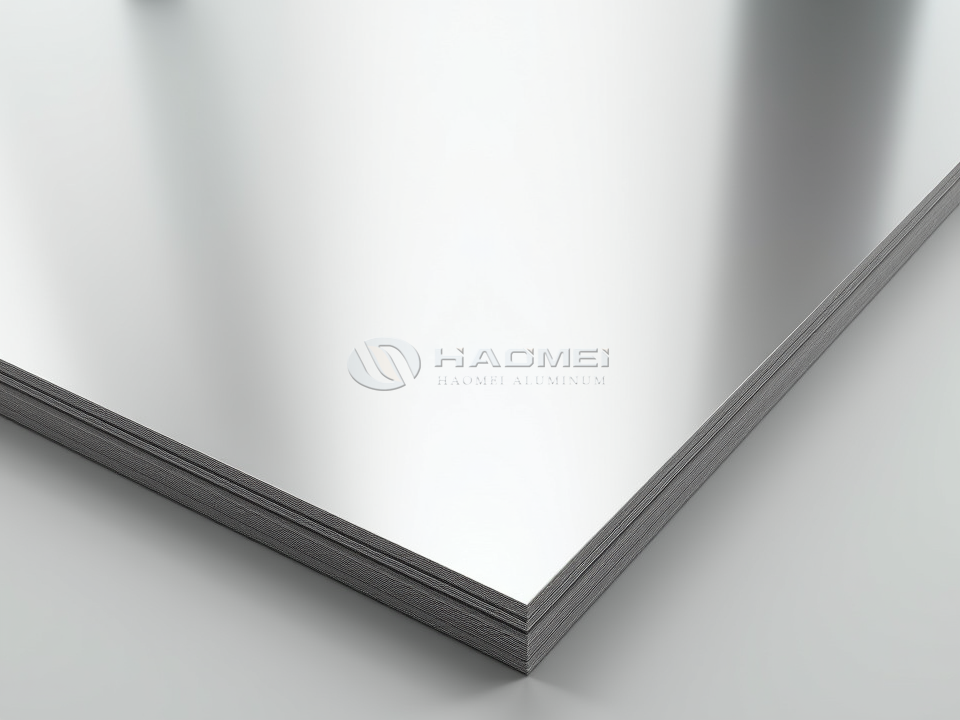
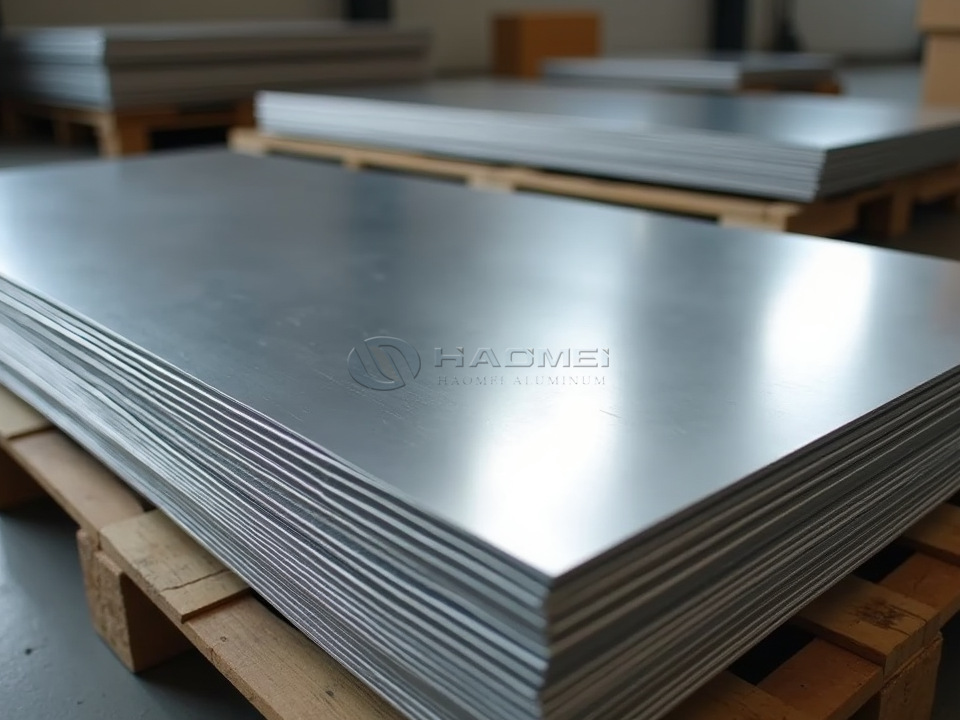
Ceiling decoration mirror aluminum is a polished or coated aluminum sheet designed to create luminous, spacious, and contemporary overhead surfaces. Its highly reflective finish enhances artificial lighting, adds visual depth, and provides a clean metal appearance that suits commercial and residential interiors. Compared with glass mirrors, mirror aluminum is lightweight, shatter-resistant, easy to fabricate, and practical for suspended ceiling systems.
Used in ceiling tiles, strip ceilings, baffle panels, honeycomb panels, and decorative cladding, this material combines visual performance with reliable corrosion resistance. Silver, gold, black, champagne, and colored reflective finishes can be selected to coordinate with lighting, wall panels, furniture, or brand environments.
Functions in Ceiling Decoration
Mirror aluminum sheet does more than provide a decorative surface. Its reflective layer redirects light from lamps, skylights, and illuminated signage, helping interiors appear brighter without increasing the number of fixtures. In corridors, retail spaces, hotel lobbies, elevators, restaurants, and exhibition halls, the reflected ceiling plane can create a wider and taller visual effect.
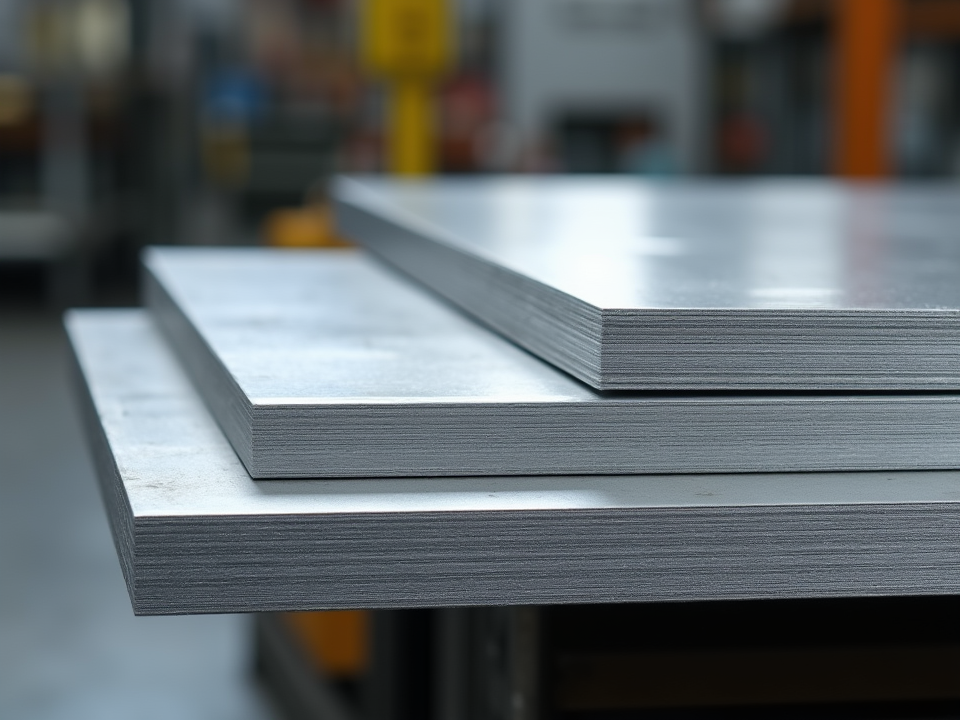
The aluminum substrate also supports efficient forming. It can be cut, punched, folded, roll-formed, embossed, and laminated for ceiling modules with concealed or exposed grids. Protective films preserve the finished face during transport and fabrication, then are removed after installation.
| Function | Practical Value in Ceiling Systems |
|---|---|
| Light reflection | Improves brightness distribution and visual comfort when matched with suitable lighting layouts |
| Decorative depth | Creates a spacious appearance in low or narrow rooms |
| Low dead load | Reduces load on suspension frames compared with glass-based mirror materials |
| Formability | Supports perforated tiles, edge folding, cassette panels, strips, and custom profiles |
| Corrosion resistance | Suitable for dry interiors and controlled-humidity decorative applications |
| Easy maintenance | Smooth coated surfaces can be cleaned with a soft cloth and neutral cleaner |
Suitable Alloys and Temper Conditions
The 1xxx aluminum series is widely used for highly reflective ceiling decoration because its high aluminum content supports bright polishing and stable anodizing. Alloy 1060 is a common choice for standard interior ceiling panels. Alloy 1070 or 1085 can provide higher purity for demanding reflection requirements. For panels requiring greater strength, 3003 aluminum is often selected, especially for formed cassettes or larger decorative components.
| Alloy | Typical Aluminum Content | Common Temper | Ceiling Decoration Use |
|---|---|---|---|
| 1060 | 99.60% minimum | H14, H18, H24 | Standard mirror ceiling panels, strips, trims |
| 1070 | 99.70% minimum | H14, H18 | High-brightness reflective decorative surfaces |
| 1085 | 99.85% minimum | H14, H18 | Premium optical and lighting-oriented reflectors |
| 3003 | Balance aluminum with manganese | H14, H24 | Formed ceiling cassettes and applications needing improved strength |
Temper selection affects bending performance, flatness, and resistance to handling marks. H14 provides a practical balance between strength and fabrication flexibility. H18 is harder and can retain excellent surface flatness, but tight-radius bending requires more care. H24 is suitable when moderate strength and forming capability are both needed.
For decorative panels that require stable visual quality, specify a reliable Mirror Aluminum Sheet finish together with alloy, temper, thickness, coil direction, protective-film type, and acceptable reflectivity range.
Chemical Composition Reference
The composition of the substrate influences corrosion behavior, polish response, and mechanical properties. Values shown are typical maximum limits or specified ranges based on commonly referenced EN and ASTM alloy designations. Material certificates should govern final procurement requirements.
| Element, % by Weight | 1060 | 1070 | 1085 | 3003 |
|---|---|---|---|---|
| Aluminum, Al | 99.60 min | 99.70 min | 99.85 min | Balance |
| Silicon, Si | 0.25 max | 0.20 max | 0.12 max | 0.60 max |
| Iron, Fe | 0.35 max | 0.25 max | 0.12 max | 0.70 max |
| Copper, Cu | 0.05 max | 0.04 max | 0.03 max | 0.20 max |
| Manganese, Mn | 0.03 max | 0.03 max | 0.02 max | 1.00-1.50 |
| Magnesium, Mg | 0.03 max | 0.03 max | 0.02 max | 0.05 max |
| Zinc, Zn | 0.05 max | 0.04 max | 0.03 max | 0.10 max |
| Other elements, total | 0.03 max | 0.03 max | 0.03 max | 0.15 max |
Technical Specifications for Mirror Ceiling Aluminum
Mirror aluminum may be supplied as coil, cut sheet, blank, or fabricated ceiling component. Dimensions should be chosen according to ceiling design, forming method, transport limitations, and panel support spacing.
| Parameter | Typical Range or Option |
|---|---|
| Product form | Coil, sheet, strip, ceiling blank, cassette panel |
| Thickness | 0.20-1.50 mm for most decorative ceiling applications |
| Standard width | 1,000 mm, 1,220 mm, 1,250 mm, or slit widths |
| Standard length | 2,000 mm, 2,440 mm, 3,000 mm, or custom cut length |
| Surface finish | Mechanical polished, bright rolled, anodized mirror, colored mirror, laminated mirror |
| Available colors | Silver, gold, black, champagne, bronze, custom color |
| Total reflectance | Commonly 80-95%, depending on finish and coating system |
| Protective film | PE laser film, standard PE film, PVC film, or paper interleaf |
| Surface direction | Longitudinal, transverse, or non-directional upon agreement |
| Typical density | 2.70 g/cm³ |
| Melting range | Approximately 630-660°C, alloy dependent |
| Thermal conductivity | Approximately 205-235 W/m·K for 1xxx series |
Surface Treatments and Visual Performance
Mechanical polishing creates a bright reflective surface through controlled rolling and polishing processes. Anodized mirror aluminum adds an electrochemically formed oxide layer that improves surface hardness and corrosion resistance while maintaining a refined metallic appearance. Colored mirror finishes can be produced through anodizing, coil coating, vacuum deposition, or laminated decorative films, depending on the intended color depth and service environment.
For ceilings near kitchens, swimming pools, coastal zones, or areas with frequent condensation, surface protection requires closer evaluation. Aluminum naturally forms an oxide film, yet exposure to alkaline cleaners, chlorides, or trapped moisture can stain the reflective face or edges. Anodized finishes and carefully sealed panel joints offer stronger long-term performance in demanding interiors.
| Finish Type | Appearance | Recommended Environment |
|---|---|---|
| Bright rolled mirror | Crisp silver reflection | Offices, retail displays, dry interior ceilings |
| Anodized mirror | Durable metallic reflection | Hotels, transport interiors, humid controlled spaces |
| Gold mirror | Warm luxurious visual effect | Lobbies, restaurants, boutiques, lift cabins |
| Black mirror | Dramatic contemporary depth | Clubs, showrooms, feature ceilings |
| Coated colored mirror | Broad color flexibility | Branded interiors and themed commercial projects |
Standards, Inspection, and Installation Notes
Common material references include ASTM B209 for aluminum and aluminum-alloy sheet and plate, EN 485 for tolerances and mechanical properties of wrought aluminum sheet, and EN 573 for alloy chemical composition. Finished ceiling systems may also need to meet local requirements for fire performance, indoor air quality, suspended-ceiling safety, and building code compliance.
| Control Item | Recommended Requirement |
|---|---|
| Alloy verification | Mill test certificate with chemical composition and temper |
| Thickness tolerance | Confirm according to applicable ASTM B209 or EN 485 requirements |
| Surface inspection | No dents, roll marks, stains, coating voids, or scratches beyond agreed sample standard |
| Reflective consistency | Compare with approved production sample under consistent lighting |
| Flatness | Match panel geometry and fabrication requirements |
| Film adhesion | Protective film must remain secure during processing and release cleanly after installation |
| Packaging | Moisture-resistant wrapping, edge protection, pallet support, and clear handling labels |
During installation, use clean gloves and avoid sliding panels face-to-face. Keep protective film in place until final cleaning, but do not leave it exposed to heat or sunlight longer than the film supplier recommends. Ceiling grids and fasteners should be compatible with aluminum to reduce galvanic corrosion risk. Leave suitable allowance for thermal movement, particularly on wide panels or ceilings exposed to temperature variation.
Ceiling decoration mirror aluminum delivers a bright, lightweight, and adaptable finish for architectural interiors. With the correct alloy, temper, coating, and fabrication controls, it provides lasting reflective appeal while meeting the practical needs of modern ceiling construction.