LED Light Reflector Aluminum Sheet
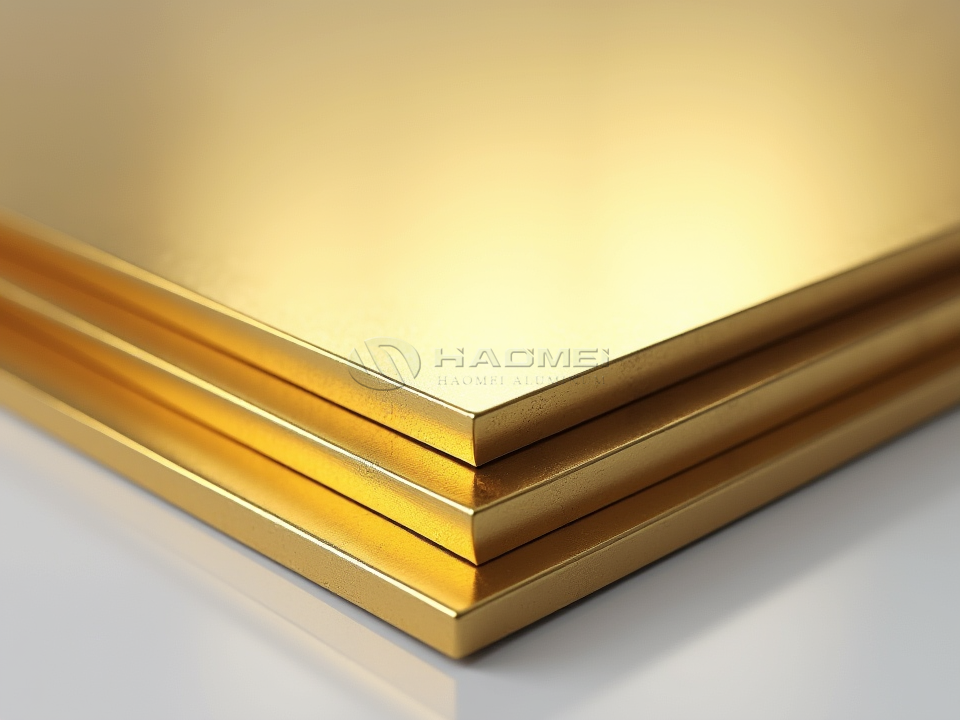
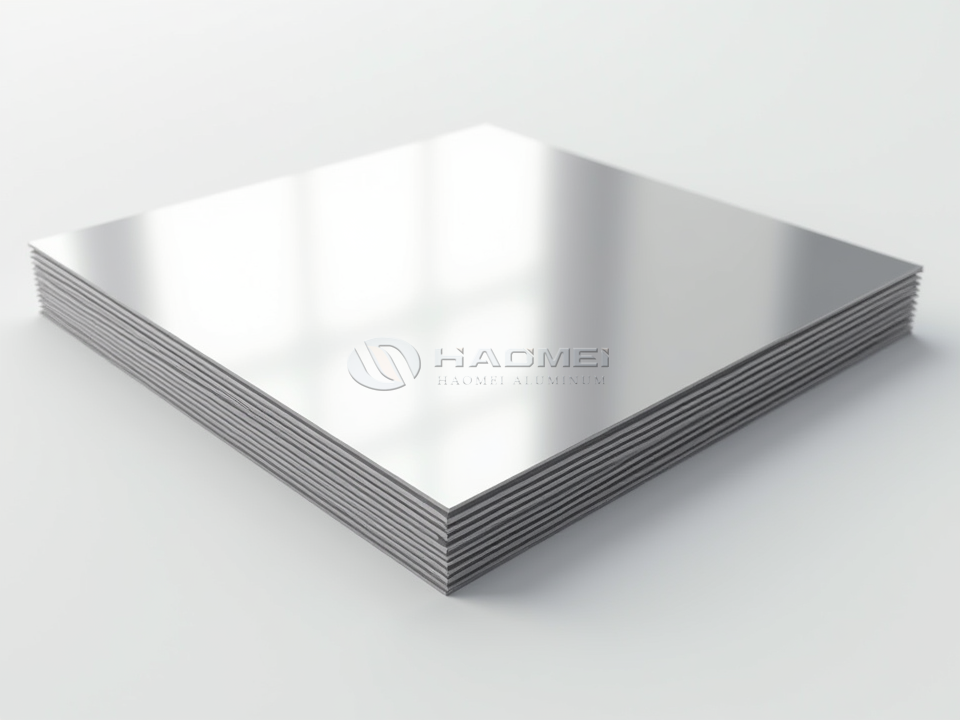
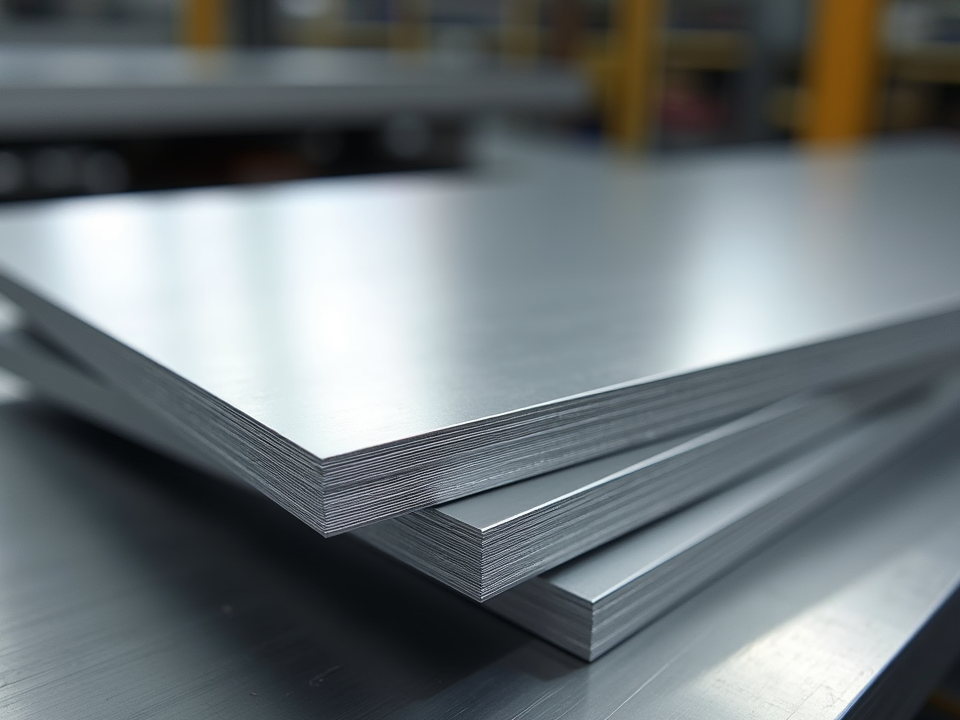
LED light reflector aluminum sheet is a bright-finished aluminum material engineered to direct, distribute, and intensify light inside luminaires. Its highly reflective surface helps LED fixtures deliver more usable illumination with lower optical loss, supporting efficient designs for indoor, outdoor, commercial, and industrial lighting.
Compared with painted steel or ordinary aluminum, reflector-grade sheet combines low weight, excellent formability, corrosion resistance, and stable optical performance. It can be cut, stamped, bent, deep drawn, or spun into reflector cups, channels, housings, louver components, and decorative lighting panels.
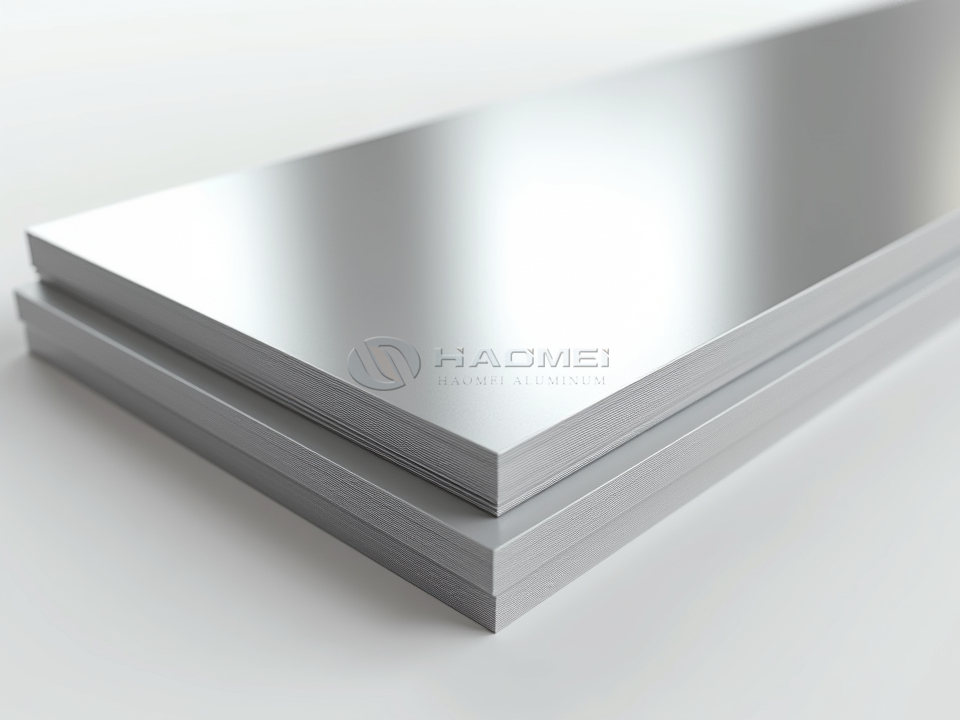
Features and Lighting Benefits
The surface of LED light reflector aluminum sheet is processed by mechanical polishing, chemical brightening, anodizing, or advanced mirror treatment. This creates a smooth reflective layer that directs light effectively while reducing unnecessary absorption inside the fixture.
| Feature | Benefit for LED Lighting |
|---|---|
| High visible-light reflectivity | Improves light output and fixture efficiency |
| Smooth mirror or semi-mirror surface | Supports controlled beam distribution and reduced scattering |
| Low density | Reduces luminaire weight and installation load |
| Strong formability | Suitable for complex reflector geometries and stamped parts |
| Natural corrosion resistance | Performs reliably in normal indoor and protected outdoor conditions |
| Anodized surface option | Adds scratch resistance, cleaner appearance, and improved surface stability |
| Good thermal conductivity | Assists heat transfer when used near LED modules or heat-management structures |
| Recyclable material | Supports lower-impact lighting and building projects |
Reflectivity should be selected according to the optical target. Specular finishes create more focused reflection and are suitable for spotlights, downlights, and narrow-beam designs. Diffuse or semi-specular finishes spread light more evenly and can reduce glare in broad-area fixtures.
Common Alloys and Tempers
High-purity 1xxx aluminum alloys are widely used for reflectors because they provide excellent brightness and surface response. Alloy 1060 is a common choice for economical reflector applications, while 1070 and 1085 offer higher aluminum purity for demanding optical surfaces. Alloy 3003 may be selected when more strength is needed for larger housings or formed structural components.
| Alloy | Aluminum Content | Typical Temper | Reflector Characteristics | Typical Use |
|---|---|---|---|---|
| 1060 | ≥ 99.60% | O, H14, H16, H18 | Good reflectivity, economical, easy to form | General lamps, decorative fixtures |
| 1070 | ≥ 99.70% | O, H14, H16 | High purity and bright surface response | Indoor reflectors, LED panels |
| 1085 | ≥ 99.85% | O, H14, H16 | Excellent optical potential and premium finish | High-efficiency reflectors, optical lighting |
| 3003 | Al-Mn alloy | H14, H16, H18 | Higher strength with good corrosion resistance | Larger reflector bodies, industrial lamps |
For a widely used bright surface option, 1060 Mirror Aluminum Sheet provides a practical balance of reflectivity, processing performance, and cost control.
Chemical Composition
The following table shows typical composition limits for commonly specified high-purity reflector alloys. Actual values may be controlled according to the applicable standard, order specification, and required surface quality.
| Alloy | Si | Fe | Cu | Mn | Mg | Zn | Ti | Al |
|---|---|---|---|---|---|---|---|---|
| 1060 | ≤ 0.25% | ≤ 0.35% | ≤ 0.05% | ≤ 0.03% | ≤ 0.03% | ≤ 0.05% | ≤ 0.03% | ≥ 99.60% |
| 1070 | ≤ 0.20% | ≤ 0.25% | ≤ 0.04% | ≤ 0.03% | ≤ 0.03% | ≤ 0.04% | ≤ 0.03% | ≥ 99.70% |
| 1085 | ≤ 0.12% | ≤ 0.12% | ≤ 0.03% | ≤ 0.02% | ≤ 0.02% | ≤ 0.03% | ≤ 0.03% | ≥ 99.85% |
| 3003 | ≤ 0.60% | ≤ 0.70% | ≤ 0.20% | 1.00-1.50% | - | ≤ 0.10% | - | Balance |
Technical Specifications
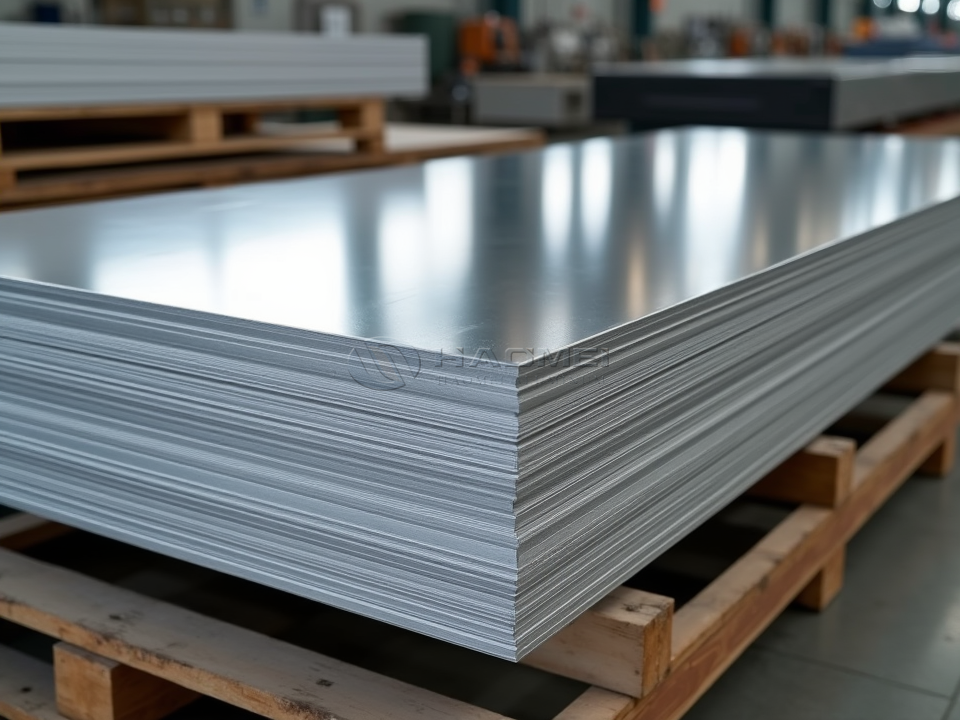
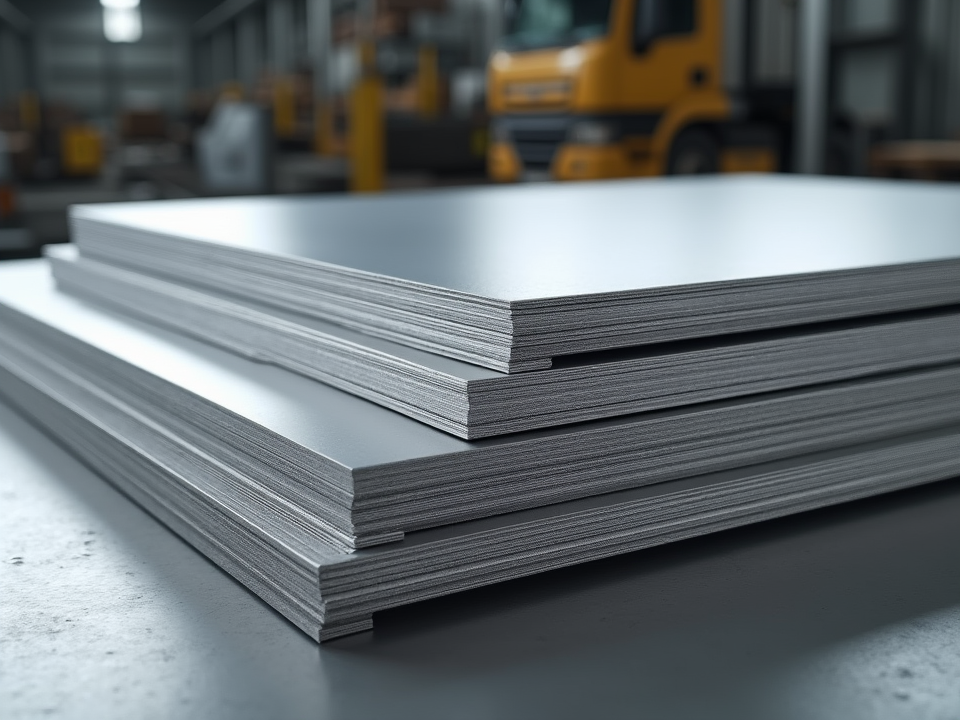
LED reflector sheet is available in coils, sheets, circles, strips, and custom blanks. Dimensions and surface treatment can be matched to stamping equipment, reflector design, and assembly requirements.
| Parameter | Typical Range or Option |
|---|---|
| Product form | Coil, sheet, strip, circle, stamped blank |
| Thickness | 0.20-3.00 mm |
| Common reflector thickness | 0.30-1.20 mm |
| Width | 20-1,600 mm |
| Sheet length | 500-6,000 mm or custom |
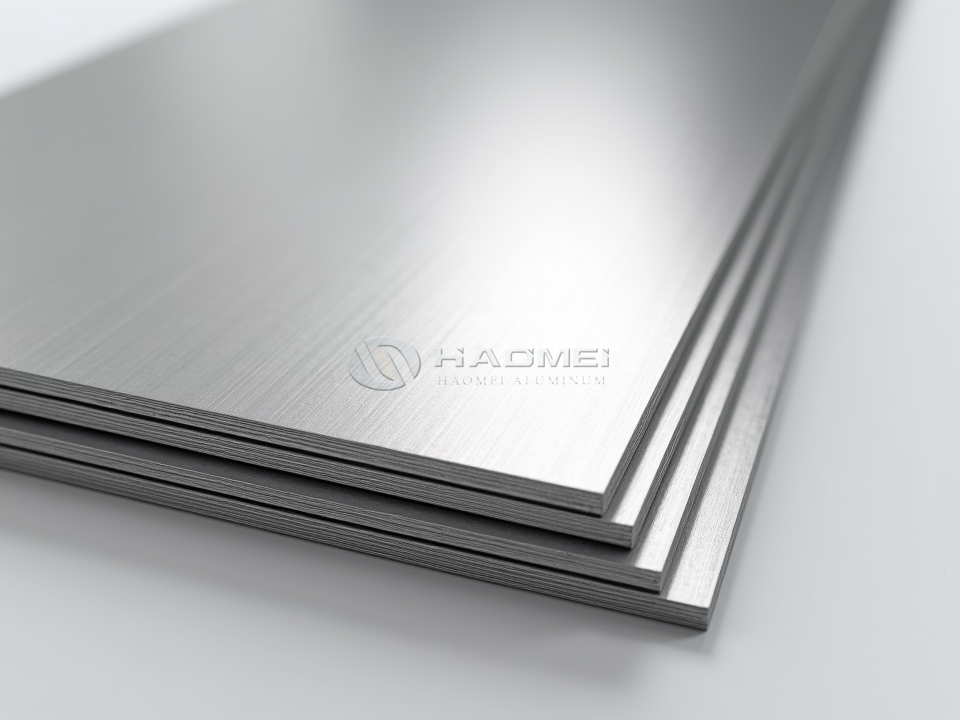
| Surface finish | Mirror, high-gloss, semi-mirror, matte, brushed, embossed |
| Surface treatment | Mill bright, polished, anodized, protective film laminated |
| Visible light reflectivity | Approximately 80-95%, depending on alloy and finish |
| Density | Approximately 2.70 g/cm³ |
| Thermal conductivity | Approximately 220-235 W/m·K for 1xxx alloys |
| Protective film | PE film, laser film, or customer-specified masking |
| Edge condition | Mill edge, slit edge, deburred edge |
Surface Options for Optical Performance
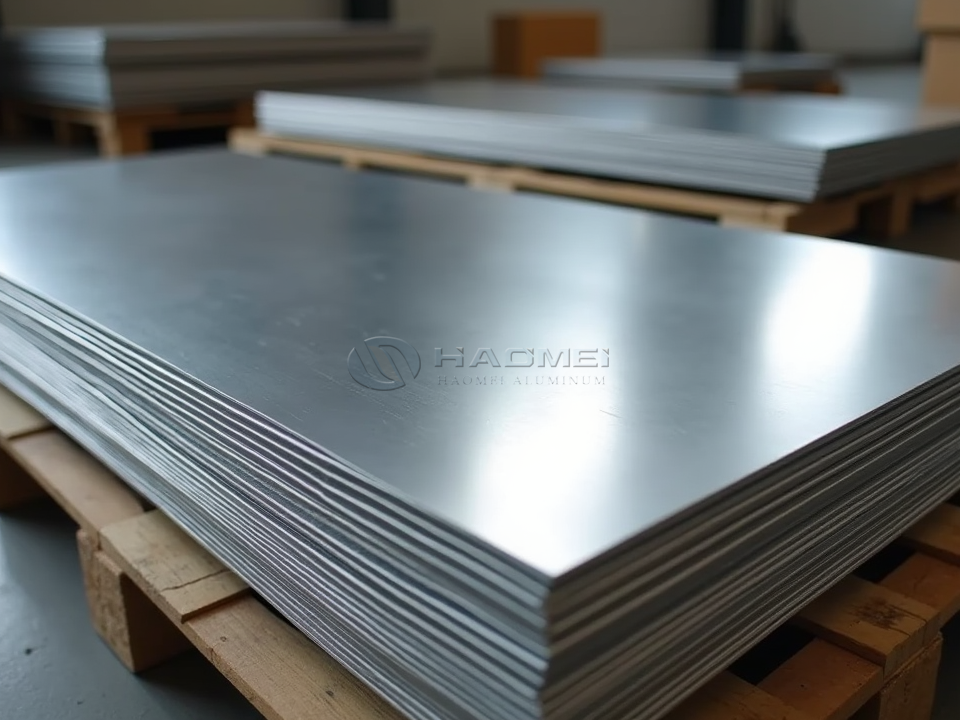
Surface selection influences both visual appearance and photometric behavior. A polished mirror surface delivers sharp reflection and a premium metallic appearance. Anodized mirror aluminum adds a transparent oxide layer that helps protect the bright surface during fabrication, handling, and service. This finish is particularly valuable for lighting products exposed to frequent cleaning or requiring a consistent decorative appearance.
| Surface Type | Reflection Character | Suitable Lighting Products |
|---|---|---|
| Standard mirror | Highly specular | Downlights, spotlights, reflector cups |
| Anodized mirror | Specular with enhanced surface durability | Architectural luminaires, commercial lighting |
| Semi-mirror | Balanced directional and diffuse reflection | Office fixtures, retail lights |
| Matte or diffuse | Soft, wide light distribution | Anti-glare panels, broad-area lamps |
| Colored mirror | Decorative reflection | Hospitality, display, and accent lighting |
Applications
LED light reflector aluminum sheet is used wherever fixture designers need efficient light control and an attractive metallic interior or exterior. Its fabrication flexibility allows producers to create shallow reflectors, deeply drawn cups, curved channels, faceted panels, and precision-cut optical parts.
| Application Area | Typical Aluminum Component |
|---|---|
| LED downlights | Deep-drawn reflector cups and trim rings |
| Spotlights and track lights | Specular reflectors for controlled beam angles |
| LED panel lights | Reflective backing sheets and optical cavity panels |
| Linear lighting | Reflector channels and interior bright liners |
| Street and tunnel lamps | Reflective chambers and formed housings |
| High-bay lighting | Large reflectors for warehouses and factories |
| Retail and display lighting | Decorative mirror panels and directional reflectors |
| Automotive auxiliary lamps | Lightweight reflective inserts and covers |
Processing and Handling Guidance
Reflector aluminum should be handled with clean gloves to prevent fingerprints, abrasion, and oil contamination on the optical surface. Protective film should remain in place through cutting, stamping, bending, and transportation whenever possible. For deep drawing, alloy temper and lubrication must be chosen carefully to prevent surface marks and excessive thinning.
Laser cutting, punching, stamping, spinning, bending, and adhesive bonding are all compatible with suitable grades. When welding is necessary, it is advisable to locate weld zones away from visible mirror surfaces, since heat can affect gloss and flatness. Finished parts should be packed with interleaving paper or film to preserve reflectivity during shipment.
Selection Considerations
A suitable LED light reflector aluminum sheet is chosen by balancing reflectivity, beam-control requirements, corrosion exposure, forming depth, and budget. High-purity 1070 or 1085 material is preferred where optical output is the priority. 1060 is often selected for dependable general lighting production, while 3003 offers added mechanical strength for larger or more rigid components.
For best results, specify alloy, temper, thickness, reflectivity target, surface treatment, protective film, dimensional tolerance, and intended forming method at the quotation stage. Clear requirements help ensure the reflector sheet arrives ready for efficient fabrication and consistent lighting performance.