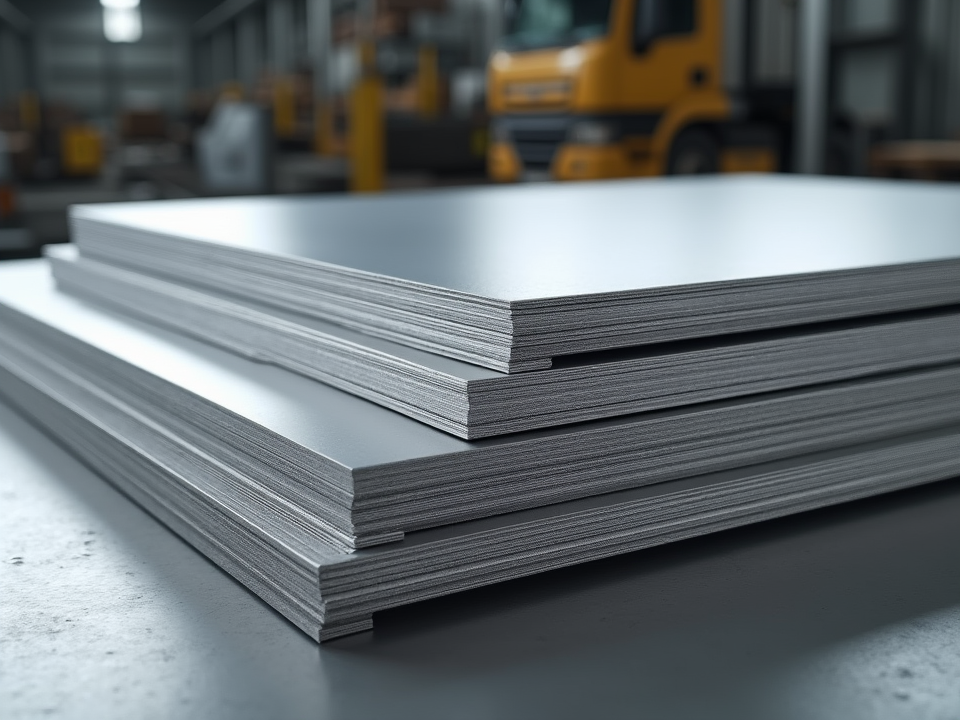
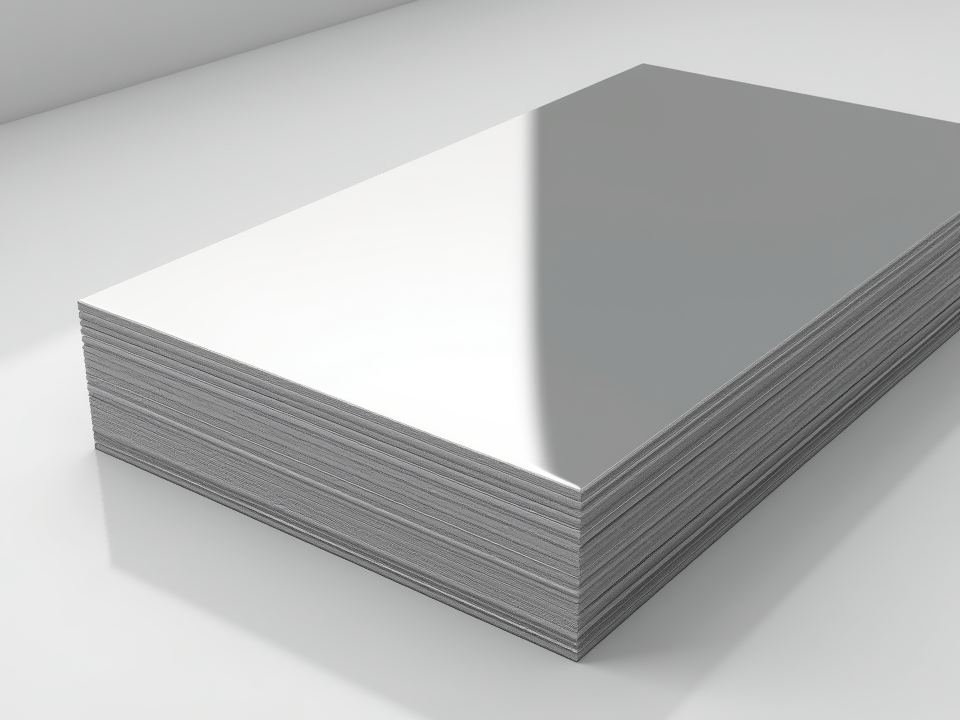
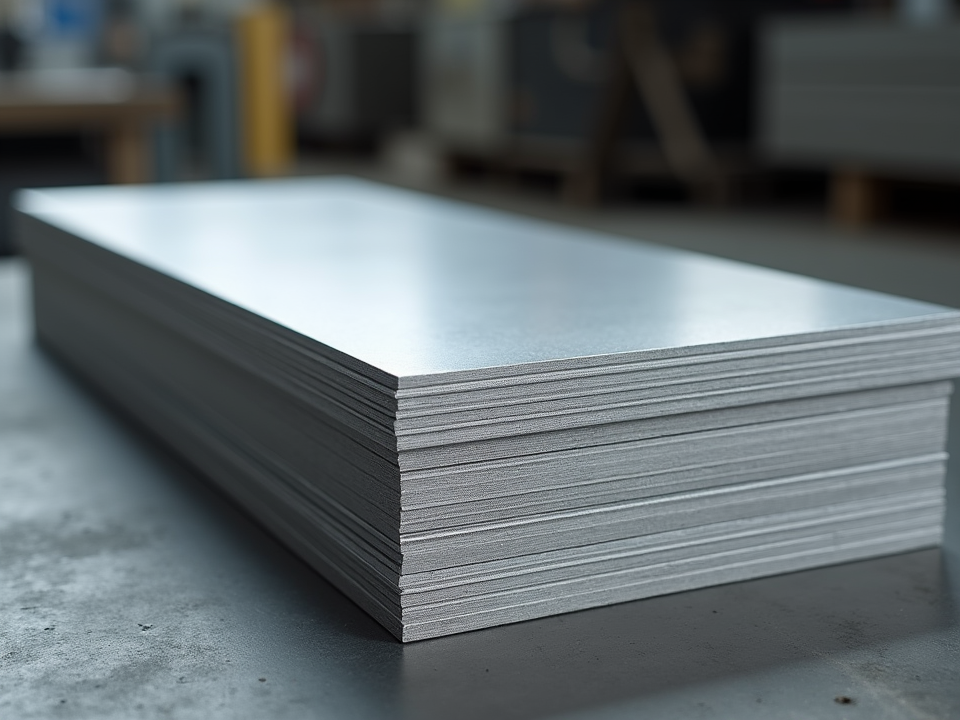
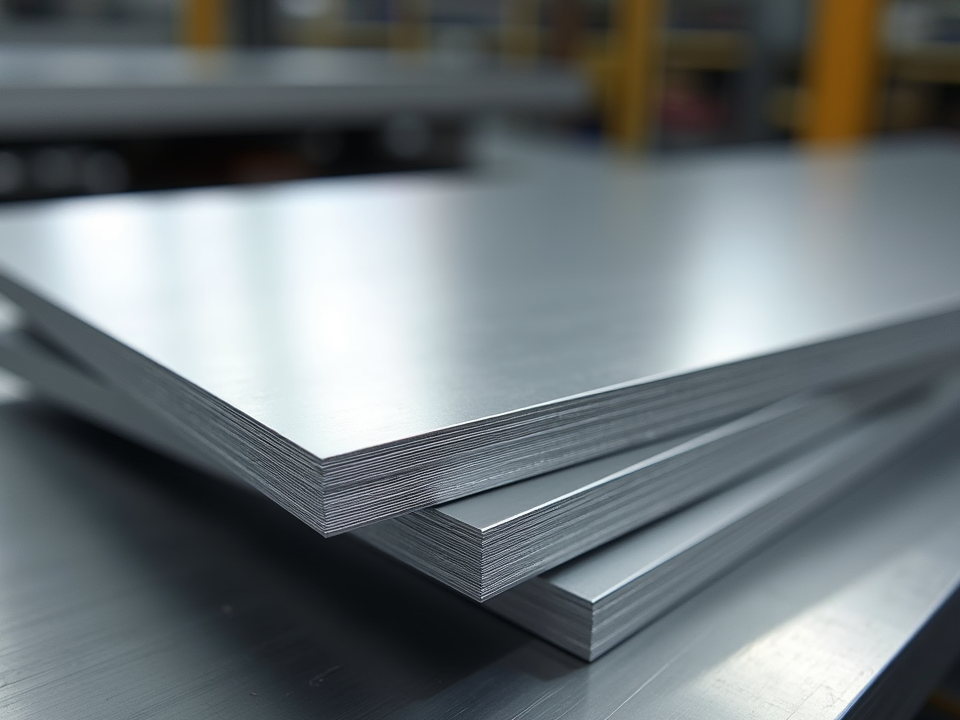
High Gloss Mirror Polished Aluminum
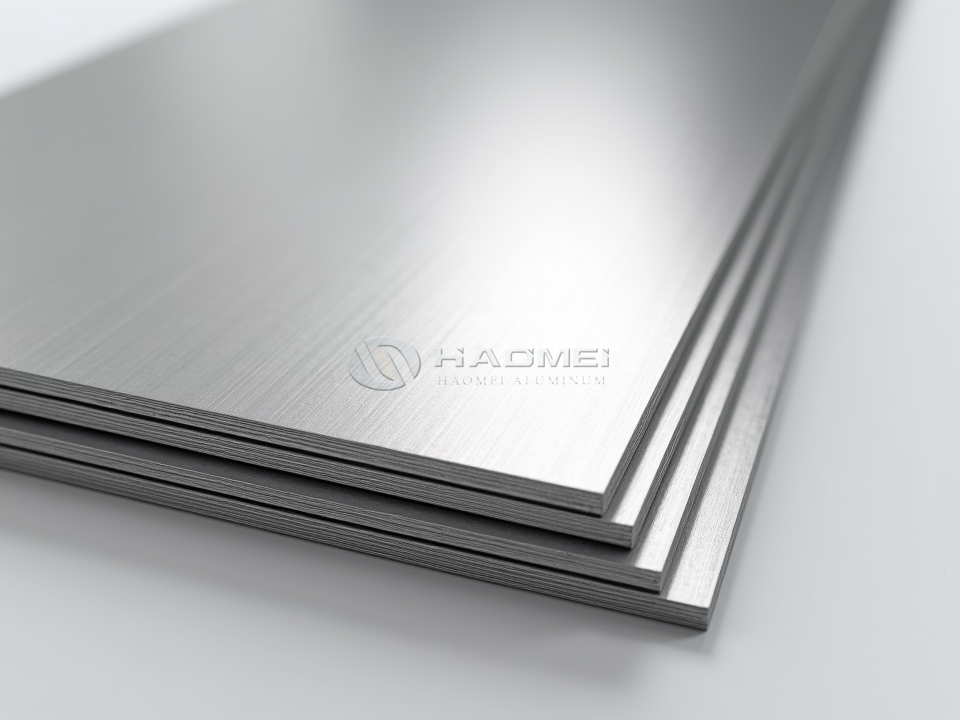
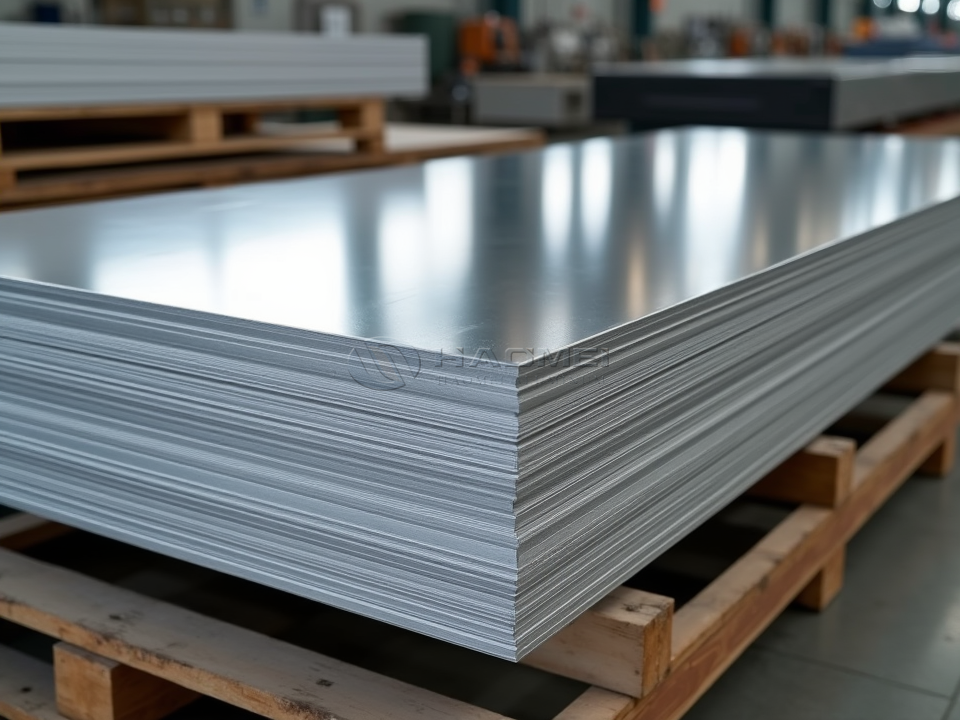
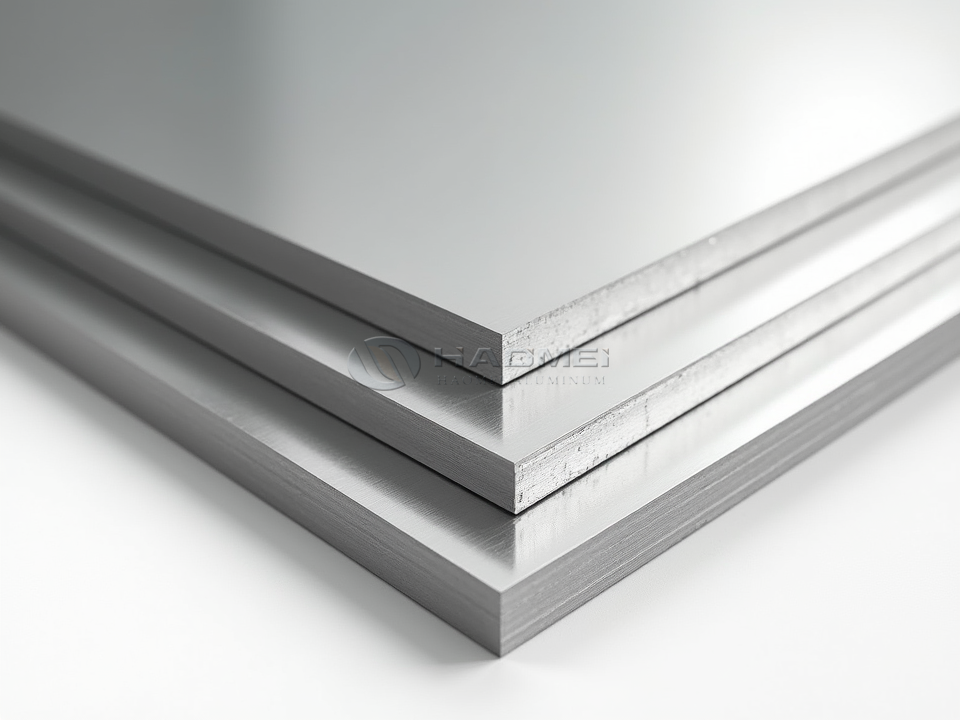
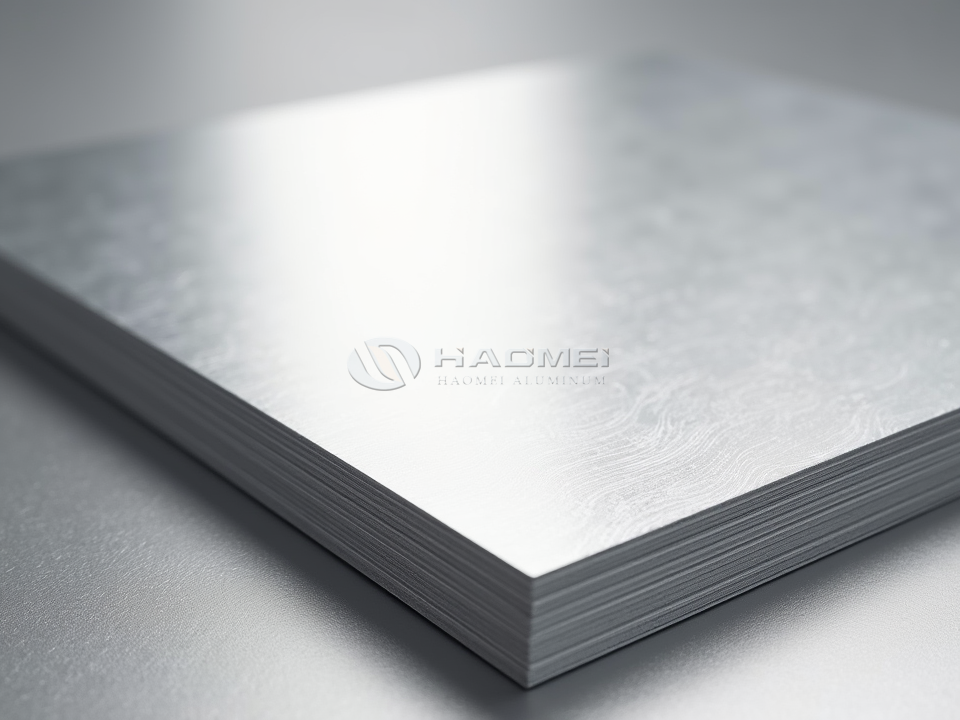
High gloss mirror polished aluminum is often selected for its bright, luxurious appearance, yet its real value goes far beyond surface shine. It is a material that actively changes a space. It catches daylight, multiplies artificial light, makes narrow areas feel broader, and gives products a crisp, contemporary character without the weight or fragility of glass.
For buyers, the most useful way to evaluate this material is not simply by asking, "How shiny is it?" A better question is: "What will this reflective surface do in my finished environment?" The answer depends on the grade, coating, flatness, forming requirements, installation method, and the type of light that will strike the panel every day.
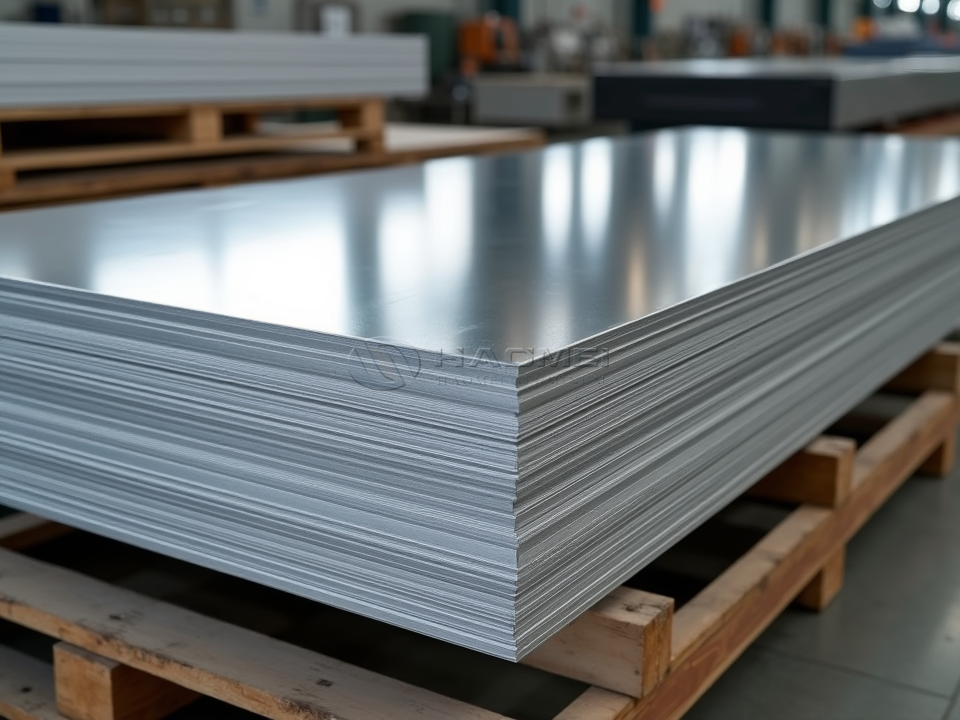
A Surface That Works with Light
A high gloss mirror polished aluminum sheet does not merely reflect an image. It redirects light. In a retail ceiling, this can make focused lighting feel richer and more layered. In a lighting fixture, it can help distribute illumination efficiently. On a decorative wall, it can bring movement to an otherwise flat interior as people, colors, and daylight shift across the surface.
This makes mirror aluminum especially appealing where visual energy matters: shops, exhibition stands, elevators, appliance trims, signage, furniture accents, transportation interiors, and architectural ceilings. A silver mirror finish creates a clean, open visual impression, while gold, black, bronze, and other colored treatments can make the reflection warmer, deeper, or more dramatic.
Unlike a conventional mirror, aluminum offers low density and good workability. It can be cut, bent, stamped, laminated, embossed, or formed into components with far less handling difficulty than glass. This broadens design options considerably, particularly when appearance and fabrication must work together.
The Reflection Tells You About Quality
The clearest way to judge high gloss mirror polished aluminum is to observe the reflected image rather than staring at the panel itself. A good mirror surface produces a clean, stable reflection with minimal haze, waviness, roll marks, scratches, pits, or uneven brightness. Even small surface defects become more noticeable after installation because a reflective panel magnifies surrounding lines and light sources.
Flatness is just as important as reflectivity. A panel can look excellent while lying flat on a worktable but show distortion once mounted onto an uneven substrate. This is why decorative projects should consider the full assembly rather than the sheet alone. Smooth backing panels, controlled fastening points, adhesive compatibility, and suitable expansion gaps all help preserve the intended visual effect.
When appearance standards are demanding, request samples large enough to inspect under actual project lighting. Warm lighting, cool lighting, sunlight, and angled spotlights reveal different characteristics. A finish that looks calm in a warehouse may appear far more vivid in a boutique or hotel lobby.
Selecting the Right Base Alloy and Finish
The word "mirror" describes the surface effect, but the base aluminum still matters. Pure aluminum grades such as 1050, 1060, 1070, and 1085 are frequently used where high reflectivity and decorative processing are priorities. Their bright surface and strong formability make them suitable for lampshades, reflectors, signs, ceiling panels, and interior decoration.
For applications requiring a balance between decorative appearance and greater mechanical strength, alloy families such as 3003 may be considered. A 3003 Mirror Aluminum Sheet can be a practical option for fabricated parts where moderate strength, corrosion resistance, and a polished presentation are all relevant.
The finish structure also affects service performance. Mechanically polished sheets can deliver an attractive bright surface, but they need careful handling and protection. Coated or anodized finishes provide an extra protective layer that can improve resistance to oxidation, fingerprints, light surface wear, and environmental exposure. For interiors exposed to frequent cleaning or human contact, an Anodized Mirror Aluminum Sheet is often worth considering because it combines reflectivity with a more durable surface condition.
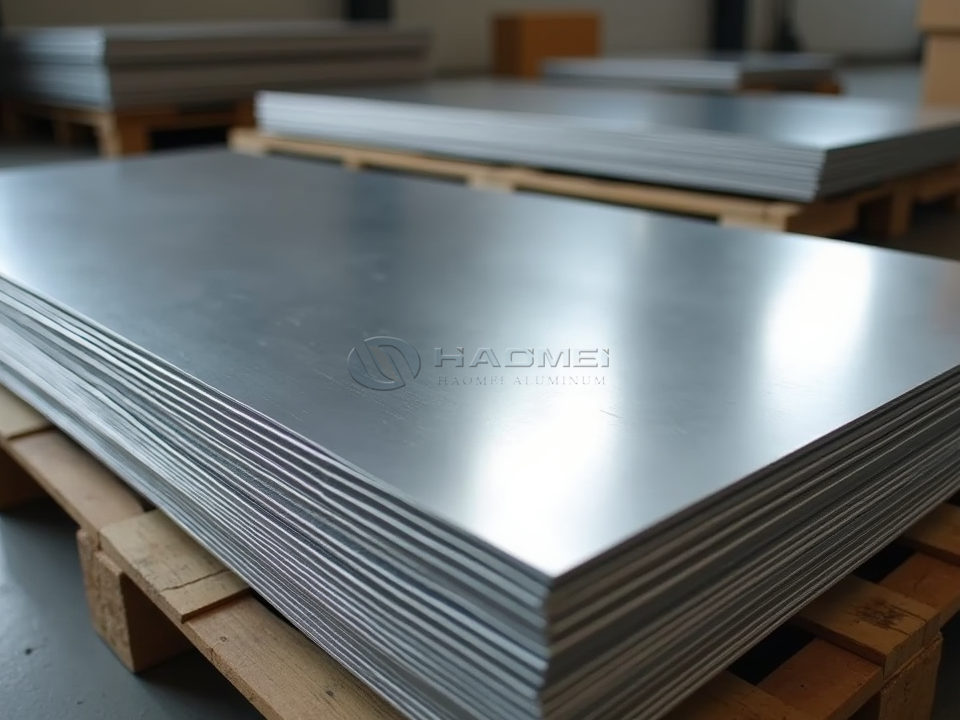
Decorative Metal That Needs Thoughtful Handling
Mirror polished aluminum is visually forgiving in one sense: it can make a modest area look more refined. It is unforgiving in another: careless processing is easy to see. Fingerprints, dragged debris, rough packing, and contact with sharp tools can leave marks that are difficult to disguise.
Protective film should remain in place during cutting, bending, transport, and installation whenever possible. The film should be peeled only after nearby dusty work is complete. If laser cutting, punching, or press forming is planned, test the film and sheet combination in advance. Some conditions may cause edge lifting, adhesive residue, or minor surface changes.
Cleaning should be gentle. Use a soft microfiber cloth, clean water, or a neutral cleaner approved for aluminum surfaces. Abrasive powders, steel wool, harsh alkaline cleaners, and dirty wiping cloths can damage the polish. Wiping in a consistent direction also reduces the chance of visible streaks.
Where High Gloss Aluminum Adds the Most Value
In ceiling systems, mirror panels visually raise the perceived height of a room and amplify decorative lighting. They work particularly well in commercial interiors where a bright, polished atmosphere supports the brand experience. In corridors and compact rooms, strategically placed reflective aluminum can create depth without adding heavy materials.
In lighting, polished aluminum serves a more technical role. Reflective housings and optical components can direct light more effectively than painted surfaces. Material selection should match the intended light source, heat level, reflector geometry, and required reflectance. For high-performance fixtures, surface consistency across batches matters because uneven reflectivity can affect visual output.
In consumer products, high gloss mirror polished aluminum creates a precise, premium detail on panels, trims, cosmetic packaging, small appliances, and display components. Its metallic nature gives the design an authentic material feeling that printed imitation finishes cannot fully reproduce.
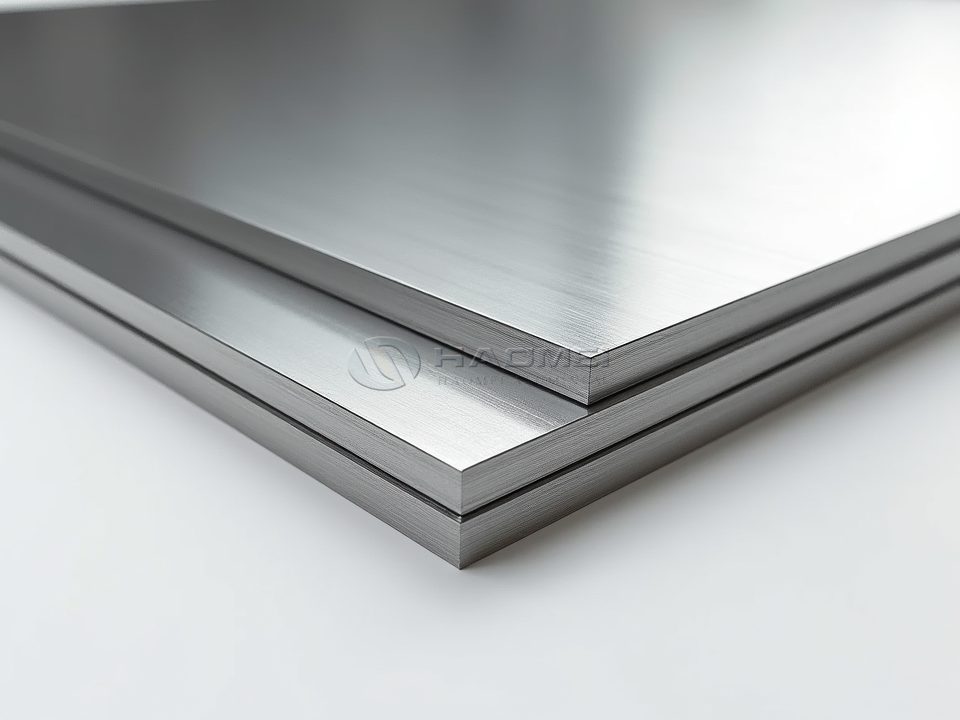
Specify the Sheet for the Job, Not Just the Appearance
A successful purchase specification should state more than color and thickness. It should address alloy, temper, dimensions, reflective finish type, protective film, surface inspection standard, application environment, and fabrication needs. Coil or sheet supply should be chosen according to the planned production route. Large continuous panels may benefit from coil processing, while custom decorative parts may be more practical in cut-sheet form.
Thickness should support the application without adding unnecessary cost or weight. Thin gauges are common for lamps, decorative laminates, and flexible formed products. Thicker panels may be preferred for rigid wall cladding, durable signs, machine covers, or larger architectural elements. The ideal choice depends on panel size, support spacing, forming depth, and the risk of visible oil-canning after installation.
High gloss mirror polished aluminum is most successful when treated as a light-shaping material rather than a simple metal sheet. With the right finish, protective treatment, and installation plan, it can provide a bright visual signature while remaining lightweight, practical, and adaptable for demanding decorative and functional designs.