Flexible Mirror Aluminum Sheet Metal
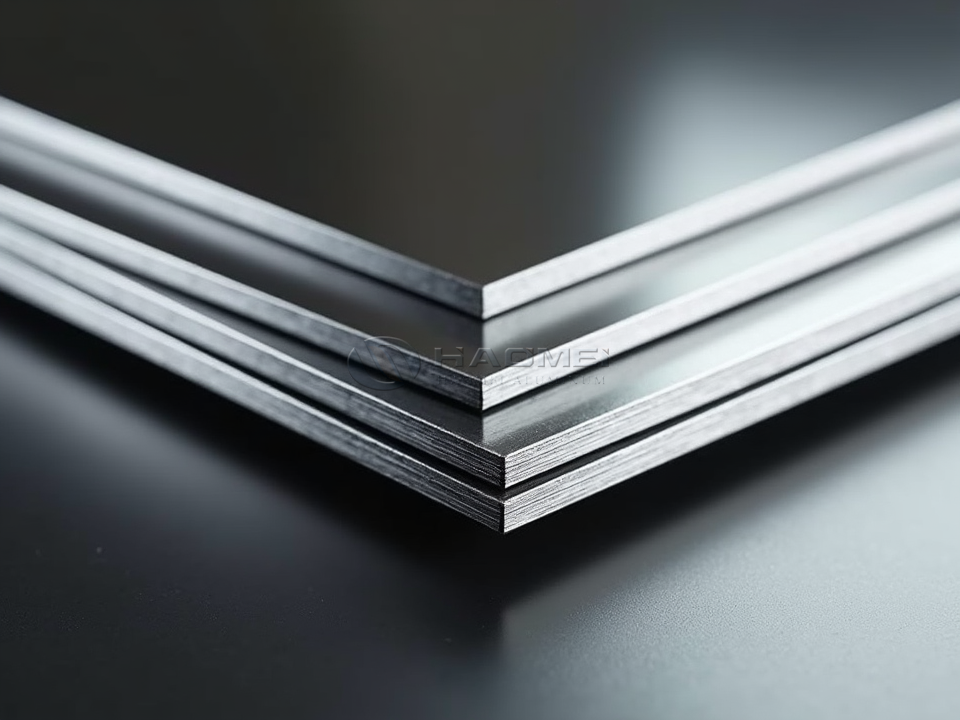
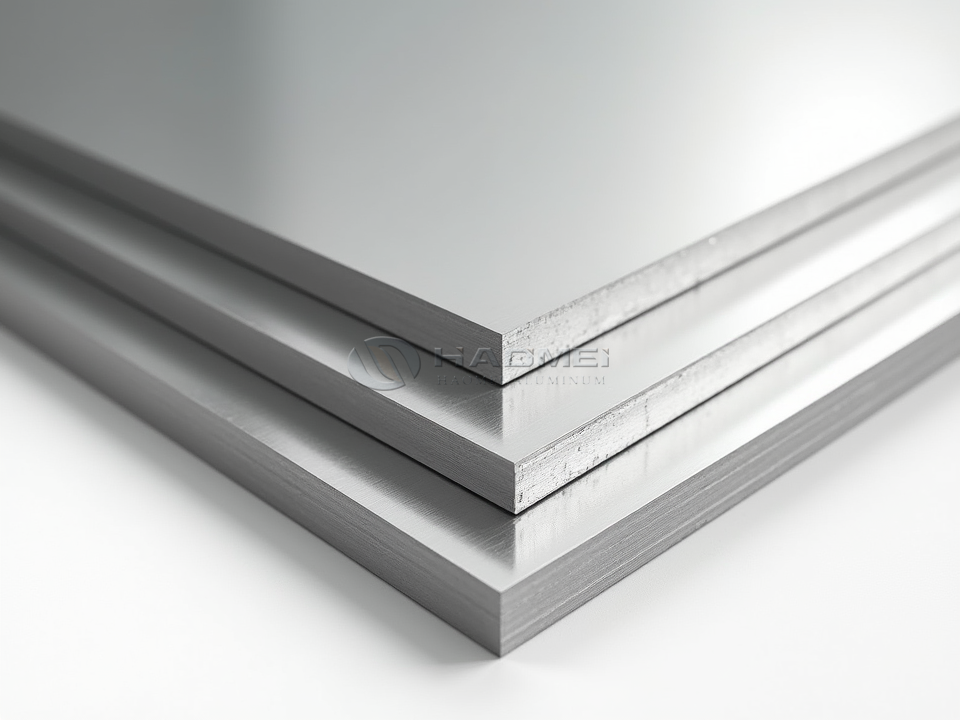
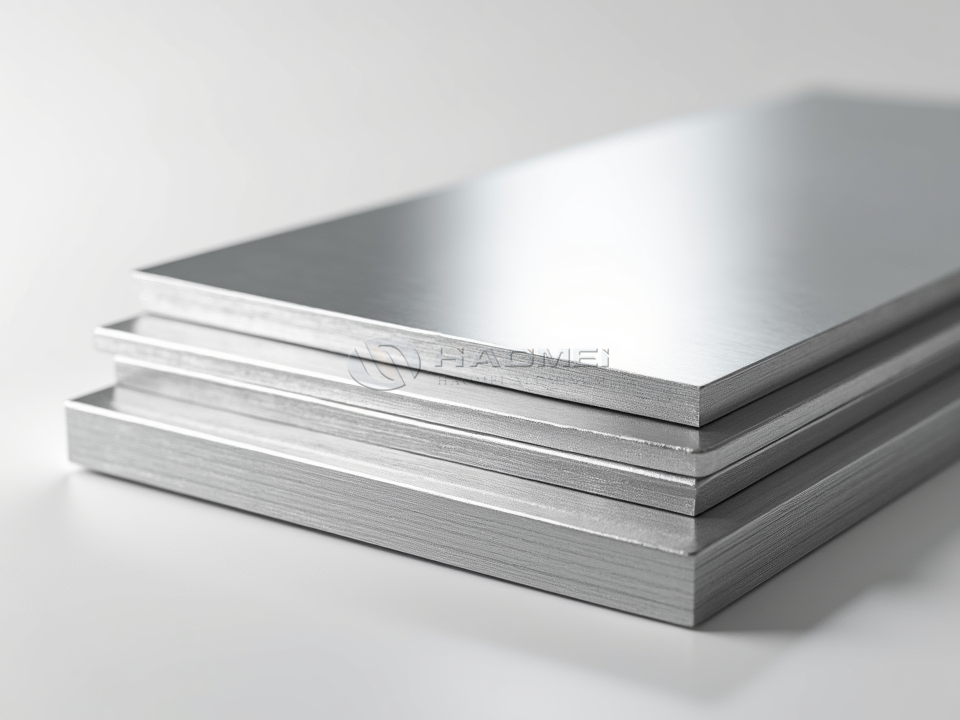
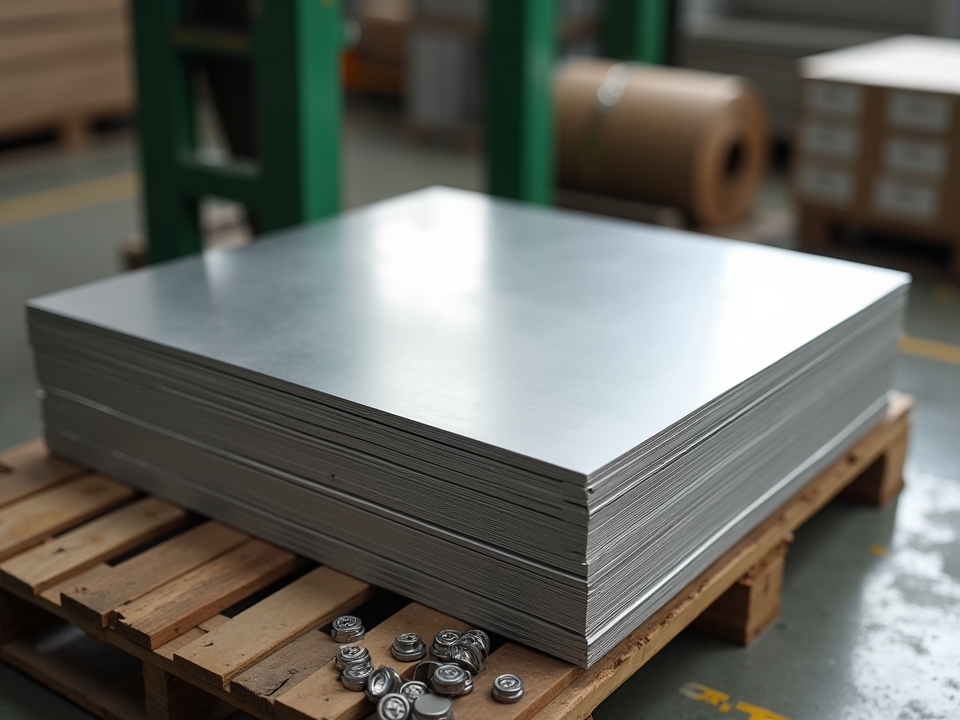
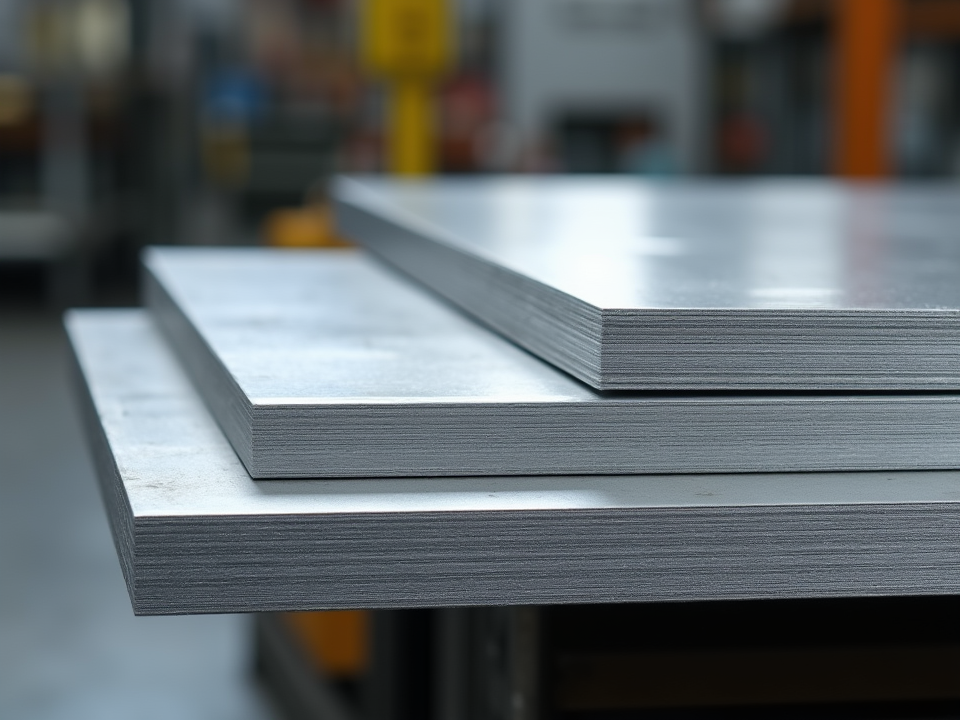
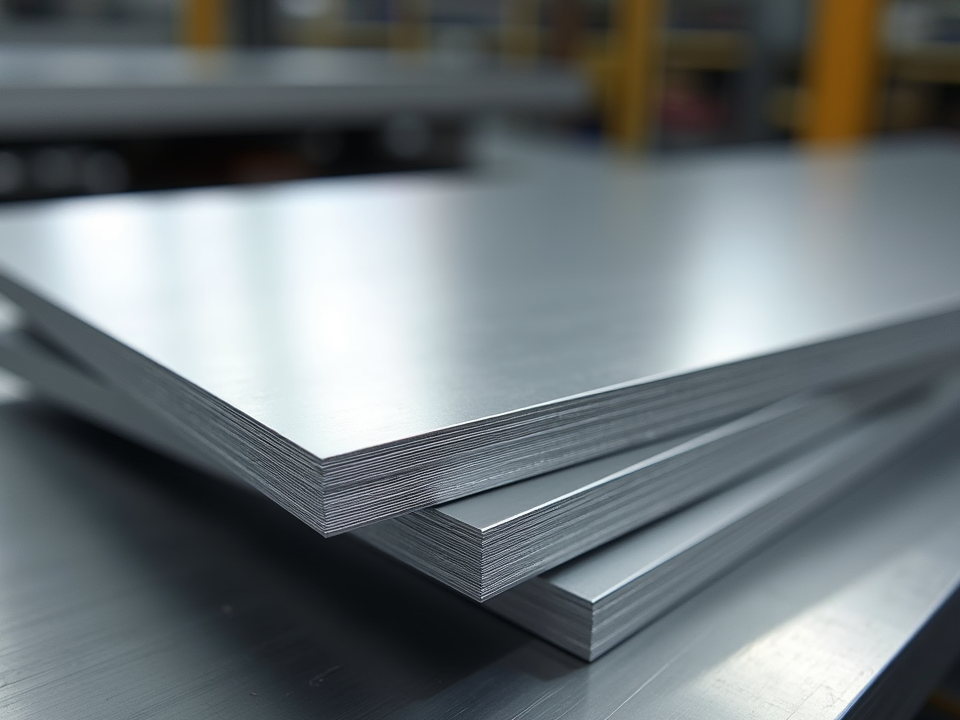
Flexible mirror aluminum sheet metal combines a bright, polished appearance with the low weight and forming capability of aluminum. It is designed for projects where a reflective visual effect is needed without the fragility, weight, or complex handling associated with glass mirrors. With suitable alloy and temper selection, the sheet can be bent, rolled, stamped, profiled, and bonded into decorative or functional components while maintaining an attractive mirror-like surface.
This material is widely selected for interior decoration, lighting reflectors, ceiling systems, signage, appliance panels, display fixtures, transport trim, and architectural accents. Its clean metallic brightness expands visual space, enhances light distribution, and provides a modern finish for both commercial and residential environments.
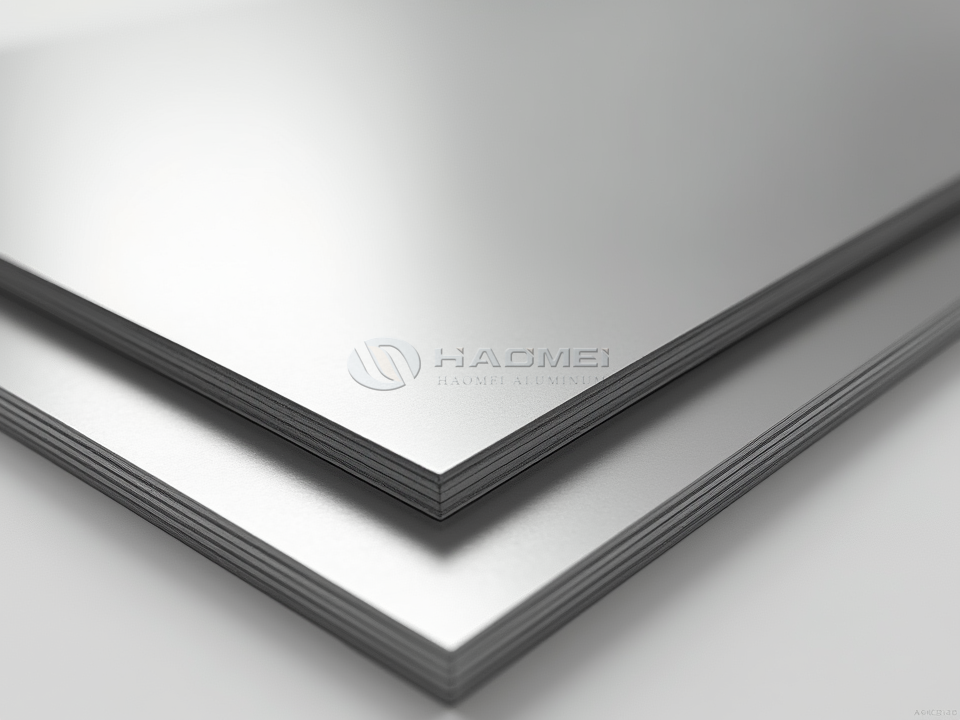
What Makes Mirror Aluminum Flexible?
Flexibility in mirror aluminum refers to controlled formability rather than unlimited bending. Thin-gauge aluminum in soft or semi-hard tempers can follow curved surfaces, shallow profiles, circular shapes, and fabricated edges with much lower risk of cracking than rigid glass or thick stainless steel. The practical bending radius depends on alloy, thickness, temper, tooling condition, and whether the sheet has an anodized or coated surface.
Pure aluminum grades such as 1050, 1060, 1070, and 1085 are especially suitable when brightness and forming performance are priorities. Their high aluminum content gives them excellent ductility, corrosion resistance, and thermal conductivity. For applications requiring somewhat greater strength, 3003 aluminum may be considered, although the finished reflective appearance and forming behavior should be matched carefully to the design requirement.
A well-made Mirror Aluminum Sheet has a smooth substrate, controlled rolling quality, and a highly reflective surface treatment. The result is a material that can bring a glass-like metallic effect to curves, panels, trims, and lightweight assemblies.
Surface Appearance and Finish Choices
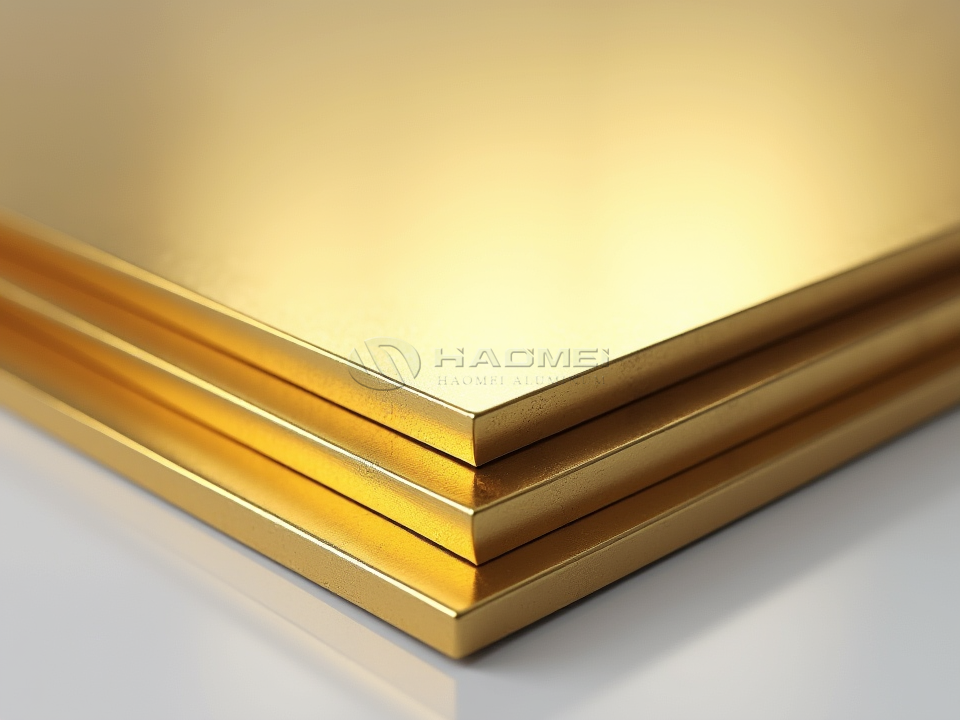
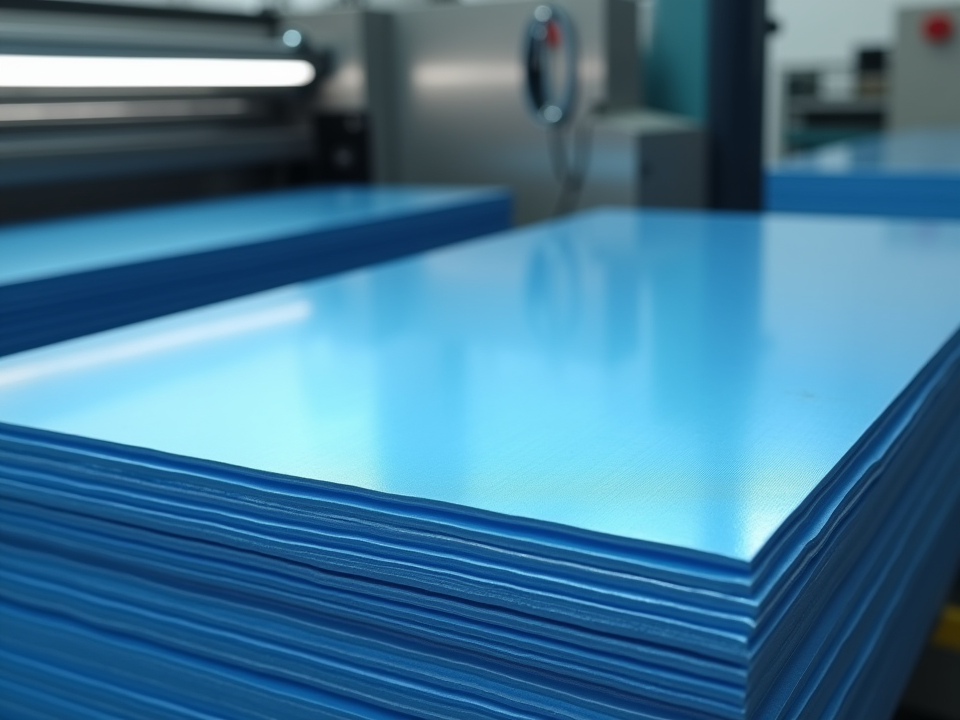
Mirror aluminum is available in bright silver, gold, black, bronze, champagne, and other decorative colors. Silver mirror finishes are commonly used where maximum brightness and neutral visual appeal are desired. Gold and black finishes create stronger contrast for retail displays, luxury interiors, elevator decoration, furniture accents, and branded fixtures.
The mirror effect may be produced through mechanical polishing, chemical polishing, high-reflectivity rolling, anodizing, or coated finishing. Each method influences reflectance, scratch resistance, color stability, and service environment.
| Finish Type | Typical Appearance | Practical Benefit | Common Uses |
|---|---|---|---|
| Polished mirror | Bright metallic reflection | Strong decorative impact | Signage, trim, displays |
| Anodized mirror | Reflective surface with oxide layer | Improved surface durability | Ceilings, panels, interior cladding |
| Color-coated mirror | Gold, black, bronze, or custom color | Decorative flexibility | Furniture, retail, elevator interiors |
| High-reflectivity mirror | Enhanced light reflection | Better light utilization | Luminaires, reflectors, solar accessories |
For projects requiring more reliable wear resistance and color consistency, an Anodized Mirror Aluminum Sheet is often an effective choice. The anodic layer becomes part of the aluminum surface rather than sitting only on top of it, supporting better resistance to fingerprints, mild corrosion, and routine cleaning.
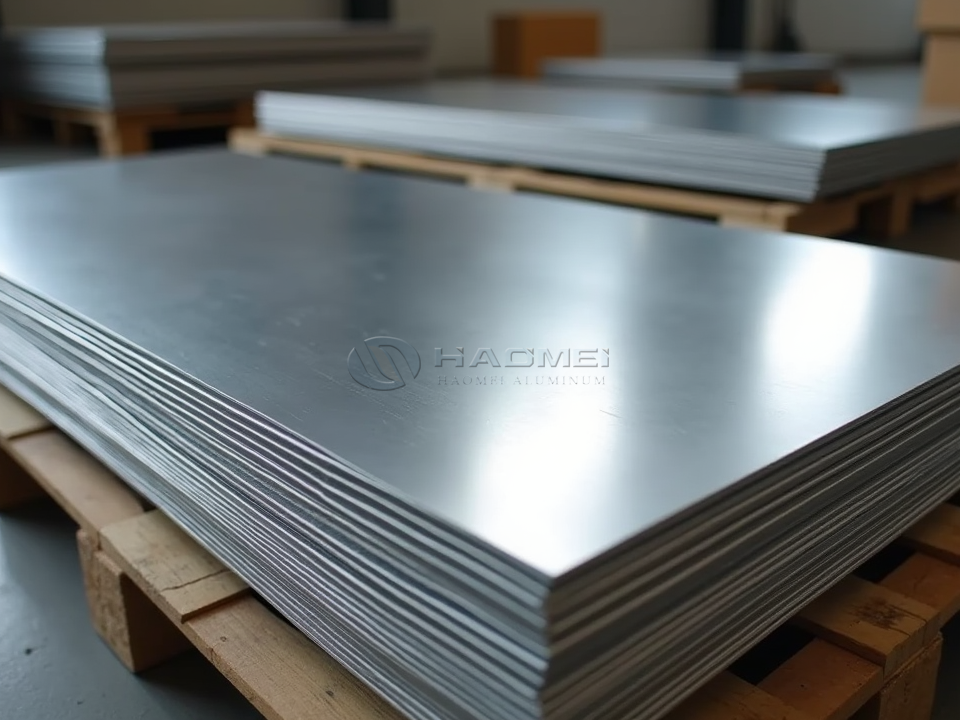
Technical Characteristics
Flexible mirror aluminum sheet metal offers a useful balance of decorative quality and practical fabrication performance. Aluminum weighs approximately one-third of steel, helping reduce the mass of ceiling panels, signs, light housings, and vehicle components. It also resists atmospheric corrosion naturally through its protective oxide film.
| Property | Typical Performance | Customer Value |
|---|---|---|
| Density | About 2.70 g/cm³ | Lightweight construction and easier installation |
| Reflectivity | Varies by finish, commonly high for polished grades | Brighter visual effect and improved light management |
| Formability | Excellent in soft pure aluminum tempers | Suitable for bending, rolling, stamping, and profiling |
| Corrosion resistance | Good to excellent in normal indoor environments | Long-lasting appearance with correct maintenance |
| Thermal conductivity | High compared with steel and plastics | Useful for lighting and heat-dissipation parts |
| Recyclability | Fully recyclable | Supports material recovery and lower environmental impact |
The sheet is normally supplied with a protective film on the mirror face. This film is important during cutting, bending, transport, and assembly because reflective surfaces can show scratches, handling marks, and dust more easily than matte materials. It should remain in place through fabrication and be removed only when the final installation is ready.
Typical Material Range
| Parameter | Common Range |
|---|---|
| Alloy | 1050, 1060, 1070, 1085, 3003 |
| Temper | O, H14, H16, H18, or according to forming needs |
| Thickness | Approximately 0.20 mm to 3.00 mm |
| Width | Commonly 1,000 mm to 1,500 mm, with custom slitting available |
| Form | Coil, sheet, strip, cut-to-size panel |
| Surface colors | Silver, gold, black, bronze, champagne, custom tones |
| Protective layer | PE film, laser film, or customer-specified protection |
For deep drawing, tight-radius curves, or roll-formed profiles, thinner material in O temper is generally preferred. For flat wall panels, decorative fascia, and ceiling elements that need greater stiffness, a harder temper or a slightly thicker gauge may be more appropriate. The desired appearance should always be evaluated on a sample after bending because surface distortion can be more visible on high-gloss finishes.
Applications That Benefit From Flexibility
Interior ceiling systems are a major use for flexible mirror aluminum. Curved ceiling strips, suspended panels, baffles, and feature surfaces can reflect ambient light and add depth to halls, retail spaces, restaurants, lounges, and reception areas. Aluminum is especially practical where weight limits or moisture exposure make glass less desirable.
Lighting equipment also benefits from reflective aluminum. Mirror-finished surfaces can direct and distribute light within luminaires, decorative lamps, LED housings, and daylight-control assemblies. A high-quality surface helps reduce light loss while adding a clean appearance to visible fixture components.
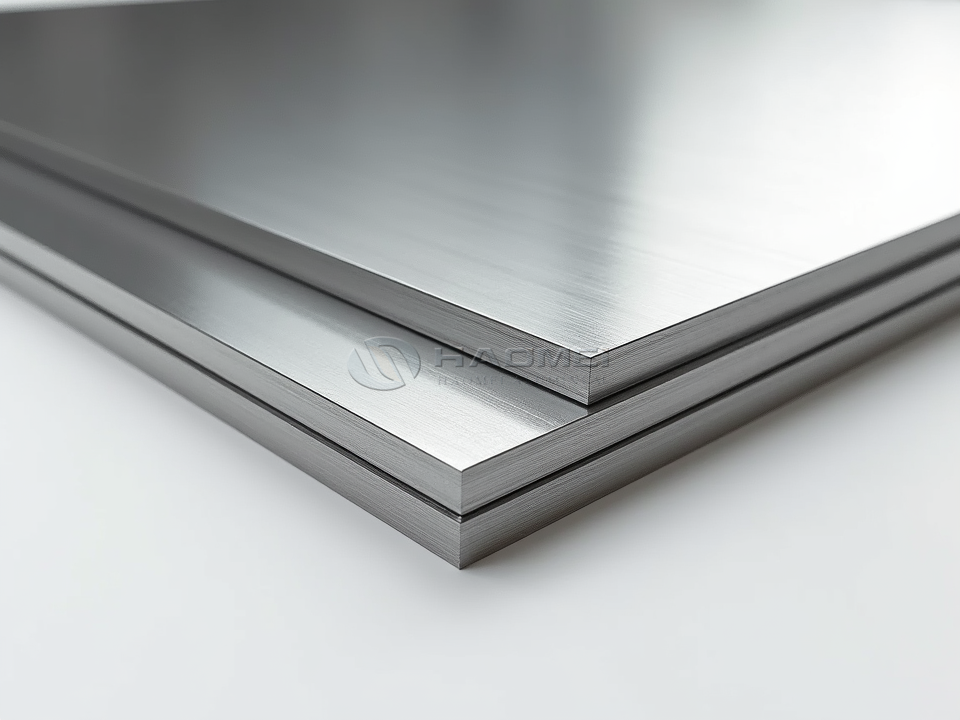
In signage and display fabrication, flexible mirror aluminum can be folded into letters, frames, logo plates, counter fronts, exhibition panels, and point-of-sale structures. The material can be cut by shearing, CNC routing, laser cutting under controlled conditions, or stamping. Careful tooling and protective-film management help preserve the gloss finish.
Furniture and appliance decoration are further areas of use. Cabinet faces, refrigerator trim, decorative borders, control-panel surrounds, and wardrobe inserts can gain a premium reflective style without excessive panel weight. In transport, mirror aluminum may be used for interior trim, caravan fittings, lightweight partitions, and decorative body details where corrosion resistance and formability are valued.
Fabrication and Handling Guidance
Use clean tooling, smooth support surfaces, and protective gloves when processing mirror aluminum. Abrasive debris, metal chips, and worn bending dies can permanently mark the surface. When bending, select a generous inside radius for hard tempers and decorative coated finishes. If a crisp fold is necessary, perform a trial bend first to confirm that the reflective layer remains intact.
Adhesive bonding, rivets, screws, concealed clips, and cassette-panel systems can all be used depending on the installation. When fastening visible surfaces, avoid overtightening, which can create local distortion around holes. For exterior or humid applications, specify a finish and edge treatment suitable for the environment, especially where standing water, salt spray, or strong chemicals may be present.
Cleaning is simple: use a soft microfiber cloth with clean water or a mild neutral detergent, then dry gently. Avoid abrasive pads, strong alkaline cleaners, solvents not approved for the surface coating, and rough paper towels. Regular gentle cleaning preserves the reflective character far better than aggressive polishing.
Selecting the Right Sheet
The best flexible mirror aluminum sheet metal is chosen by considering the desired curvature, final panel size, visual reflectivity, service environment, fabrication method, and required color. A highly reflective thin 1060 sheet may be ideal for decorative roll forming and lighting parts, while anodized mirror material can be better for durable interior panels exposed to frequent touching and cleaning.
Ask for samples that match the intended thickness, finish, temper, and protective film. Examine them under the actual project lighting, then test cutting, bending, bonding, and cleaning before confirming volume production. This approach helps ensure that the finished component delivers both the graceful reflection and dependable fabrication performance expected from mirror aluminum.