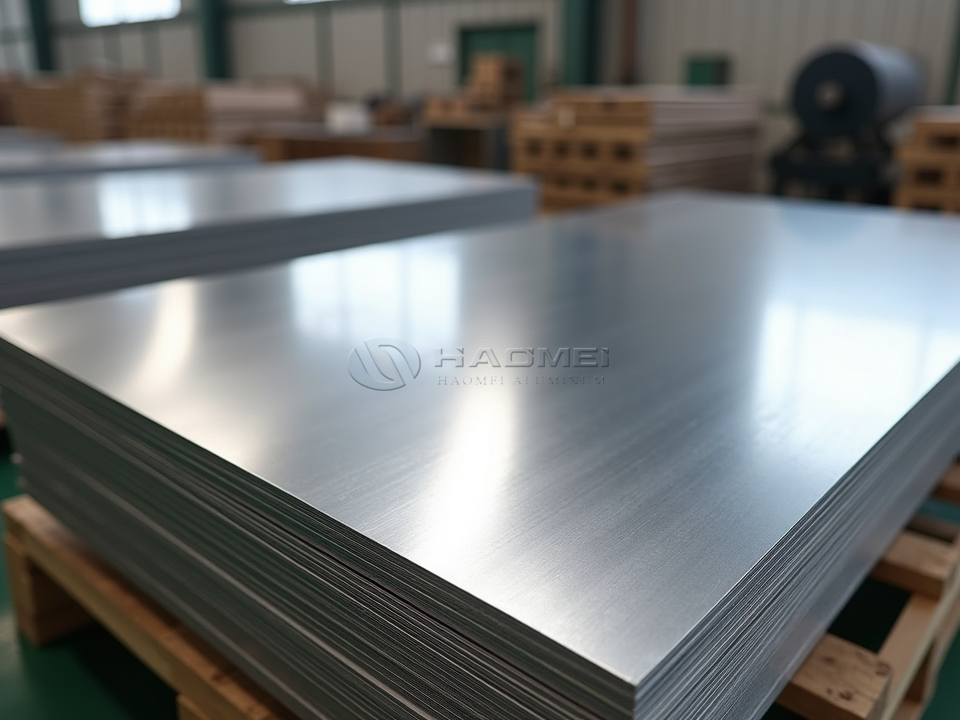
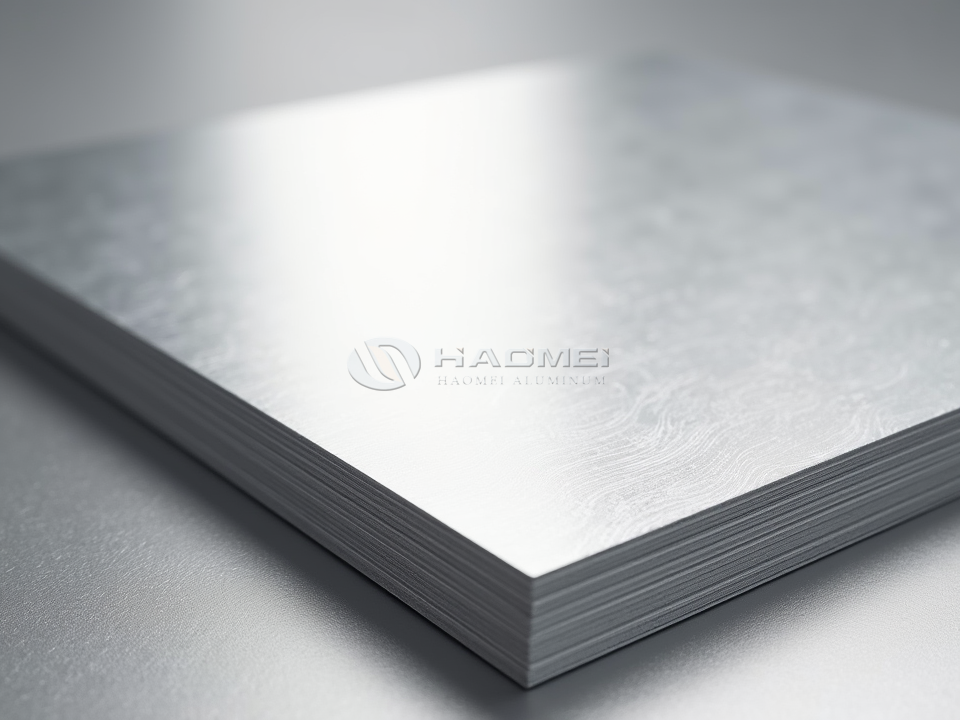
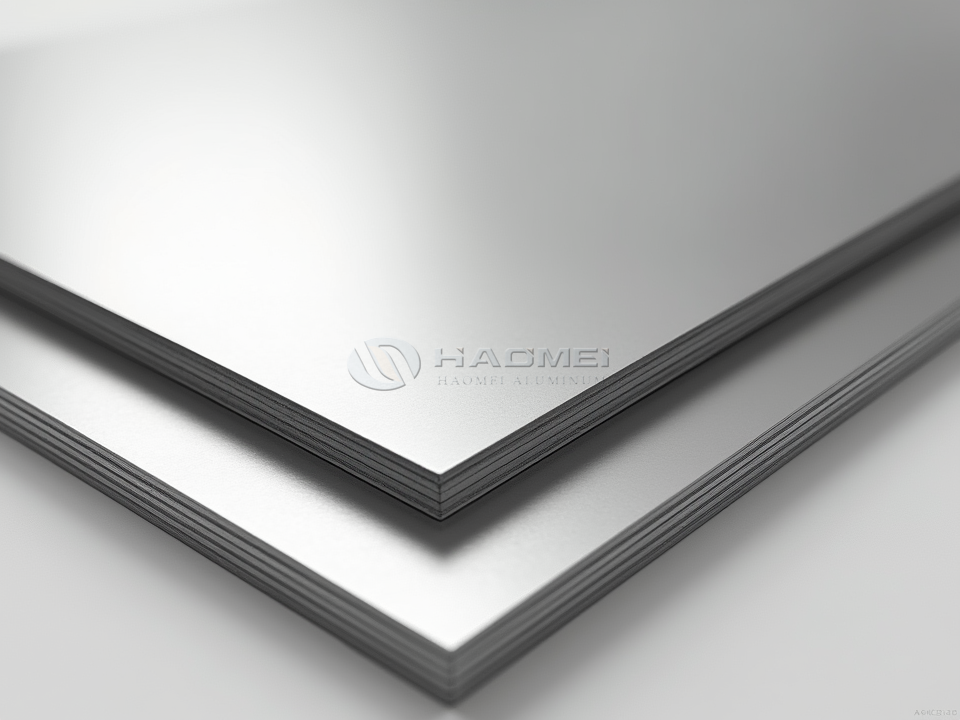
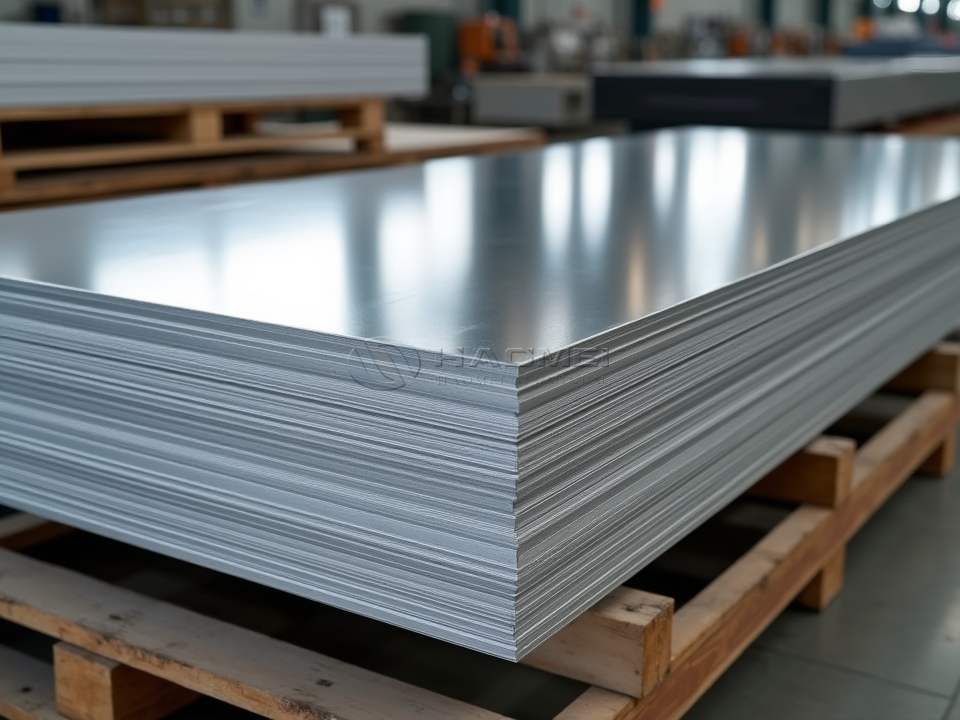
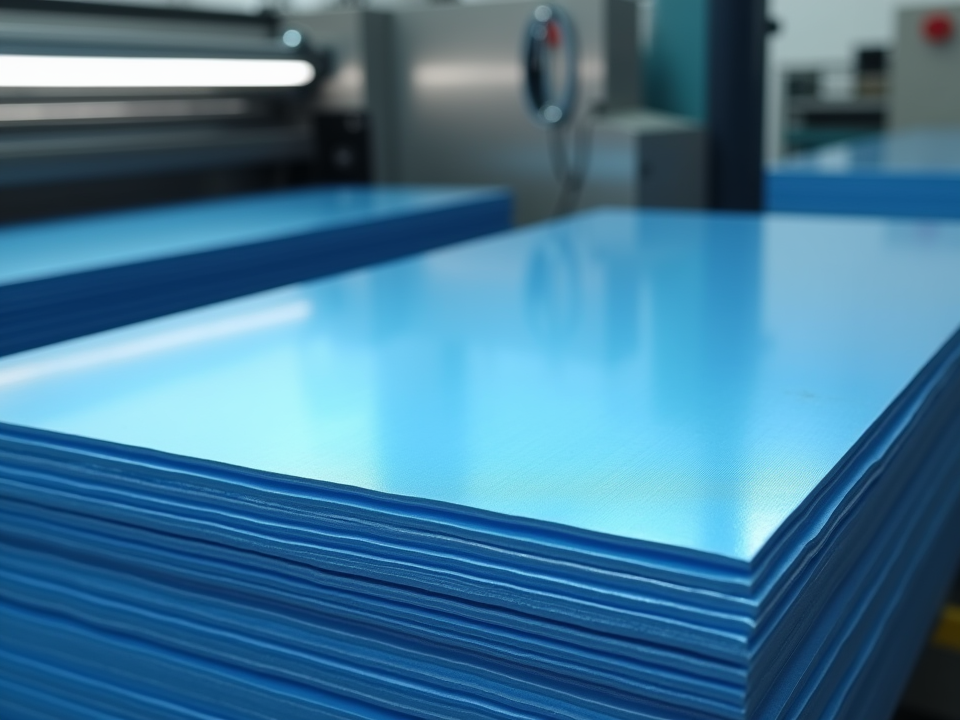
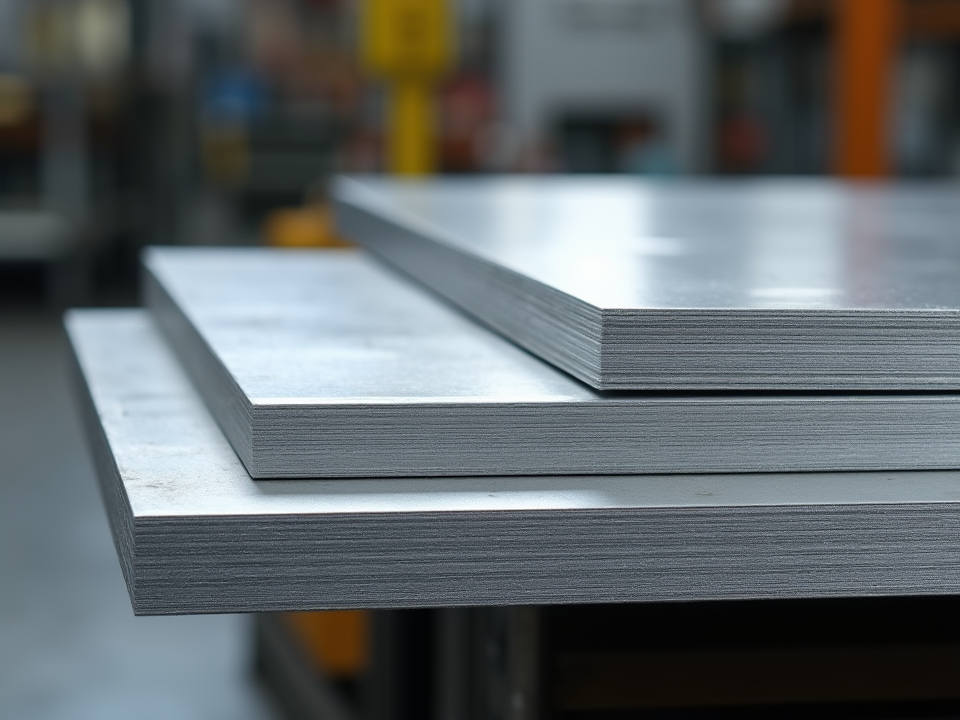
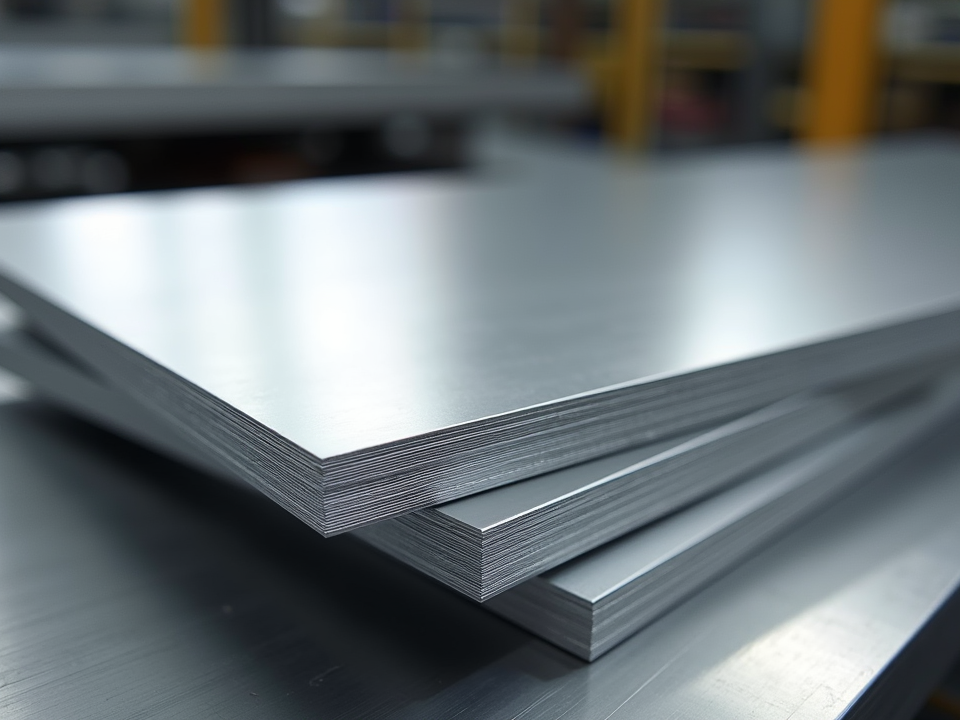
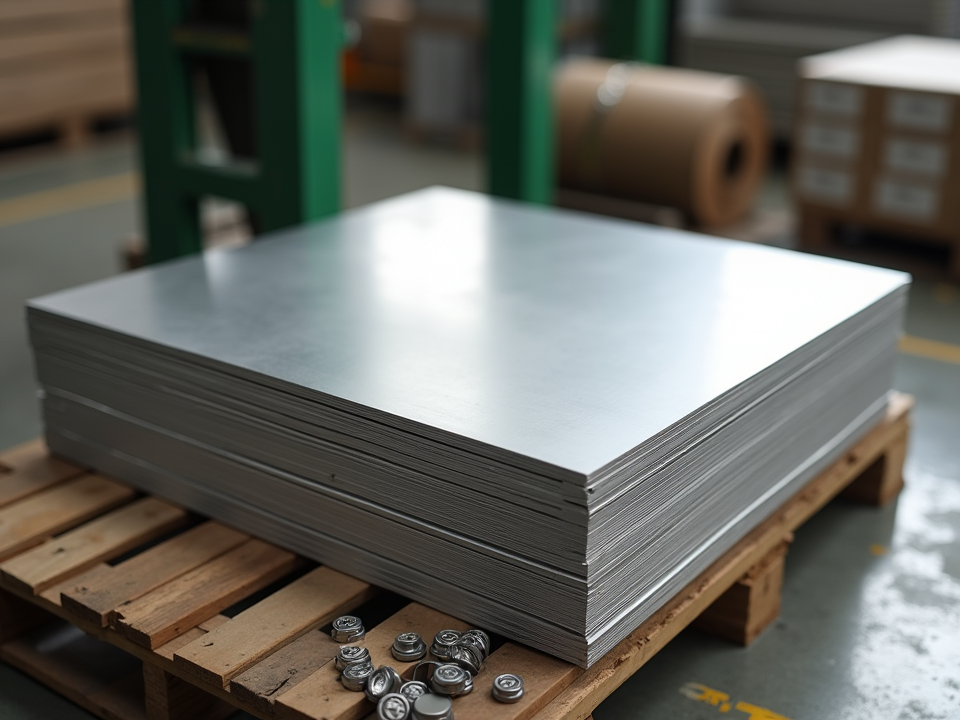
Custom Cut Mirror Aluminum Plate
More Than a Decorative Metal Surface
Custom cut mirror aluminum plate is often selected for its bright appearance, yet its practical value goes far beyond visual impact. It works as a controlled reflective surface, a lightweight structural skin, and a pre-sized fabrication material that can reduce processing time at the project site. By supplying the plate in tailored lengths and widths, manufacturers, display builders, lighting specialists, and equipment designers can minimize offcuts, protect the finish, and improve assembly accuracy.
Unlike glass mirrors, mirror-finish aluminum offers low density, strong corrosion resistance, and easier forming. It can reflect visible light, redirect radiant heat, brighten enclosed spaces, and create a clean metallic effect without the fracture risk and weight of traditional mirror glass. The material is especially useful where reflection must work together with cutting, bending, riveting, bonding, or framing.
Reflection as a Working Function
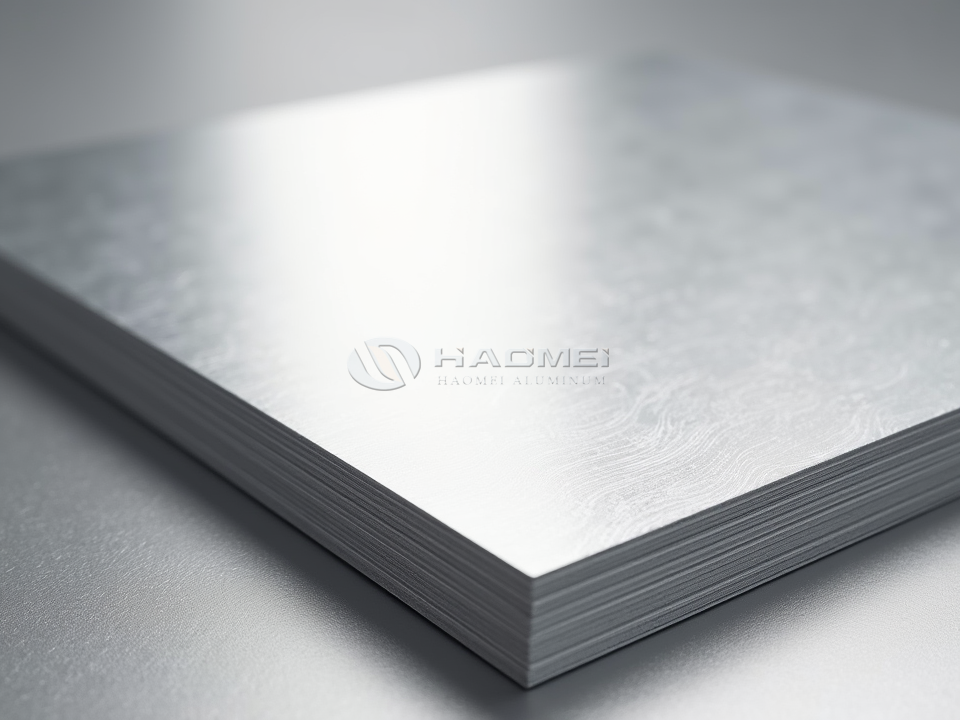
The most useful way to evaluate custom cut mirror aluminum plate is to treat its surface as an engineering feature. In lighting equipment, a high-reflectivity aluminum face redirects lamp output toward the intended area, helping improve optical efficiency. In solar and thermal equipment, it can assist with light concentration or heat management when the correct finish and protective treatment are selected.
For interior applications, the reflective surface gives ceilings, wall panels, elevator cabins, retail fixtures, and furniture trims a sense of depth while adding very little dead weight to the supporting structure. Sign makers use it as a bright background for lettering, while appliance producers use it for decorative panels, reflectors, and control-area surrounds.
A well-selected Mirror Aluminum Sheet can also support safety and visibility applications. Reflective machine guards, transport interiors, decorative vehicle panels, and clean-room equipment housings benefit from a surface that is easy to wipe and visually bright. For projects exposed to fingerprints, moisture, or frequent cleaning, anodized or coated mirror finishes are generally more suitable than an unprotected polished face.
Custom Cutting Protects Both Budget and Surface Quality
Custom cutting is not simply a dimensional service. It determines how efficiently a mirror aluminum plate becomes a finished component. Ordering a plate close to the final blank size can reduce scrap, secondary handling, and the risk of scratching during repeated workshop processing.
Typical cutting methods include shearing, CNC routing, laser cutting, waterjet cutting, and sawing. The preferred method depends on thickness, required edge quality, profile complexity, and whether the protective film will remain in place during processing. Shearing is economical for straight rectangular blanks. CNC routing supports apertures, rounded corners, and decorative profiles. Waterjet cutting can be useful where a cold cutting process is preferred.
Protective PE film should remain on the mirror surface until installation whenever possible. Operators should use clean worktables, non-marking gloves, and burr-controlled tools. A visually perfect face can be compromised by a minor handling error long before the product reaches its final location.
Alloy and Temper Selection for Real Fabrication Conditions
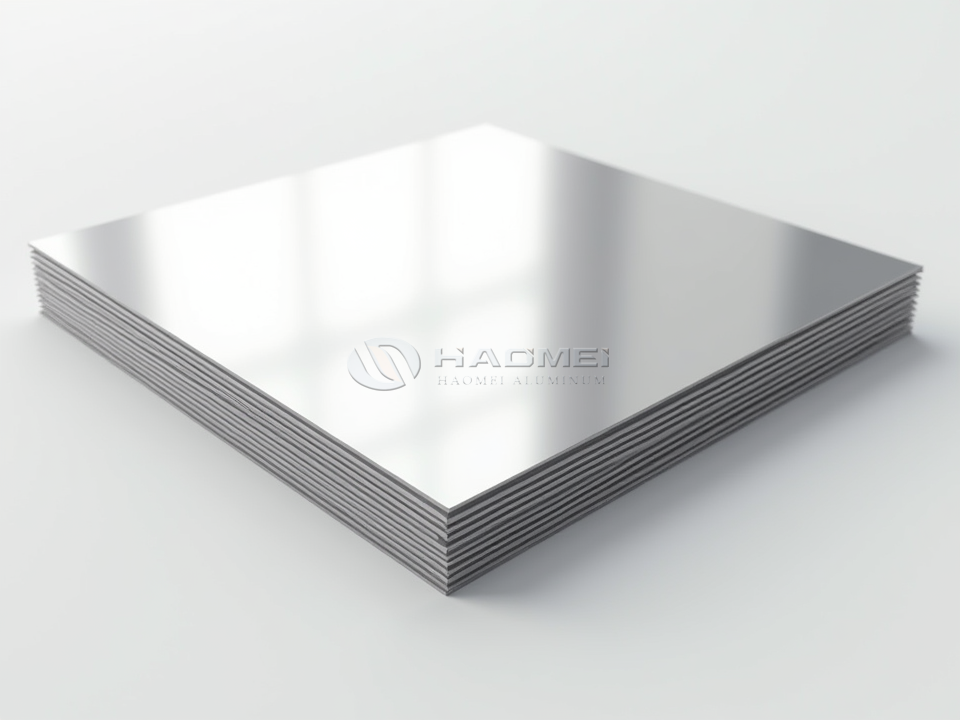
Mirror aluminum plate is commonly produced from 1xxx and 3xxx series alloys. The selection should follow the function of the finished part rather than appearance alone.
| Alloy | Main Chemical Composition, % | Typical Temper | Practical Characteristics |
|---|---|---|---|
| 1060 | Al ≥ 99.60; Si + Fe ≤ 0.35; Cu ≤ 0.05; Mn ≤ 0.03; Mg ≤ 0.03 | O, H14, H18 | Excellent reflectivity, high formability, good corrosion resistance |
| 1070 | Al ≥ 99.70; Si + Fe ≤ 0.20; Cu ≤ 0.04; Mn ≤ 0.03; Mg ≤ 0.03 | O, H14, H18 | High aluminum purity, bright surface potential, suitable for reflectors |
| 1085 | Al ≥ 99.85; Si + Fe ≤ 0.12; Cu ≤ 0.03; Mn ≤ 0.02; Mg ≤ 0.02 | H14, H16, H18 | Strong optical performance for lighting and precision reflective uses |
| 3003 | Mn 1.0-1.5; Cu 0.05-0.20; Si ≤ 0.60; Fe ≤ 0.70; balance Al | H14, H16, H18 | Better strength than 1xxx alloys, suitable for formed panels and equipment |
Chemical values may vary slightly according to the governing specification, mill practice, and ordered condition. For optical applications, surface processing and coating quality can affect final reflectance as much as base alloy purity.
Annealed O temper is selected when deep drawing, tight bending, or complex shaping is required. H14 provides a useful balance between stiffness and formability for general panels. H18 is harder and more resistant to handling deformation, making it suitable for flat sign faces and rigid reflector blanks. For components needing greater mechanical strength, 3003 Mirror Aluminum Sheet is often preferred over a pure aluminum grade.
Common Parameters and Supply Conditions
Custom cut mirror aluminum plate can be supplied as sheet, coil-derived blank, or thicker plate depending on the requested application. Common production parameters include:
- Thickness: typically 0.20 mm to 3.00 mm for mirror sheet; heavier gauges may be supplied for specialized fabricated panels
- Width: commonly up to 1,250 mm or 1,500 mm, subject to alloy and processing capability
- Length: cut to project dimensions, including small blanks and long architectural panels
- Surface: mill-polished, mechanically polished, chemically brightened, anodized, painted, silver mirror, gold mirror, black mirror, or colored mirror
- Film: PVC or PE protective film, selected according to fabrication and forming requirements
- Flatness and tolerances: agreed according to thickness, cutting method, and intended installation
International material references often include ASTM B209 for aluminum and aluminum-alloy sheet and plate, EN 485 for tolerances and mechanical properties, EN 573 for chemical composition, and GB/T 3880 for aluminum sheet and strip. A purchase specification should state the alloy, temper, thickness tolerance, cut-size tolerance, surface class, film requirement, and applicable standard. This prevents confusion between a decorative bright finish and a higher-grade optical mirror surface.
Surface Treatments That Match the Environment
Polished mirror finishes provide a vivid metallic reflection but require careful handling. Anodized mirror aluminum develops a controlled oxide layer that improves surface durability and corrosion resistance. Painted or color-coated options add design flexibility for retail interiors, signage, and decorative building elements. Silver mirror surfaces are commonly chosen for a clean neutral appearance, while gold and black finishes support premium visual concepts.
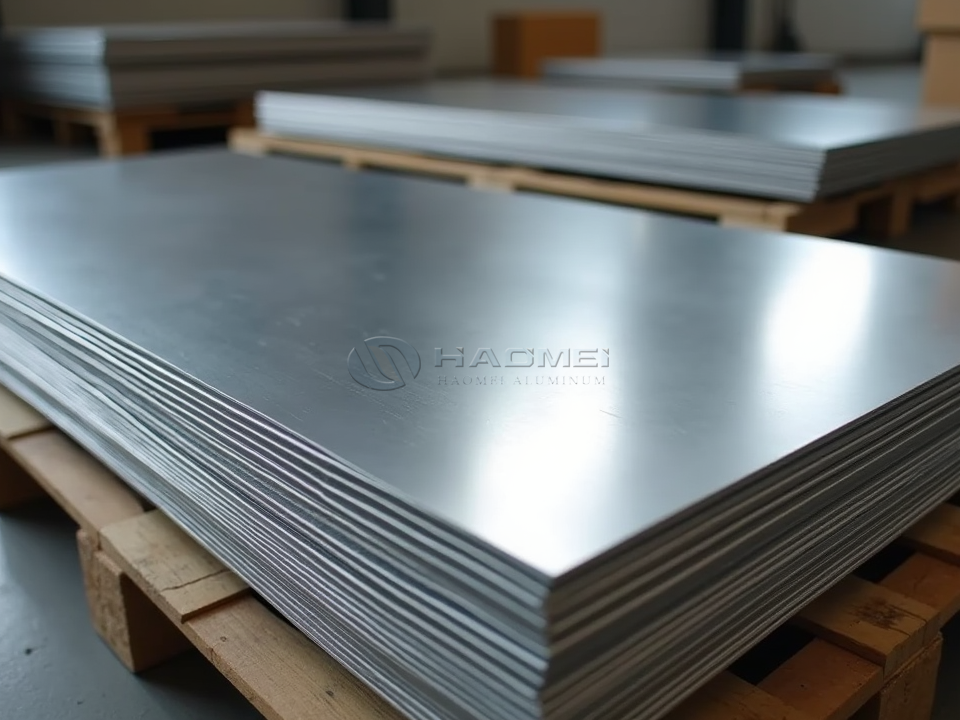
For humid interiors, kitchens, transport equipment, or semi-outdoor installations, coating selection matters as much as alloy selection. Edges, drilled holes, folded zones, and bonded areas should be considered during design because these locations experience the greatest mechanical and environmental stress.
Practical Buying Focus
A successful custom cut mirror aluminum plate order starts with the final use condition: required reflectivity, panel rigidity, forming radius, exposure environment, installation method, and acceptable surface variation. A lighting reflector may need high-purity 1085 aluminum and a tightly controlled optical finish. A decorative wall panel may prioritize anodized protection and exact cut dimensions. A machine enclosure may require 3003 alloy for added strength.
When material, temper, finish, and cutting method are specified as one package, mirror aluminum becomes more than a polished sheet. It becomes a purpose-built component that reflects light, reduces weight, simplifies fabrication, and delivers a refined surface exactly where the design needs it.