Wholesale Punched Aluminum Plate
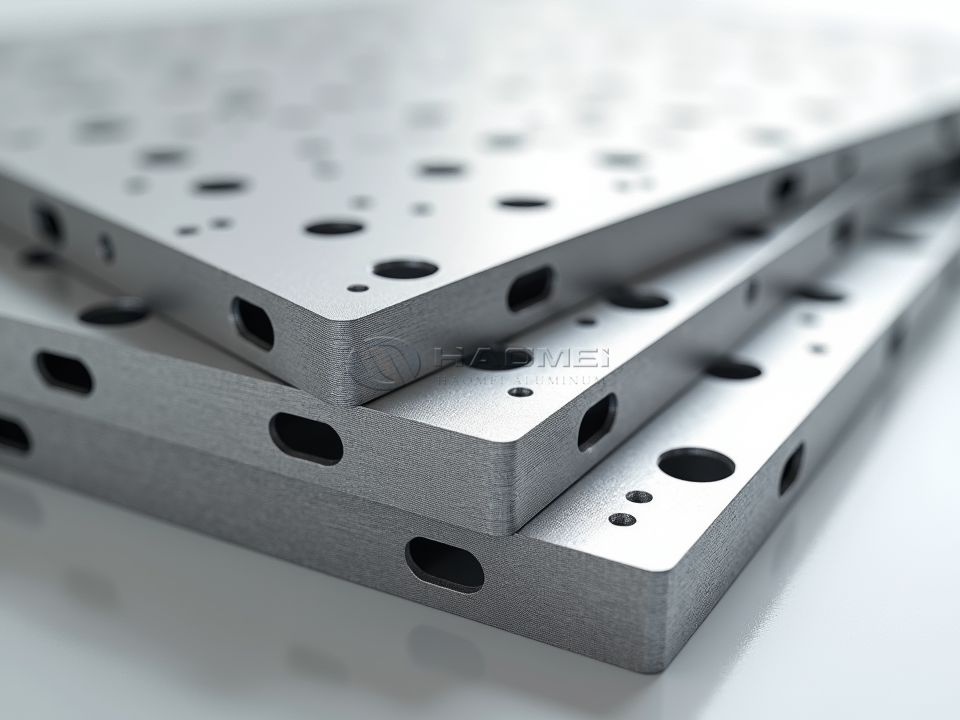
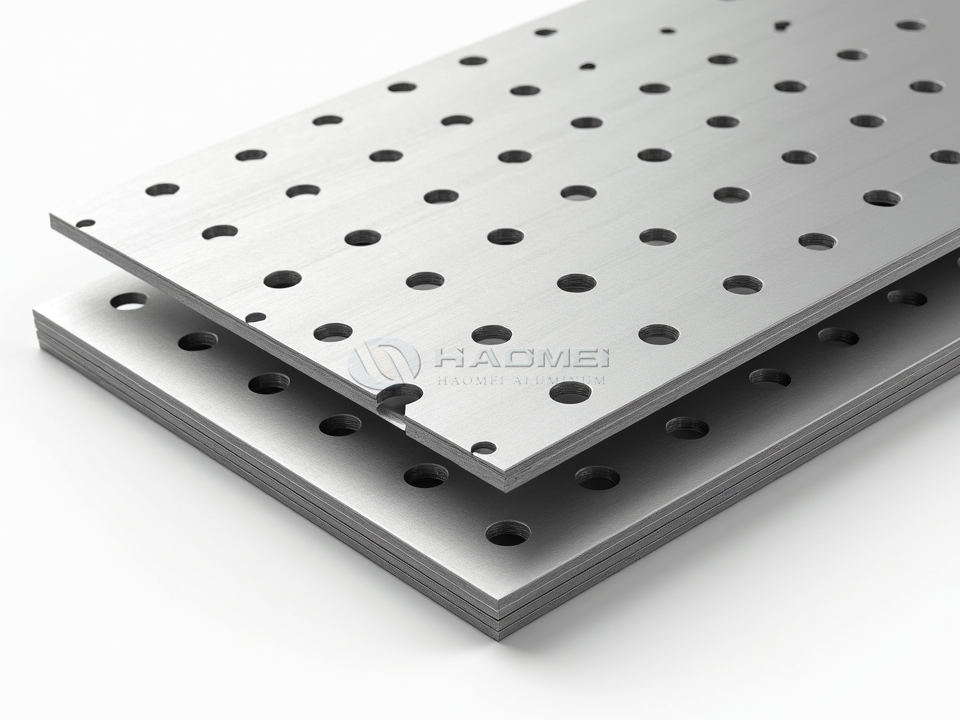
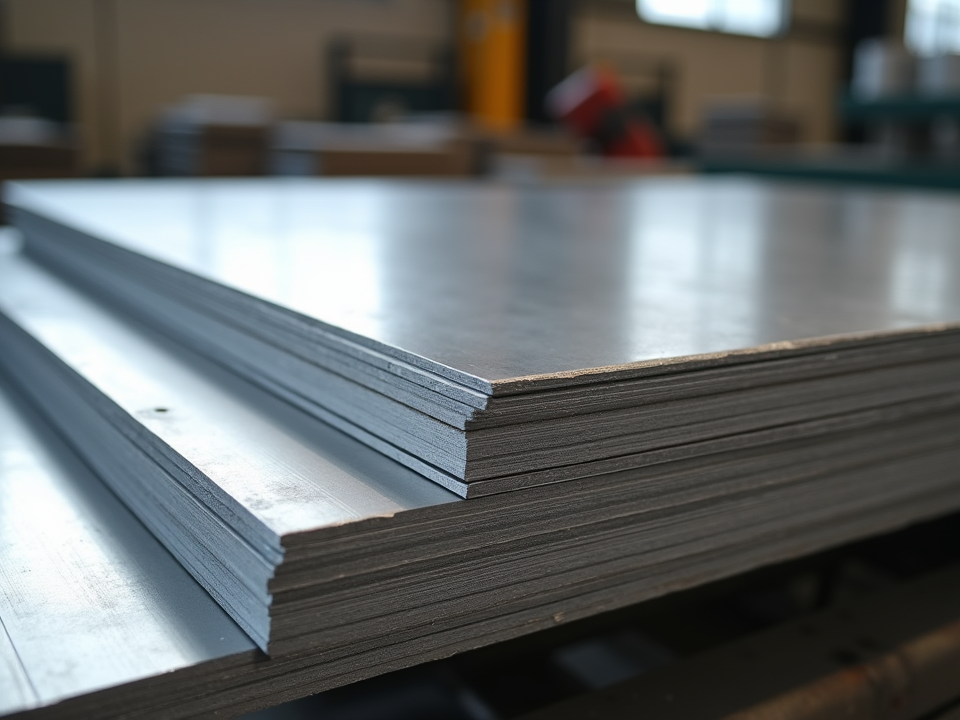
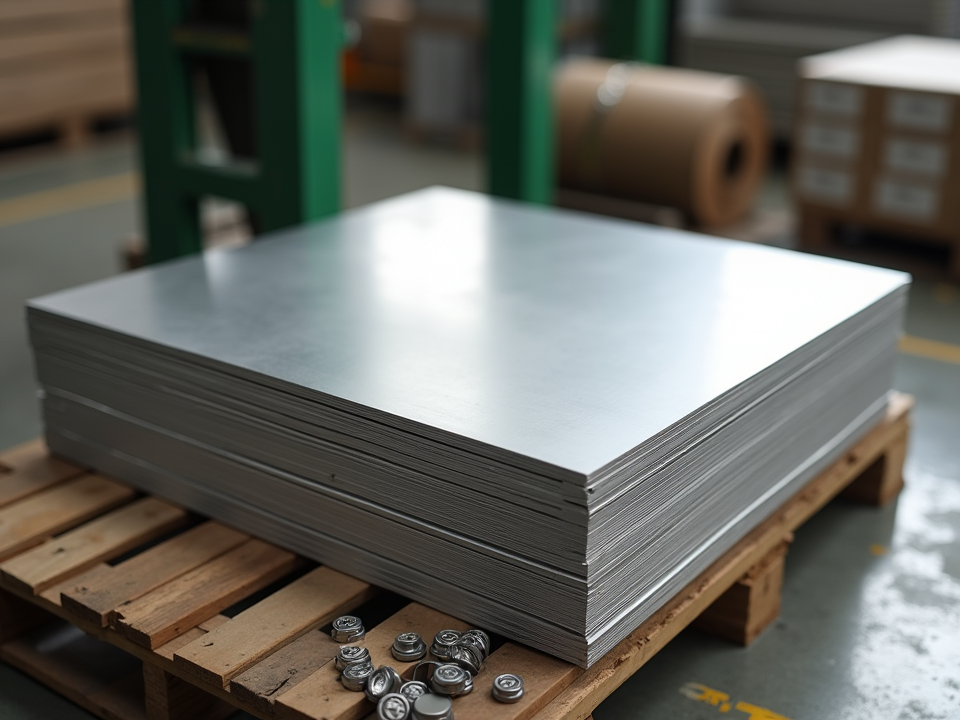
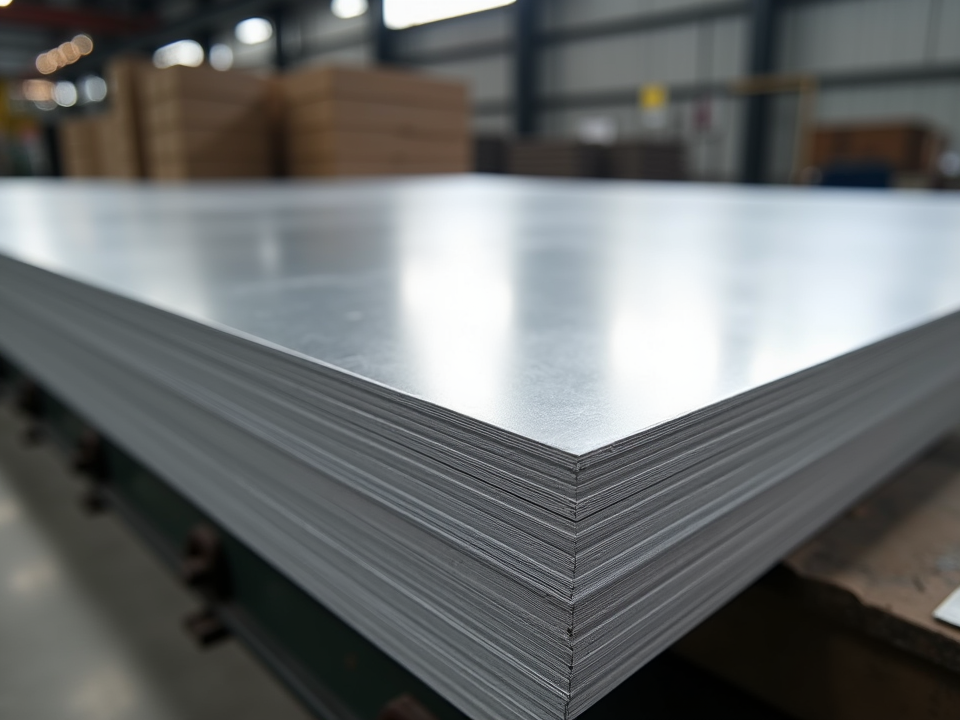
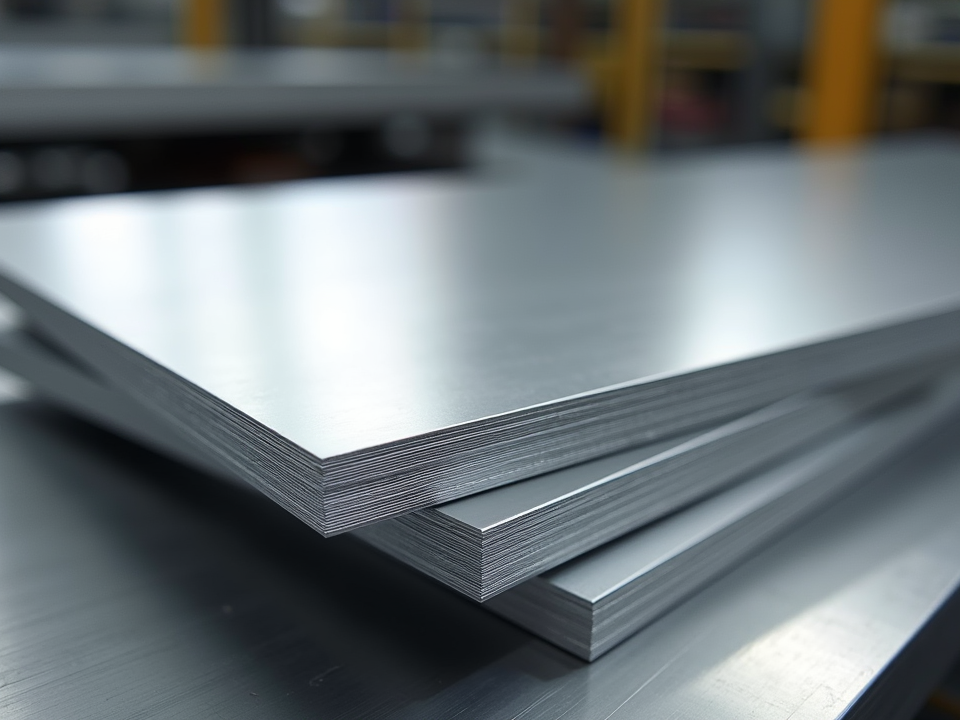
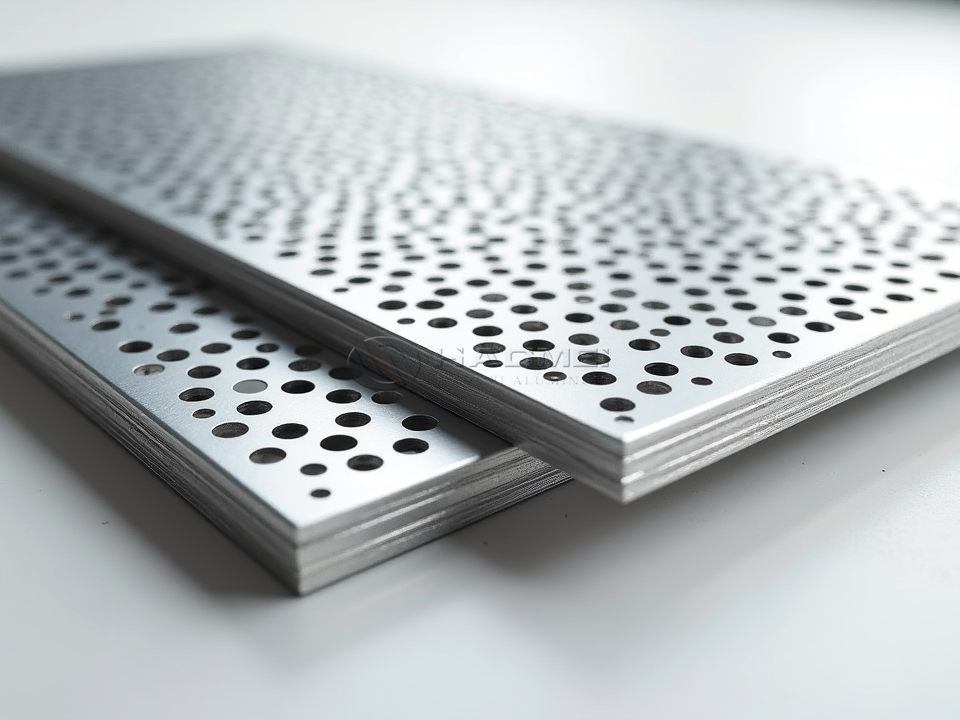
Wholesale punched aluminum plate is a lightweight, corrosion-resistant metal sheet produced by precision punching holes into aluminum coil or plate. It combines the durability of aluminum with controlled airflow, light transmission, drainage, sound absorption support, and visual texture. From a clean architectural screen to a hard-working industrial guard, the perforation pattern turns a flat plate into a highly adaptable engineered material.
Haomei Aluminum CO., LTD., Inc. supplies punched aluminum plate for projects requiring consistent hole geometry, stable mechanical performance, dependable surface quality, and efficient bulk purchasing. Material can be selected according to exposure conditions, strength needs, fabrication methods, and aesthetic goals.
Material Characteristics That Matter
Aluminum is naturally protected by a thin oxide film that reforms when the surface is exposed to air. This characteristic gives punched aluminum plate strong resistance to rusting in normal atmospheric environments. It is substantially lighter than steel, making handling, installation, and support-frame design more economical.
Perforation changes more than appearance. Hole diameter, pitch, arrangement, open area, plate thickness, and edge margins all influence stiffness, airflow, privacy, acoustic behavior, and load capacity. A plate with small holes and low open area delivers stronger visual concealment, while a larger open area promotes ventilation and light passage.
| Property | Typical Value or Condition | Customer Benefit |
|---|---|---|
| Density | Approximately 2.70 g/cm³ | Low dead load for walls, ceilings, and equipment covers |
| Melting range | Approximately 575-655°C, alloy dependent | Suitable for many fabrication and finishing processes |
| Corrosion resistance | Good to excellent, alloy dependent | Long service life in outdoor and humid settings |
| Electrical conductivity | Good | Appropriate for selected electrical and shielding uses |
| Thermal conductivity | Good | Helps dissipate heat in machine enclosures and ventilation systems |
| Recyclability | Fully recyclable | Supports material recovery and sustainable construction goals |
Common alloy selections include 1050, 1060, 1100, 3003, 3105, 5052, and 6061 aluminum. For decorative sheets and general indoor work, 1050, 1060, 1100, and 3003 are widely used. For humid, coastal, or more demanding outdoor installations, 5052 provides stronger corrosion resistance and improved strength. Alloy 6061 is suitable where higher structural strength is required, although its punching and forming conditions should be evaluated carefully.
| Alloy | Main Chemical Elements, Typical | Suitable Uses |
|---|---|---|
| 1050 / 1060 | Aluminum purity 99.5% minimum or higher | Decorative panels, lighting covers, general perforated sheet |
| 1100 | Aluminum 99.0% minimum, with minor Cu and Fe/Si | Formed components, signs, interior panels |
| 3003 | Aluminum-Mn alloy, Mn about 1.0-1.5% | Ceiling panels, architectural screens, general fabrication |
| 5052 | Aluminum-Mg alloy, Mg about 2.2-2.8% | Marine-adjacent work, exterior cladding, equipment panels |
| 6061 | Aluminum-Mg-Si alloy, Mg and Si additions | Frames, stronger guards, engineered components |
Hole Patterns and Visual Performance
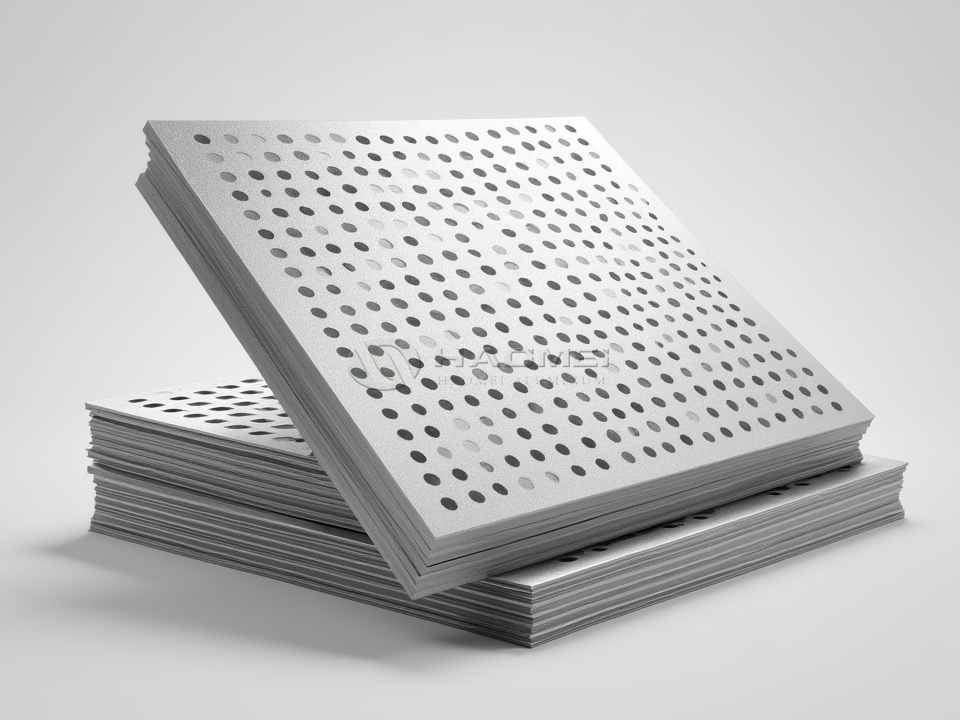
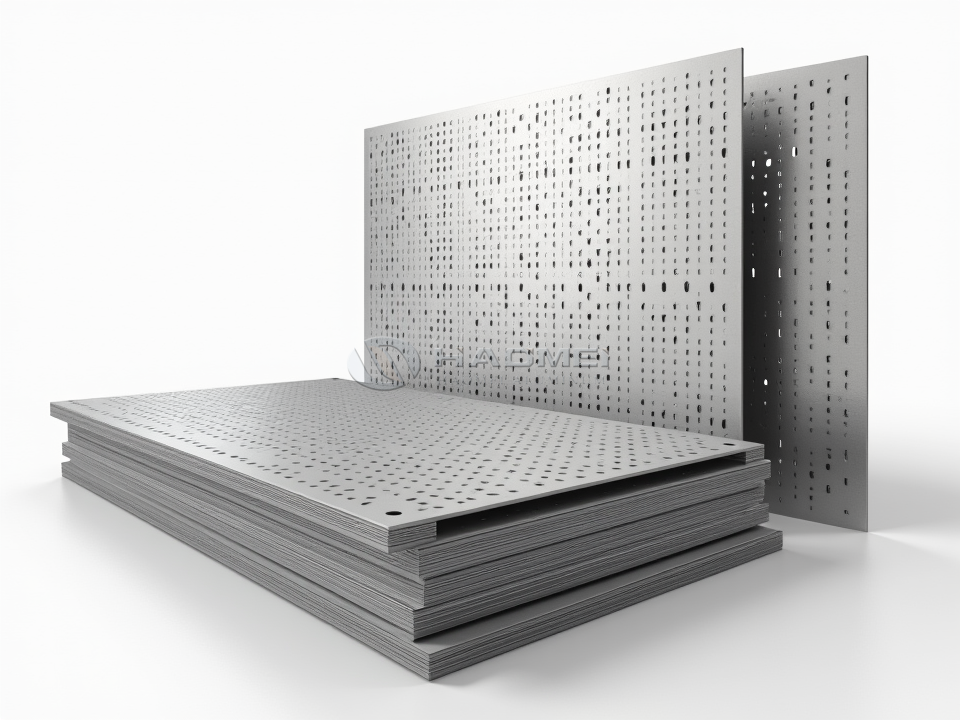
Round holes are the most common option because they punch efficiently, provide balanced open area, and suit ventilation, filtration, façade, and ceiling projects. A Round Hole Perforated Aluminum Sheet can be supplied with straight-line or staggered centers. Staggered holes generally create greater open area than straight-line patterns using the same hole diameter and pitch.
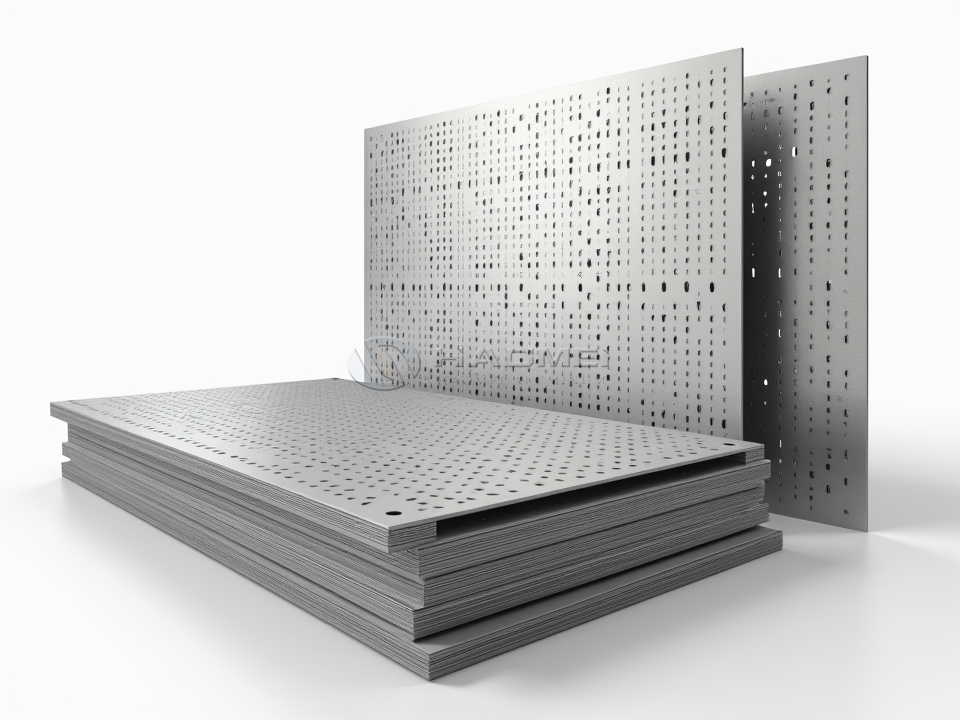
Square holes produce a more linear, contemporary visual effect and are often selected for retail displays, partitions, equipment guards, and grid-based architectural concepts. Slotted holes allow directional airflow and drainage, making them practical for louvers, screening systems, grain equipment, machinery covers, and filtration assemblies. Hexagonal patterns offer a cellular appearance with a favorable open-area ratio.
Typical punching options include:
- Round, square, rectangular, slotted, hexagonal, triangular, and decorative holes
- Straight, staggered, diagonal, or custom hole arrangements
- Hole diameters commonly from 0.8 mm upward, subject to thickness and tooling limits
- Plate thickness commonly from 0.5 mm to 6.0 mm, with heavier gauges available by agreement
- Standard sheet sizes such as 1000 × 2000 mm, 1220 × 2440 mm, 1250 × 2500 mm, and customized dimensions
- Unperforated borders, corner clearances, mounting holes, folded edges, and cut-to-size panels
Punching must respect the relationship between material thickness and hole size. Very small holes in heavy plate require specialized tooling and may increase burr risk or reduce production efficiency. When a clean visible surface is important, hole orientation, punch direction, and burr control should be specified before production.
Surface Finish and Fabrication Choices
Mill finish is a cost-effective choice for industrial and hidden installations. Brushed, polished, embossed, anodized, PVDF-coated, and powder-coated surfaces broaden the design range. Anodizing improves surface hardness and gives aluminum a refined metallic appearance. Powder coating provides a broad color palette for interior panels and protected outdoor applications. PVDF coating is often chosen for façade work because it delivers strong weather resistance and color stability.
Punched aluminum plate can be sheared, laser-cut, bent, rolled, welded, riveted, and fixed with screws or concealed fastening systems. The plate should be supported correctly after perforation because open area reduces effective cross-section and stiffness. For wide façade modules or high-wind zones, engineers should assess panel thickness, frame spacing, return folds, alloy temper, fastening points, and local design loads.
Applications Across Working Environments
Architectural projects use punched aluminum plate as sunshade screens, privacy panels, balcony infills, wall cladding, storefront features, parking-garage ventilation panels, and decorative exterior skins. A Decorative Perforated Aluminum Facade Panel can soften direct sunlight, create changing shadow patterns, and conceal mechanical systems while preserving airflow.
In ceiling systems, perforated aluminum supports air circulation and can be paired with mineral wool, acoustic fleece, or sound-absorbing backing. The metal face remains easy to clean, non-combustible, and appropriate for airports, stations, offices, shopping areas, hospitals, and educational buildings.
Industrial uses include machine guards, safety covers, grain screens, ventilation grilles, protective barriers, filter support plates, battery enclosures, speaker grilles, and heat-dissipation covers. Aluminum's lower weight is especially valuable in mobile equipment, transport structures, and assemblies that require frequent access.
Purchasing Guidance for Wholesale Orders
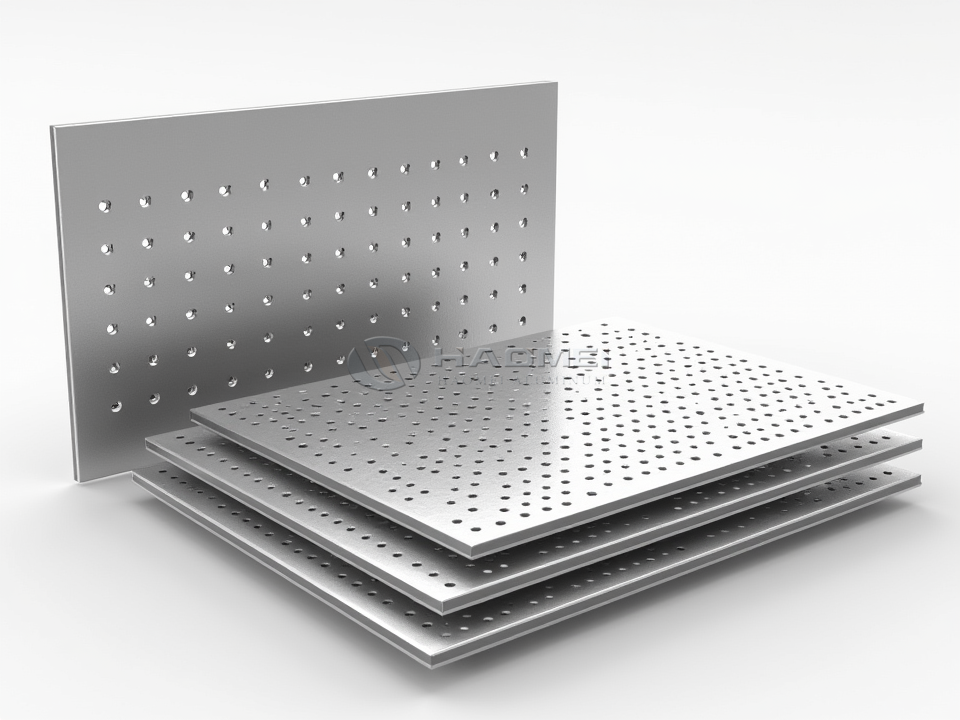
A complete wholesale inquiry should state the alloy, temper, thickness, overall sheet size, hole shape, hole size, pitch, open-area target, border design, finish, quantity, and intended application. If panels will be bent or installed outdoors, provide drawings and expected service conditions. This information enables Haomei Aluminum CO., LTD., Inc. to recommend practical tolerances, packing methods, and processing routes.
For reliable delivery, plates are commonly protected with interleaving paper, plastic film when requested, edge guards, export pallets, and moisture-resistant outer wrapping. Bulk purchasing can be arranged by sheet count, total weight, project batch, or container load, helping contractors and fabricators align material supply with installation schedules.
Wholesale punched aluminum plate offers an effective balance of form, function, and material efficiency. With the correct alloy, perforation design, finish, and support method, it performs as a durable architectural surface, a ventilation medium, an acoustic facing, or a dependable industrial component.