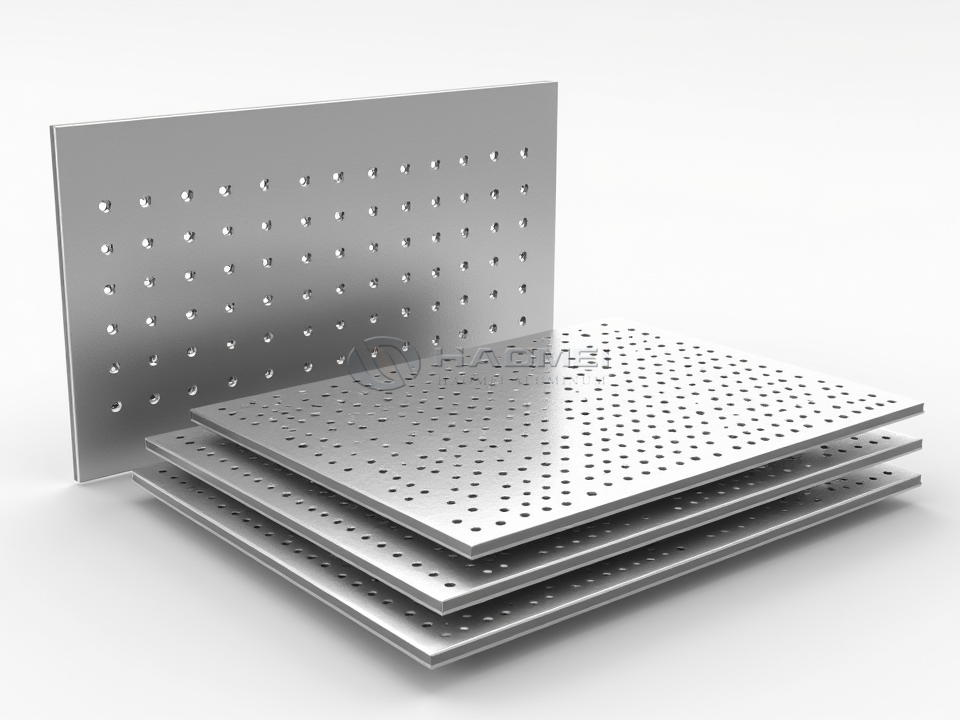
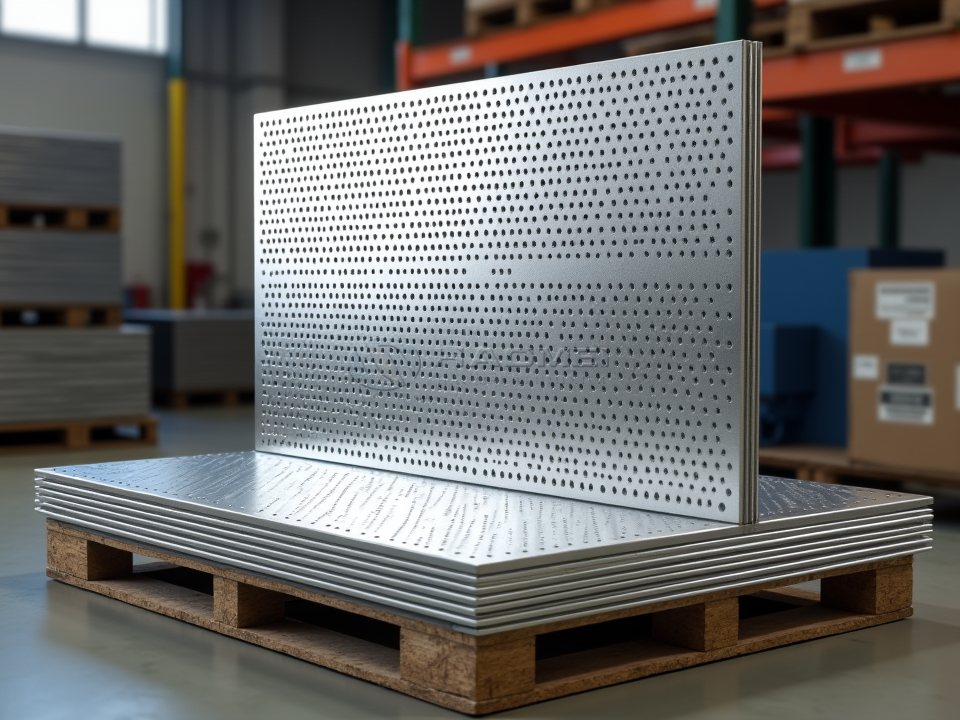
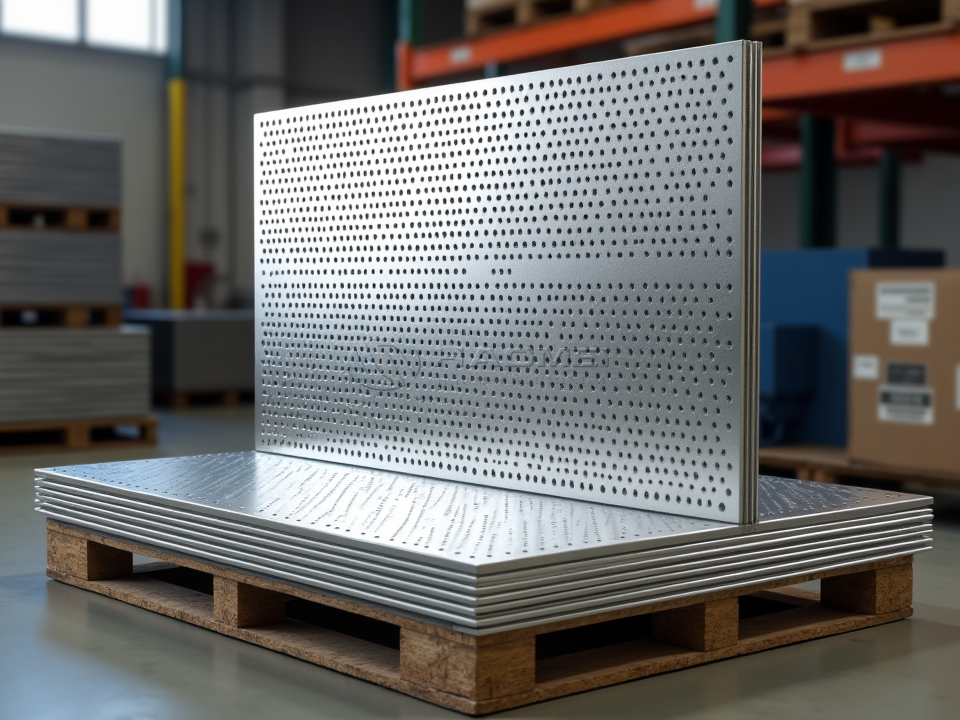
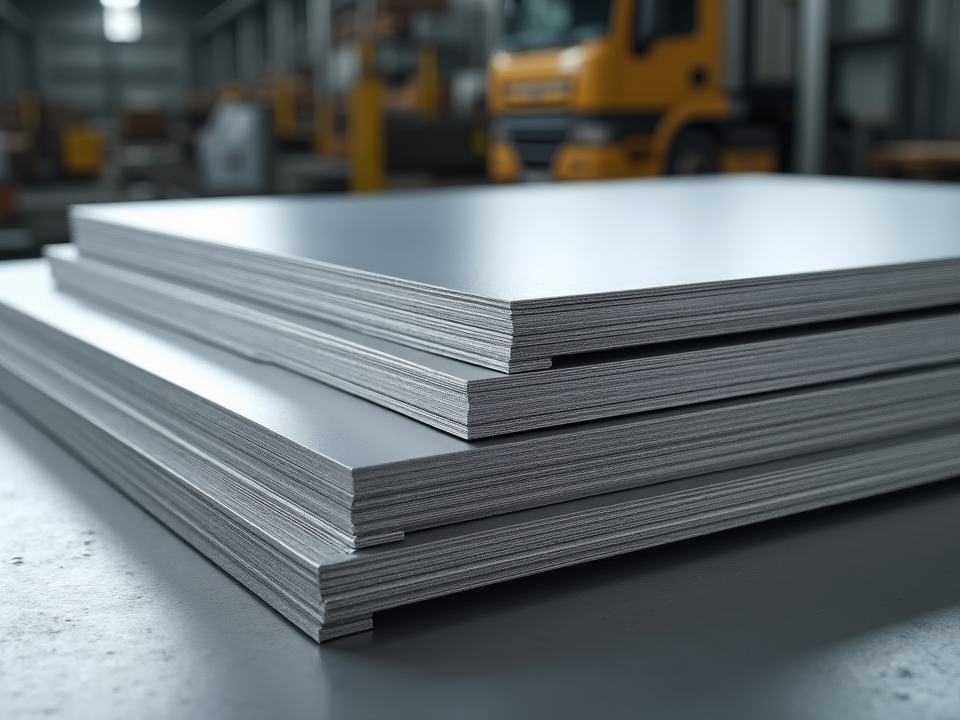
Lightweight Perforated Aluminum Board
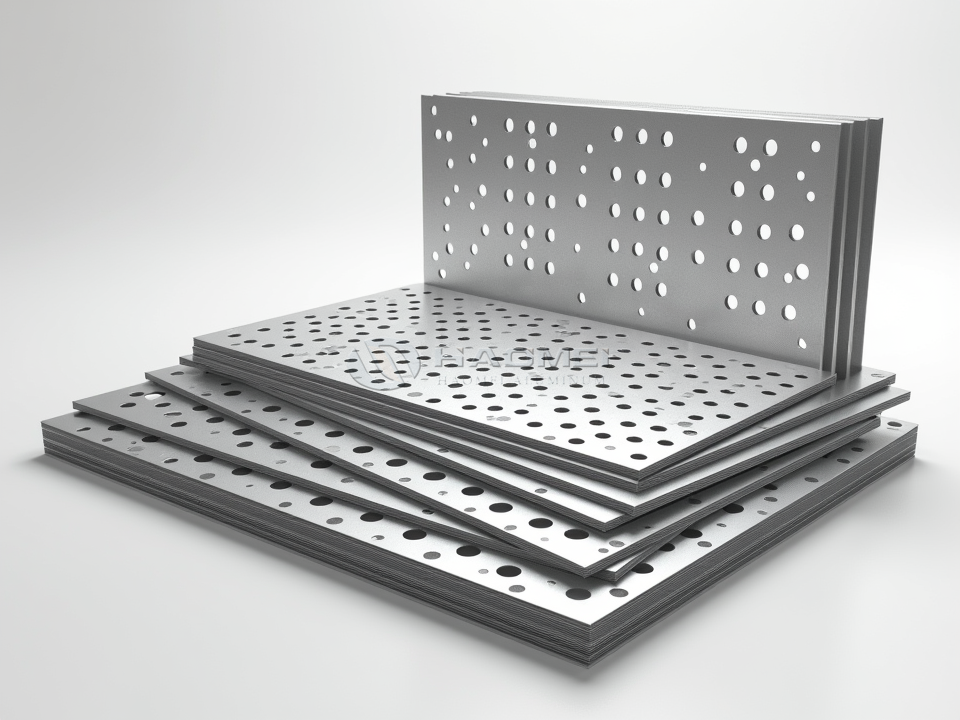
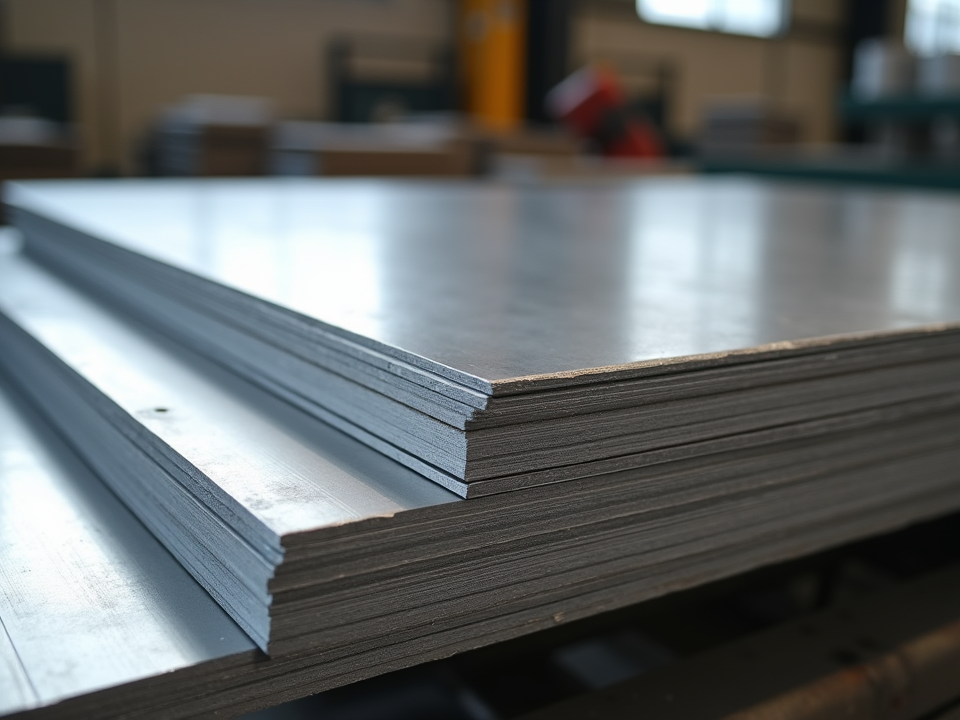
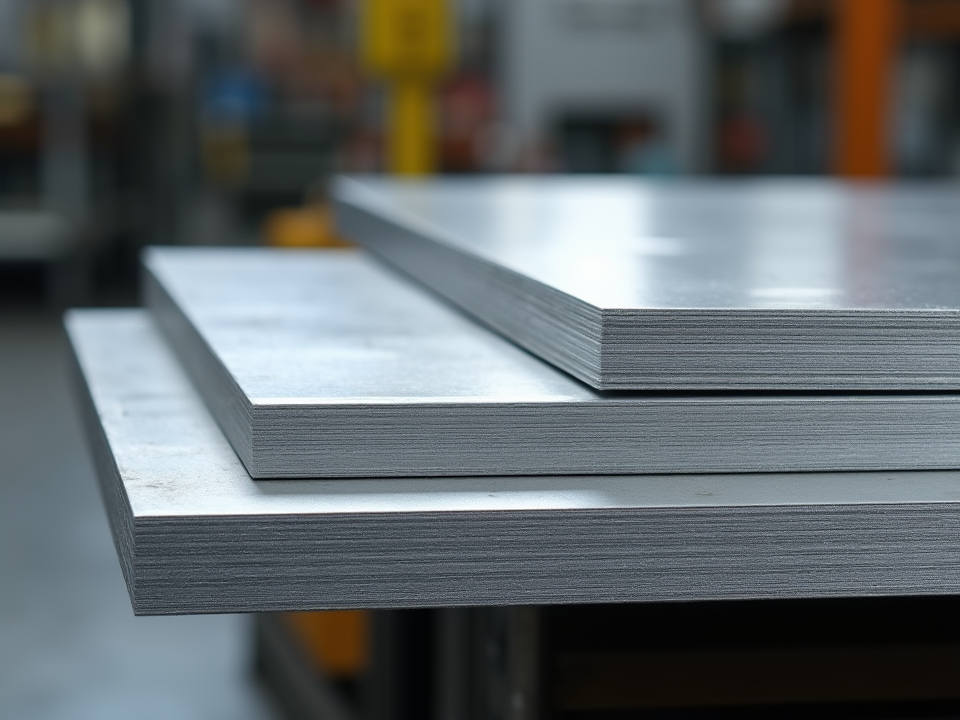
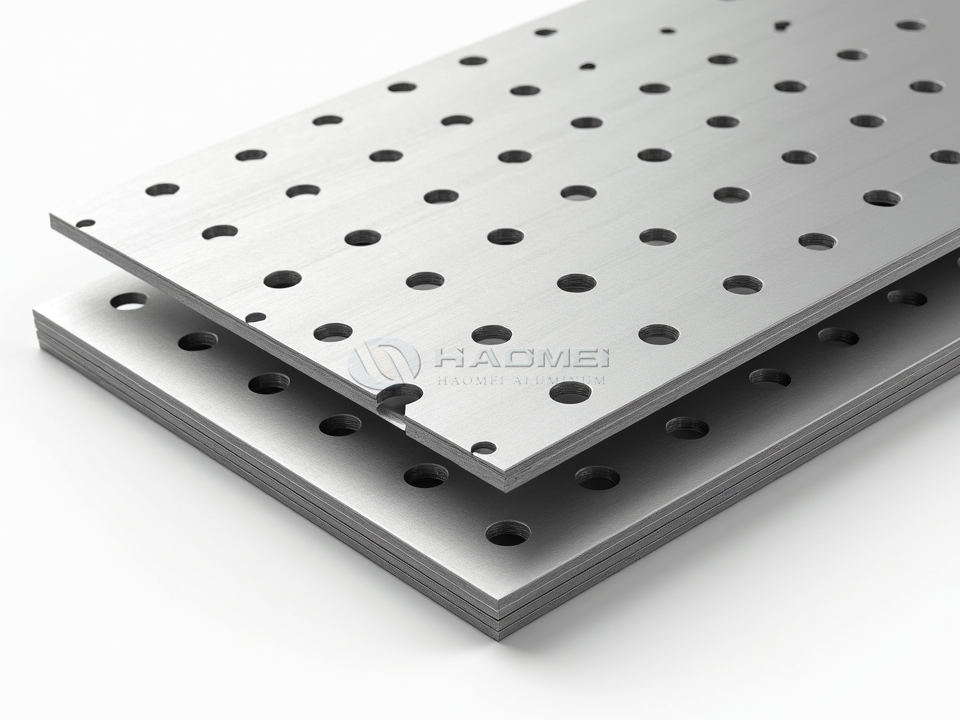
A lightweight perforated aluminum board combines the low density of aluminum with precisely punched openings for airflow, light control, sound absorption, and decorative expression. It is widely selected where a steel panel would add unnecessary dead load or where a solid sheet would block ventilation and visual depth.
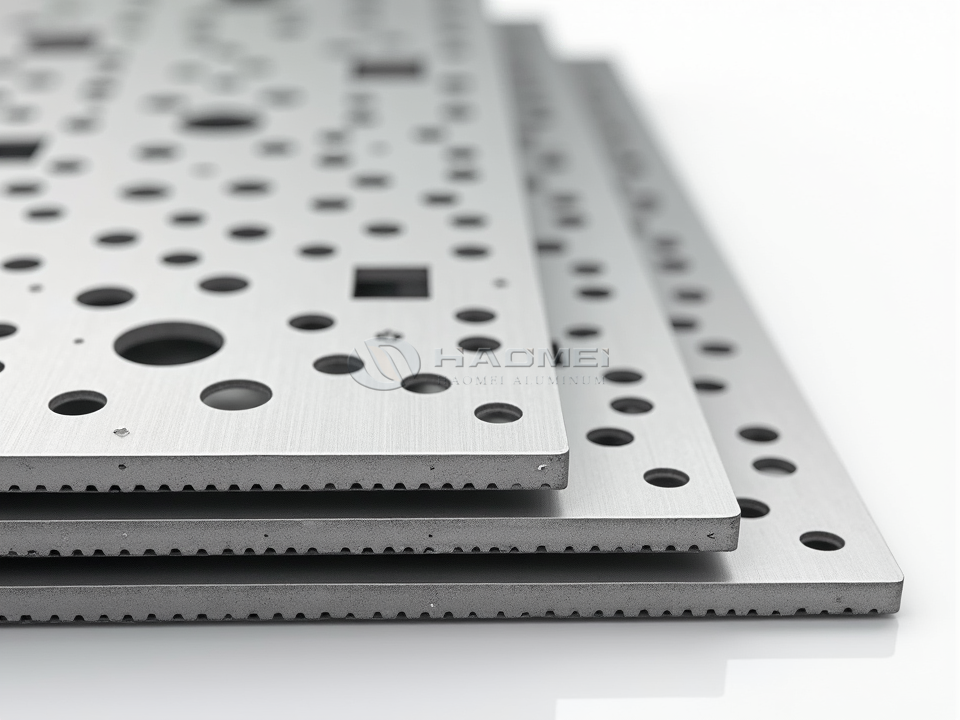
The board can be supplied with round, square, slotted, hexagonal, or custom-shaped openings. Hole diameter, pitch, open-area ratio, sheet thickness, alloy, temper, and surface finish can all be tailored to the installation environment. From ventilated building skins to clean-lined ceiling systems, perforated aluminum offers a practical balance of strength, corrosion resistance, formability, and visual appeal.
Product Characteristics
| Property | Performance Benefit |
|---|---|
| Low density | Aluminum weighs about one-third as much as steel, reducing support-frame and handling demands. |
| Corrosion resistance | Natural oxide film protects the surface; coated finishes provide added weathering performance. |
| Controlled open area | Perforation patterns can provide ventilation, drainage, daylight filtering, or acoustic access. |
| Flexible fabrication | Boards can be cut, folded, curved, rolled, riveted, welded, or mounted in cassette systems. |
| Decorative versatility | Anodized, powder-coated, PVDF-coated, brushed, or mill finishes support architectural design goals. |
| Recyclability | Aluminum can be repeatedly recycled, supporting material recovery at the end of service life. |
A lightweight perforated aluminum board is particularly effective when visual transparency and structural efficiency must work together. Small holes create a refined, semi-opaque surface, while larger perforations enhance ventilation and reduce panel mass. The pattern can also mask equipment, improve privacy, or create changing shadow effects across a facade.
Common Alloy and Temper Options
| Alloy | Typical Temper | Characteristics | Suitable Uses |
|---|---|---|---|
| 1050 | H14, H24 | High purity, excellent corrosion resistance, very good formability | Interior ceilings, decorative screens, light-duty panels |
| 1060 | H14, H24 | Soft, economical, easy to perforate and bend | Ceiling tiles, ventilation covers, signage |
| 1100 | H14, H24 | Good ductility and weather resistance | Interior cladding, acoustic backing sheets |
| 3003 | H14, H24 | Manganese-enhanced strength with strong corrosion resistance | Facades, perforated enclosures, exterior panels |
| 3004 | H24, H26 | Higher strength than 3003 with good forming behavior | Architectural systems, transport interiors |
| 5052 | H32, H34 | Excellent marine and industrial corrosion resistance | Coastal facades, equipment guards, wet-area screens |
For most decorative and architectural applications, 3003 H24 aluminum offers a reliable combination of punchability, flatness, and moderate strength. For coastal projects, chemical exposure, or humid industrial sites, 5052 H32 is often preferred due to its stronger resistance to corrosive environments.
Chemical Composition Reference
The values shown are typical maximum or nominal limits by weight percentage. Exact requirements should be confirmed against the selected material standard and purchase specification.
| Alloy | Si | Fe | Cu | Mn | Mg | Zn | Al |
|---|---|---|---|---|---|---|---|
| 1050 | 0.25 | 0.40 | 0.05 | 0.05 | 0.05 | 0.05 | 99.50 min |
| 1060 | 0.25 | 0.35 | 0.05 | 0.03 | 0.03 | 0.05 | 99.60 min |
| 1100 | Si + Fe 0.95 max | - | 0.05-0.20 | 0.05 max | - | 0.10 max | 99.00 min |
| 3003 | 0.60 max | 0.70 max | 0.05-0.20 | 1.0-1.5 | - | 0.10 max | Balance |
| 5052 | 0.25 max | 0.40 max | 0.10 max | 0.10 max | 2.2-2.8 | 0.10 max | Balance |
Technical Specifications
| Parameter | Standard Production Range | Custom Capability |
|---|---|---|
| Base material thickness | 0.5-5.0 mm | Up to 8.0 mm depending on pattern and tooling |
| Standard sheet width | 1,000 mm, 1,220 mm, 1,250 mm, 1,500 mm | Cut to project dimensions |
| Standard sheet length | 2,000 mm, 2,440 mm, 3,000 mm | Extended lengths by agreement |
| Hole diameter | 0.8-30 mm | Custom opening sizes available |
| Round-hole pitch | 1.5-50 mm | Designed to meet open-area targets |
| Open-area ratio | 10%-60% | Higher ratios possible with suitable thickness and pattern |
| Surface finish | Mill, anodized, powder coated, PVDF coated, brushed | Custom color matching available |
| Flatness | Depends on thickness, open area, and panel size | Leveling and frame reinforcement available |
| Fabrication | Shearing, laser cutting, bending, rolling, welding | Folding, cassette fabrication, edge returns |
Perforation Patterns and Functional Effects
| Hole Pattern | Visual Effect | Functional Strength |
|---|---|---|
| Round hole | Clean, balanced, familiar architectural appearance | Efficient airflow and consistent open area |
| Square hole | Crisp geometric grid | Strong directional visual character |
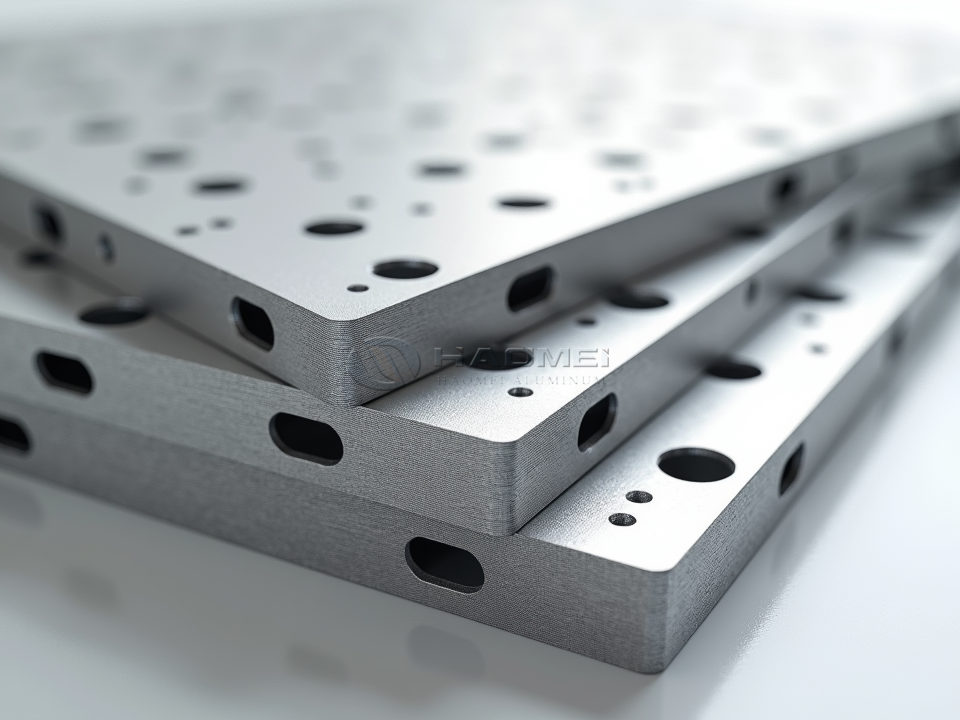
| Slotted hole | Linear, modern, elongated appearance | Useful for directional ventilation and drainage |
| Hexagonal hole | Technical, honeycomb-inspired surface | High open area with an energetic pattern |
| Decorative custom hole | Branded, artistic, or organic expression | Designed for project-specific screening and light effects |
Round perforations remain a frequent choice because they distribute material evenly around each opening and suit a broad range of panel thicknesses. For applications requiring a bold linear rhythm, Slotted Hole Perforated Aluminum Sheet designs can deliver controlled airflow while creating a more contemporary facade or ceiling appearance.
Applications
| Application | Why Lightweight Perforated Aluminum Board Performs Well |
|---|---|
| Building facades | Reduces cladding weight while providing sun shading, ventilation, and visual screening. |
| Curtain wall screens | Conceals mechanical areas and adds depth to exterior elevations. |
| Suspended ceilings | Supports air circulation, access to services, and acoustic backing materials. |
| Acoustic wall systems | Allows sound energy to pass through to mineral wool or acoustic fleece behind the panel. |
| Balcony and privacy screens | Provides partial visibility, wind passage, and a durable protective barrier. |
| Equipment enclosures | Promotes cooling airflow around machinery, electrical cabinets, and HVAC equipment. |
| Retail interiors | Creates branded partitions, display walls, decorative soffits, and lighting features. |
| Transport interiors | Low weight supports efficient use in rail, marine, and vehicle fit-out projects. |
Mechanical and Design Considerations
Perforation reduces the net cross-section of a panel. As open area increases, panel stiffness decreases, particularly across wide unsupported spans. Thickness selection should therefore consider perforation percentage, hole geometry, mounting method, wind pressure, panel dimensions, and required visual flatness.
| Design Factor | Practical Guidance |
|---|---|
| High open area | Increase thickness, reduce unsupported span, or add formed returns and stiffeners. |
| Large facade panels | Use perimeter frames, folded edges, or cassette construction for improved rigidity. |
| Exterior exposure | Select 3003 or 5052 alloy with anodized, powder-coated, or PVDF finish. |
| Acoustic use | Combine 15%-35% open area with acoustic fleece and mineral wool backing. |
| Fine hole patterns | Use appropriate thickness-to-hole ratio to prevent distortion during punching. |
| Coastal environments | Prefer 5052 alloy and specify a marine-suitable coating system. |
Surface Finishes and Maintenance
Mill-finish boards suit industrial guards, concealed ventilation panels, and projects requiring further fabrication. Anodized finishes offer a metallic appearance with improved surface hardness. Powder coating provides broad color flexibility for interior and exterior use, while PVDF coating is commonly chosen for demanding architectural facades because of its long-term color and weathering resistance.
Routine maintenance is simple. Wash exterior panels periodically with clean water and a neutral detergent to remove dust, salts, and airborne contaminants. Avoid abrasive pads and aggressive alkaline cleaners, especially on anodized or coated surfaces. For perforated panels, cleaning the rear face and hole edges is important in dusty or coastal settings.
Selecting the Right Board
A successful specification begins with the required function: ventilation, acoustic performance, privacy, solar control, decoration, or equipment protection. Then match alloy and finish to the environment, determine the desired open-area ratio, and verify stiffness through panel size and fixing design. A thoughtfully engineered lightweight perforated aluminum board delivers a durable, visually expressive surface without imposing excessive load on the supporting structure.