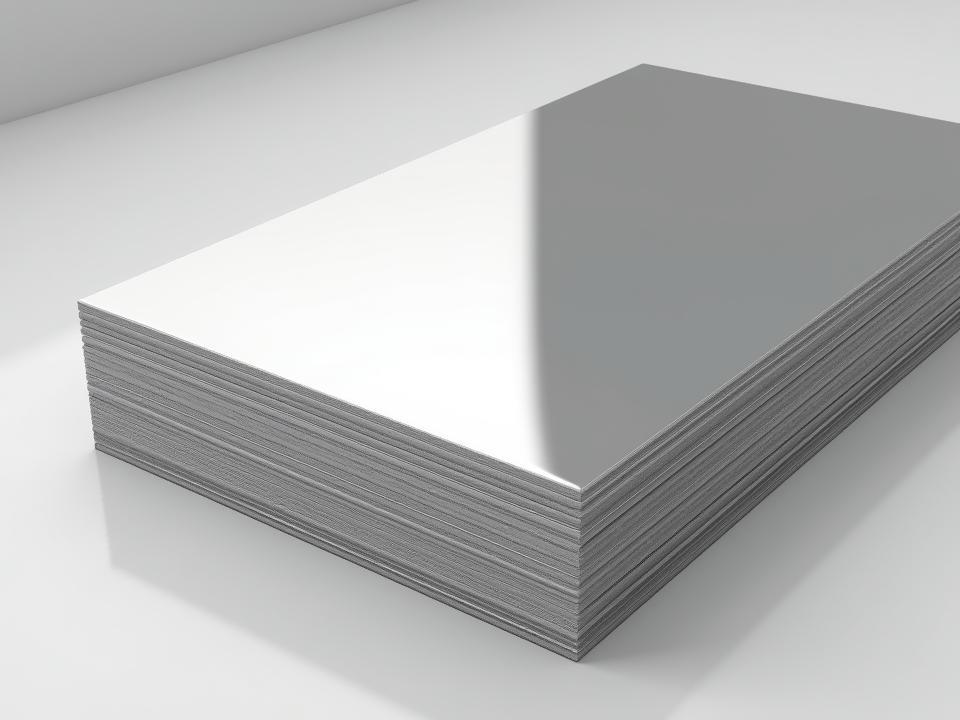
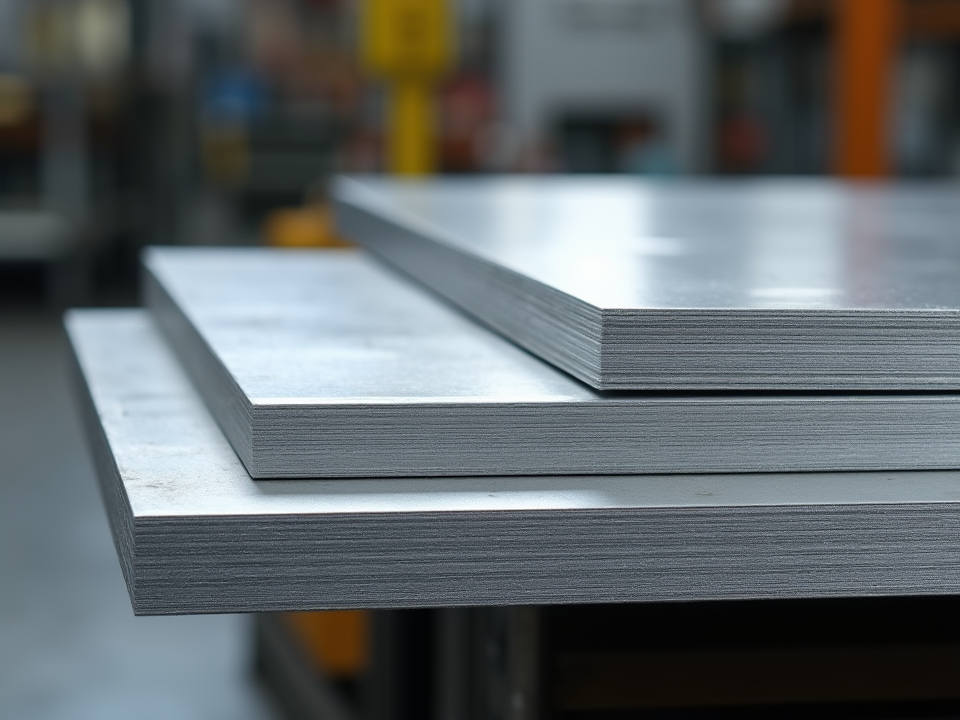
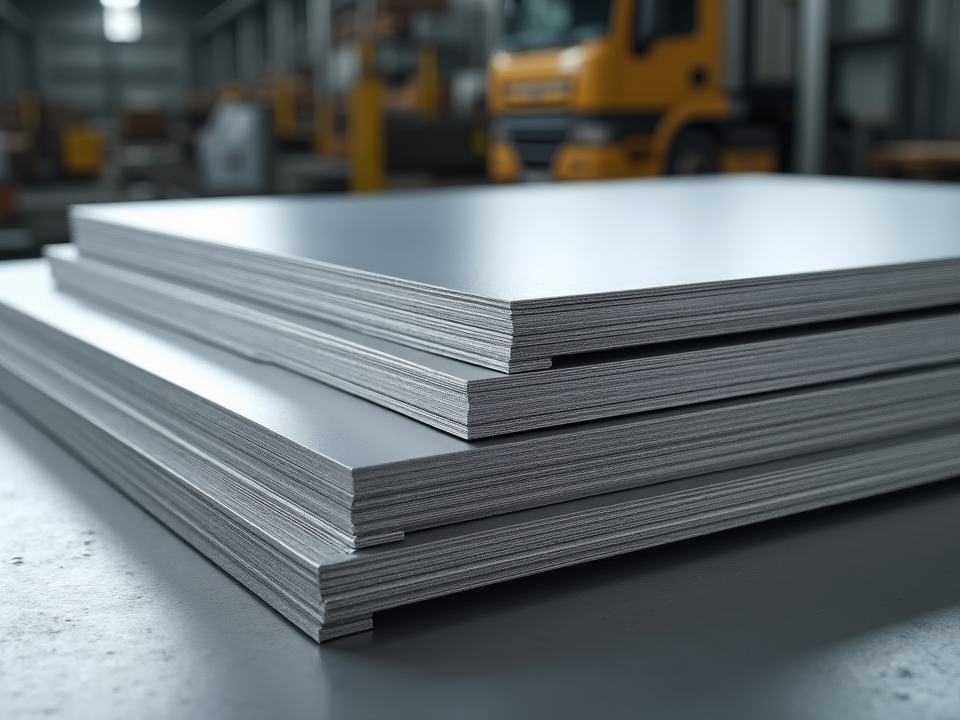
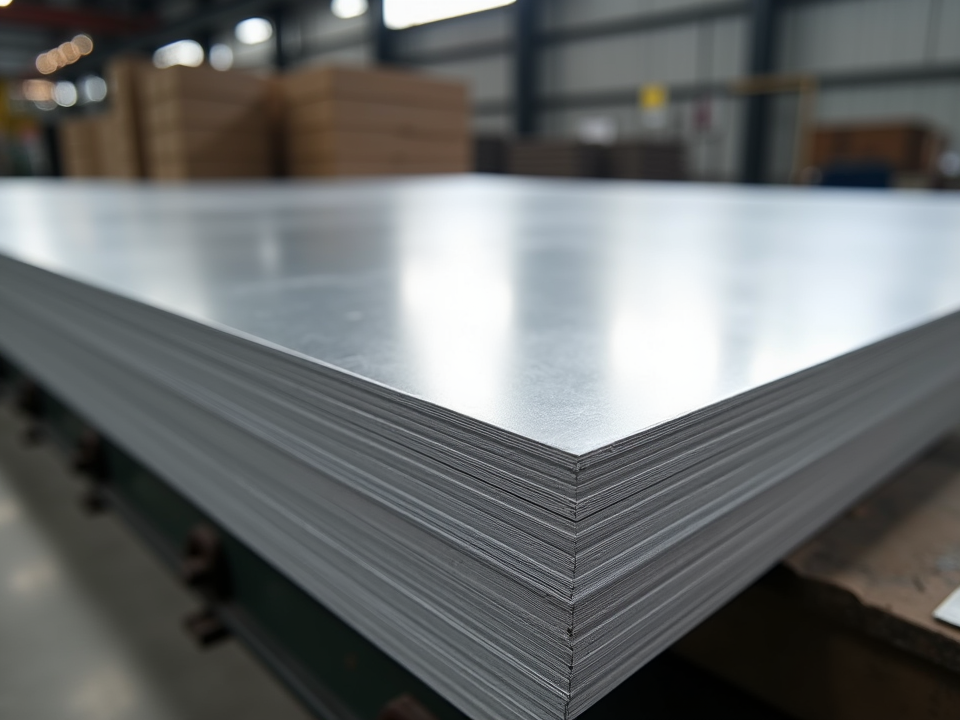
High End Brushed Aluminum Facing
High end brushed aluminum facing is often chosen for its appearance, but its real value lies in how it controls light. A well-made brushed surface does not simply look metallic. It softens reflections, directs the eye along a consistent grain, and gives walls, furniture, doors, retail displays, and equipment panels a calm technical character.
For architects and product designers, this material can act like a quiet backdrop. For fabricators, it is a surface where small handling mistakes become visible. For buyers, that distinction matters: premium brushed aluminum is not defined by a bright shine alone. It is defined by consistency from sheet to sheet, stable color after fabrication, clean edge treatment, and a finish that still looks deliberate after daily use.
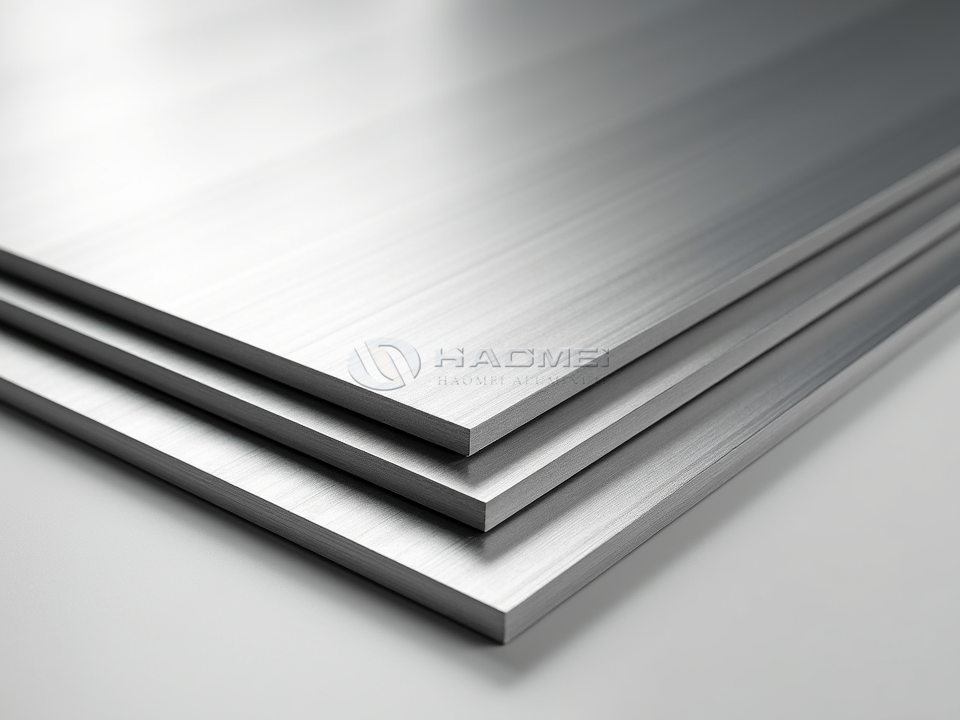
The finish is a direction, not just a texture
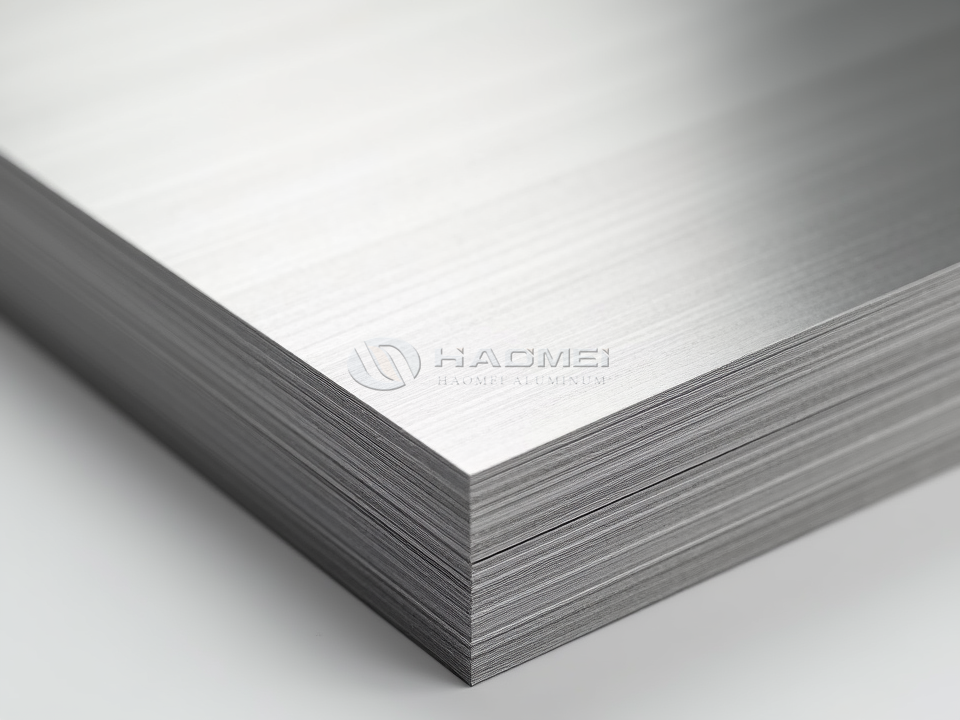
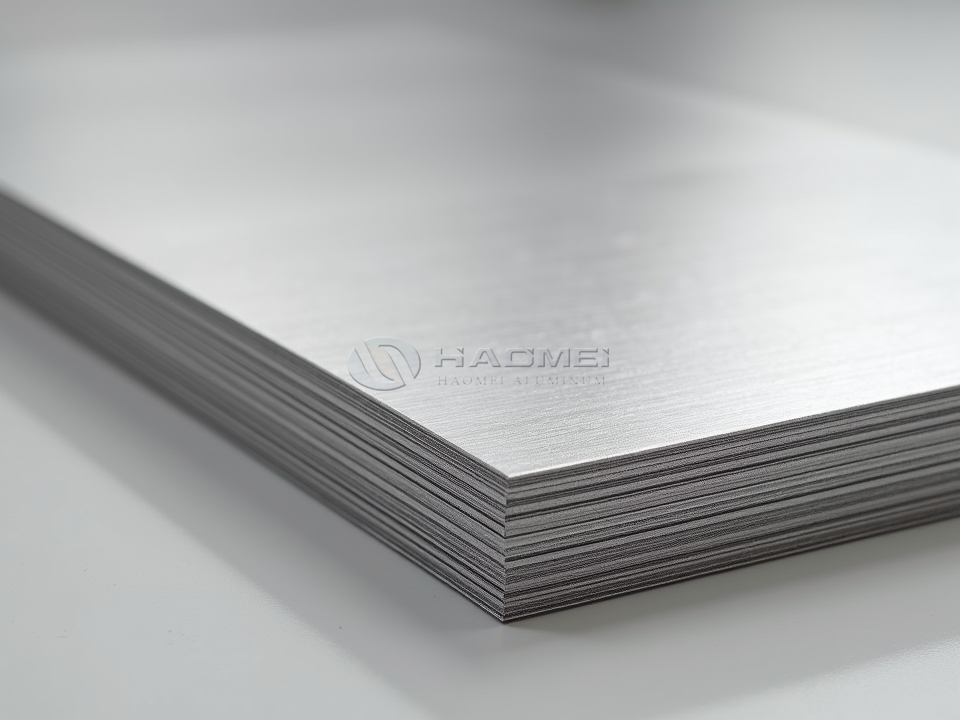
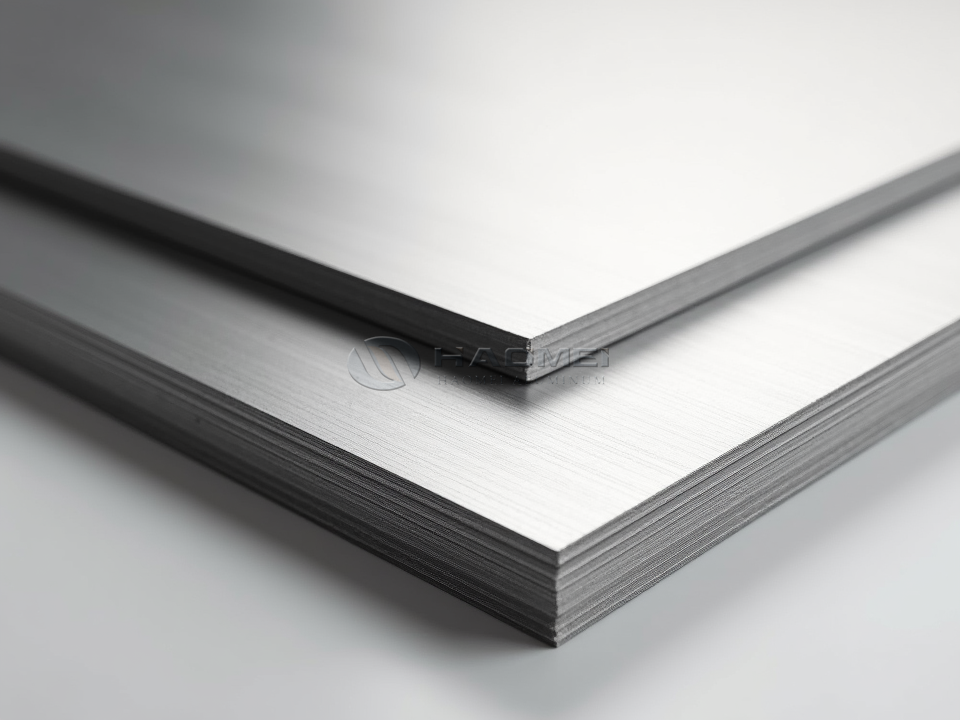
The brushed effect is created by mechanical abrasion, usually with abrasive belts, brushes, or non-woven wheels. This process forms fine parallel lines across the aluminum. The lines may be called hairline, satin, long-grain, or directional brushed finish, depending on their width and visual density.
At a premium level, grain direction should be specified before purchasing. A vertical grain can make a wall panel feel taller. A horizontal grain can visually widen an elevator interior, reception desk, or appliance face. On adjacent panels, the grain must align across seams. When it changes unintentionally, even excellent aluminum can look improvised.
Light makes this especially important. A brushed panel may appear pale silver from one angle and deeper gray from another. This is not a defect; it is the optical behavior of directional texture. However, inconsistent brushing pressure, mixed coil batches, or random grain orientation can create visible bands that become more obvious under showroom lighting or daylight grazing across the surface.
Premium facing begins with the right aluminum alloy
The alloy beneath the finish influences flatness, forming behavior, corrosion resistance, and the appearance after anodizing. For decorative interior panels that require good workability, 1060 or 1100 aluminum can provide a clean, even brush pattern. These grades are suitable where deep corrosion resistance or high structural strength is not the primary concern.
For demanding applications, 5052 is often the better choice. Its magnesium content gives it stronger corrosion resistance and better durability in humid areas, coastal settings, transport interiors, and commercial equipment. A carefully selected 5052 Brushed Aluminum Sheet is particularly practical when the facing must be bent, riveted, bonded, or used around moisture without sacrificing a refined appearance.
Thickness also affects the final impression. Thin sheets can be elegant for laminated decorative panels, but they need a perfectly smooth backing to prevent telegraphing of adhesive lines or substrate imperfections. Thicker sheets offer a more substantial feel and better dent resistance, making them appropriate for lift cabins, luxury retail fixtures, wall protection, and high-touch architectural surfaces.
Anodizing gives the brushed surface its long-term discipline
Bare brushed aluminum has a beautiful industrial look, but anodized brushed aluminum performs more reliably when the facing will be touched, cleaned, or exposed to moisture. Anodizing grows a controlled oxide layer into the aluminum surface. Unlike paint, it does not sit as a separate film that can peel. The brushed pattern remains visible beneath the transparent or colored anodic layer.
Clear anodizing preserves a silver-metal appearance while improving resistance to fingerprints, mild corrosion, and handling marks. Champagne, bronze, black, and gold anodized finishes allow designers to change the atmosphere without losing the material's linear texture. Dark colors can look especially sophisticated, though they demand disciplined fabrication because scratches, uneven bending, and poorly protected edges are easier to notice.
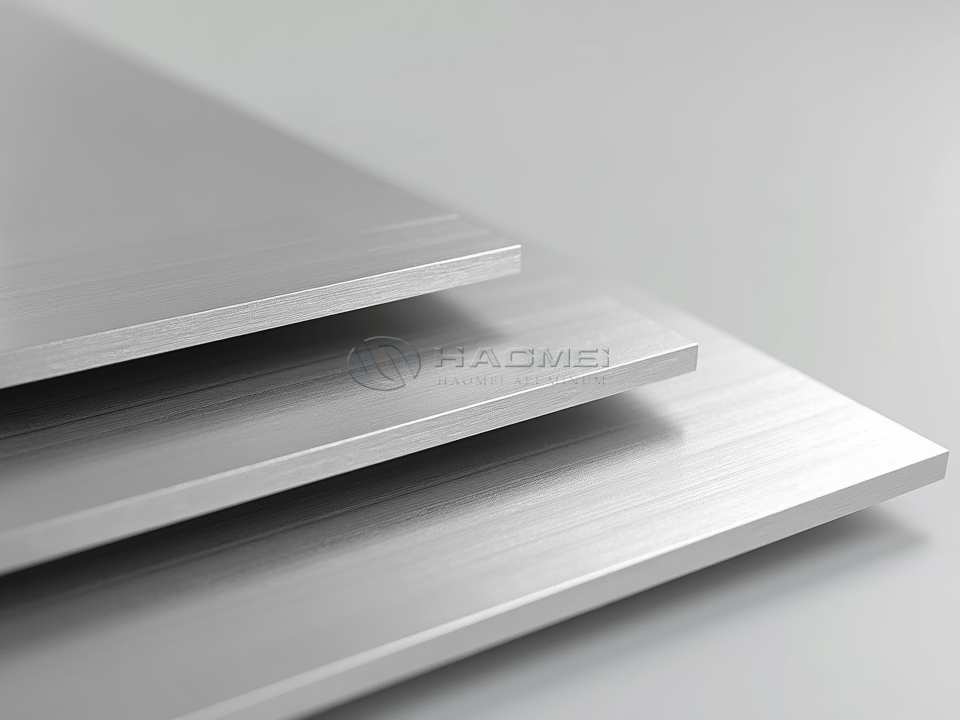
Color matching should be treated as a production issue rather than a catalog decision. A small swatch may look identical under office light, then differ noticeably when placed beside a larger panel under warm LEDs. For visible installations, use material from the same production batch where possible. Confirm the anodized color, brush grain, panel orientation, and protective-film direction with a physical sample before full fabrication.
The hidden premium detail is protection during fabrication
Many attractive panels are damaged after they leave the finishing line. High end brushed aluminum facing needs surface protection suited to cutting, routing, folding, transport, and installation. Protective film should adhere firmly enough to prevent scuffing but release cleanly without adhesive residue. It should also be removed at the right time. Leaving film on too long, particularly in heat or direct sun, can make removal difficult.
Fabricators should use clean tables, non-marking rollers, and dedicated tools. Steel particles from shared equipment can embed in aluminum and later create staining. Burrs at cut edges should be removed carefully, always respecting the visible grain. If a panel needs a folded return, test the bend radius first. Tight bends can distort the brush lines or create tension marks, especially with dark anodized material.
Adhesive bonding is common for decorative facing, but the substrate must be flat, dry, and compatible with the adhesive system. Uneven adhesive spread can produce show-through on thin sheets. Mechanical fasteners can be effective, yet their spacing and head finish should be planned as part of the visual design rather than treated as an afterthought.
Choosing color with restraint
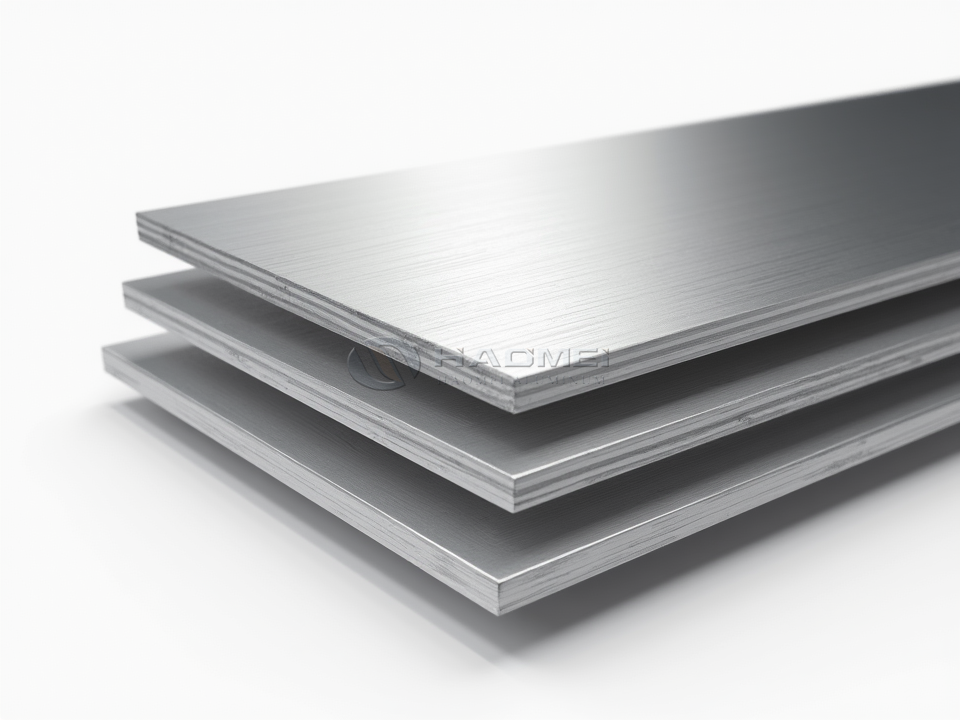
Silver remains the most flexible choice because it complements stone, glass, timber, painted surfaces, and modern lighting. A Silver Brushed Aluminum Sheet can feel warm or cool depending on nearby materials, making it a reliable option for reception counters, display systems, cabinetry, signage, and interior cladding.
Champagne brushed aluminum offers a softer, more hospitality-oriented mood. Gold can create an intentional luxury accent when used in controlled areas such as trim, feature panels, and boutique fixtures. Black brushed aluminum introduces depth and contrast, but it works best when installers can maintain clean handling standards and accurate panel alignment.
The most successful projects do not use brushed aluminum to make every surface loud. They use it where the eye naturally travels: around entrances, along hand-contact zones, behind products, on cabinet faces, or as a crisp transition between materials. The surface is strongest when it has room to breathe.
What to confirm before ordering
A complete purchase specification should state alloy, temper, thickness, width and length tolerance, brushing pattern, grain direction, finish type, anodized color if required, protective film, and intended fabrication method. If panels will be cut into matched components, request consistent coil or batch control. If the material is for a high-visibility project, approve a large sample rather than relying on a small chip.
High end brushed aluminum facing rewards careful planning. Its beauty is not based on excessive gloss. It comes from precision: parallel grain, controlled color, stable flatness, clean fabrication, and a surface that changes gently with the light while remaining confident in every setting.