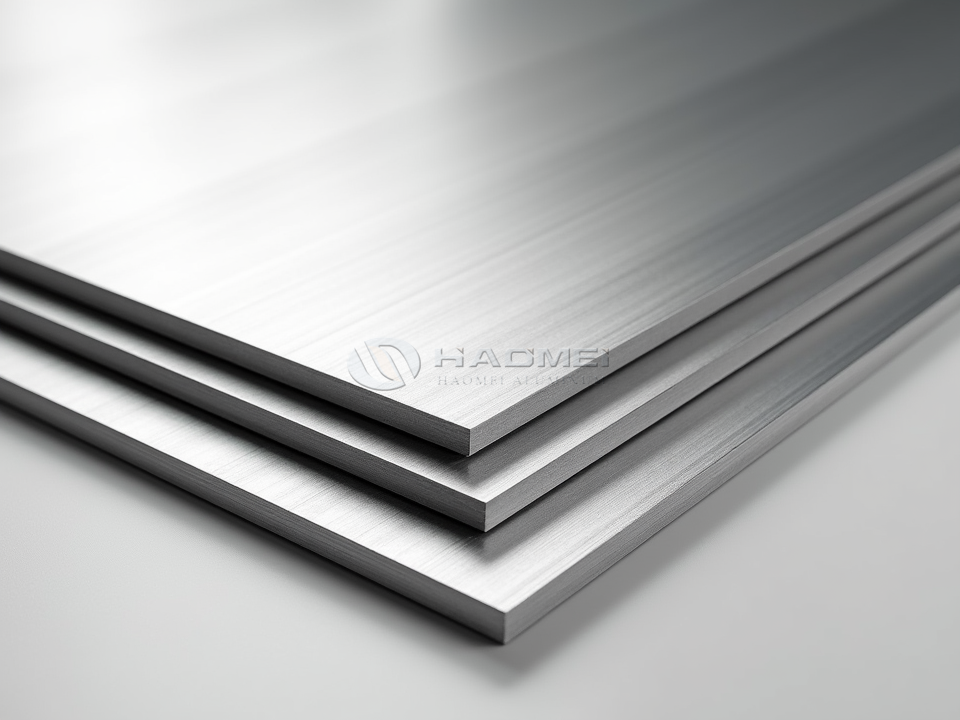
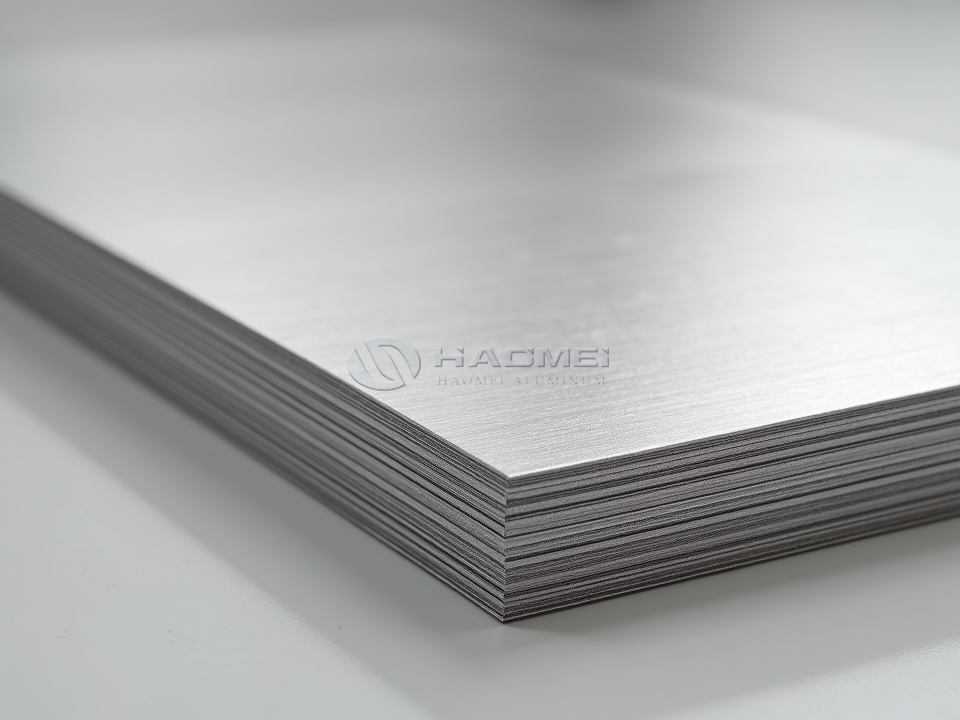
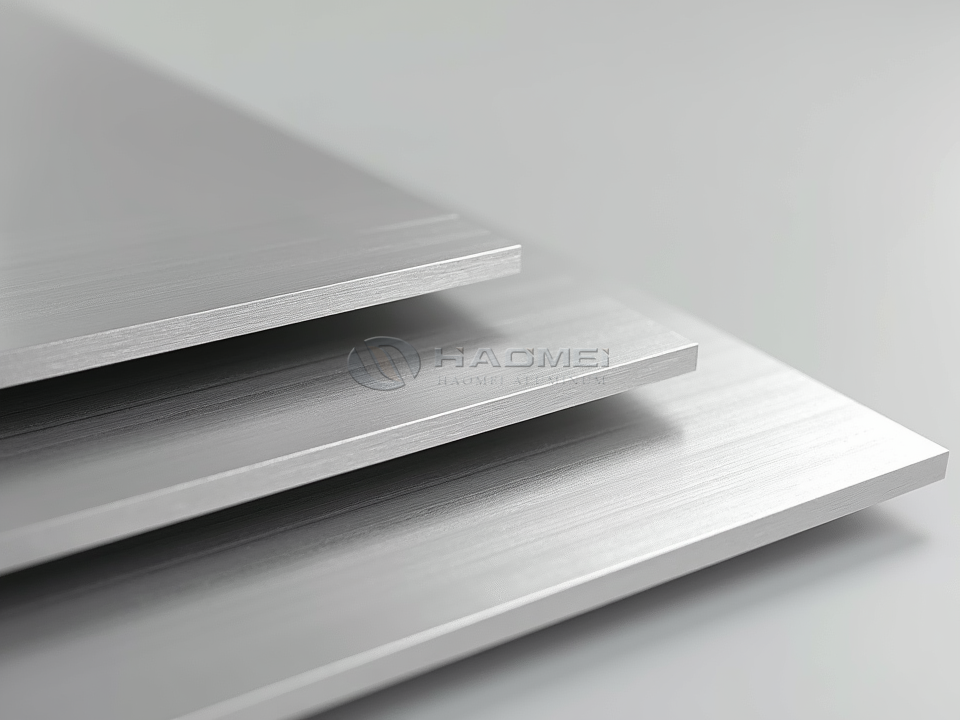
Metal Label Brushed Aluminum Sheet
Metal Label Brushed Aluminum Sheet: Where Surface Design Meets Industrial Identity
A metal label is often the first physical contact a customer has with a machine, appliance, enclosure, instrument, or premium retail product. It carries a logo, serial number, compliance marking, operating instruction, or brand message. For this reason, material selection is not merely about thickness and price. It is about how the surface behaves under light, ink, touch, cleaning agents, and years of service.
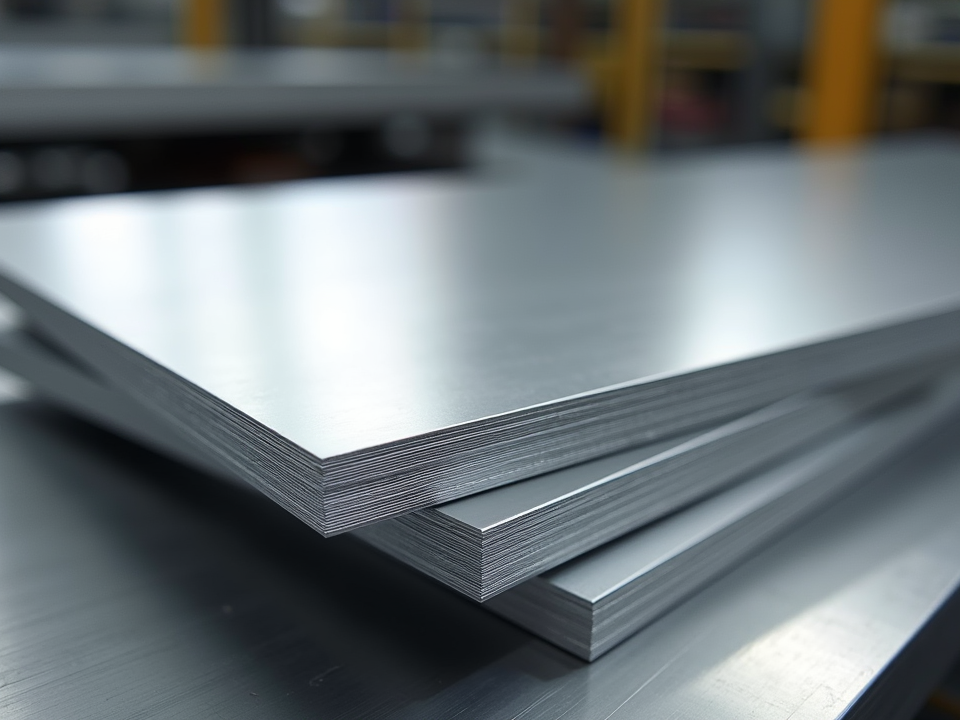
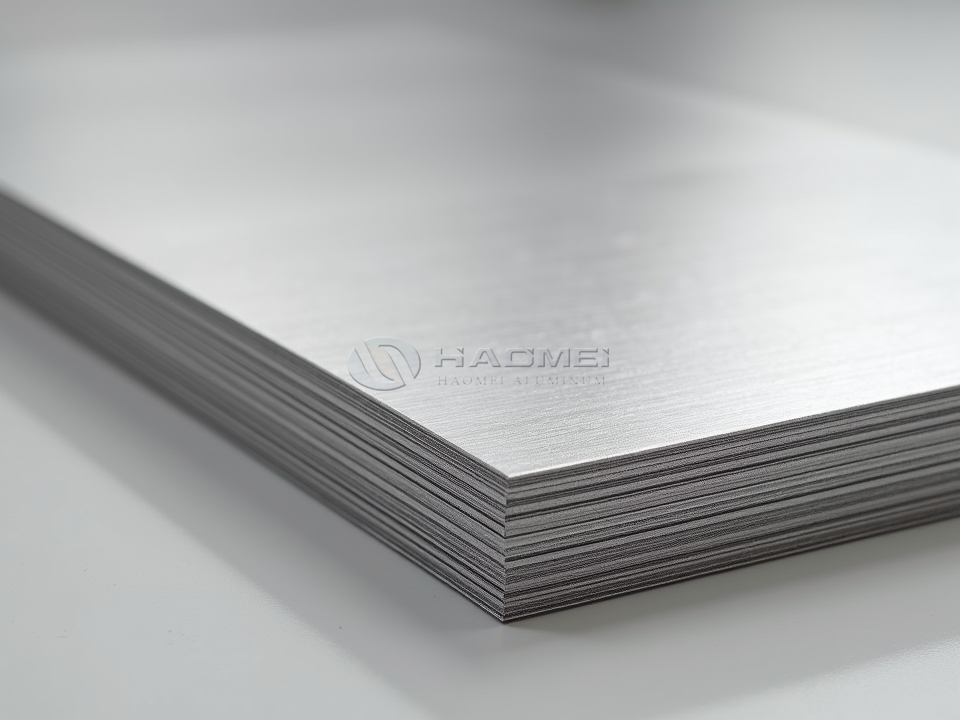
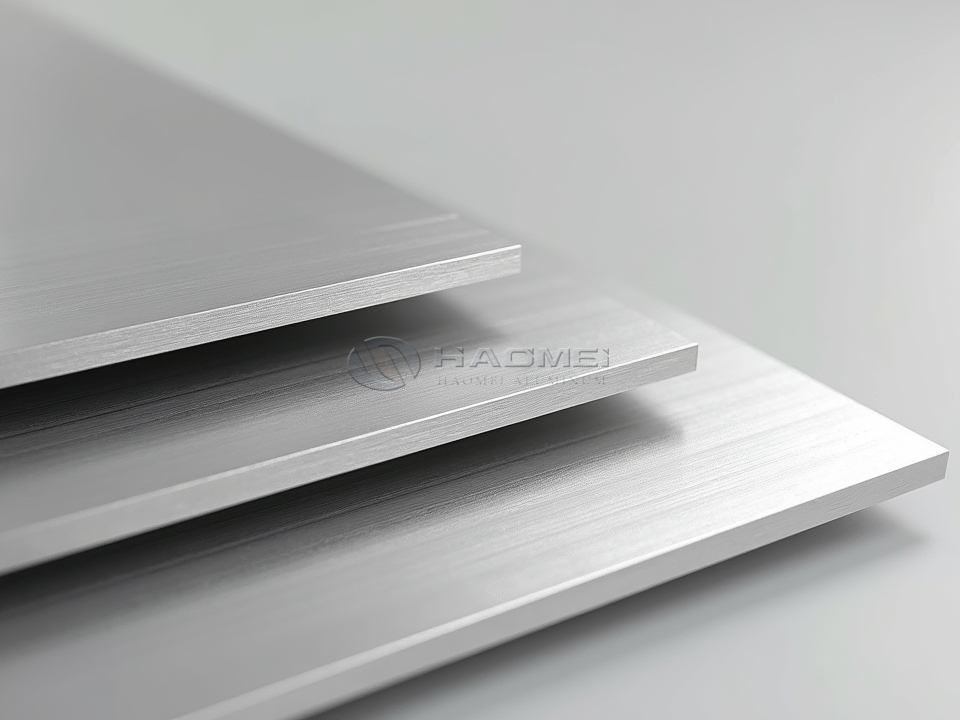
Metal label brushed aluminum sheet gives nameplates a controlled linear grain that feels engineered rather than decorative. The hairline pattern diffuses glare, hides light handling marks, and provides a refined background for laser engraving, screen printing, digital printing, embossing, stamping, and chemical etching. Compared with mirror aluminum, the brushed face is calmer and easier to read. Compared with painted steel, it delivers lower weight and natural corrosion resistance.
Why the Brushed Finish Works for Labels
The visual value of brushed aluminum comes from direction. Fine abrasive belts or non-woven wheels create parallel lines across the sheet surface. These lines guide reflected light in one direction, producing a satin metallic appearance. In label production, grain direction should be specified early because horizontal brushing, vertical brushing, and long-side brushing can change the appearance of a completed badge.
A fine hairline finish is generally favored for control panels, electronics labels, appliance plates, luxury packaging, and architectural identification signs. A slightly coarser grain can suit industrial machinery, tool cases, and equipment tags where surface masking is more important than a delicate appearance.
The brushed surface is usually supplied with protective film to reduce transit scratches. For highly visual labels, buyers should define the acceptable face condition, film type, grain direction, and inspection distance before production. A brushed finish is decorative, so the approved sample is often as important as dimensional tolerances.
For broader material options, Brushed Aluminum Sheet can be selected in several alloys, finishes, widths, and protective surface treatments.
Alloy Choices and Temper Conditions
The best alloy depends on whether the label will be flat, bent, deeply formed, exposed outdoors, or printed with demanding graphics. Pure aluminum grades offer excellent forming and anodizing response. Aluminum-magnesium alloys provide greater strength and better resistance in humid or marine-adjacent environments.
| Alloy | Common Temper | Label Performance | Typical Use |
|---|---|---|---|
| 1060 | O, H14, H24 | Soft, highly formable, clean anodizing response | Decorative plates, indoor labels, embossed tags |
| 1100 | O, H14, H24 | Good corrosion resistance and excellent workability | Printed nameplates, appliance labels |
| 3003 | H14, H24 | Higher strength than pure aluminum, good forming | General industrial labels, control panels |
| 5052 | H32, H34 | Strong, durable, excellent corrosion resistance | Outdoor labels, equipment plates, marine-use tags |
Temper is not a minor purchase detail. An O temper sheet bends and embosses easily, but it can mark more readily during handling. H14 and H24 tempers offer a balanced combination of stiffness and fabrication performance for most flat labels. H32 or H34 5052 material is preferred where the plate needs more rigidity, vibration resistance, or dependable service in wet environments.
For demanding machinery labels, 5052 Brushed Aluminum Sheet provides a practical balance of decorative brushing, mechanical durability, and corrosion resistance.
Chemical Properties of Common Label Alloys
The following values are typical composition limits in percent by weight. Exact mill certificates should govern critical orders.
| Alloy | Si | Fe | Cu | Mn | Mg | Zn | Al |
|---|---|---|---|---|---|---|---|
| 1060 | 0.25 max | 0.35 max | 0.05 max | 0.03 max | 0.03 max | 0.05 max | 99.60 min |
| 1100 | Si + Fe 0.95 max | Included | 0.05-0.20 | 0.05 max | - | 0.10 max | 99.00 min |
| 3003 | 0.60 max | 0.70 max | 0.05-0.20 | 1.0-1.5 | - | 0.10 max | Remainder |
| 5052 | 0.25 max | 0.40 max | 0.10 max | 0.10 max | 2.2-2.8 | 0.10 max | Remainder |
Magnesium is especially influential in 5052. It improves strength and corrosion performance without requiring heat treatment. Manganese in 3003 increases strength compared with commercially pure aluminum while maintaining practical formability. The high aluminum content of 1060 and 1100 helps produce a bright, even surface for anodizing and fine decorative work.
Practical Parameters for Metal Label Production
Metal label brushed aluminum sheet is commonly supplied in thicknesses from 0.20 mm to 3.00 mm. Thin gauges around 0.30 mm to 0.80 mm are often used for adhesive-backed identification labels, cosmetic panels, and flexible tags. Thicknesses from 1.00 mm to 2.00 mm suit rigid nameplates, engraved panels, and embossed equipment labels. Heavier material may be selected for freestanding signs or plates requiring mounting holes and structural stiffness.
Typical coil widths range from 20 mm slit strips to 1,500 mm master widths. Sheet lengths can be cut to drawing requirements. Dimensional tolerance should match the downstream process: laser cutting, stamping, CNC engraving, or die cutting. Burr control matters when labels are handled frequently or used on consumer-facing products.
Surface roughness is normally managed according to the brushing method and visual sample rather than one universal value. Fine hairline brushing often falls within an approximate Ra range of 0.2 to 1.0 micrometers, though appearance should remain the acceptance basis. A uniform grain, absence of random cross scratches, clean edges, and consistent color are more meaningful to a label designer than one roughness reading alone.
Standards and Surface Treatment Options
Base aluminum sheet can be produced in accordance with ASTM B209/B209M, EN 485-2, EN 573-3, and GB/T 3880 requirements, depending on the project market and certification needs. These standards address composition, mechanical properties, dimensions, and tolerances. The brushing pattern itself is generally controlled through an agreed visual sample, grain specification, and surface quality agreement.
Anodizing is a strong choice for labels that face fingerprints, UV exposure, humidity, or regular cleaning. A clear anodic layer preserves the silver metallic tone while improving surface hardness and corrosion resistance. Black, champagne, gold, and other colored anodized finishes provide contrast for laser-marked graphics. Laser engraving can remove the colored anodic layer and reveal bright aluminum, creating sharp text without added ink.
For indoor labels with detailed logos, screen printing and digital UV printing work well when paired with proper cleaning and ink adhesion testing. For outdoor identification, anodizing plus laser marking, etched graphics, or durable baked inks generally offers longer service life. Pressure-sensitive adhesive backing can also be laminated to the reverse side after surface preparation.
A Smarter Specification for Buyers
A reliable purchase specification describes more than alloy and thickness. It should state the alloy-temper combination, dimensions, brushing direction, face-side protective film, desired color, surface treatment, intended fabrication method, and end-use environment. If the label will be bent, specify bend radius and grain direction. If it will be laser marked, test the selected coating with the actual laser settings. If it will be exposed to salt, moisture, solvents, or heat, request corrosion and adhesion testing suited to the service conditions.
Metal label brushed aluminum sheet is effective because it balances visual restraint with practical performance. Its linear texture gives graphics a disciplined background, while the right alloy and temper turn a thin decorative sheet into a long-lasting identification surface for products that need to be recognized, trusted, and remembered.