Bronze Brushed Aluminum Plate
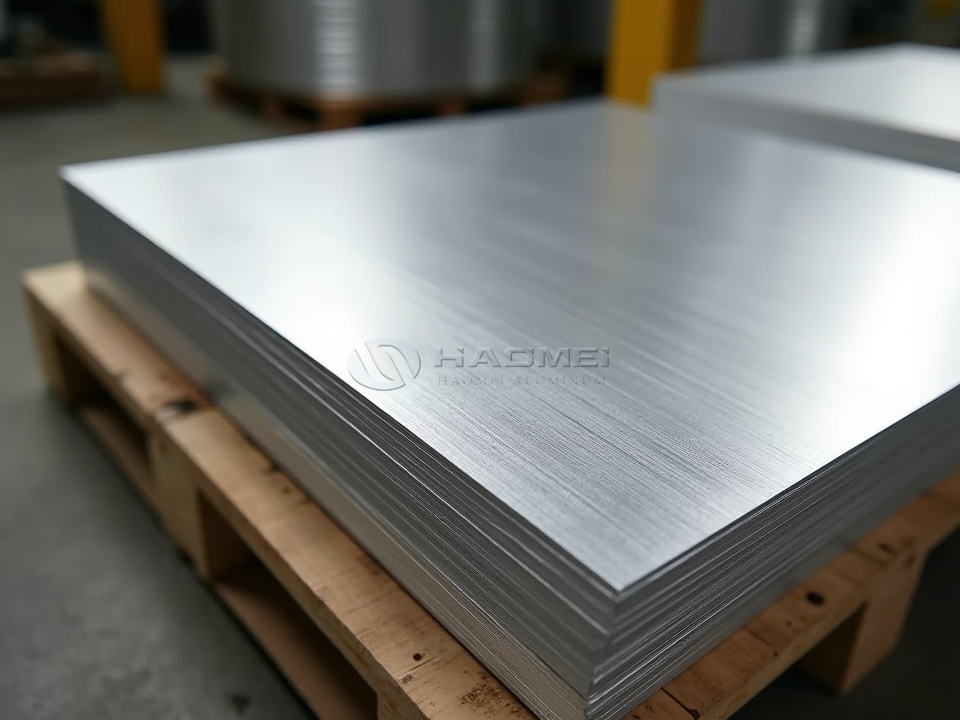
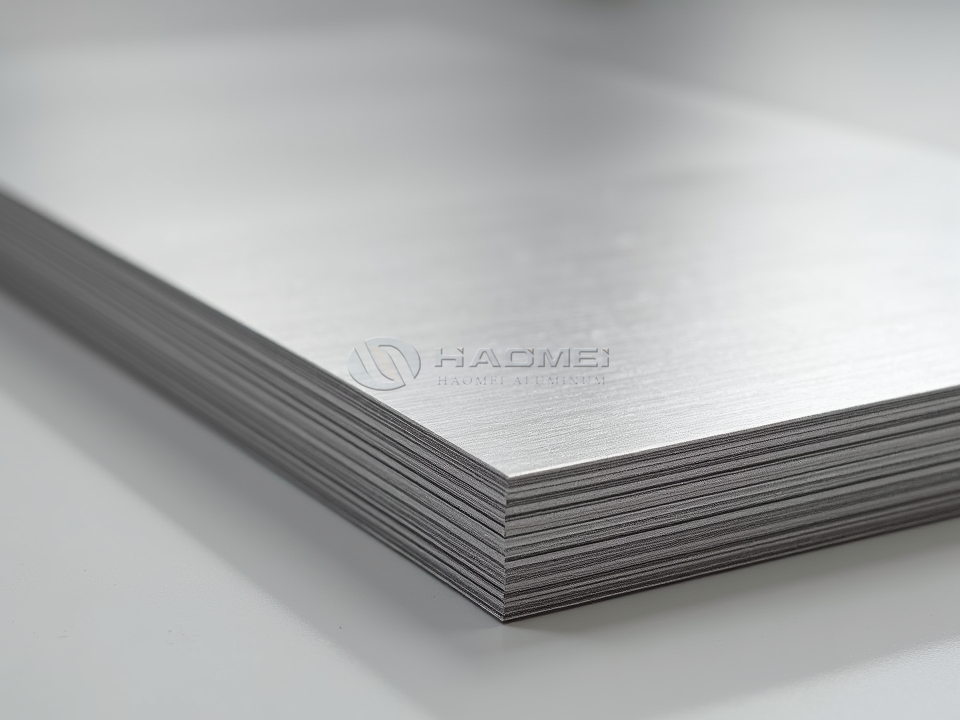
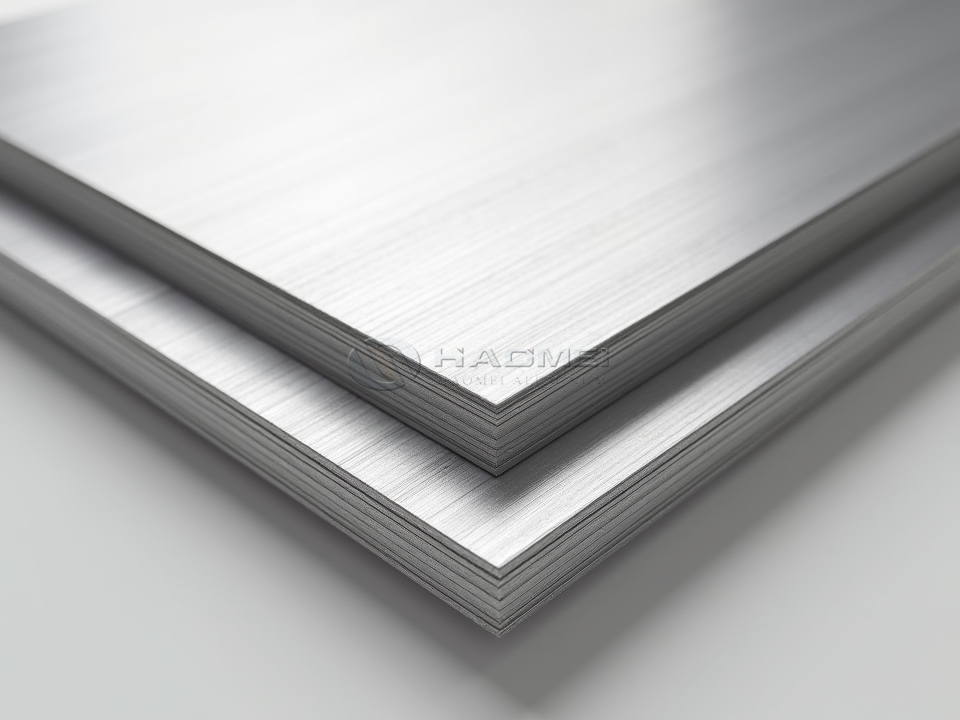
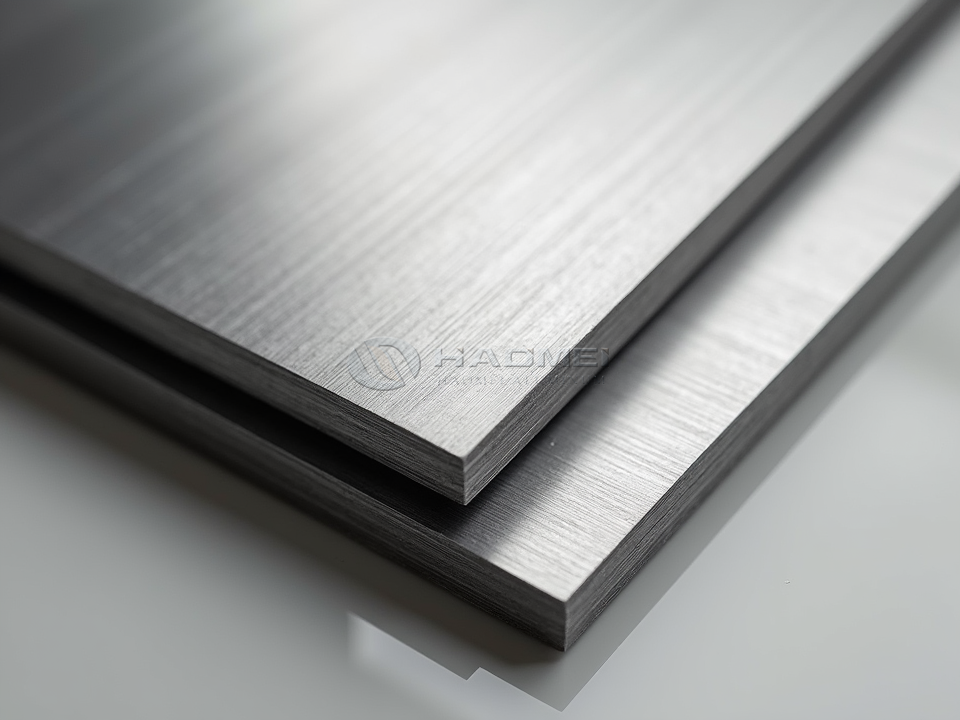
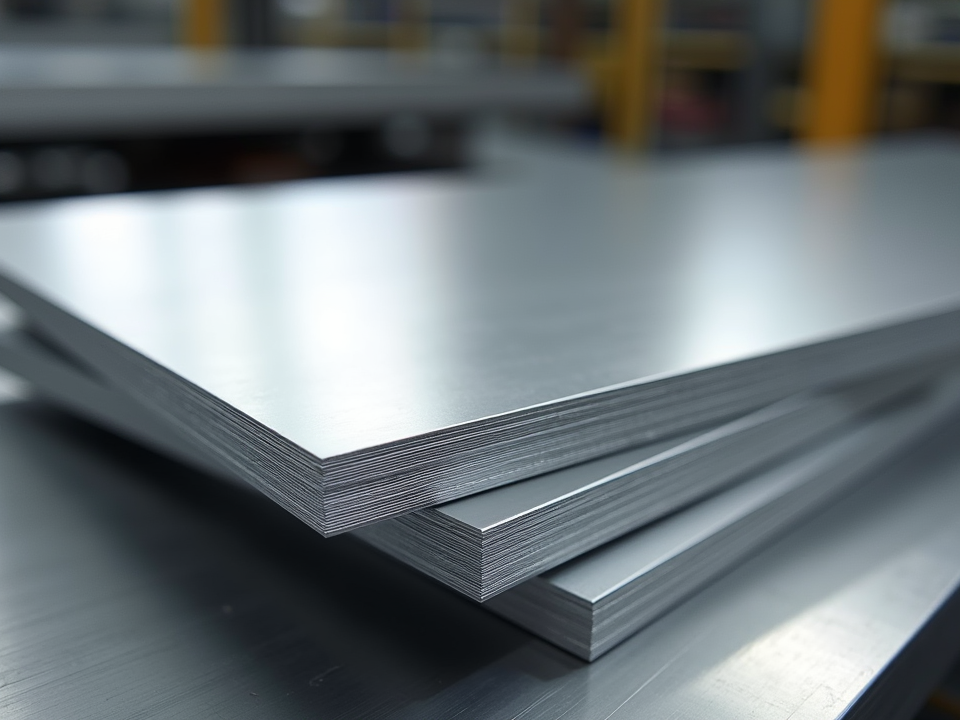
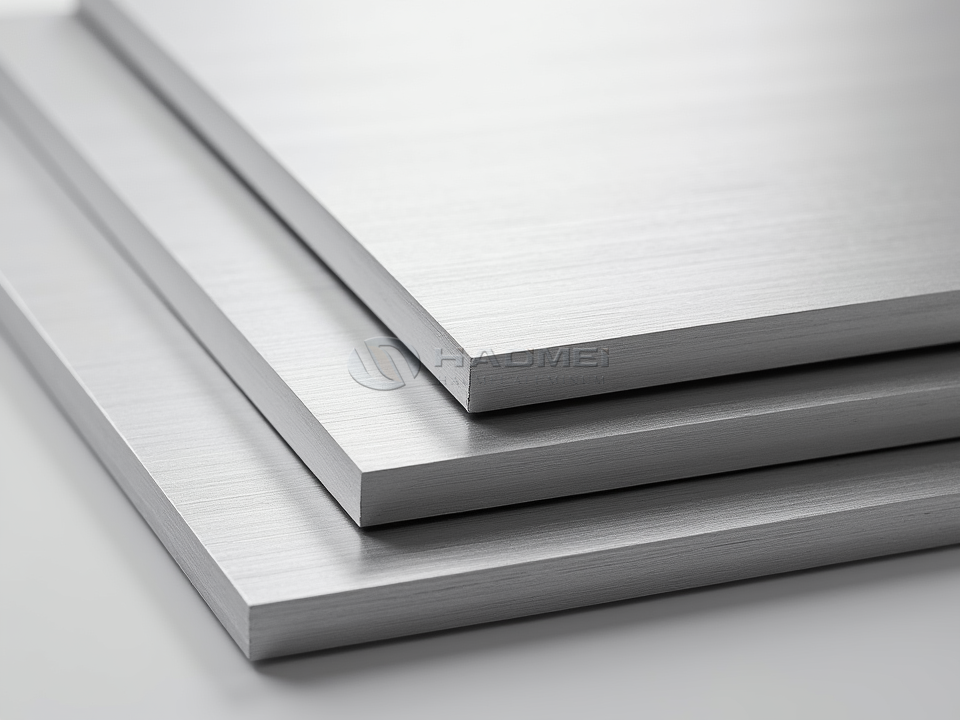
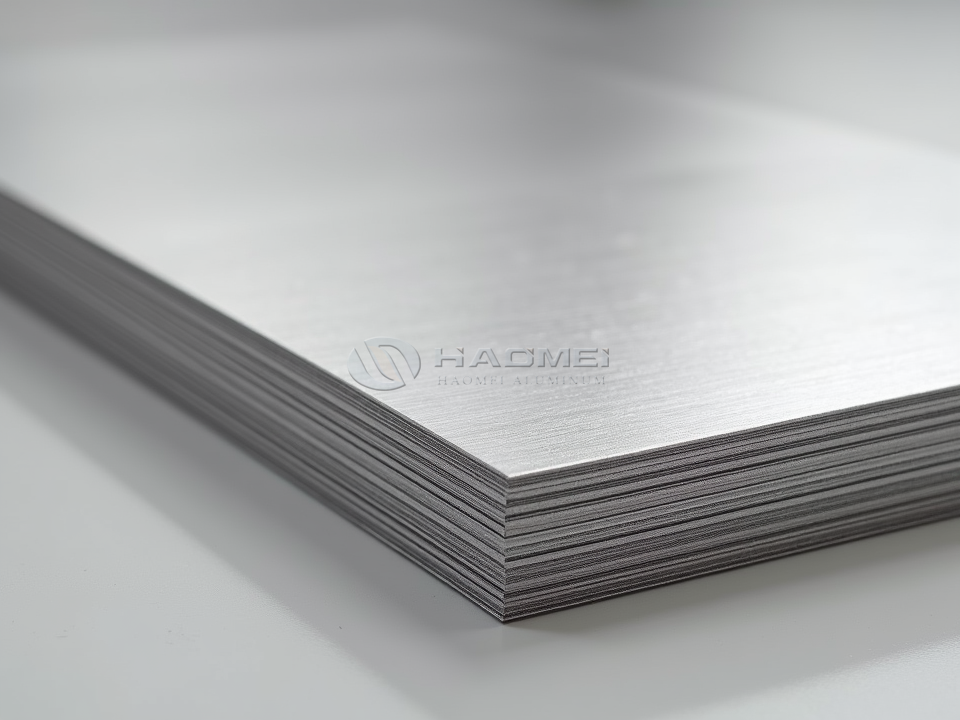
Bronze brushed aluminum plate is a decorative and functional metal sheet designed to create the rich appearance of aged bronze while retaining aluminum's low weight, workability, and corrosion resistance. Its linear hairline texture softens reflections, conceals minor handling marks, and gives architectural surfaces a refined directional grain.
The bronze tone is commonly created through anodizing, electrophoretic coloring, PVDF coating, polyester coating, or laminated decorative film. The choice of finish depends on the intended environment, color consistency requirements, abrasion exposure, and fabrication process. Unlike solid bronze, this material is easier to cut, bend, transport, and install, making it a practical option for large interior panels and lightweight exterior systems.
Functional Benefits
The brushed surface is produced by controlled mechanical abrasion with abrasive belts, wheels, or brushes. Fine parallel lines establish a satin-metal visual effect and help distribute light evenly across the panel. A protective surface treatment is then applied to preserve the bronze appearance.
| Function | Performance Benefit | Typical Use |
|---|---|---|
| Decorative finish | Delivers bronze color with a modern linear texture | Wall panels, elevators, retail displays |
| Lightweight structure | Aluminum density is about one-third that of steel or bronze | Ceiling systems, cladding, furniture |
| Corrosion resistance | Natural oxide film and optional anodic layer protect the base metal | Kitchens, lobbies, covered exterior areas |
| Formability | Can be sheared, punched, bent, routed, and rolled | Trim profiles, signage, cabinet parts |
| Easy maintenance | Satin brushing reduces the visibility of fingerprints and fine scratches | Doors, appliance panels, public interiors |
| Thermal conductivity | Transfers heat efficiently when uninsulated | Equipment covers, decorative heat-dissipation parts |
Bronze brushed aluminum plate can be specified with a fine hairline, medium brushed grain, random brush, or cross-hairline pattern. Directionality should be confirmed before fabrication because adjoining panels need aligned grain lines for a continuous visual result.
Common Applications
In commercial interiors, bronze brushed aluminum delivers a warm contrast to glass, stone, wood, and black steel. It is frequently installed as column wrapping, reception desk facing, lift cabin lining, ceiling strips, partition trim, and decorative wall skin. In hospitality environments, its bronze shade supports classic, industrial, and contemporary design themes without the mass and oxidation behavior of traditional bronze.
For retail and signage projects, the plate can be laser cut, engraved, screen printed, or bonded to a substrate. Protective clear coatings are useful for high-touch surfaces such as door plates, handrail trims, control-panel surrounds, and cabinetry. Fabricators seeking additional alloy-specific durability may use 5052 Brushed Aluminum Sheet for humid or mildly corrosive settings.
| Industry | Typical Components | Preferred Material Feature |
|---|---|---|
| Architecture | Facades, soffits, column covers, interior walls | Stable color, low weight, flatness |
| Hospitality | Elevator panels, bar fronts, room signage | Premium bronze visual effect |
| Furniture | Cabinet faces, table edging, shelving | Bendability and scratch-masking grain |
| Transport | Interior trim, equipment covers, decorative panels | Low mass and easy fabrication |
| Electronics | Device housings, control panels, speaker grilles | Heat transfer and precise machining |
| Retail | Display fixtures, brand plaques, POS structures | Engraving and visual consistency |
Alloy and Temper Conditions
The bronze color is a surface finish, not an alloy designation. The substrate alloy should be selected according to strength, formability, corrosion exposure, and required sheet thickness. Alloy 1060 is widely used for decorative applications that need deep drawing or bending. Alloy 3003 offers improved strength with good workability. Alloy 5052 provides stronger corrosion resistance and is suitable for demanding indoor, marine-adjacent, or humid service conditions.
| Alloy | Typical Temper | Strength Level | Forming Behavior | Recommended Service |
|---|---|---|---|---|
| 1060 | O, H14, H16, H18 | Low to medium | Excellent in O and H14 | Interior decoration, signage, lamps |
| 1100 | O, H14, H16 | Low to medium | Excellent | Formed trims and general panels |
| 3003 | H14, H24, H32 | Medium | Good | Wall sheets, cabinet panels, enclosures |
| 5052 | H32, H34, H36 | Medium to high | Good, with controlled bend radius | Wet areas, transport, high-traffic panels |
Annealed O temper provides maximum ductility, while H14 and H24 tempers balance rigidity with workable bends. H32 and H34 tempers are commonly selected when a panel needs higher dent resistance. For tight bends, test samples are advised because excessive hardness, thick anodic coatings, and sharp tooling can affect edge appearance.
Chemical Composition of Typical Base Alloys
Values are mass percentages and should be confirmed against the applicable mill certificate and governing standard.
| Alloy | Si | Fe | Cu | Mn | Mg | Zn | Ti | Al |
|---|---|---|---|---|---|---|---|---|
| 1060 | 0.25 max | 0.35 max | 0.05 max | 0.03 max | 0.03 max | 0.05 max | 0.03 max | 99.60 min |
| 1100 | Si + Fe 0.95 max | Si + Fe 0.95 max | 0.05-0.20 | 0.05 max | - | 0.10 max | - | 99.00 min |
| 3003 | 0.60 max | 0.70 max | 0.05-0.20 | 1.0-1.5 | - | 0.10 max | - | Balance |
| 5052 | 0.25 max | 0.40 max | 0.10 max | 0.10 max | 2.2-2.8 | 0.10 max | - | Balance |
Technical Specifications
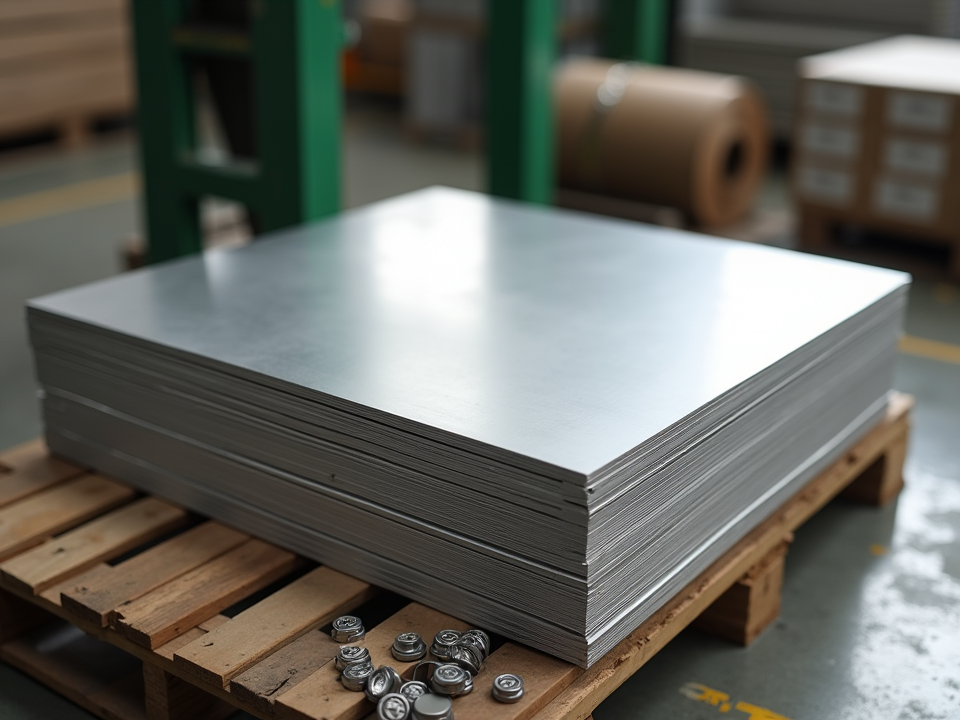
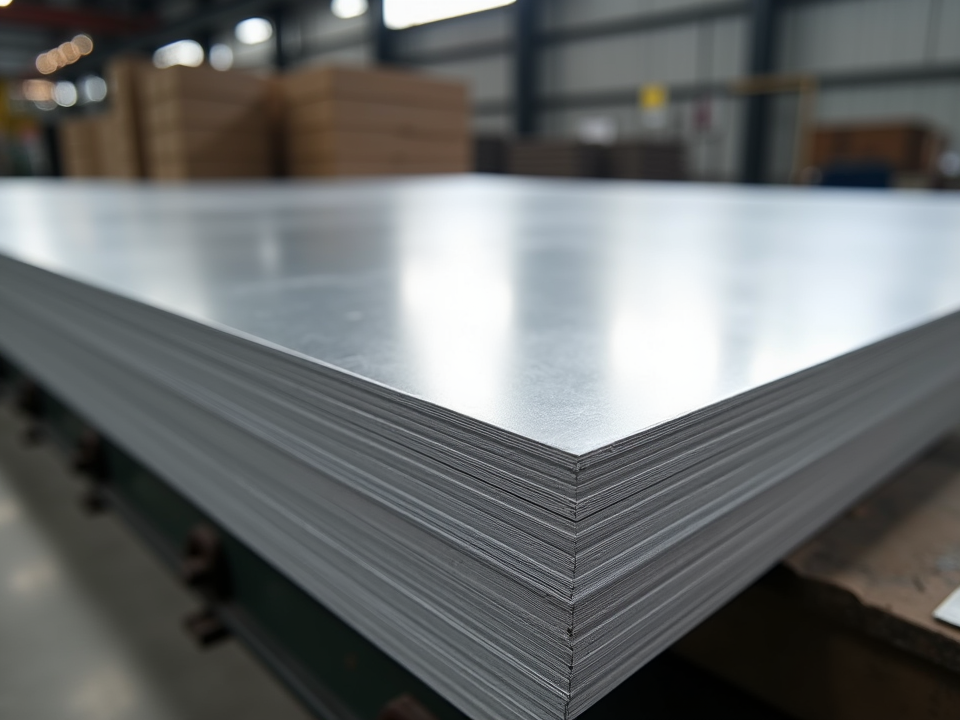
Bronze brushed aluminum plate is supplied as sheet, plate, coil, cut blank, or fabricated panel. Exact dimensional tolerances depend on alloy, thickness, width, flatness requirement, and the implementation standard selected for the order.
| Parameter | Common Range or Option | Notes |
|---|---|---|
| Thickness | 0.30-6.00 mm | Decorative sheets are often 0.5-3.0 mm |
| Width | 600-1,600 mm | Custom slit widths may be available |
| Length | 1,000-6,000 mm | Cut-to-length service supports project panels |
| Surface | Hairline, satin brush, long grain, short grain | Grain direction must be specified |
| Bronze color | Light bronze, antique bronze, dark bronze, champagne bronze | Approved color sample recommended |
| Anodic film thickness | 5-25 μm | Higher thickness improves wear resistance |
| Coating thickness | 20-40 μm, typical | Depends on paint system and application |
| Protective film | PE, PVC, laser film | Remove promptly after installation |
| Density | Approximately 2.70 g/cm³ | Varies slightly by alloy |
| Electrical conductivity | Moderate to high | Lower than pure aluminum for alloyed grades |
Standards and Inspection Requirements
Material can be manufactured and inspected in accordance with widely recognized aluminum sheet standards. The selected standard should match the project market, application, and contractual requirements.
| Standard | Scope |
|---|---|
| ASTM B209 | Aluminum and aluminum-alloy sheet and plate requirements |
| EN 485 | Tolerances, mechanical properties, and technical delivery conditions for sheet and plate |
| EN 573 | Chemical composition and alloy designation |
| GB/T 3880 | Wrought aluminum and aluminum-alloy sheets, strips, and plates |
| ISO 7599 | Anodizing of aluminum and its alloys |
| AAMA 2604 / AAMA 2605 | Performance criteria for organic coatings on architectural aluminum |
Typical quality checks include thickness measurement, panel flatness, grain uniformity, color consistency, adhesion, coating thickness, scratch inspection, and protective-film condition. For visible architectural surfaces, color should be assessed under agreed lighting conditions and compared with an approved control sample.
Fabrication and Care
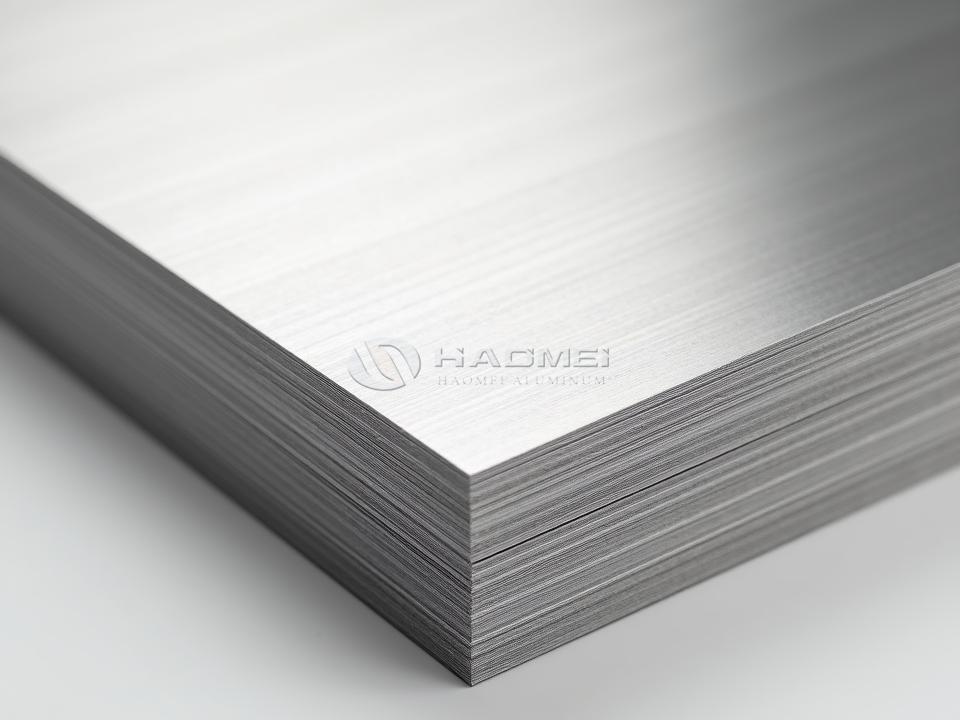
Use clean, non-contaminating tools when cutting or bending bronze brushed aluminum plate. Keep brush direction consistent across adjacent pieces, protect finished faces during transport, and avoid abrasive cleaners. Neutral detergent, clean water, and a soft microfiber cloth are generally suitable for routine maintenance.
For outdoor projects, specify a finish engineered for UV exposure and confirm coating performance, edge sealing, drainage design, and compatibility with fasteners. Proper material selection turns bronze brushed aluminum plate into a durable, visually consistent surface for architectural, commercial, and industrial fabrication.