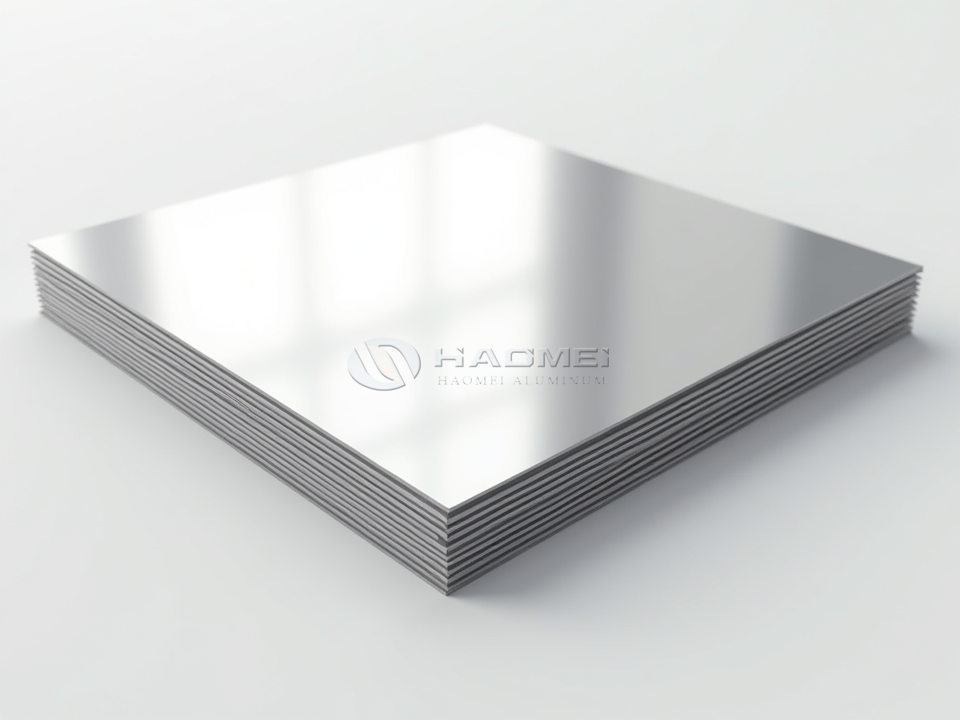
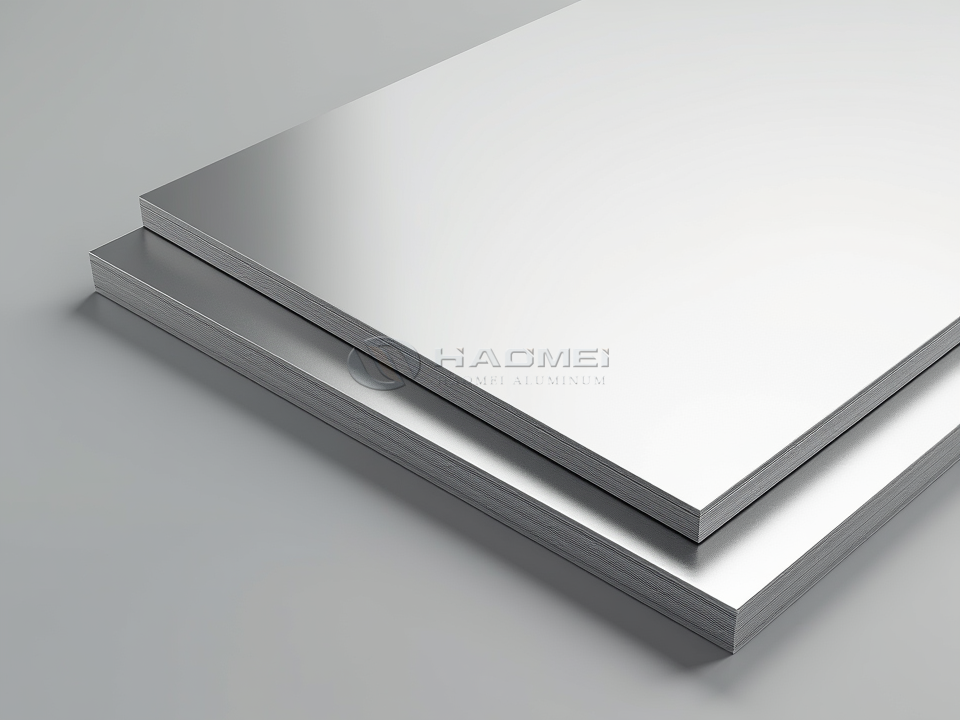
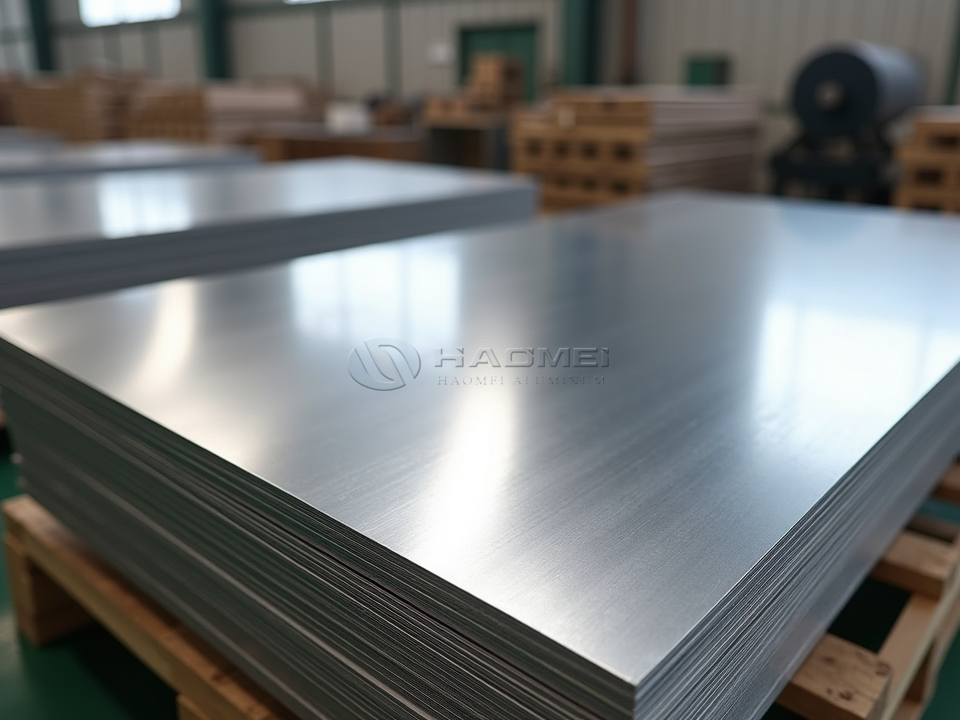
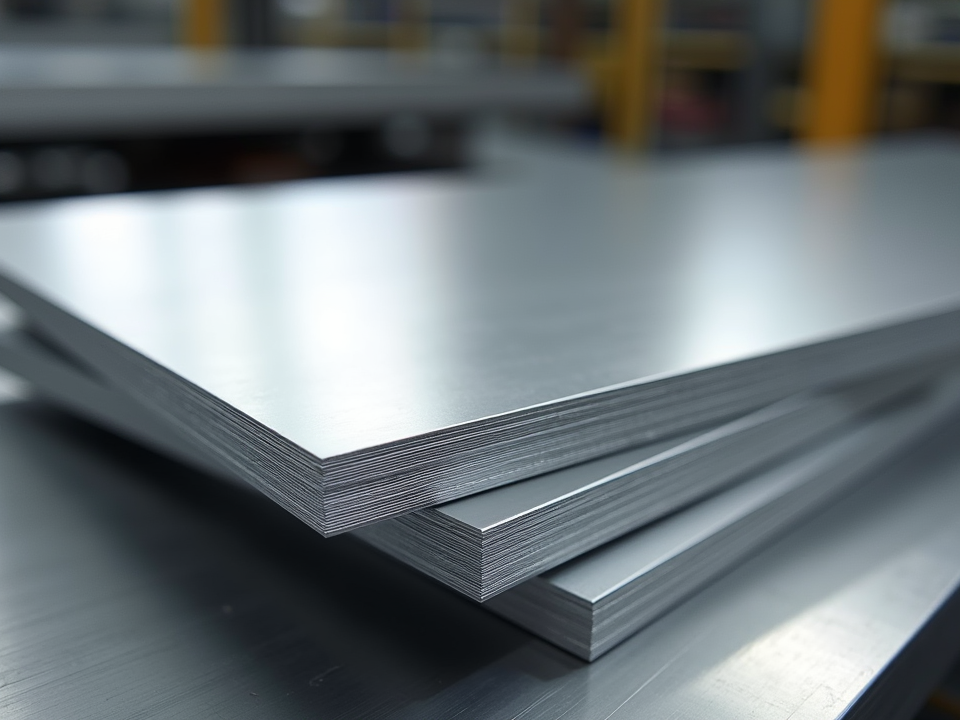
Reflective Louver Mirror Aluminum
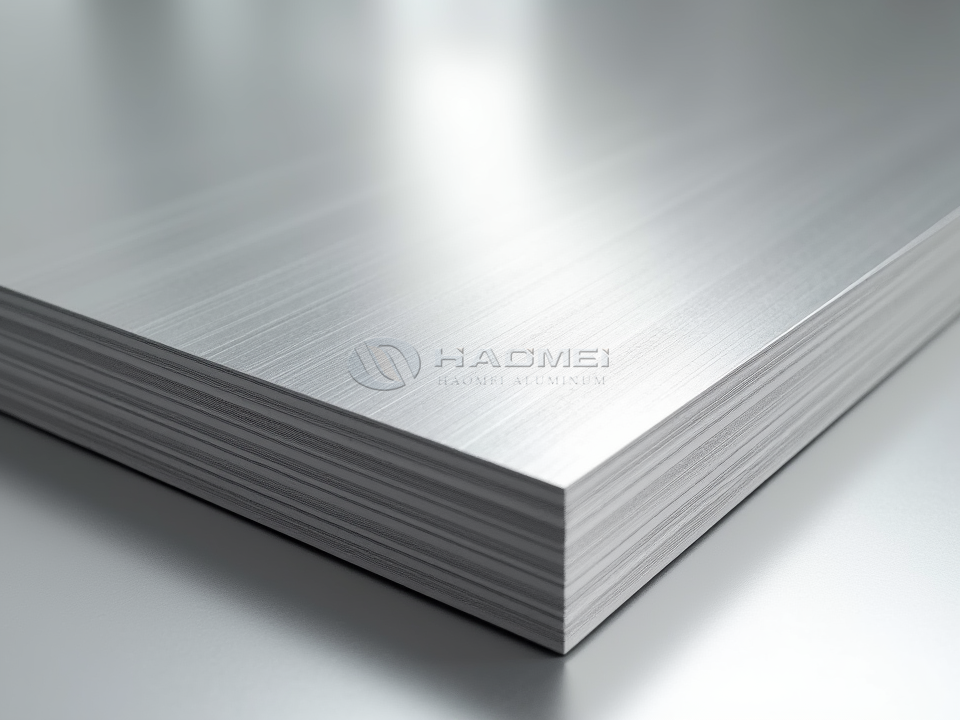
Reflective louver mirror aluminum is a bright-finished aluminum sheet engineered to direct, spread, or control light inside luminaires and architectural louver systems. Its highly polished surface reflects visible light efficiently, helping lighting equipment achieve greater output with reduced energy loss. Compared with painted steel or ordinary aluminum sheet, mirror-finish aluminum provides a lighter structure, better corrosion resistance, and a clean metallic appearance.
This material is widely used in LED lighting, fluorescent fixtures, grille louvers, daylight reflectors, ventilation panels, decorative ceilings, solar-related equipment, and interior architectural trim. A properly selected alloy, temper, thickness, and surface treatment allow the sheet to maintain brightness while supporting stamping, bending, perforating, and roll forming.
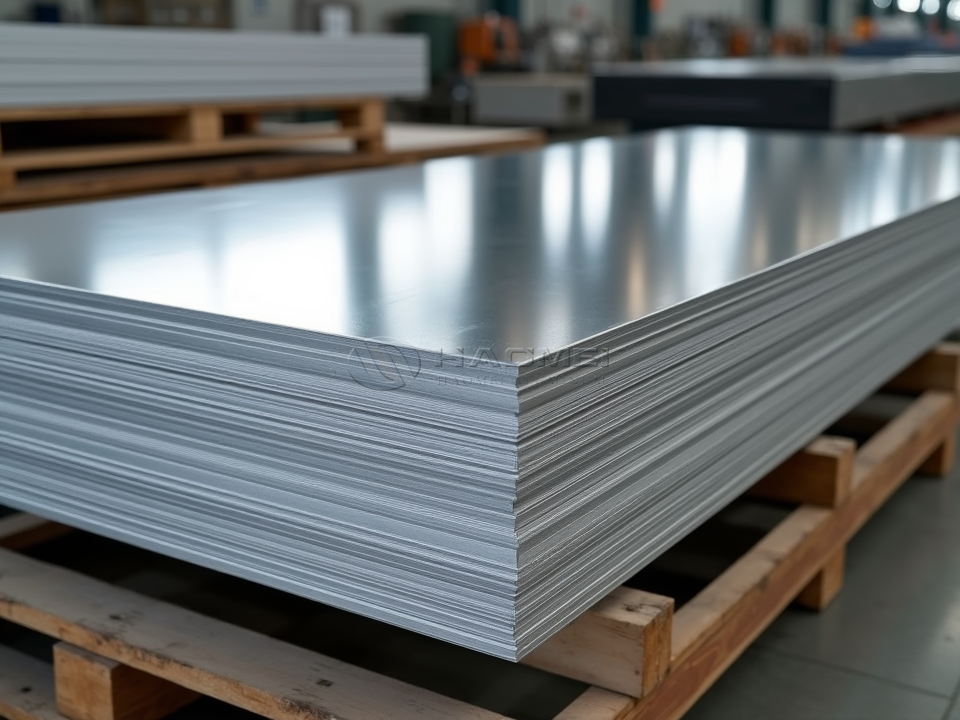
How Reflective Louver Mirror Aluminum Works
A louver controls the angle and distribution of light. When mirror aluminum is shaped into parabolic, V-shaped, cell-grid, or blade-style louvers, its reflective surface redirects rays toward the working area instead of absorbing them inside the fixture. This improves luminaire efficiency and can reduce glare when the geometry is designed correctly.
Mirror aluminum commonly receives a mechanically polished, chemically brightened, anodized, or coated surface. For indoor lighting reflectors, high-purity 1xxx-series aluminum is frequently selected because of its strong optical response and excellent workability. Anodized products add a transparent oxide layer that helps protect the bright surface from fingerprints, oxidation, and routine cleaning damage.
For projects requiring stable visual quality and dependable processing, Mirror Aluminum Sheet can be supplied in coils or cut sheets for continuous production of lighting louvers and reflector components.
| Performance Function | Practical Benefit in Louver Systems |
|---|---|
| High visible-light reflectance | Sends more light from the source into the required area |
| Low material weight | Reduces fixture weight and eases ceiling installation |
| Excellent formability | Supports stamping, bending, embossing, and roll forming |
| Natural corrosion resistance | Helps preserve appearance in normal indoor or dry industrial environments |
| Smooth mirror surface | Produces a clean, premium visual effect |
| Recyclability | Supports material recovery at the end of product life |
Common Applications
Reflective louver mirror aluminum performs best where optical efficiency and a refined finish are both required. In commercial lighting, it is formed into reflector cups, grille cells, linear-light baffles, recessed ceiling louvers, and LED fixture panels. The reflective face can improve light utilization while shielding the direct view of bright lamps or LED arrays.
In architectural settings, silver, gold, black, or colored mirror aluminum may be used for ceiling grids, decorative wall details, elevator interiors, retail displays, signage, and ventilation covers. For daylight management, polished aluminum components can redirect natural light deeper into rooms, atriums, corridors, and covered outdoor spaces.
| Application Area | Typical Form | Recommended Material Characteristics |
|---|---|---|
| LED and fluorescent luminaires | Parabolic reflector, grille louver, baffle | High reflectance, flatness, scratch-resistant film |
| Commercial ceiling lighting | Cell louver, linear blade | Good forming behavior, uniform brightness |
| Daylighting systems | Reflector panel, sun-control louver | Stable surface, corrosion resistance |
| HVAC and ventilation trim | Perforated cover, decorative blade | Formability, cleanable finish |
| Interior decoration | Wall panel, ceiling panel, display trim | Color consistency, cosmetic surface quality |
| Retail and exhibition fixtures | Reflective backing, signage panel | Bright appearance, easy fabrication |
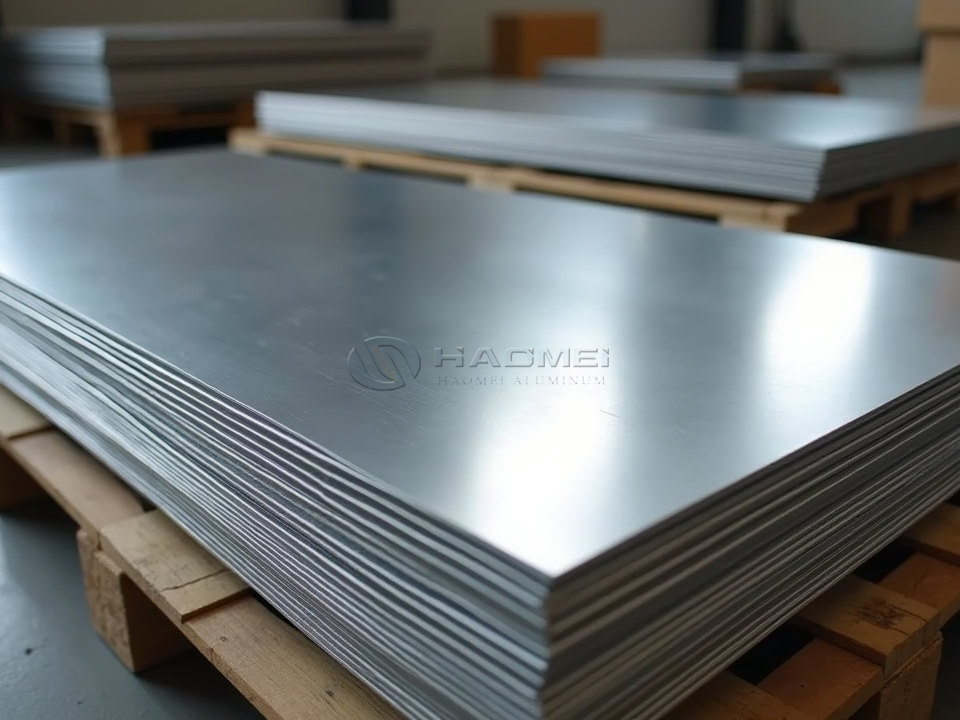
Alloys, Tempers, and Chemical Composition
The 1060, 1070, and 1085 aluminum grades are common choices for reflective louver production. Their high aluminum content supports bright polishing and anodizing. 3003 alloy may be considered when somewhat higher strength is needed, although optical brightness can differ from high-purity grades.
| Alloy | Aluminum Content | Typical Temper Options | Material Character |
|---|---|---|---|
| 1060 | Minimum 99.60% | O, H14, H16, H18, H24 | Reliable reflectance, economical, easy to form |
| 1070 | Minimum 99.70% | O, H14, H16, H18 | Higher purity and bright finishing potential |
| 1085 | Minimum 99.85% | O, H14, H16, H18 | Preferred for demanding optical reflector surfaces |
| 3003 | Balance aluminum | H14, H16, H24 | Improved strength for formed panels and housings |
| Chemical Composition, % by Weight | 1060 | 1070 | 1085 | 3003 |
|---|---|---|---|---|
| Al | 99.60 min | 99.70 min | 99.85 min | Balance |
| Si + Fe | 0.35 max | 0.20 max | 0.12 max | 0.70 max |
| Cu | 0.05 max | 0.04 max | 0.03 max | 0.05 to 0.20 |
| Mn | 0.03 max | 0.03 max | 0.02 max | 1.0 to 1.5 |
| Mg | 0.03 max | 0.03 max | 0.02 max | 0.05 max |
| Zn | 0.05 max | 0.04 max | 0.03 max | 0.10 max |
| Ti | 0.03 max | 0.03 max | 0.02 max | 0.10 max |
Temper selection should match the fabrication route. O temper is soft and suited to deep drawing or demanding curves. H14 offers a useful balance of rigidity and bendability for standard louver blades. H18 has a harder surface and greater stiffness, but tighter bends require careful tooling and adequate bend radius to avoid cracking.
Technical Specifications and Surface Options
Reflective louver aluminum is usually supplied with protective film to reduce scratches during transport, cutting, stamping, and assembly. Film should remain in place through fabrication whenever practical, then be removed after final installation. Clean gloves and non-abrasive handling equipment are important because mirror finishes reveal fingerprints and surface marks easily.
| Parameter | Typical Supply Range | Notes |
|---|---|---|
| Thickness | 0.20 to 1.50 mm | 0.30 to 0.80 mm is common for lighting louvers |
| Width | 300 to 1,600 mm | Slitting is available for narrow blade production |
| Length | 500 to 6,000 mm | Custom cut lengths can reduce fabrication waste |
| Coil inner diameter | 405 mm or 505 mm | Depends on processing equipment |
| Surface reflectance | Approximately 80% to 95% | Depends on polishing, anodizing, coating, and test method |
| Surface finish | Bright mirror, anodized mirror, colored mirror | Silver is common for optical reflector use |
| Protective film | PE or laser film | Select adhesion level according to fabrication process |
| Flatness | Controlled by thickness and width | Important for stamped reflector panels |
Standards, Inspection, and Processing Guidance
Material can be produced in accordance with widely used aluminum sheet standards such as ASTM B209, EN 485, EN 573, and GB/T 3880, subject to the purchase specification. Optical requirements should be agreed separately because reflectance varies with surface finish, color, viewing angle, and measurement equipment.
| Control Item | Common Requirement |
|---|---|
| Alloy and temper verification | Mill certificate with heat and batch traceability |
| Dimensional tolerance | Agreed according to applicable sheet or coil standard |
| Surface inspection | No severe scratches, roll marks, pits, stains, or coating defects on the visible face |
| Reflectance testing | Measurement method and acceptance value agreed before production |
| Protective film quality | Smooth application without bubbles, lifting, or residue after removal |
| Packaging | Moisture-resistant wrapping, edge protection, secure pallet or coil support |
During fabrication, use polished dies, clean rollers, and controlled contact pressure. Avoid stacking finished parts face-to-face without protective interleaving. For anodized mirror aluminum, avoid aggressive alkaline cleaners, abrasive pads, and prolonged contact with wet cement or chloride-rich materials. Mild detergent, clean water, and a soft microfiber cloth are generally suitable for routine maintenance.
Reflective louver mirror aluminum combines efficient light control with lightweight durability and an attractive finish. With the correct alloy purity, temper, reflectance level, and protective treatment, it becomes a dependable material for modern lighting systems and visually refined architectural components.