Bathroom Ceiling Mirror Aluminum Sheet
A bathroom ceiling is often treated as a blank surface, yet it has a powerful effect on how large, clean, and bright the room feels. Bathroom ceiling mirror aluminum sheet changes that role. Instead of merely covering concrete or framing, the ceiling softly reflects light, tile patterns, and open space. In compact bathrooms, this visual lift can make the room feel less enclosed without adding physical area.
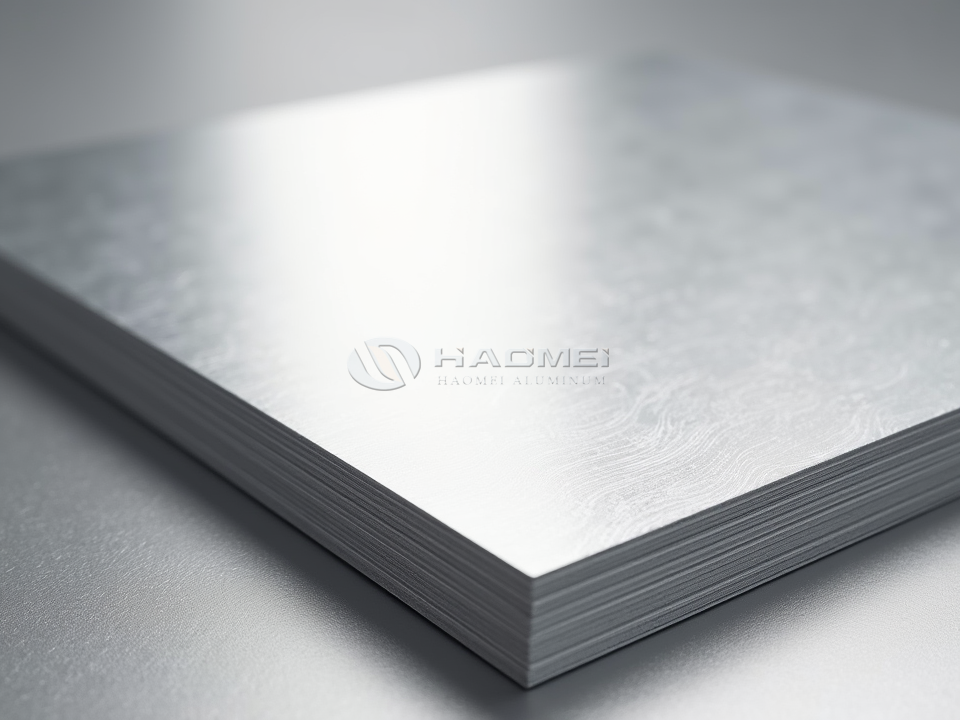
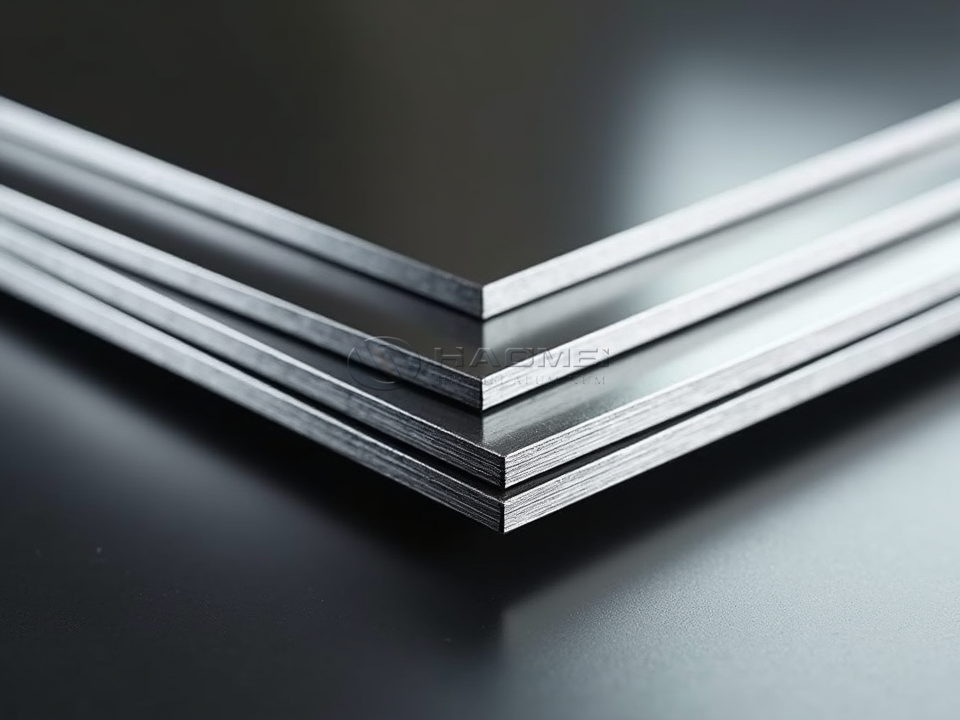
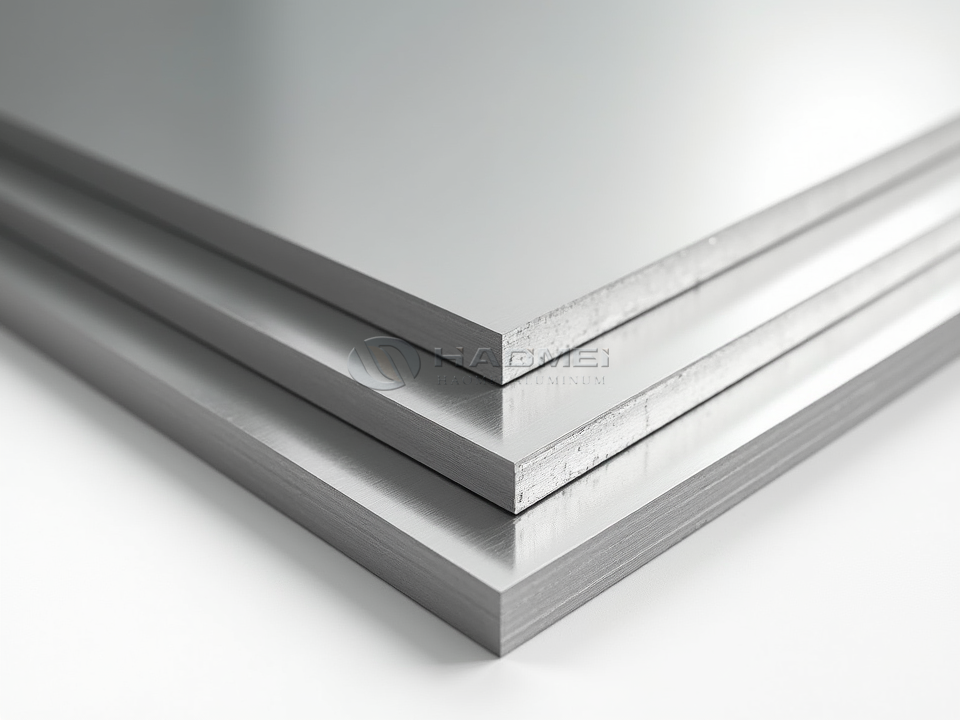
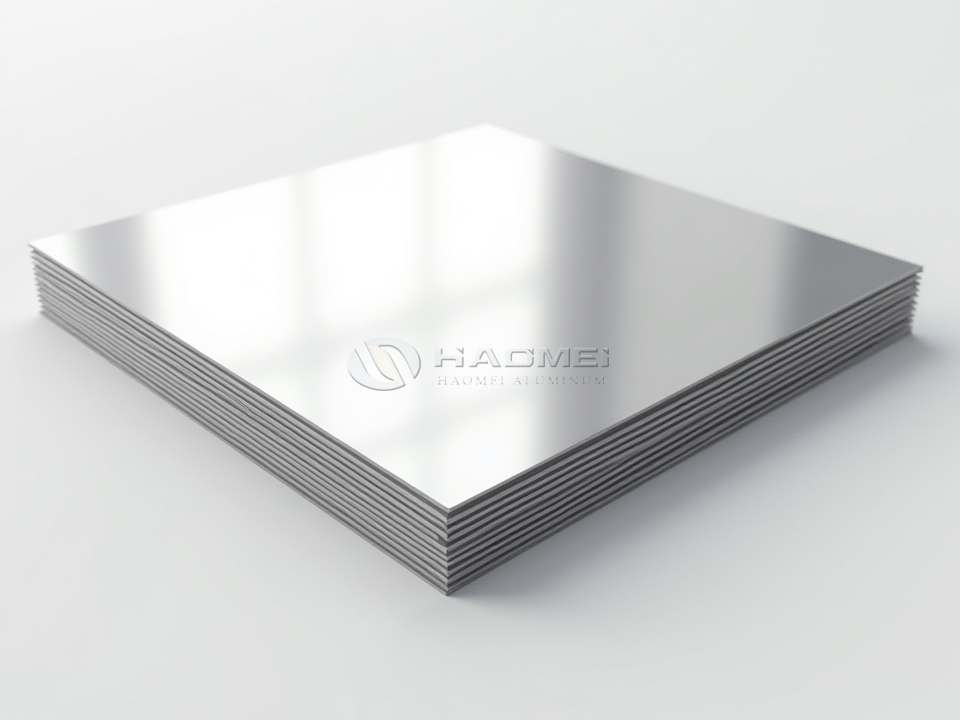
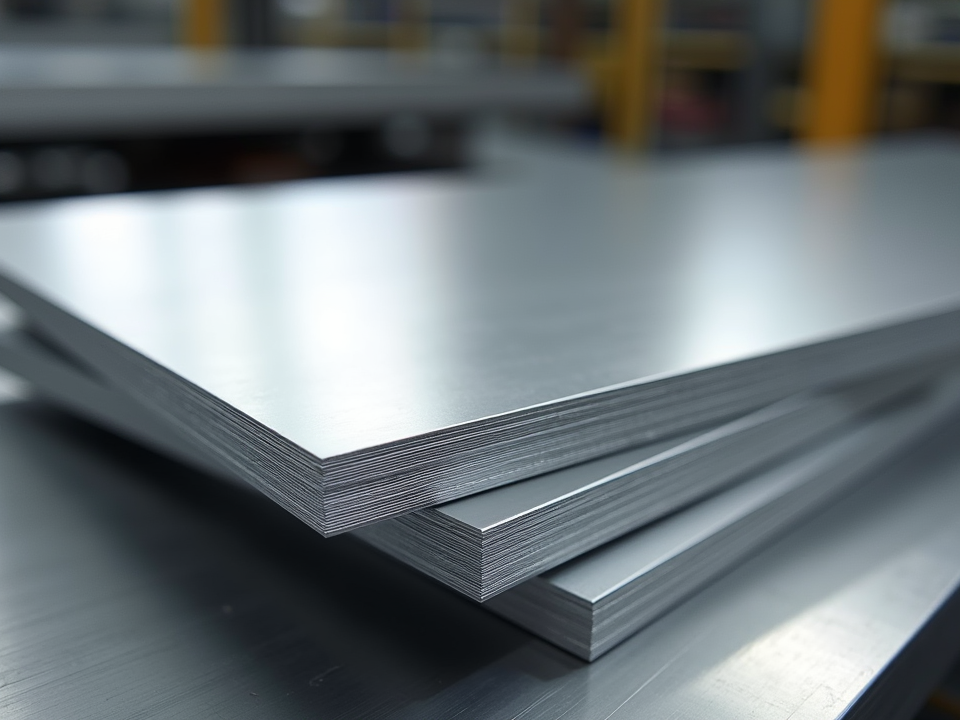
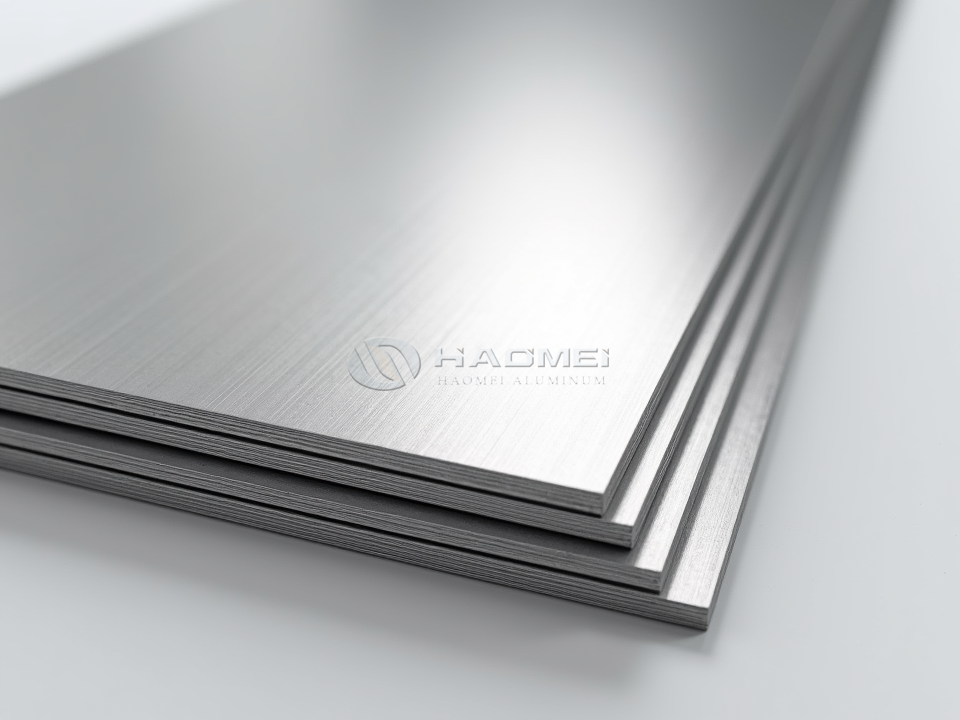
Mirror aluminum is not the same as glass mirror. It is a lightweight aluminum sheet processed to create a highly reflective surface, usually protected by a clear coating, anodized film, or colored finish. For ceilings, this material offers a practical balance: low structural load, easy fabrication, good moisture resistance, and a modern metallic appearance.
Why Mirror Aluminum Works in Bathrooms
Bathrooms create a demanding indoor environment. Steam, condensation, aerosol cleaners, and frequent temperature changes can damage ordinary decorative panels. A well-finished mirror aluminum sheet performs well because aluminum naturally forms a thin oxide layer that slows corrosion. When paired with a protective surface treatment and properly sealed edges, it remains suitable for ceiling systems in humid spaces.
Its greatest design value is indirect brightness. Ceiling-mounted mirror aluminum reflects downlights and daylight rather than acting as a face-level mirror. The reflection is generally softer than architectural glass, especially when viewed across a broad ceiling plane. This gives designers a chance to amplify illumination while reducing the need for excessive light fittings.
For silver-toned ceilings, a high-quality Mirror Aluminum Sheet can create a clean, spacious effect. Gold, champagne, black, and bronze finishes are also popular in hotel bathrooms, retail washrooms, and contemporary residential interiors where the ceiling is intended to become a decorative surface.
Alloy Selection for Ceiling Panels
The alloy determines how easily the sheet can be leveled, bent, punched, and installed. For bathroom ceiling applications, 1xxx-series aluminum is widely used because it delivers excellent reflectivity, corrosion resistance, and forming performance. Alloy 3003 is often selected when somewhat greater strength is desired.
| Alloy | Main Character | Suitable Bathroom Ceiling Use |
|---|---|---|
| 1060 | High aluminum purity, bright surface response, excellent formability | Standard mirror ceiling panels, trims, and lightweight decorative strips |
| 1070 | Higher purity and strong reflective potential | Premium reflective panels where brightness is the priority |
| 1085 | Very high purity with refined reflective performance | High-grade polished and anodized mirror finishes |
| 3003 | Manganese-containing alloy with higher strength | Wider panels, cassette-style ceilings, and areas requiring better rigidity |
For most suspended bathroom ceilings, 1060 in H14 or H16 temper is a sensible choice. It has enough stiffness for handling while remaining easy to cut, roll-form, or press into panel profiles. A 1060 Mirror Aluminum Sheet is especially suitable where strong brightness and economical fabrication are both important.
Chemical Composition Requirements
Chemical composition affects corrosion behavior, polish quality, and consistency during anodizing. The values in the table are representative mass percentages for commonly specified aluminum alloys. Final purchasing requirements should be confirmed through the mill test certificate and the applicable standard.
| Alloy | Al | Si | Fe | Cu | Mn | Mg | Zn | Ti | Other Elements |
|---|---|---|---|---|---|---|---|---|---|
| 1060 | ≥99.60 | ≤0.25 | ≤0.35 | ≤0.05 | ≤0.03 | ≤0.03 | ≤0.05 | ≤0.03 | ≤0.03 each, ≤0.03 total |
| 1070 | ≥99.70 | ≤0.20 | ≤0.25 | ≤0.04 | ≤0.03 | ≤0.03 | ≤0.04 | ≤0.03 | ≤0.03 each, ≤0.03 total |
| 1085 | ≥99.85 | ≤0.12 | ≤0.12 | ≤0.03 | ≤0.02 | ≤0.02 | ≤0.03 | ≤0.02 | Controlled by applicable specification |
| 3003 | Balance | ≤0.60 | ≤0.70 | 0.05-0.20 | 1.00-1.50 | - | ≤0.10 | - | ≤0.05 each, ≤0.15 total |
Higher aluminum purity normally supports a cleaner reflective finish. However, a polished surface also depends on rolling quality, surface cleanliness, coating uniformity, and the handling process after production.
Temper, Thickness, and Practical Parameters
Temper describes the hardness condition of aluminum after rolling and processing. The right temper prevents problems such as waviness, denting, or cracking around punched edges.
| Parameter | Common Range for Bathroom Ceiling Mirror Aluminum Sheet |
|---|---|
| Thickness | 0.20 mm to 0.80 mm |
| Frequently selected thickness | 0.30 mm to 0.50 mm |
| Width | 300 mm to 1,250 mm, custom slit widths available |
| Length | Cut-to-length panels or coil supply |
| Temper | O, H14, H16, H18, H24 |
| Surface options | Polished, lacquered mirror, anodized mirror, colored mirror |
| Reflectivity | Commonly 80% to 95%, depending on finish system |
| Protective film | PE film, usually 50 to 100 microns, removed after installation |
O temper is soft and useful for deep forming, but it can dent more easily during transport and installation. H14 is commonly preferred for ordinary ceiling panels because it balances flatness and workability. H16 or H18 can provide greater stiffness for narrow strips, though tighter bends require more care. For embossed, perforated, or highly profiled ceilings, the fabricator should test the selected temper with the intended tooling.
Standards and Quality Conditions
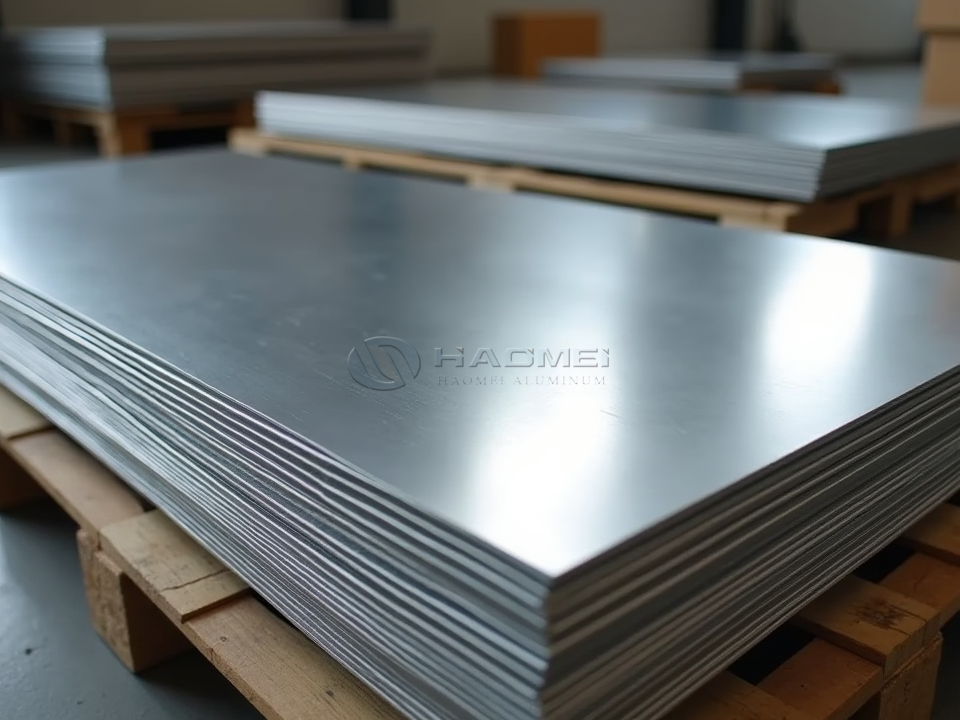
Bathroom ceiling aluminum sheets may be produced and inspected according to recognized material standards such as ASTM B209, EN 485, GB/T 3880, and JIS H4000. These standards cover matters such as alloy designation, thickness tolerance, dimensional tolerance, mechanical properties, and delivery condition.
For decorative mirror material, the order specification should also state surface expectations. These may include reflection quality, coating type, color tolerance, protective-film adhesion, coil edge condition, and permitted defects. Fine scratches, roller marks, oil stains, pinholes, and uneven gloss become more visible on reflective finishes than on matte aluminum. A visual inspection under controlled lighting is therefore valuable before large-scale installation.
In wet rooms, anodized or coated mirror sheets are preferable to bare polished aluminum. Anodizing builds a hard oxide film on the surface, while clear lacquer helps preserve brightness and reduces staining from humidity. Edges, cut-outs, and holes deserve attention because exposed areas are more vulnerable to trapped moisture and alkaline residue from cement-based materials.
Installation Details That Protect the Finish
Mirror aluminum should be installed after heavy wet trades are complete whenever possible. Cement dust, acidic cleaners, and uncontrolled drilling can mark the surface or undermine the coating near edges. The protective film should remain in place during fabrication and panel fitting, then be removed carefully after the ceiling is secure.
Use compatible aluminum, stainless steel, or suitably protected fasteners. Avoid prolonged direct contact with copper, unprotected carbon steel, or wet timber, as these conditions can encourage staining or galvanic corrosion. Allow ventilation above suspended panels, particularly in bathrooms with poor exhaust performance. A small gap for air movement can reduce persistent condensation on the back of the sheet.
Cleaning is simple: use a soft microfiber cloth, clean water, and a mild neutral detergent. Abrasive pads, chlorine-rich products, and strong alkaline cleaners can dull the reflective finish. The goal is not aggressive polishing; it is preserving the factory surface.
A Ceiling Material That Does More Than Cover Space
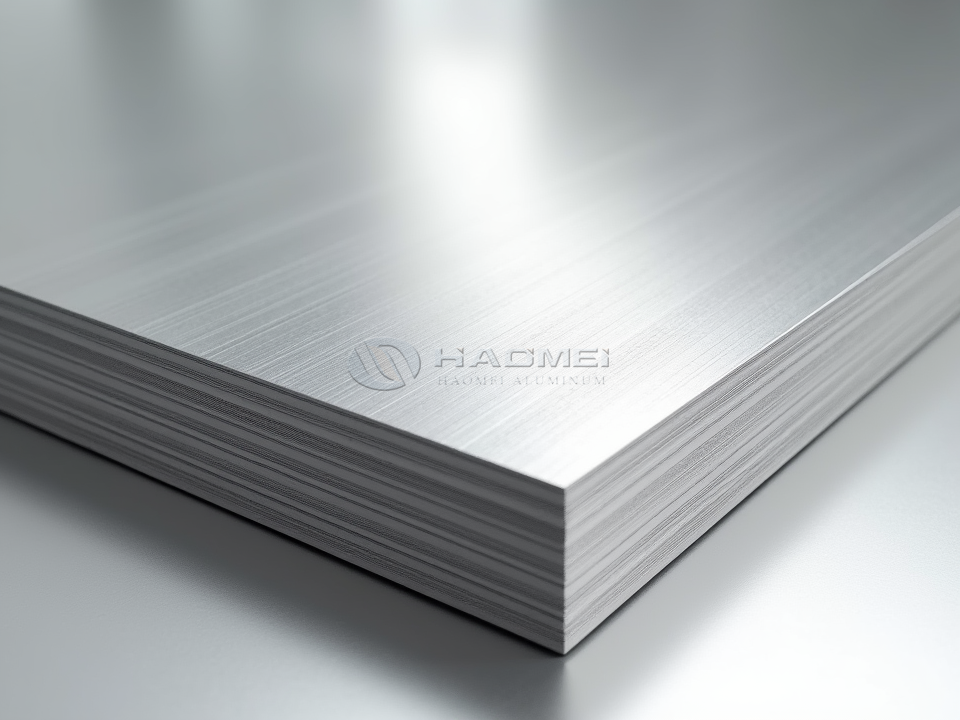
Bathroom ceiling mirror aluminum sheet is most successful when treated as both a building material and a lighting surface. The right alloy, temper, thickness, protective treatment, and installation practice allow it to resist bathroom moisture while bringing depth and brightness to the room. For projects seeking a lighter alternative to glass, a reflective ceiling panel can turn an often-forgotten plane into one of the most expressive parts of the interior.