Roller Coated Aluminum Plate Factory
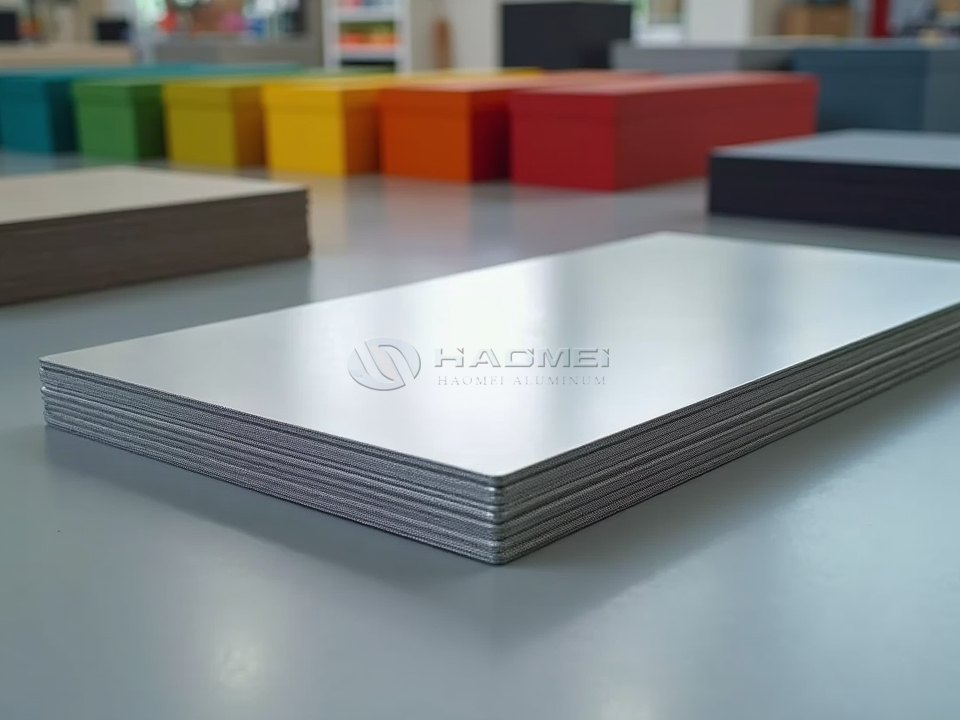
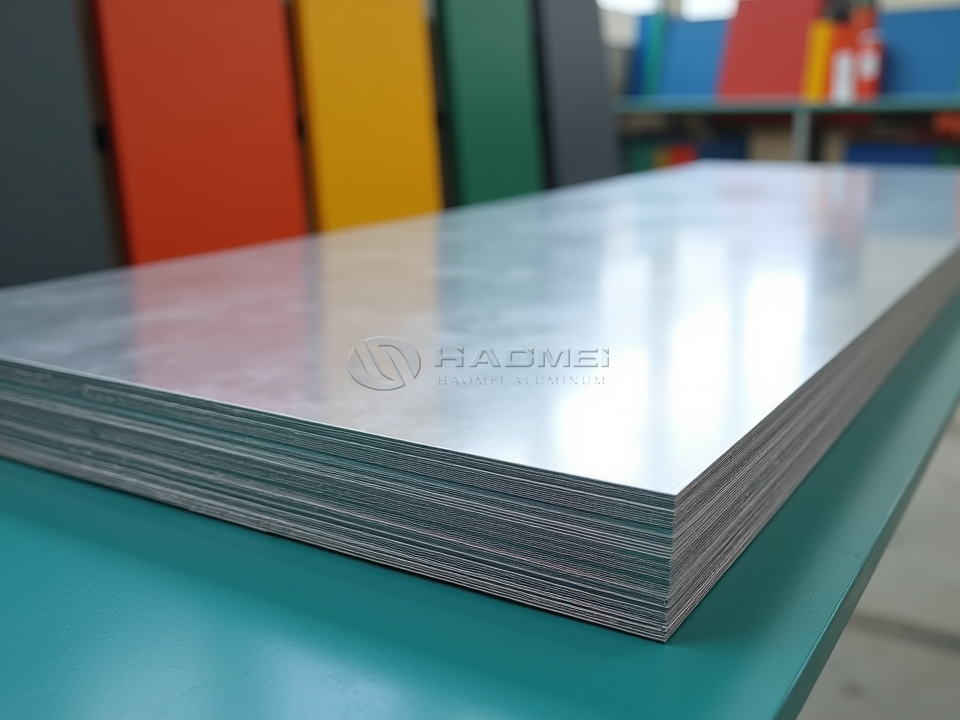
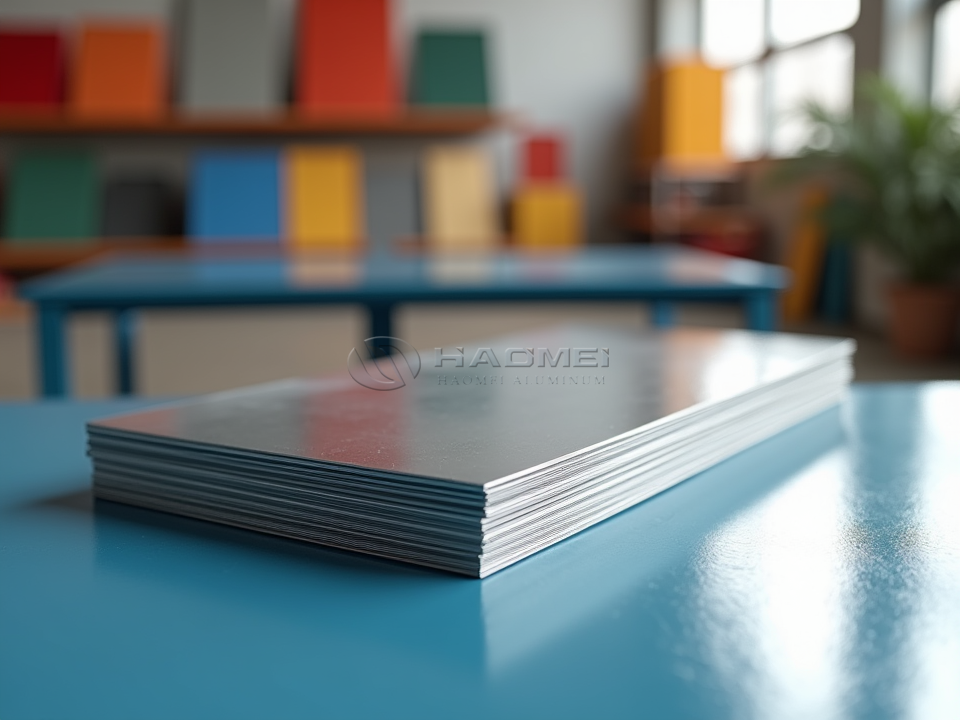
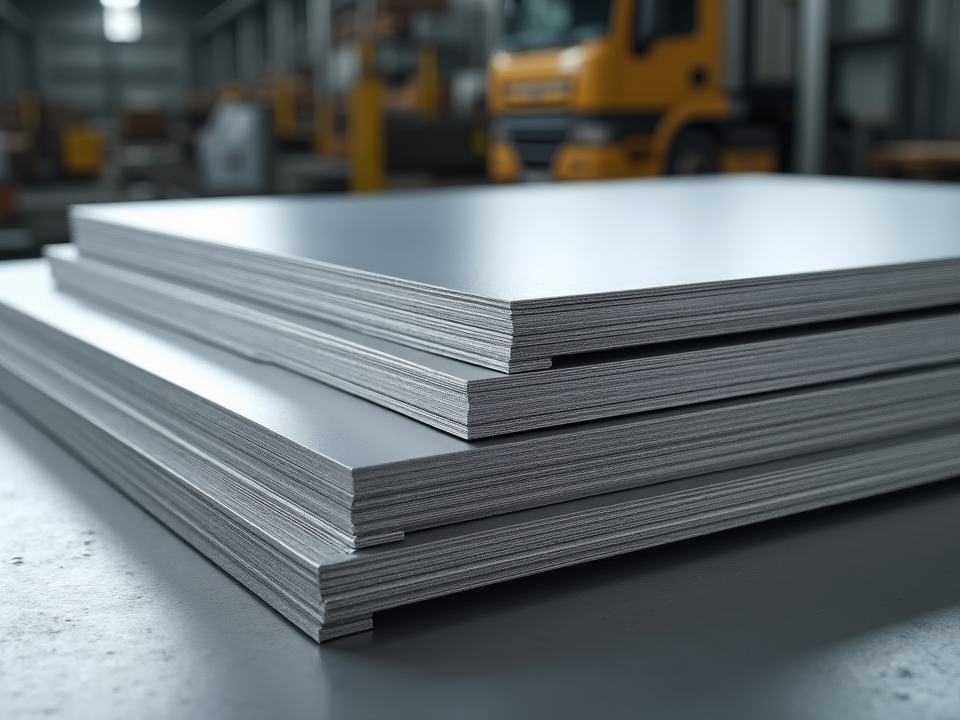
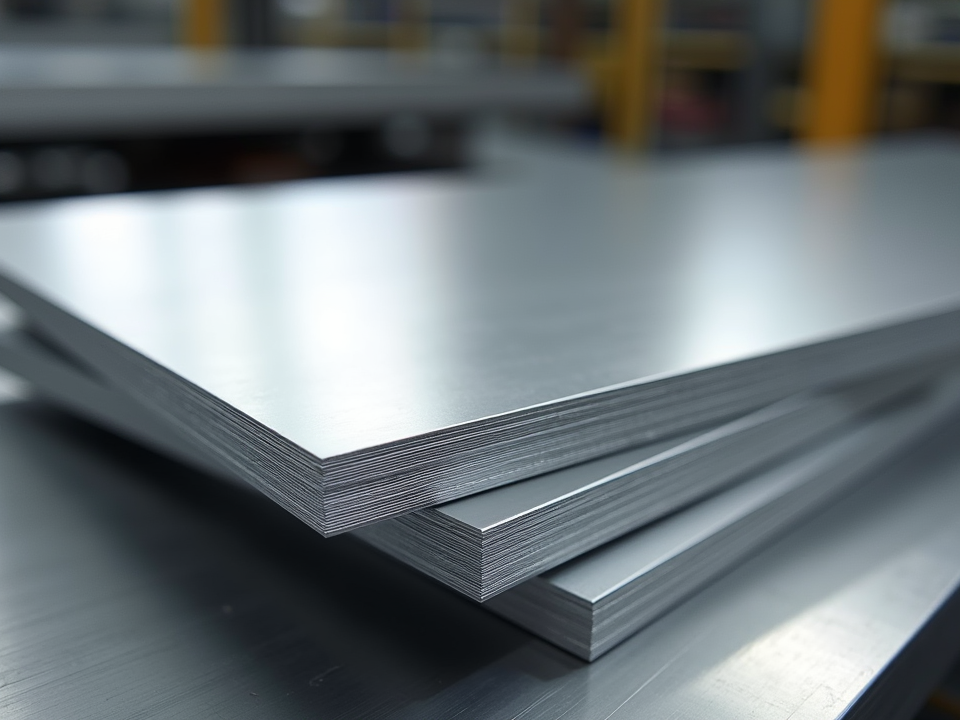
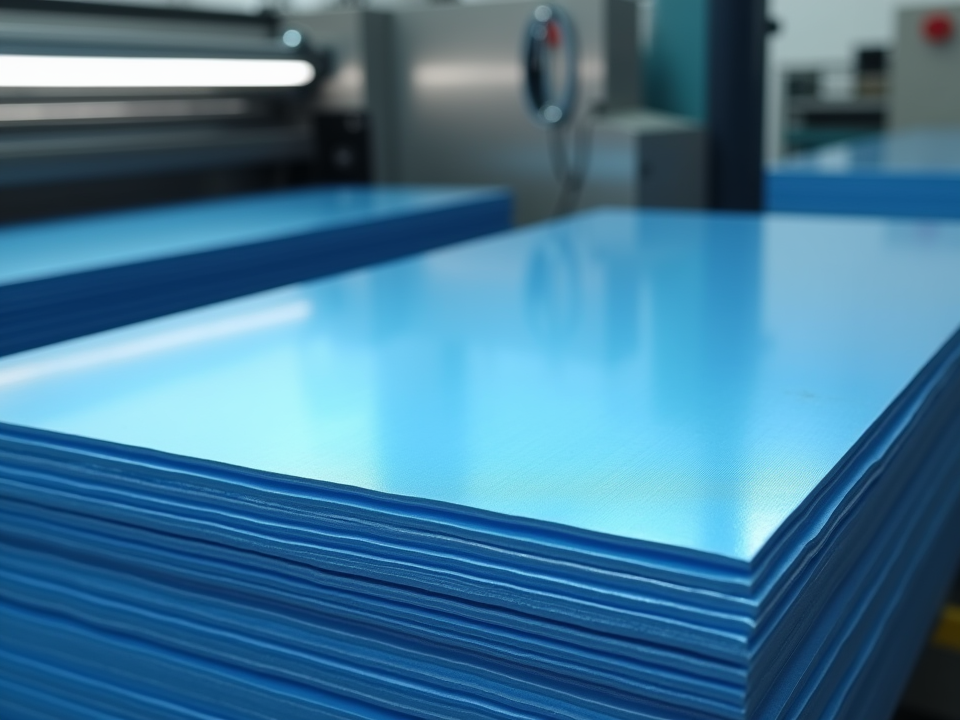
Haomei Aluminum CO., LTD., Inc. supplies roller coated aluminum plate engineered for architectural panels, roofing, transportation, appliance skins, insulation cladding, and decorative fabrication. Using continuous roller-coating technology, the aluminum surface receives a controlled paint film with stable color, smooth appearance, strong adhesion, and dependable resistance to outdoor exposure.
Roller coated aluminum plate combines the low weight and corrosion resistance of aluminum with a pre-applied finish that reduces downstream painting work. Compared with post-painted metal panels, factory-coated material offers more consistent film thickness, better batch-to-batch color control, and cleaner fabrication conditions.
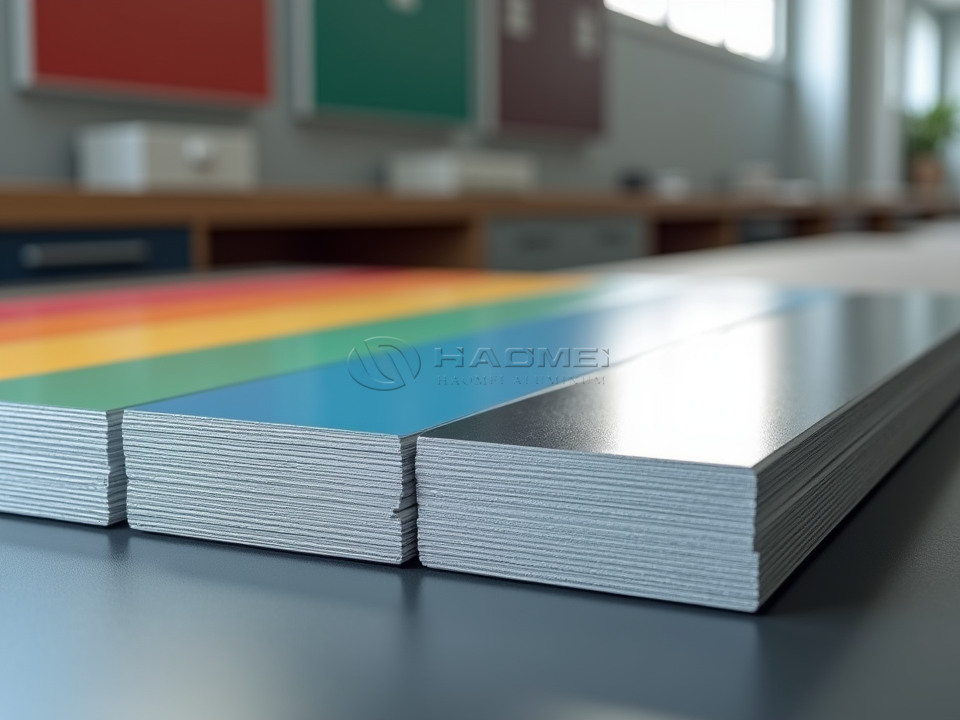
How Roller Coating Creates a Stable Surface
The production line begins with aluminum coil or sheet selected according to alloy, temper, thickness, and final forming demand. The metal is degreased and chemically pretreated to improve corrosion resistance and paint bonding. A primer is then applied by precision rollers, followed by a topcoat and, when required, a protective back coat. Each layer is oven-cured before the finished plate is recoiled or cut to length.
This continuous process distributes coating evenly across wide surfaces. The resulting material is suitable for bending, roll forming, stamping, cutting, and panel fabrication when the coating system is matched to the intended process.
| Production Stage | Function | Customer Benefit |
|---|---|---|
| Surface cleaning | Removes rolling oil and surface contaminants | Cleaner coating interface |
| Chemical pretreatment | Improves paint adhesion and substrate protection | Better durability in humid conditions |
| Primer application | Builds an anchoring and corrosion-resistant layer | Stronger coating bond |
| Roller-applied finish | Delivers color, gloss, and weather resistance | Consistent visual quality |
| Thermal curing | Fully crosslinks the coating resin | Improved hardness and chemical resistance |
| Inspection and slitting | Checks color, thickness, and surface condition | Reliable material for fabrication |
Aluminum Substrate and Chemical Composition
Alloy selection affects formability, strength, flatness, and corrosion performance. AA 3003 is widely used for general building and decorative applications, while AA 3004 and AA 3105 provide higher strength for demanding roofing and formed panel work. Exact chemistry can be supplied to applicable ASTM, EN, JIS, or customer requirements.
| Element, wt.% | AA 3003 Typical Range | AA 3004 Typical Range | AA 3105 Typical Range |
|---|---|---|---|
| Aluminum | Balance | Balance | Balance |
| Manganese, Mn | 1.0-1.5 | 1.0-1.5 | 0.3-0.8 |
| Magnesium, Mg | 0.05 max | 0.8-1.3 | 0.2-0.8 |
| Iron, Fe | 0.7 max | 0.7 max | 0.7 max |
| Silicon, Si | 0.6 max | 0.3 max | 0.6 max |
| Copper, Cu | 0.05-0.20 | 0.25 max | 0.3 max |
| Zinc, Zn | 0.10 max | 0.25 max | 0.4 max |
Technical Specifications
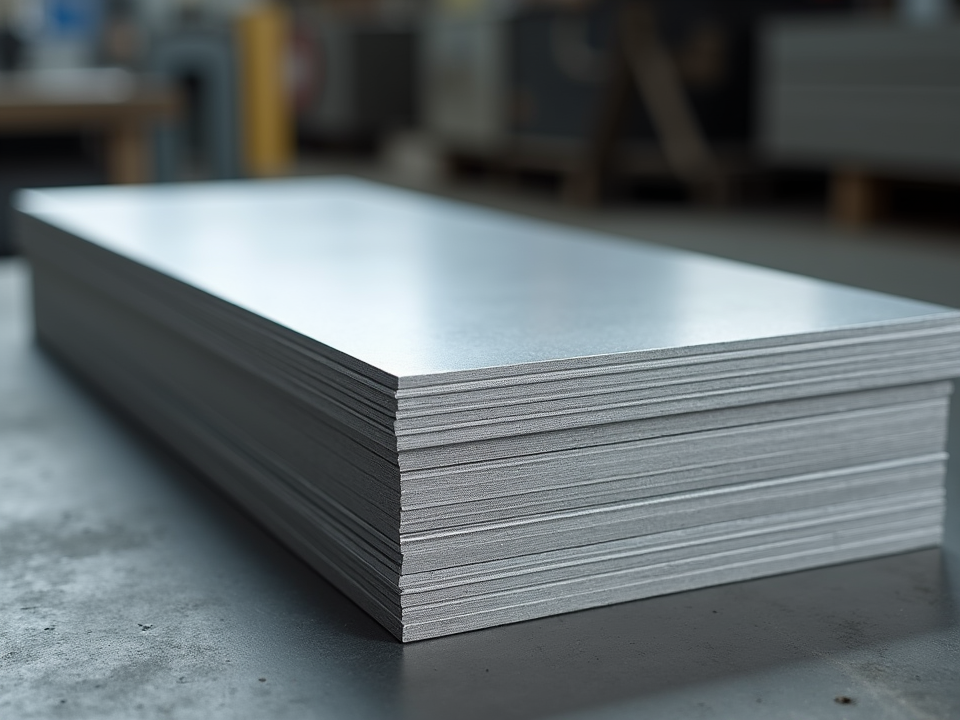
Roller coated aluminum plate can be supplied as coil, sheet, blank, or cut-to-length plate. Practical dimensions depend on alloy, coating type, packaging method, and equipment capability. Customized colors can be matched to RAL, Pantone, physical samples, or project-approved standards.
| Parameter | Standard Supply Range | Custom Options |
|---|---|---|
| Base alloy | 1050, 1060, 1100, 3003, 3004, 3105 | Alloy selection by forming and strength demand |
| Temper | H14, H16, H18, H24, H26, H44 | Customer-specified temper |
| Thickness | 0.20-3.00 mm | Heavier gauge available by consultation |
| Width | 200-1,600 mm | Slit widths and narrow strips available |
| Sheet length | 500-6,000 mm | Cut-to-length production |
| Front coating thickness | 15-35 microns | Higher-build systems for severe service |
| Back coating thickness | 5-15 microns | Wash coat, service coat, or double-sided finish |
| Surface finish | Gloss, matte, embossed, brushed, wood grain | Custom texture and print patterns |
| Protective film | Optional | Clear, blue, black-and-white, or custom film |
Coating Systems and Performance
Coating choice should reflect the installation environment, color requirement, expected service life, and fabrication route. Polyester systems provide economical protection for indoor and general outdoor use. SMP coatings offer improved color retention and durability. Fluorocarbon systems are preferred for prominent exterior facades and harsh environments where long-term appearance matters.
For projects exposed to intense sunlight, coastal humidity, industrial atmosphere, or frequent rain washing, PVDF Coated Aluminum Sheet provides advanced weatherability and fade resistance. For interior panels, signage, appliance shells, and cost-sensitive construction products, PE Color Coated Aluminum Sheet offers an attractive and efficient finishing option.
| Performance Property | Typical PE System | Typical SMP System | Typical PVDF System |
|---|---|---|---|
| Pencil hardness | 2H or above | 2H or above | HB-2H |
| Coating adhesion | 0 grade, cross-hatch test | 0 grade, cross-hatch test | 0 grade, cross-hatch test |
| T-bend performance | 1T-3T, dependent on alloy and thickness | 1T-3T | 1T-3T |
| Impact resistance | 50 kg·cm or above | 50 kg·cm or above | 50 kg·cm or above |
| Salt spray resistance | 500 hours or more | 750 hours or more | 1,000 hours or more |
| Outdoor color retention | General exterior service | Medium-to-long exterior service | Long-term architectural service |
Performance values are representative and should be confirmed against the selected paint supplier, alloy, film thickness, color, and project specification.
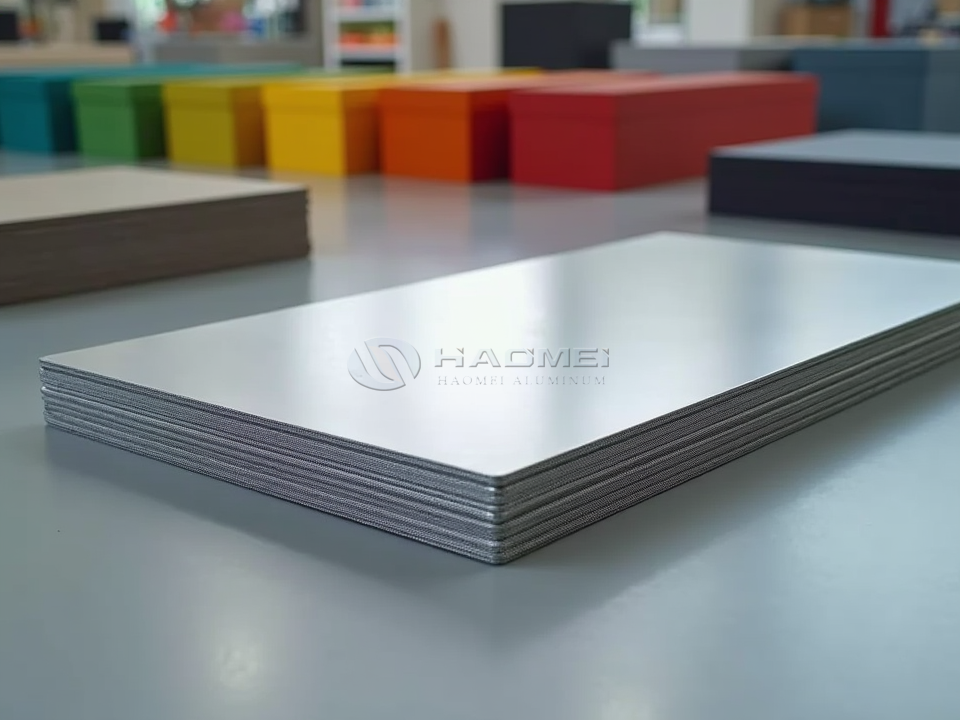
Product Advantages for Fabricators and Project Owners
Roller coated aluminum plate arrives ready for production, helping customers shorten lead times and reduce the cost of in-house wet painting. The coating is cured under controlled factory conditions, avoiding many of the appearance variations caused by manual spray application. Its low density also supports easier handling, lower structural loading, and efficient transportation compared with many steel-based alternatives.
| Advantage | Practical Value |
|---|---|
| Lightweight aluminum substrate | Easier lifting, reduced structure weight, lower freight burden |
| Uniform paint film | More stable color and gloss across panels |
| Excellent formability | Suitable for bending, profiling, folding, and cassette panels |
| Corrosion resistance | Supports long service life in humid and outdoor environments |
| Ready-to-use finish | Reduces painting labor, emissions, and processing time |
| Broad design freedom | Supports solid colors, metallic shades, marble, wood grain, and custom patterns |
| Recyclable metal base | Helps material recovery at the end of service life |
Common Applications
Roller coated aluminum plate serves both functional and decorative roles. In building envelopes, it can be formed into roofing sheets, rainwater systems, wall cladding, soffits, shutter components, ceiling panels, and insulated sandwich panels. Its stable appearance also makes it suitable for aluminum composite panel facing, signage, display systems, elevator decoration, and retail fixtures.
In industrial production, the material is used for appliance housings, refrigerator panels, ventilation equipment, electrical cabinets, lighting components, trailer skins, and protective covers. Food-service equipment, clean rooms, and transport interiors may specify smooth, washable finishes with controlled gloss and reliable adhesion.
| Application Area | Recommended Material Direction | Desired Properties |
|---|---|---|
| Roofing and gutters | 3003 or 3004 with PE, SMP, or PVDF | Formability, rain resistance, color stability |
| Exterior cladding | 3003 or 3105 with PVDF | UV resistance, long-term appearance |
| ACP facing | Flat 3003 coil with PE or PVDF | Smoothness, adhesion, color matching |
| Interior ceiling panels | 1100 or 3003 with PE | Clean finish, easy fabrication |
| Appliances and cabinets | 3003 with PE or specialty coating | Scratch resistance, decorative appeal |
| Signage and display | 1100 or 3003 with colored finish | Printability, flatness, visual impact |
Selection and Quality Control
A successful order begins with the end-use environment. Customers should identify the required alloy, thickness, panel-forming method, color standard, gloss level, coating system, film thickness, and protective-film requirement. For coastal or high-UV projects, selecting a premium pretreatment and fluorocarbon coating is often more economical over the full service life than replacing faded panels prematurely.
Haomei Aluminum CO., LTD., Inc. monitors substrate thickness, coating thickness, color difference, gloss, adhesion, bend performance, surface cleanliness, and packaging condition before shipment. Proper storage is also important: keep material dry, ventilated, protected from condensation, and away from corrosive chemicals. With correct material selection and handling, roller coated aluminum plate delivers a clean, durable, and efficient surface solution for modern fabrication.