Industrial Grade Aluminum Plate Bulk
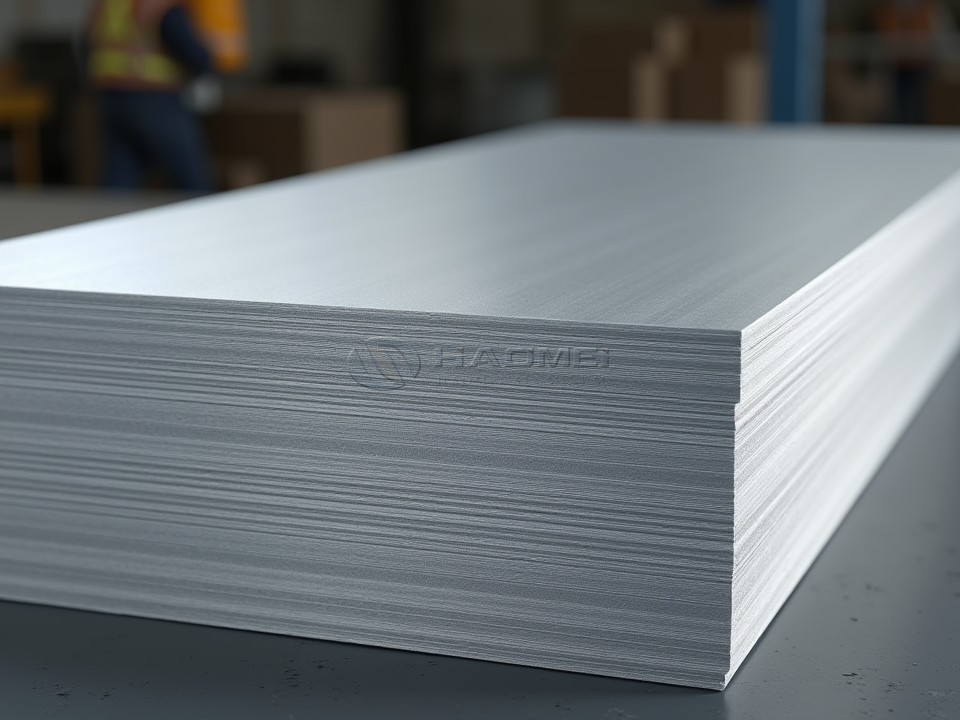
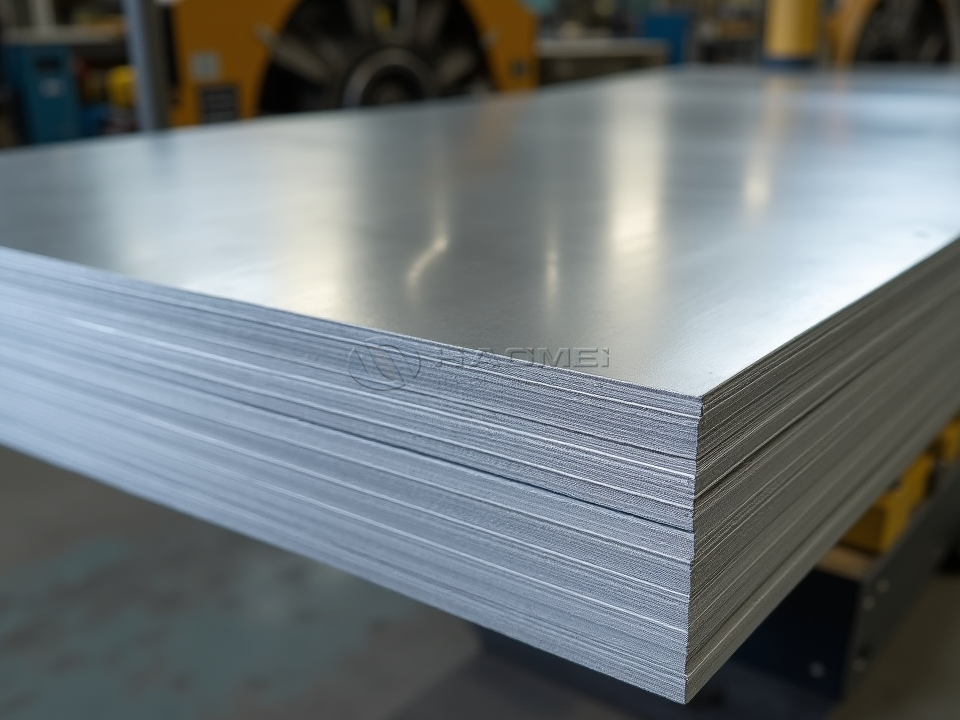
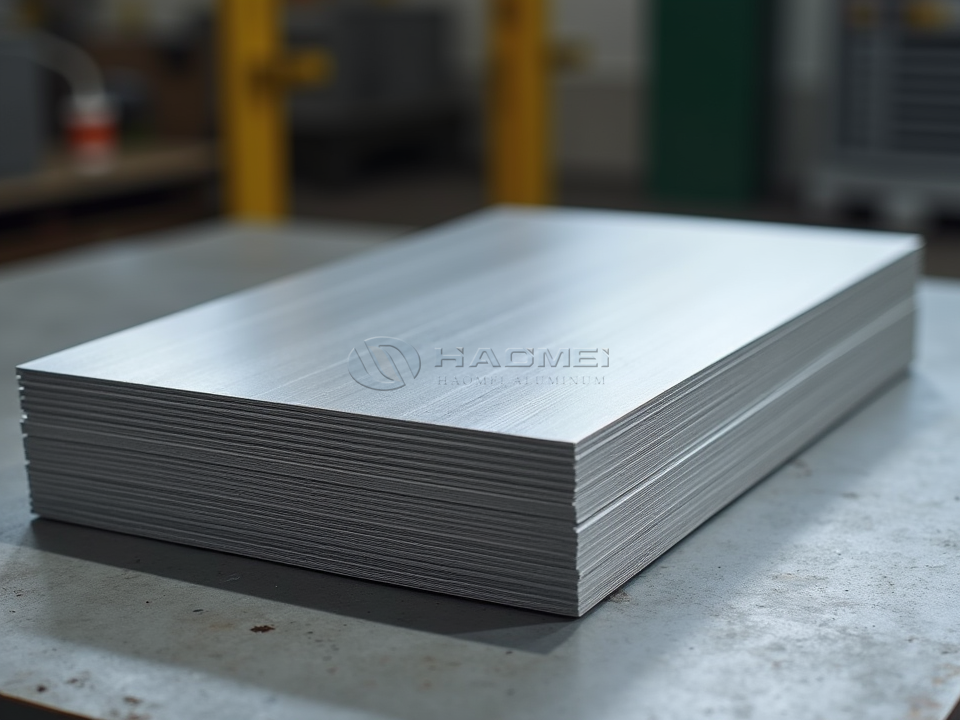
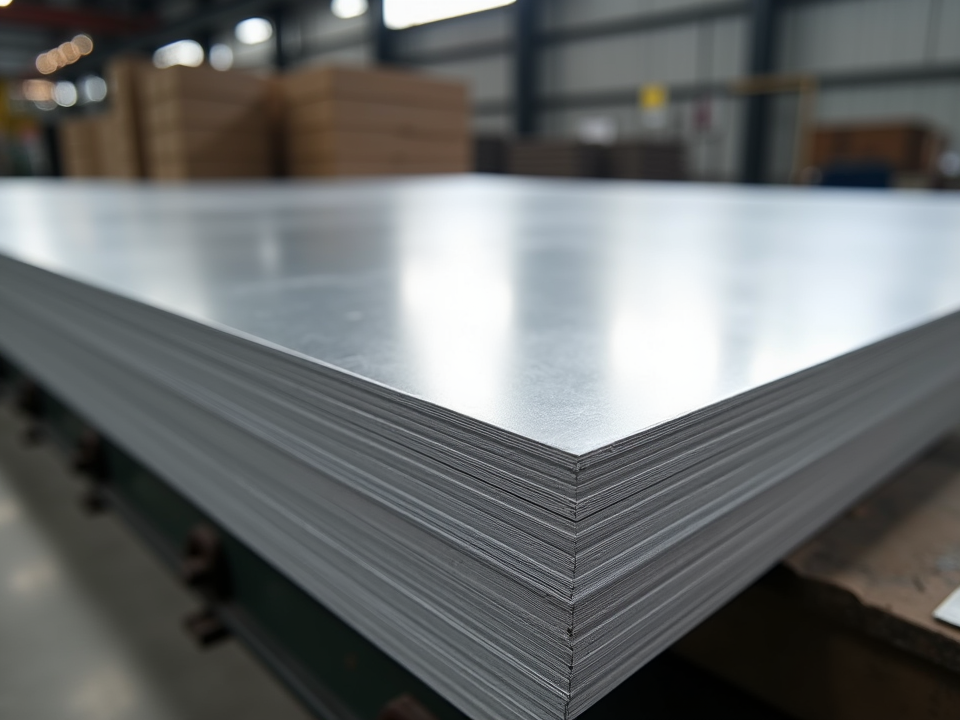
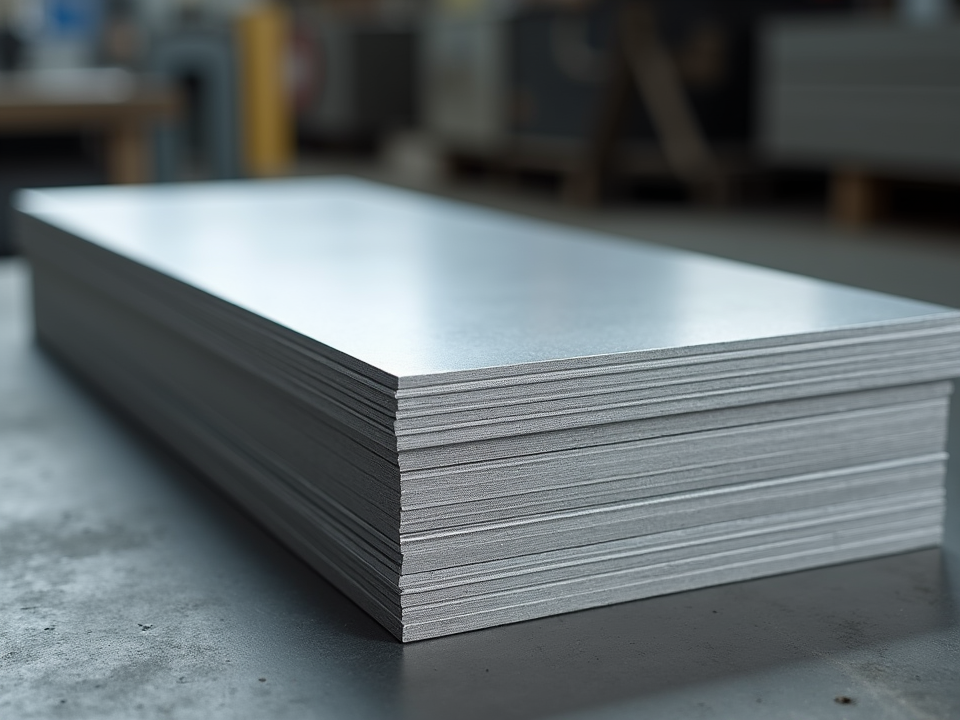
Industrial grade aluminum plate bulk is designed for manufacturers, fabricators, construction contractors, transportation builders, and equipment producers that require dependable aluminum material in high-volume orders. Available in multiple alloy families, tempers, thicknesses, and surface conditions, bulk aluminum plate supports efficient fabrication while reducing material cost per unit.
Industrial aluminum plate combines low density, corrosion resistance, thermal conductivity, and workable strength. The proper alloy depends on whether the finished part will be formed, welded, machined, exposed to moisture, or loaded structurally. Orders can be supplied as standard mill plates, cut-to-size blanks, protective-film sheets, or export-packed bundles.
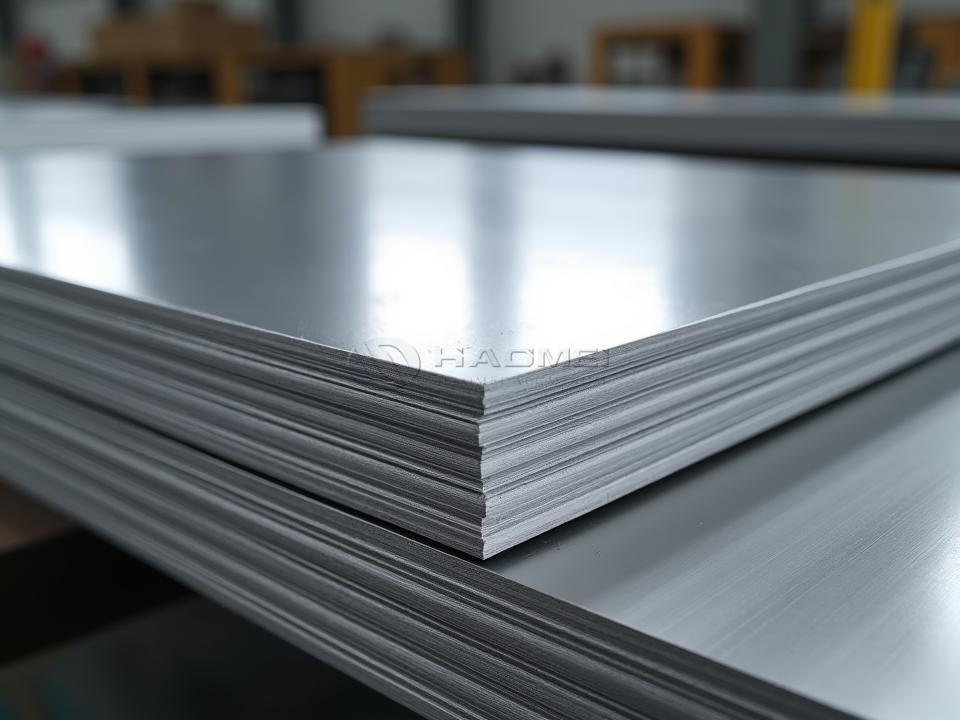
Product Characteristics
| Property | Industrial Benefit |
|---|---|
| Low density | Aluminum weighs about 2.70 g/cm³, helping reduce transportation and finished-product weight. |
| Corrosion resistance | Natural oxide film protects the surface in ordinary industrial and atmospheric environments. |
| Formability | 1xxx and 3xxx alloys bend, stamp, spin, and deep draw effectively. |
| Weldability | 3xxx and 5xxx alloys are widely used for MIG and TIG welded assemblies. |
| Machinability | 6xxx plate provides stable machining performance for fixtures, frames, and precision components. |
| Thermal conductivity | Pure aluminum grades transfer heat efficiently in heat shields, reflectors, and thermal parts. |
| Recyclability | Aluminum scrap retains high value and can be recycled repeatedly. |
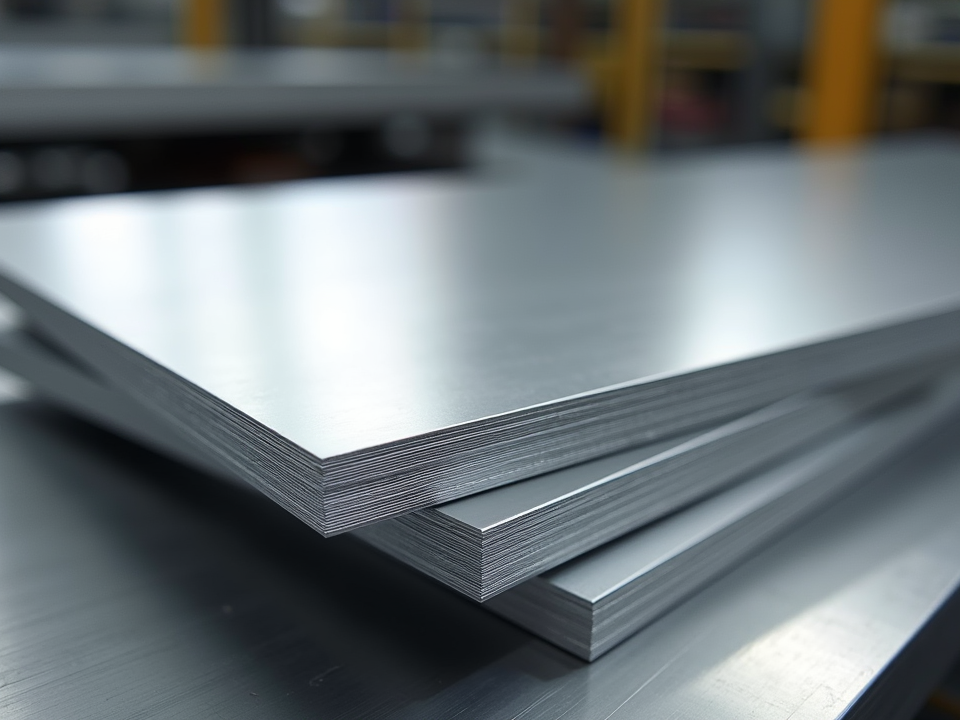
Industrial grade material may be ordered with mill finish, brushed finish, PVC film, paper interleaving, or custom cut edges. True plate commonly starts around 6 mm thickness, although many buyers use the term aluminum plate for thicker sheet products as well.
Alloy and Temper Selection
| Alloy | Common Tempers | Strength Level | Fabrication Behavior | Typical Uses |
|---|---|---|---|---|
| 1050 | O, H14, H24 | Low | Excellent bending and conductivity | Reflectors, chemical equipment, signs, insulation cladding |
| 1060 | O, H14, H24 | Low | High ductility and corrosion resistance | Busbars, heat-transfer parts, cookware, decorative panels |
| 1100 | O, H14, H24 | Low to medium | Easy forming and welding | Chemical tanks, lighting parts, general fabrication |
| 3003 | O, H14, H24 | Medium | Good forming with improved strength | Roofing, tanks, truck panels, HVAC components |
| 5052 | O, H32, H34 | Medium to high | Strong corrosion resistance and weldability | Marine panels, enclosures, fuel tanks, trailers |
| 6061 | O, T4, T6 | High | Good machining and structural performance | Machine parts, molds, frames, platforms, tooling |
For moisture, salt spray, or chemical exposure, 5052 Aluminum Sheet is often selected for its magnesium-based corrosion resistance. For rigid structural pieces that require drilling, milling, or bolting, 6061-T6 is frequently the preferred option. Softer 1050, 1060, and 1100 grades are practical where conductivity and easy forming matter more than mechanical load capacity.
Chemical Composition
The figures in this table are typical limits or ranges in weight percent. Final chemistry should follow the agreed material standard, such as ASTM B209, EN 485, or an equivalent customer specification.
| Alloy | Si | Fe | Cu | Mn | Mg | Cr | Zn | Al |
|---|---|---|---|---|---|---|---|---|
| 1050 | Si + Fe 0.40 max | Included with Si | 0.05 max | 0.05 max | 0.05 max | - | 0.05 max | 99.50 min |
| 3003 | 0.60 max | 0.70 max | 0.05-0.20 | 1.00-1.50 | - | - | 0.10 max | Balance |
| 5052 | 0.25 max | 0.40 max | 0.10 max | 0.10 max | 2.20-2.80 | 0.15-0.35 | 0.10 max | Balance |
| 6061 | 0.40-0.80 | 0.70 max | 0.15-0.40 | 0.15 max | 0.80-1.20 | 0.04-0.35 | 0.25 max | Balance |
Technical Specifications for Bulk Orders
| Item | Standard Industrial Range | Custom Supply Options |
|---|---|---|
| Thickness | 0.50-200 mm | Heavier gauges subject to mill capability |
| Width | 500-2,650 mm | Slitting or narrow-width cutting available |
| Length | 1,000-12,000 mm | Fixed lengths, random lengths, cut blanks |
| Plate condition | Mill finish, smooth surface | PVC film, paper interleaf, brushed surface |
| Flatness | Commercial mill tolerance | Precision flatness by prior agreement |
| Edge condition | Mill edge or trimmed edge | Deburred, saw-cut, shear-cut, CNC-cut |
| Standards | ASTM B209, EN 485, GB/T 3880 | Drawings and project specifications accepted |
| Documentation | Material certificate, packing list | Third-party inspection and traceability records |
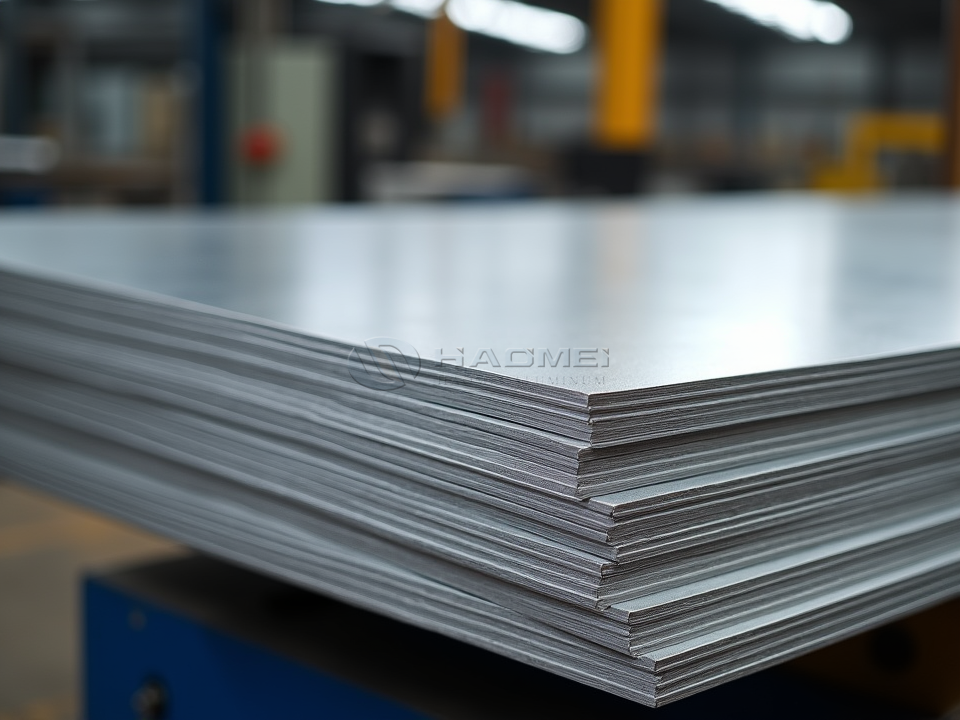
Representative Mechanical Data
Mechanical values vary with thickness, temper, test direction, and production route. The figures provide useful purchasing guidance rather than replacing a certified mill test report.
| Alloy and Temper | Tensile Strength, MPa | Yield Strength, MPa | Elongation | Suitable Fabrication |
|---|---|---|---|---|
| 1050-H14 | 85-115 | 65 min | 3% min | Bending, spinning, light stamping |
| 3003-H14 | 130-170 | 115 min | 3% min | Panels, tanks, formed covers |
| 5052-H32 | 210-260 | 160 min | 7% min | Welded marine and transport parts |
| 6061-T6 | 290 min | 240 min | 8% min | Machined structural parts and fixtures |
Industrial Applications
| Industry | Aluminum Plate Function | Recommended Alloy Direction |
|---|---|---|
| Transportation | Trailer skins, flooring, body panels, structural brackets | 3003, 5052, 6061 |
| Marine fabrication | Deck plates, cabinets, hatches, fuel-related components | 5052 |
| Construction | Curtain wall backing, roofing, facades, platforms | 1050, 3003, 5052 |
| Machinery | Jigs, fixtures, guards, mounting plates, tool bases | 6061 |
| Electrical systems | Busbars, electrical housings, heat spreaders | 1050, 1060 |
| Chemical processing | Linings, tanks, protective covers, ducts | 1100, 3003, 5052 |
| HVAC and thermal equipment | Heat shields, insulation jackets, condenser parts | 1050, 1060, 3003 |
Inspection and Surface Expectations
Bulk aluminum plate should be inspected before packing and dispatch. Standard checks include alloy verification, thickness measurement, width and length confirmation, visual surface examination, temper identification, and bundle weight control. Surfaces should be free from cracks, severe dents, laminations, edge splits, oil contamination, and handling damage that could impair fabrication.
| Inspection Item | Control Method | Purchase Value |
|---|---|---|
| Chemical composition | Spectrometer or certified mill test report | Confirms alloy conformity |
| Thickness | Micrometer measurement across plate width | Supports stable forming and machining |
| Dimensions | Caliper, tape, or automated gauge | Reduces cutting loss and fit-up issues |
| Surface | Visual inspection under suitable lighting | Prevents coating and appearance defects |
| Flatness | Straightedge or flatness gauge | Important for CNC machining and assembly |
| Temper and traceability | Label and certificate verification | Supports batch control and quality records |
Packing for Bulk Aluminum Plate
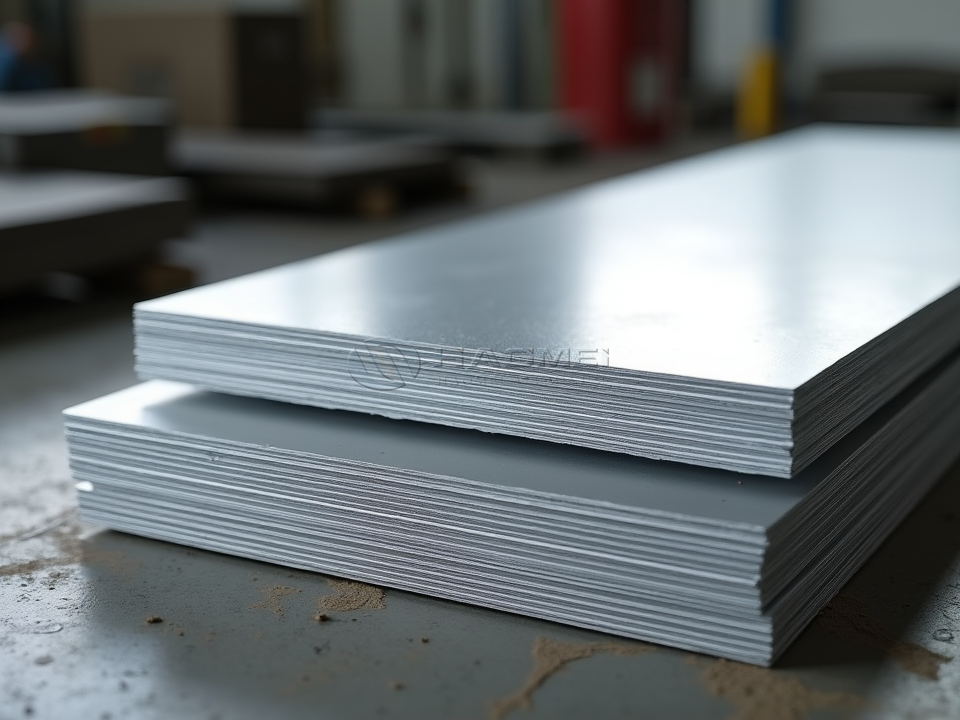
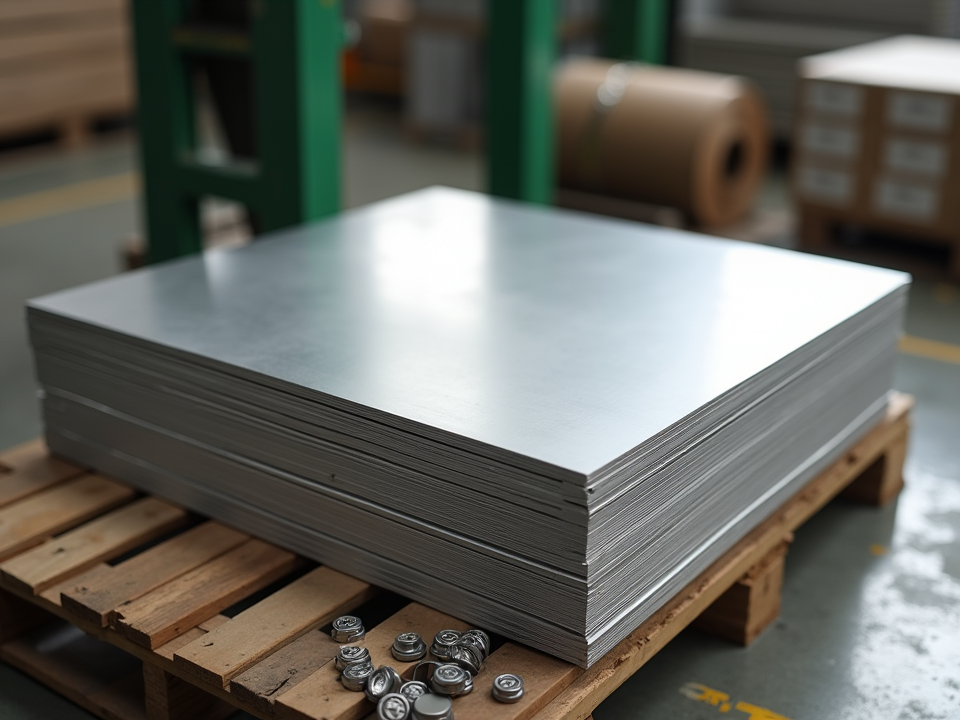
Bulk orders are usually protected with moisture-resistant paper, plastic film, steel straps, wooden pallets, and reinforced export crates when required. Interleaving is recommended for cosmetic surfaces or thin material that may rub during transit. Each bundle can be marked with alloy, temper, size, batch number, net weight, and customer reference information.
Selecting industrial grade aluminum plate bulk requires matching alloy chemistry, temper, dimensions, surface protection, and tolerance requirements to the final process. A well-defined order specification improves yield, reduces fabrication interruptions, and provides reliable material performance from receiving inspection through finished-part production.