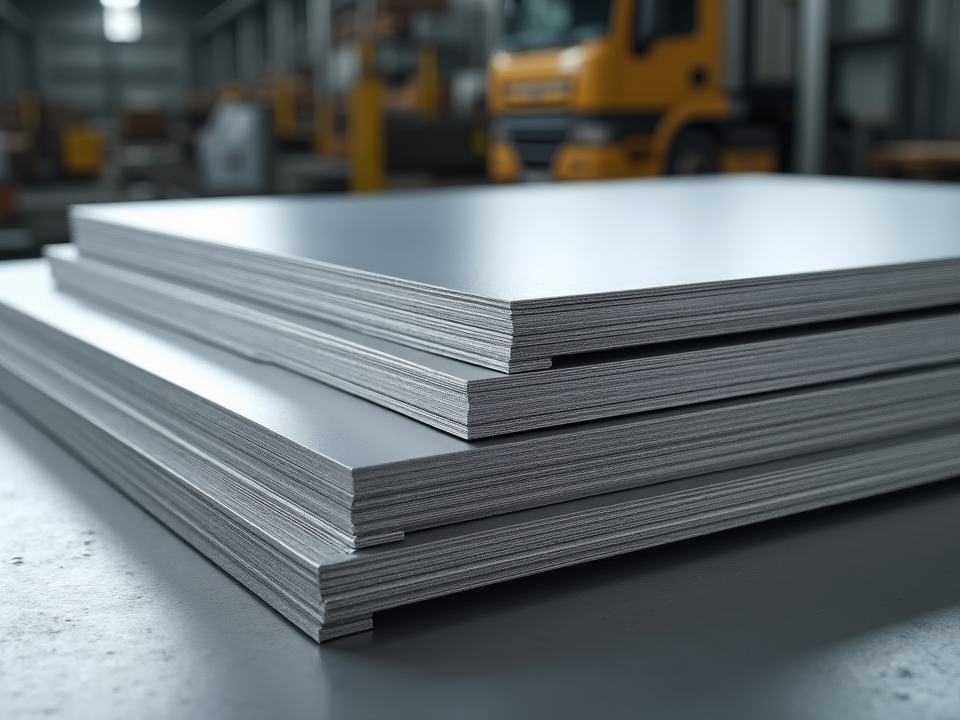
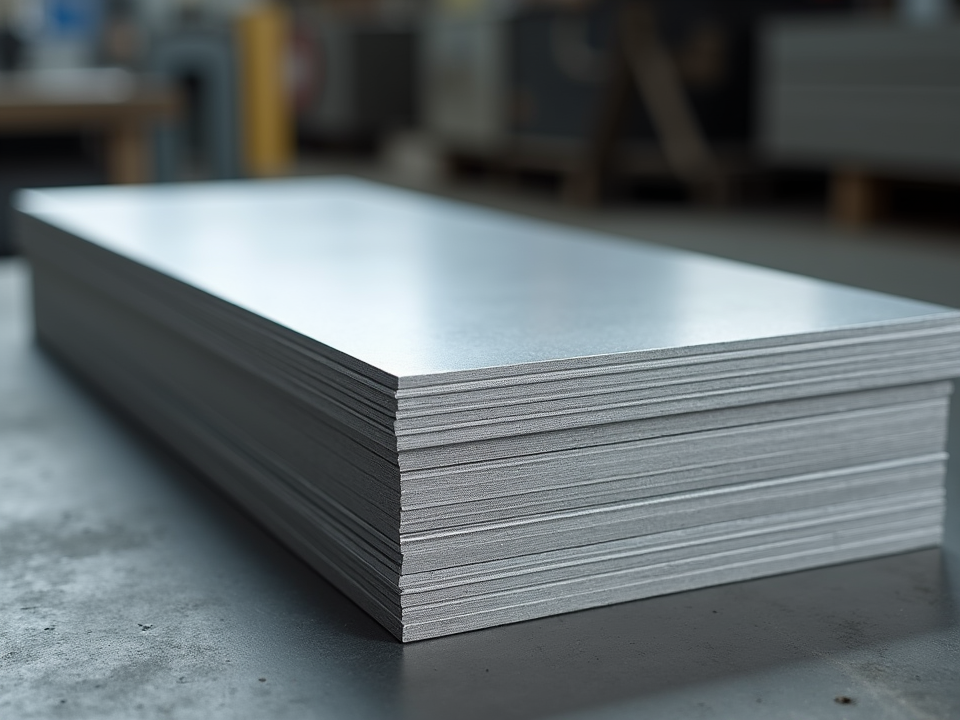
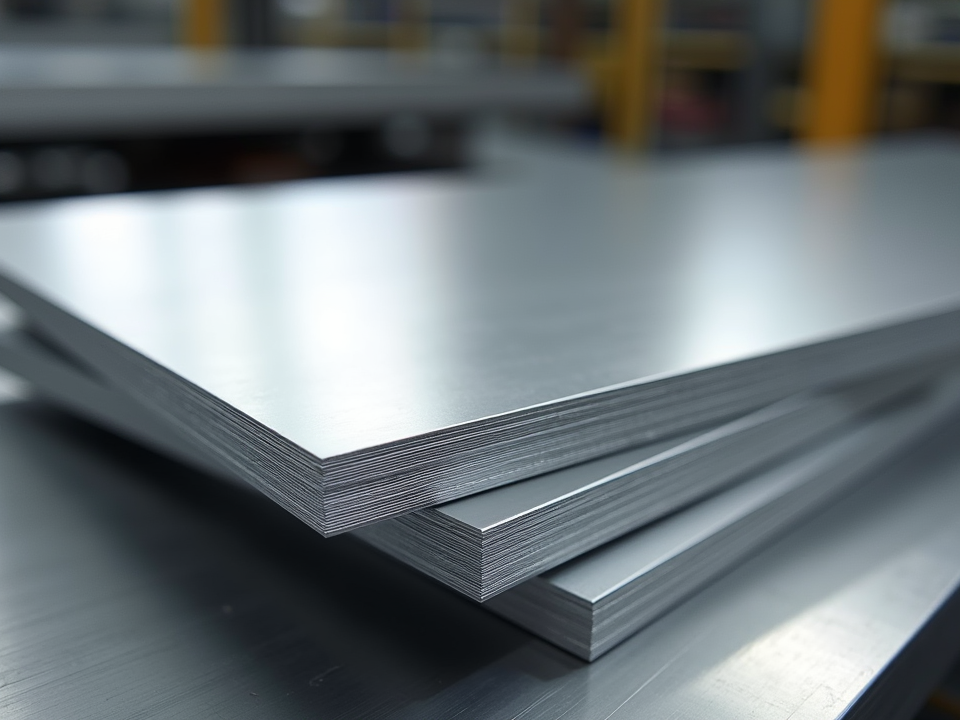
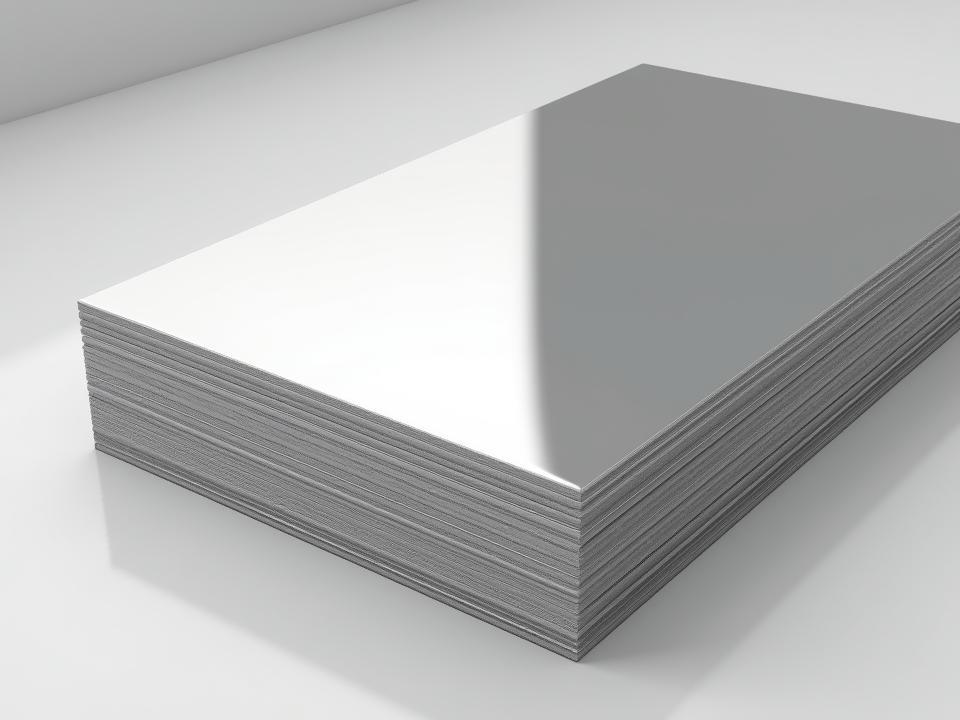
Insulated Coated Aluminum Roof Sheet
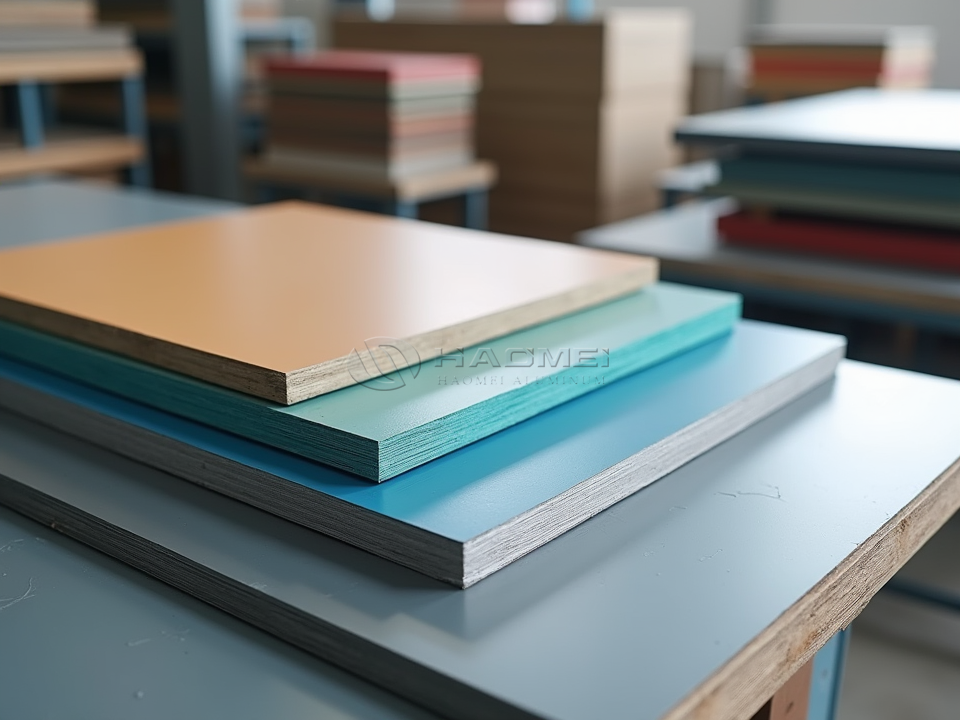
An insulated coated aluminum roof sheet brings together three practical functions in one roofing system: a weather-resistant aluminum outer skin, a protective color coating, and an insulation layer that limits heat transfer. The result is a lightweight roof solution designed to perform through strong sun, heavy rain, humid air, and changing temperatures while helping the building maintain a more stable indoor climate.
It is widely selected for industrial workshops, warehouses, agricultural buildings, commercial canopies, modular structures, transport terminals, villas, and coastal projects. Compared with uncoated steel roofing, aluminum offers lower weight and naturally strong resistance to corrosion. When combined with a carefully selected coating and insulation material, it becomes a long-service roofing option with a clean finished appearance.
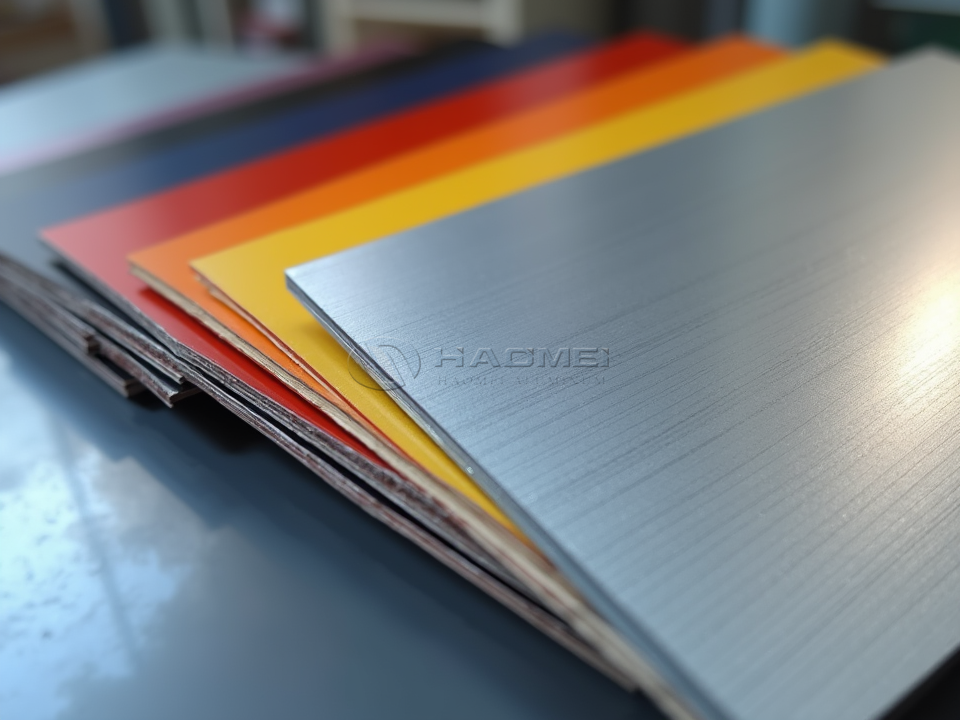
Built for Heat Control and Weather Exposure
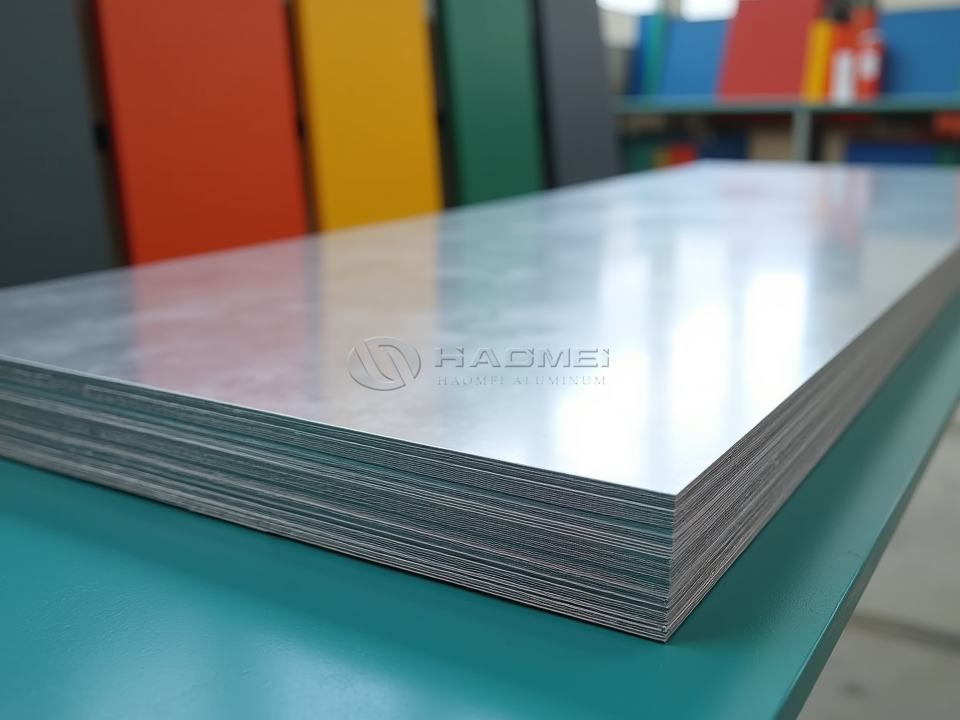
The outer aluminum sheet acts as the first barrier against sunlight, rainwater, dust, airborne salts, and industrial contaminants. Aluminum forms a dense oxide film naturally, helping it resist red rust. A factory-applied coating adds further protection while providing the desired roof color, gloss level, and surface finish.
The insulation portion is commonly formed with polyurethane foam, polyisocyanurate foam, rock wool, glass wool, or an insulated roof assembly installed beneath the aluminum sheet. Foam cores provide strong thermal efficiency at low thickness, while mineral-wool options offer excellent fire performance and acoustic absorption. The most suitable construction depends on local fire codes, required thermal performance, building use, and roof geometry.
Light-colored coatings can reflect a significant portion of solar energy. This reduces surface temperature and helps lower the cooling demand of buildings in hot climates. Insulation slows the passage of heat through the roof, creating more comfortable conditions for workers, equipment, stored goods, and livestock.
| Property | Typical Range or Option | Practical Value |
|---|---|---|
| Aluminum thickness | 0.45-1.20 mm | Balances formability, roof span requirements, and durability |
| Aluminum alloy | 3003, 3004, 3105, 5052 | Selected according to corrosion exposure and forming needs |
| Temper | H24, H26, H32, H34 | Provides workable strength for profiling and installation |
| Coating type | PE, SMP, HDP, PVDF | Matches project budget and outdoor weathering requirement |
| Coating thickness | 18-35 μm, custom available | Supports color retention and film protection |
| Insulation thickness | 30-150 mm | Determines thermal and acoustic performance |
| Roof profile | Corrugated, trapezoidal, standing seam | Supports drainage, rigidity, and visual design |
| Standard width | 600-1,250 mm | Adapted to profile design and transport needs |
Coating Options That Match the Project Environment
The coating system has a major influence on the roof's appearance and outdoor durability. Polyester coatings are often used for economical projects in mild environments. SMP and HDP coatings provide enhanced resistance to weathering, chalking, and color fading. For demanding climates with intense ultraviolet exposure, high humidity, or salt-laden air, PVDF Coated Aluminum Sheet is frequently specified for its excellent long-term color and gloss retention.
A complete coating system normally includes chemical pretreatment, primer, finish coat, and protective film when required. Pretreatment promotes strong bonding between the aluminum and paint film, while the primer improves corrosion resistance and coating adhesion. The topcoat provides the visible color and the first line of defense against ultraviolet radiation and airborne contamination.
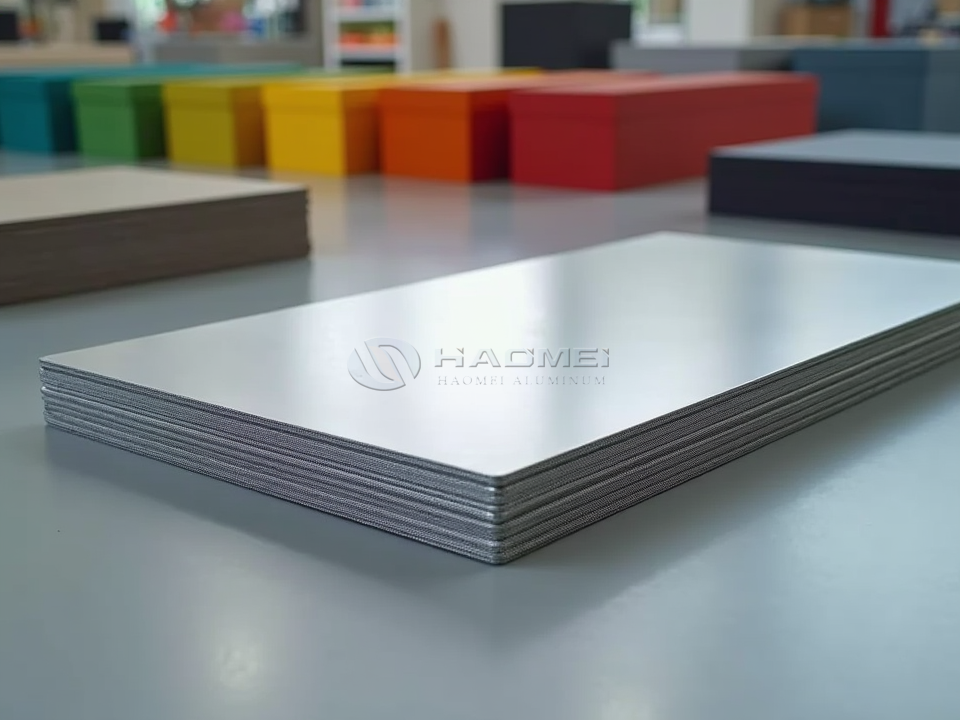
Aluminum Composition and Material Selection
Roofing aluminum is commonly produced from manganese-containing 3003, 3004, or 3105 alloys. These grades combine good corrosion resistance with adequate strength for roll forming into corrugated or trapezoidal sheets. Where marine exposure or highly corrosive conditions are expected, 5052 aluminum may be considered because of its magnesium-enhanced corrosion resistance.
| Alloy Grade | Mn % | Mg % | Cu % | Typical Roofing Characteristic |
|---|---|---|---|---|
| 3003 | 1.0-1.5 | Max. 0.05 | Max. 0.20 | Good formability and general atmospheric resistance |
| 3004 | 1.0-1.5 | 0.8-1.3 | Max. 0.25 | Higher strength for formed roofing profiles |
| 3105 | 0.3-0.8 | 0.2-0.8 | Max. 0.30 | Popular painted-sheet alloy with reliable workability |
| 5052 | Max. 0.10 | 2.2-2.8 | Max. 0.10 | Strong corrosion resistance for harsh environments |
Actual composition and mechanical properties should be confirmed against the applicable material standard and project specification. Alloy choice alone does not determine roof life. Coating quality, seam design, fastener selection, drainage, ventilation, and installation workmanship all contribute to long-term performance.
Advantages for Modern Roofing Systems
An insulated coated aluminum roof sheet is much lighter than many conventional roof materials. Reduced dead load can simplify the supporting structure, especially in renovation work, prefabricated buildings, and large-span roof designs. Its low weight also assists handling and installation efficiency.
Corrosion resistance is another major benefit. Aluminum does not develop the expanding red rust associated with carbon steel. In wet or coastal environments, however, proper design remains essential. Water should drain freely, cut edges should be protected where specified, and incompatible metals should be isolated to reduce galvanic corrosion risks.
The insulated construction also improves acoustic comfort. Rainfall striking bare metal roofing can create substantial noise. Mineral wool, foam insulation, liners, and correct roof assembly design reduce sound transmission, making the system more suitable for offices, classrooms, residences, and production spaces.
Color flexibility helps architects integrate the roof with wall cladding, façades, and surrounding landscapes. Matte finishes can reduce glare, while smooth gloss finishes offer a crisp contemporary appearance. For projects needing coordinated exterior materials, Coated Aluminum Sheet for Roofing can be produced in varied colors, widths, and profiles.
Applications Across Different Building Types
Industrial buildings benefit from the material's low maintenance requirements, broad coverage, and temperature-control capability. Warehouses use insulated aluminum roofs to protect goods that may be affected by heat, condensation, or moisture. Manufacturing plants value the bright, clean interior environment possible with insulated roof assemblies.
Agricultural buildings, including poultry houses, livestock shelters, grain storage areas, and equipment sheds, benefit from corrosion resistance and thermal moderation. Roof systems in these settings should be chosen with care because ammonia, humidity, and cleaning chemicals can be aggressive. A durable coating and suitable interior liner can extend service life.
For commercial structures, aluminum roofing supports visually refined canopies, retail buildings, sports facilities, airport structures, and exhibition halls. Residential applications include villas, garden rooms, carports, and energy-conscious housing where a lightweight, colorful roof is desired.
Coastal and tropical regions are particularly suitable applications when the alloy, paint system, and fixing details are specified for salt spray, high humidity, and intense sunshine. PVDF finishes and marine-grade aluminum options offer additional confidence in these environments.
Installation and Service Considerations
Roof slope, overlap direction, seam design, and fastener placement should suit local rainfall and wind conditions. Fasteners need compatible washers and corrosion-resistant materials. Where aluminum contacts steel, copper, or other dissimilar metals, separation layers should be used where necessary to prevent galvanic action.
Thermal movement deserves attention because aluminum expands and contracts with temperature changes. Long sheets require correctly designed fixing points, expansion allowances, and profile geometry. Insulation joints must remain continuous to avoid thermal bridges, while vapor-control layers may be required in humid buildings to limit concealed condensation.
Routine maintenance is simple. Periodic cleaning removes dust, leaves, and deposits that can hold moisture. Gutters and drainage paths should remain clear. Any scratches from installation or later work should be inspected and repaired with compatible materials when needed. With appropriate material selection and careful installation, an insulated coated aluminum roof sheet provides a durable, attractive roof envelope that protects the building while reducing heat gain and improving daily comfort.