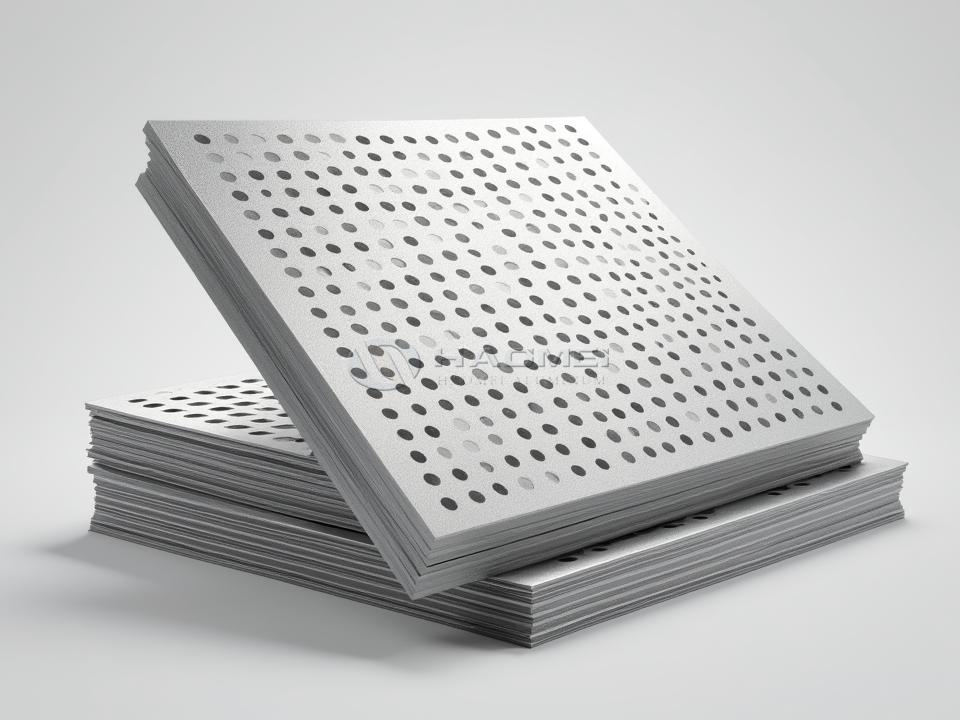
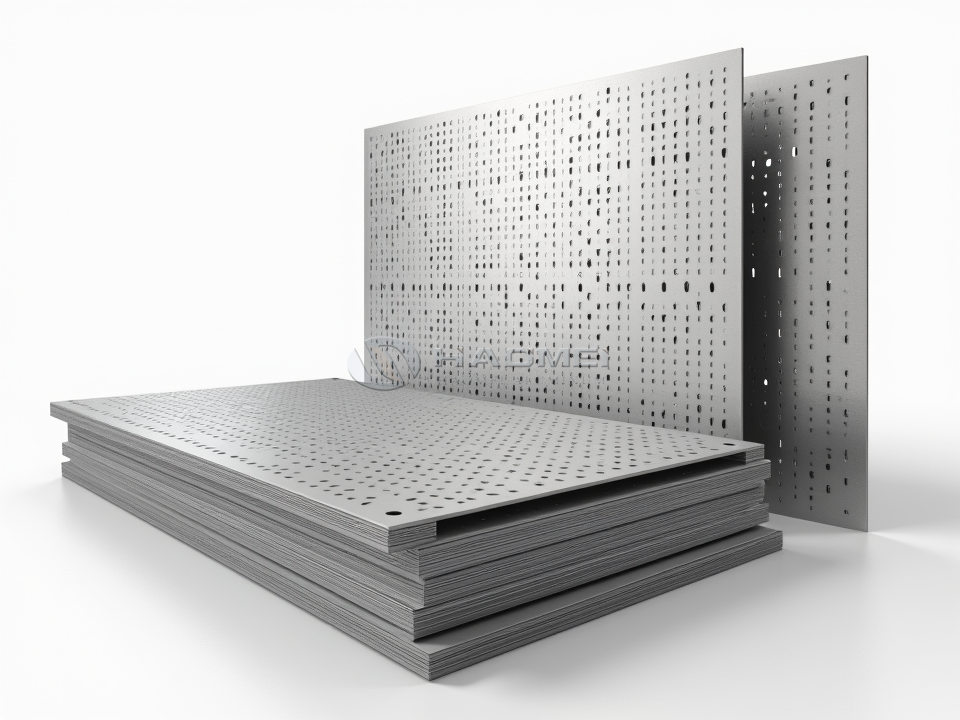
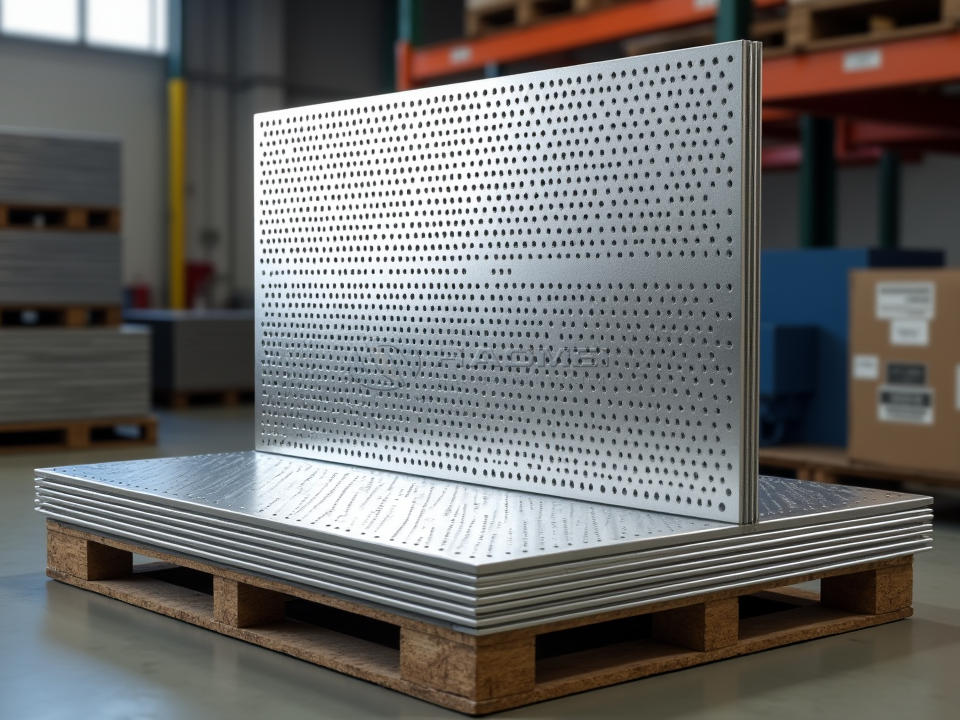
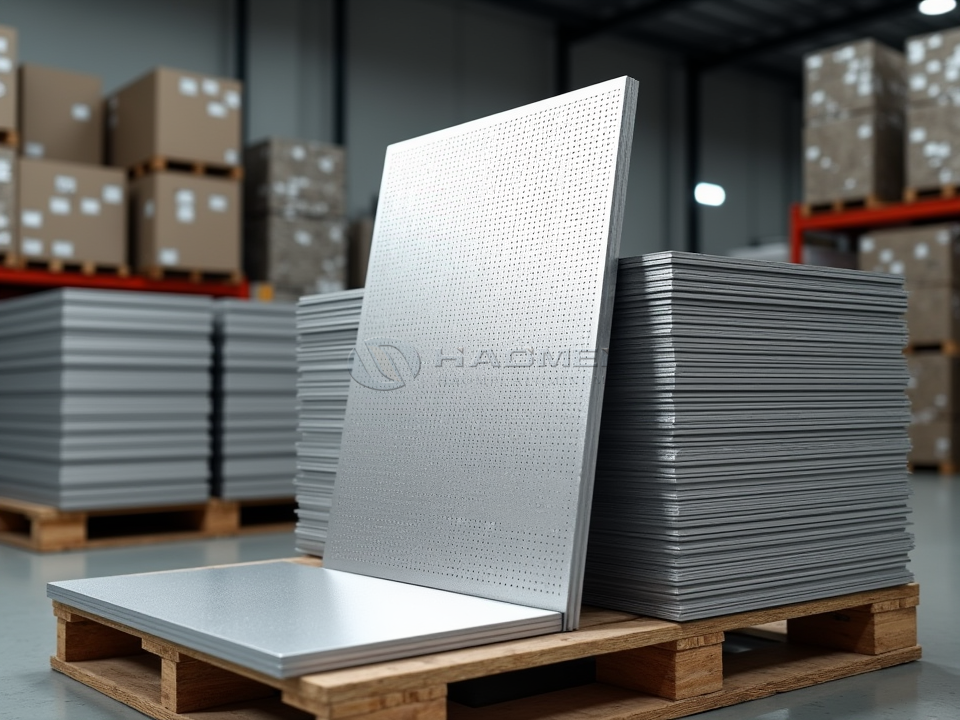
Laser Cut Perforated Aluminum Plate
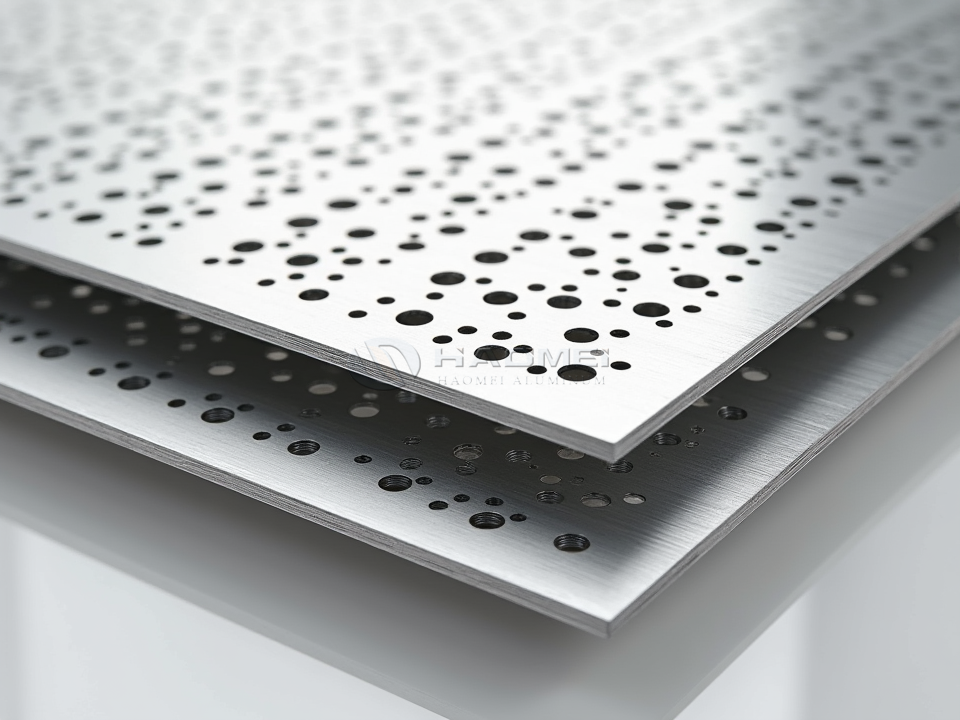
Laser cut perforated aluminum plate is a precision-engineered sheet product combining aluminum's low weight, corrosion resistance, and forming capability with highly flexible hole patterns. Instead of relying only on fixed tooling, laser processing can create round, square, slotted, hexagonal, decorative, and project-specific openings with sharp visual definition.
This material is widely specified where airflow, light transmission, screening, acoustic performance, drainage, or architectural character must be balanced with dependable panel strength. From a ventilated building skin to a machine guard or acoustic ceiling, the plate can be designed around both functional and visual requirements.
Product Characteristics
Laser cutting directs a concentrated beam along a programmed path, allowing perforation layouts to be adjusted without the cost and delay of dedicated punching dies. It is especially suitable for prototypes, irregular patterns, low-to-medium production volumes, detailed decorative work, and panels with mixed hole geometries.
| Feature | Customer Value |
|---|---|
| Precision laser cutting | Supports intricate apertures, narrow slots, custom borders, logos, and non-standard layouts |
| Lightweight aluminum base | Reduces structural loading, handling effort, and installation labor |
| Corrosion resistance | Performs well in humid, urban, and many outdoor environments when the proper alloy and finish are selected |
| Controlled open area | Helps tune ventilation, visibility, daylight, sound absorption, and filtration behavior |
| Clean visual appearance | Produces crisp patterns suitable for exposed architectural and decorative surfaces |
| Finish compatibility | Can be supplied mill finish, brushed, anodized, powder coated, PVDF coated, or painted |
| Fabrication flexibility | Panels can be folded, rolled, framed, welded, riveted, or mounted with concealed fixing systems |
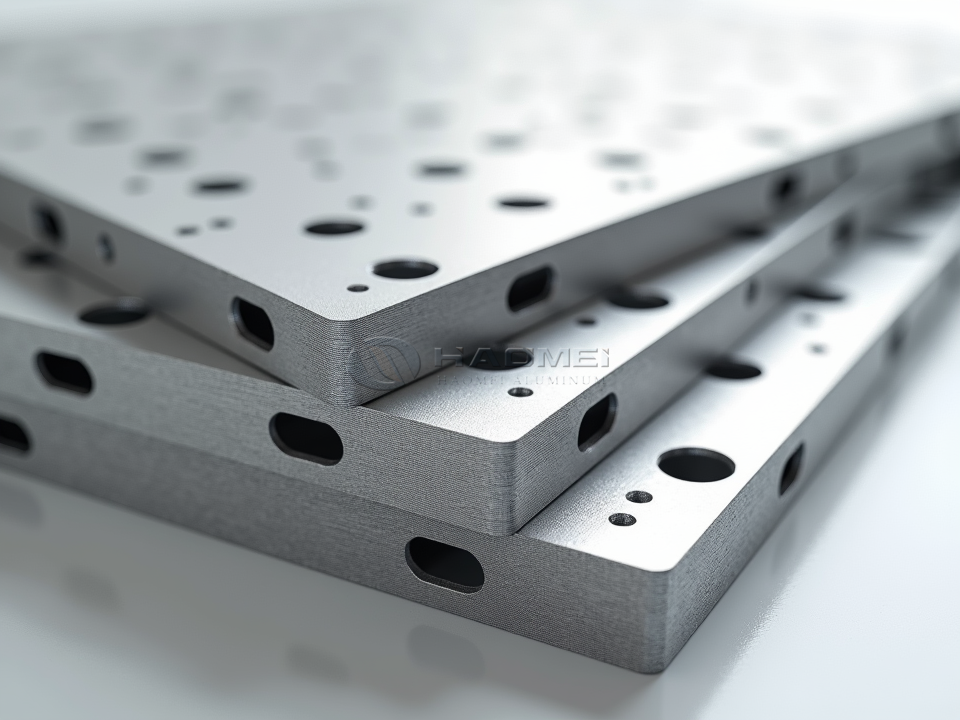
A laser cut perforated aluminum plate can be manufactured as a flat sheet or fabricated into cassette panels, trays, curved screens, ceiling modules, equipment enclosures, and protective covers. Edge margins should be retained around the perforated field to maintain stiffness and provide adequate room for fastening or folding.
Material Grades and Chemical Composition
Alloy selection affects corrosion behavior, strength, bending performance, weldability, and surface treatment results. Alloy 3003 is a practical choice for general decorative and architectural panels, while 5052 provides higher strength and improved marine-atmosphere resistance.
| Element, wt.% | AA 3003 Typical Range | AA 5052 Typical Range |
|---|---|---|
| Aluminum, Al | Balance | Balance |
| Manganese, Mn | 1.0-1.5 | 0.0-0.10 |
| Magnesium, Mg | 0.0-0.10 | 2.2-2.8 |
| Iron, Fe | Max. 0.70 | Max. 0.40 |
| Silicon, Si | Max. 0.60 | Max. 0.25 |
| Copper, Cu | 0.05-0.20 | Max. 0.10 |
| Chromium, Cr | - | 0.15-0.35 |
| Zinc, Zn | Max. 0.10 | Max. 0.10 |
Chemical values are nominal alloy limits and may vary according to the governing material standard, mill certificate, thickness, and customer specification.
Technical Specifications
Laser-cut products are normally made to order. Dimensions, hole layout, open area, edge treatment, and finish should be confirmed during quotation so the completed panel meets installation and performance targets.
| Parameter | Typical Capability or Option |
|---|---|
| Common alloys | 1050, 1060, 1100, 3003, 3105, 5052, 5754 |
| Temper options | H14, H24, H32, H34, H111, O, subject to alloy availability |
| Sheet thickness | 0.8-6.0 mm typical; thicker plate available by design review |
| Standard sheet width | Up to 1,500 mm typical |
| Standard sheet length | Up to 3,000 mm typical; larger formats available by equipment capacity |
| Hole shapes | Round, square, slot, hexagonal, triangular, decorative, custom CAD pattern |
| Hole size | Typically from 1.0 mm, depending on thickness, geometry, and material grade |
| Open area | Approximately 10%-70%, determined by hole size, pitch, and pattern |
| Cutting tolerance | Commonly ±0.10 to ±0.30 mm, dependent on panel size and design |
| Surface finishes | Mill finish, anodized, powder coated, PVDF coated, brushed, painted |
| Edge processing | Deburring, corner rounding, folding, hemming, welding, framing, drilling |
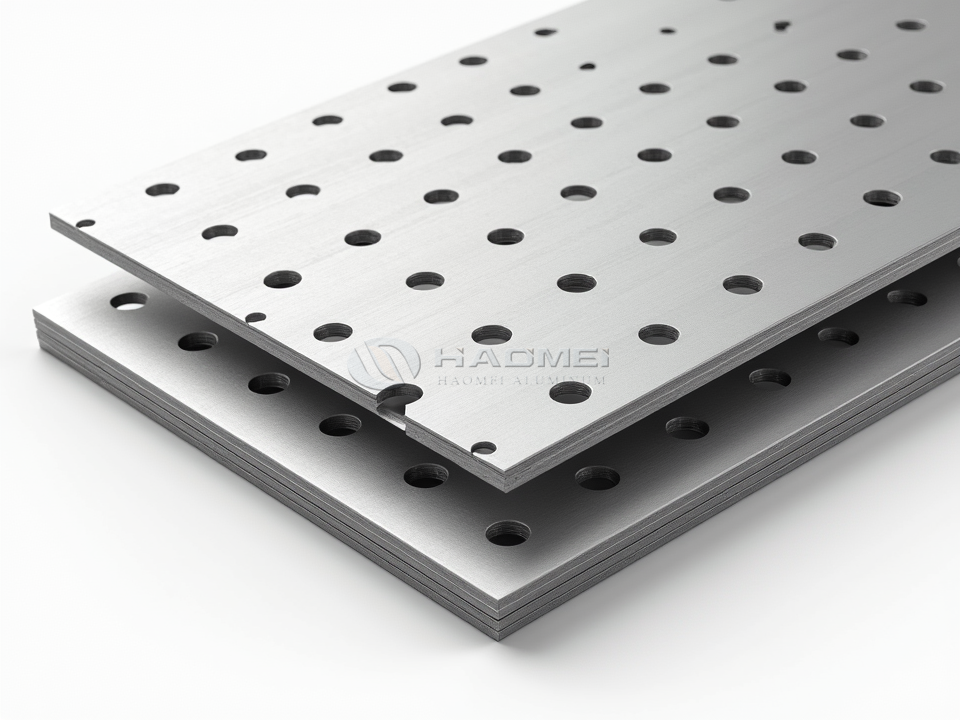
For regularly repeated circular patterns, a Round Hole Perforated Aluminum Sheet offers a balanced combination of airflow, visual consistency, and straightforward fabrication. Round holes are commonly selected for ventilation panels, acoustic facings, grilles, equipment guards, and suspended ceilings.
Mechanical and Physical Performance
Perforation reduces the effective cross-sectional area of a panel, so structural behavior must be evaluated using the final hole pattern rather than the properties of a solid sheet alone. Larger open areas improve airflow and transparency but can reduce rigidity. Thickness, panel span, frame design, return folds, and support spacing should be coordinated for exterior cladding or high-load uses.
| Property | AA 3003-H14 Typical | AA 5052-H32 Typical |
|---|---|---|
| Tensile strength | 130-180 MPa | 210-260 MPa |
| Yield strength | 115 MPa minimum | 160 MPa minimum |
| Elongation | 3%-10% | 5%-12% |
| Density | 2.73 g/cm³ | 2.68 g/cm³ |
| Elastic modulus | Approx. 69 GPa | Approx. 70 GPa |
| Melting range | Approx. 643-654°C | Approx. 607-649°C |
| Thermal conductivity | Approx. 160 W/m·K | Approx. 138 W/m·K |
Mechanical figures are indicative for common tempers. Final design calculations should consider actual mill certification, perforation ratio, loading direction, support conditions, wind pressure, impact requirements, and applicable local codes.
Pattern Design and Functional Benefits
Hole geometry does more than create a visual effect. It changes how the panel handles air, sound, water, light, and sightlines. A dense small-hole layout creates a refined surface and better visual screening. Larger apertures increase free area and airflow. Slotted patterns can support directional ventilation and a more elongated architectural expression, while hexagonal patterns provide a technical, cellular appearance.
For projects requiring a customized building envelope, a Decorative Perforated Aluminum Facade Panel can combine laser-cut artwork, folded edges, protective coating, and engineered mounting details. When used as a rainscreen layer, the perforated face can soften solar exposure while allowing ventilation within the wall cavity.
| Design Factor | Effect on Finished Plate |
|---|---|
| Hole diameter or width | Influences airflow, visibility, acoustic response, and screen density |
| Pitch or spacing | Controls open area, panel strength, and pattern rhythm |
| Bridge width | Affects durability during cutting, bending, transport, and service |
| Border margin | Provides stiffness and space for fasteners, folds, or framing |
| Open-area percentage | Determines light passage, ventilation capacity, and structural reduction |
| Finish color and gloss | Changes heat absorption, façade appearance, and perceived pattern depth |
Applications
Laser cut perforated aluminum plate is adaptable across commercial, industrial, transportation, and interior environments.
| Application Area | Typical Use |
|---|---|
| Building facades | Solar screens, rainscreen cladding, balcony guards, privacy layers, ventilated skins |
| Interior spaces | Feature walls, room dividers, retail displays, ceiling panels, elevator surrounds |
| Acoustic systems | Perforated facings over mineral wool, PET felt, or acoustic backing materials |
| HVAC and ventilation | Diffuser covers, return-air grilles, equipment enclosures, louver screens |
| Industrial equipment | Machine guards, protective covers, intake screens, control cabinet ventilation |
| Filtration and separation | Support plates, coarse screening layers, liquid and air filter components |
| Public infrastructure | Station ceilings, platform barriers, parking garage screens, pedestrian enclosures |
| Furniture and displays | Cabinet inserts, shelving panels, light fixtures, decorative partitions |
Selection and Fabrication Guidance
Choose 3003 for general-purpose decorative and formed panels where moderate strength is sufficient. Select 5052 when increased strength, frequent handling, coastal exposure, or demanding outdoor service is expected. For highly visible anodized finishes, material batch consistency and surface quality should be specified early.
A practical design should avoid excessively narrow bridges between holes, particularly in thin sheet or areas that will be bent. Laser-cut edges may require deburring or post-treatment before coating, depending on appearance and handling requirements. Protective film is recommended for painted, brushed, or polished surfaces during fabrication and installation.
With the right alloy, perforation ratio, finish, and support design, laser cut perforated aluminum plate delivers a durable, lightweight, and visually expressive solution for projects that need both engineered performance and architectural impact.