Micro Perforated Aluminum Acoustic Panel
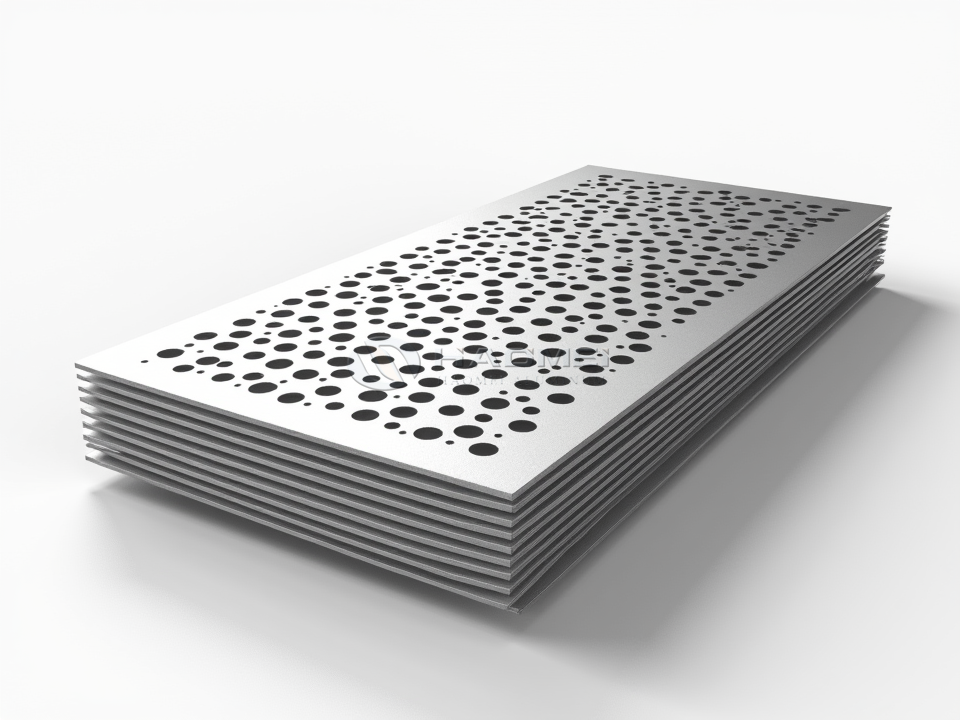
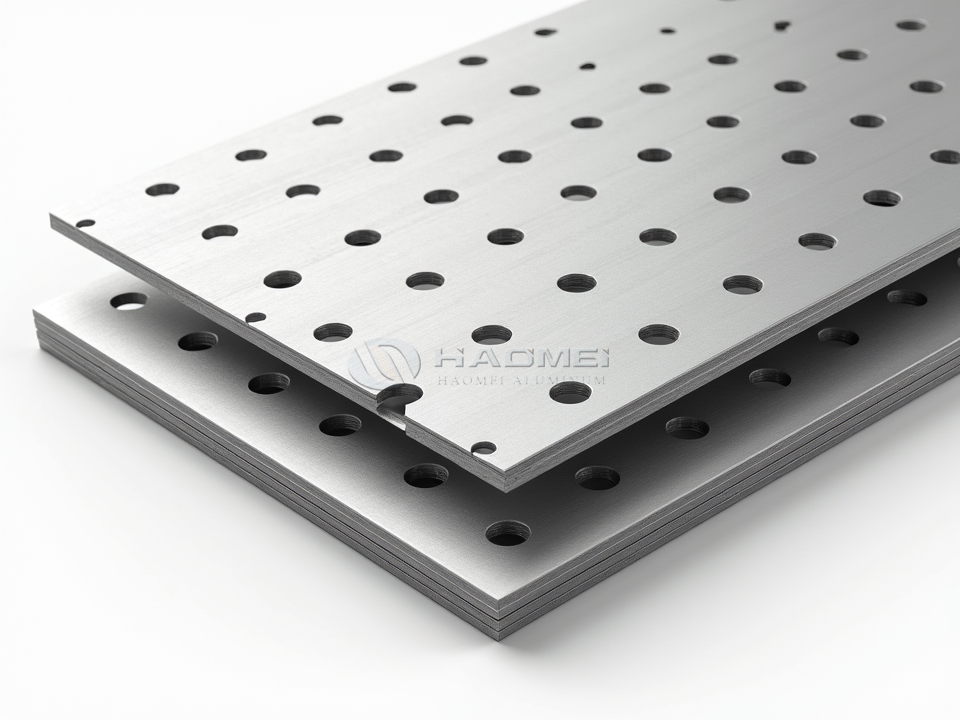
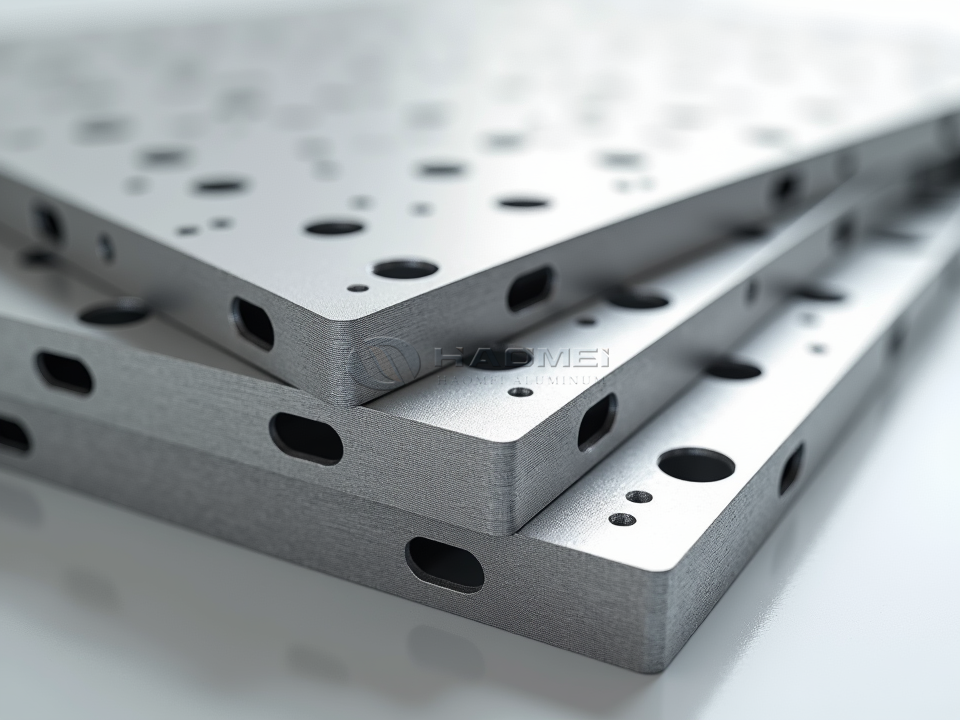
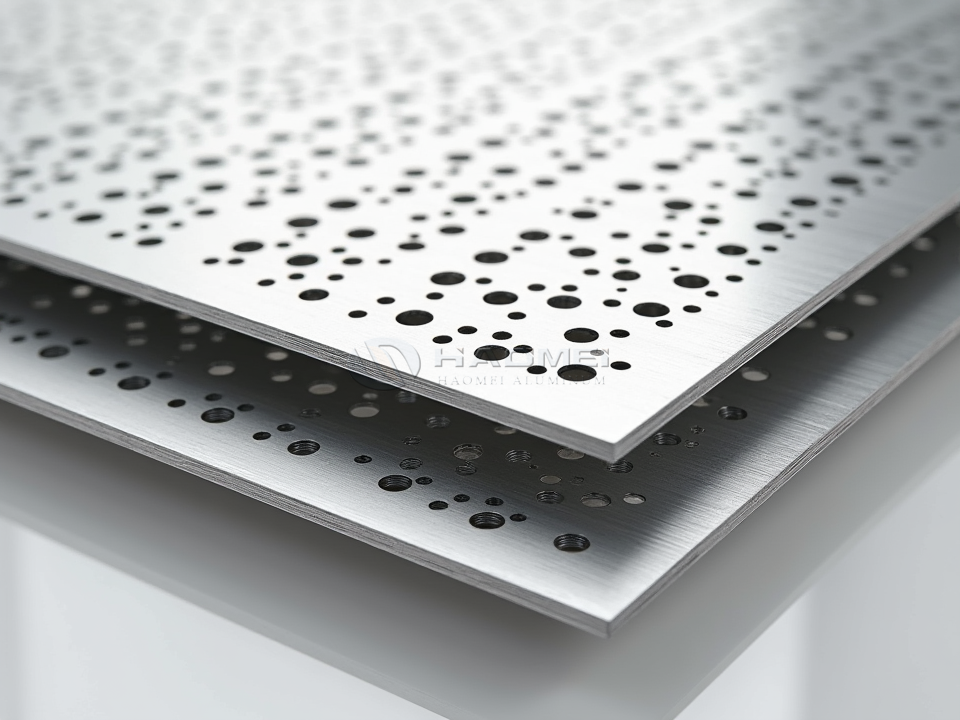
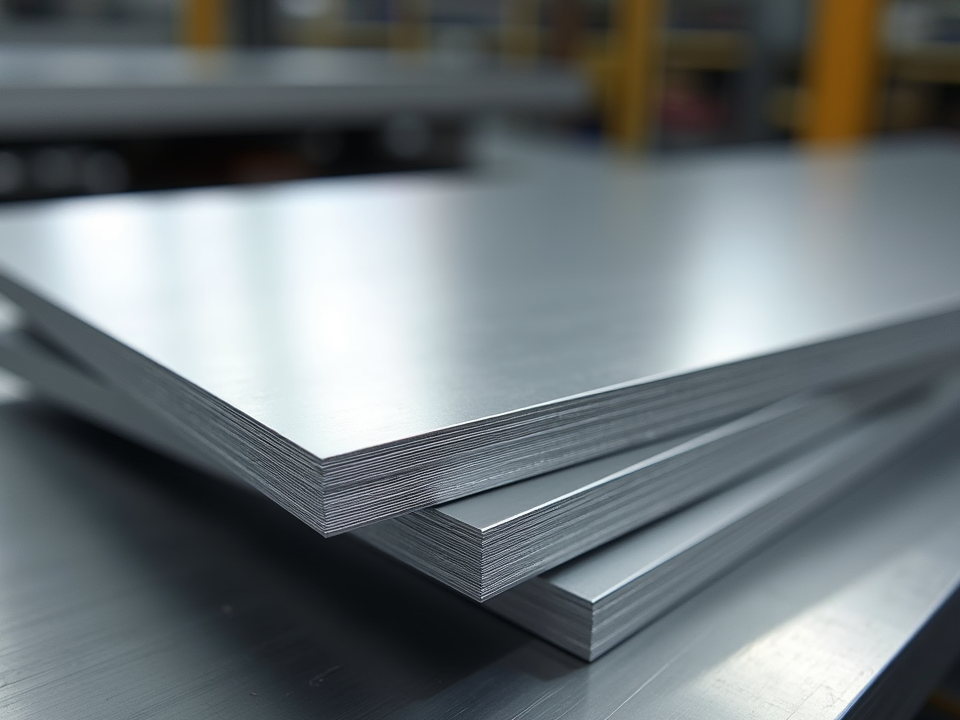
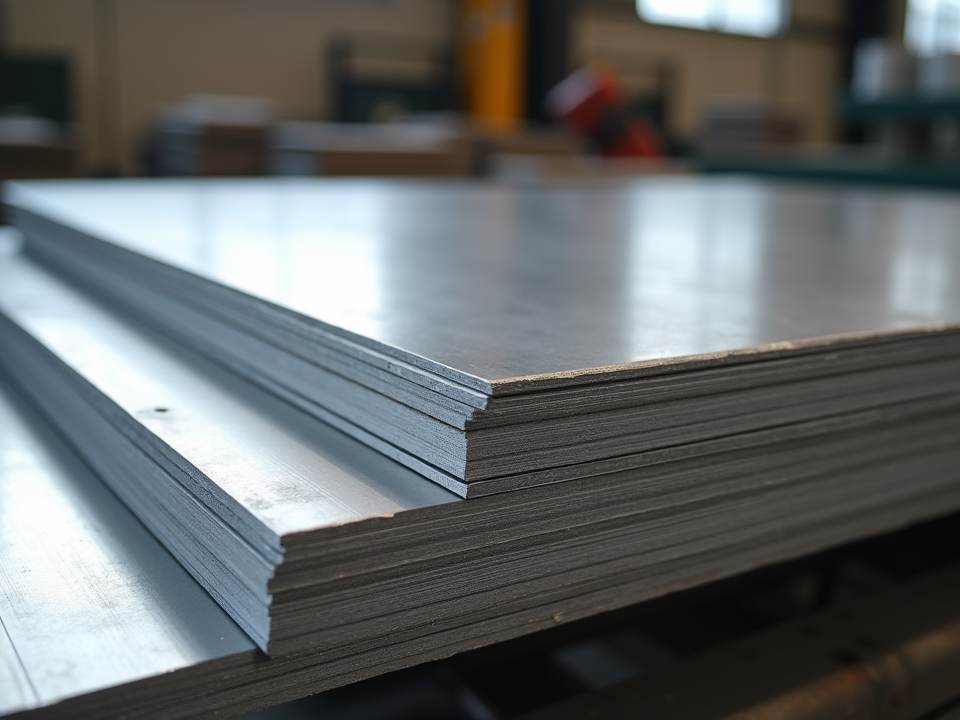
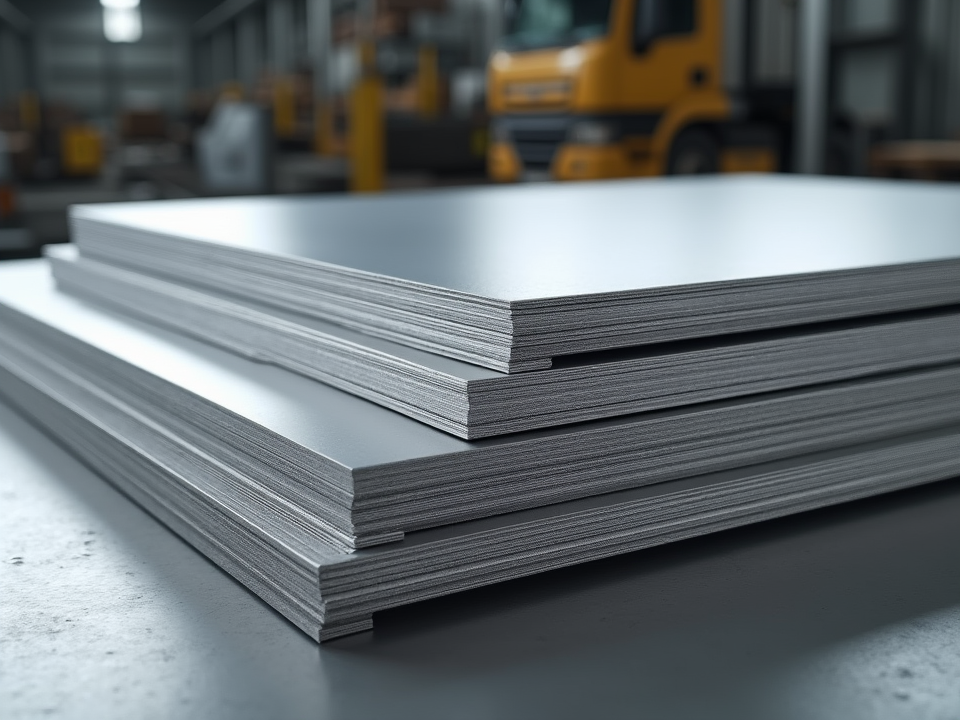
A micro perforated aluminum acoustic panel combines architectural metal strength with effective sound absorption. Its surface is formed with extremely small holes, typically less than 1.5 mm in diameter, allowing sound energy to enter the panel system and dissipate through resonance, air friction, and acoustic backing materials. The result is a clean, durable surface that helps create quieter and more comfortable indoor spaces.
Unlike fabric-covered sound panels, aluminum panels provide a sleek metallic appearance, excellent fire resistance, moisture stability, and simple maintenance. They are widely specified for ceilings, wall linings, corridors, public halls, transport terminals, offices, educational buildings, and commercial interiors where both acoustic performance and long service life matter.
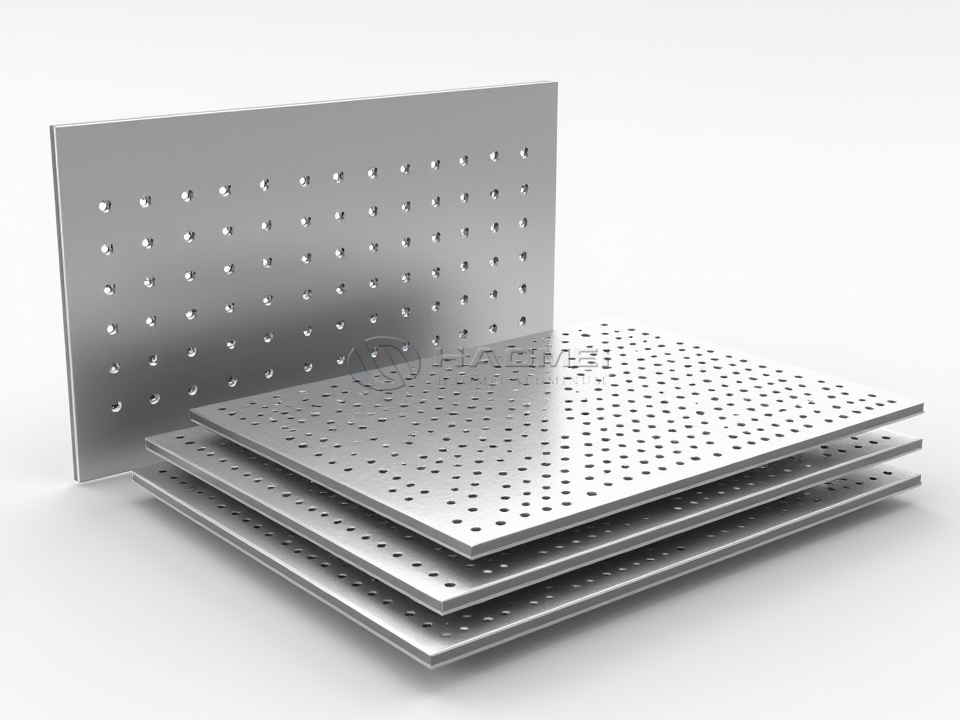
Refined Perforation, Practical Acoustic Control
The defining feature of a micro perforated aluminum acoustic panel is its precisely engineered perforation pattern. Tiny holes may appear almost invisible from normal viewing distance, preserving the smooth visual character of the panel while enabling sound waves to pass through. Behind the visible aluminum face, an acoustic system may include a non-woven acoustic fleece, mineral wool, glass wool, polyester fiber, or an air cavity designed to improve frequency response.
When sound enters the micro perforations, moving air encounters resistance within each opening. This process converts part of the sound energy into low-level heat. The backing layer and cavity then increase absorption, particularly in the speech-frequency range that affects communication clarity in occupied rooms.
A well-designed panel system can reduce excessive reverberation without making an interior feel visually heavy. This makes it especially suitable for large areas where sound control must blend into the architecture rather than dominate it.
Product Characteristics
| Property | Typical Range or Option | Customer Benefit |
|---|---|---|
| Base material | Aluminum alloy 3003, 3105, 5052, or 1100 | Lightweight, corrosion resistant, easy to form |
| Panel thickness | 0.5-2.0 mm | Balances flatness, durability, and weight |
| Micro hole diameter | 0.3-1.5 mm | Supports discreet appearance and acoustic function |
| Open area | 1%-20%, customized | Can be adjusted for visual and sound requirements |
| Panel width | Up to 1,500 mm, customized | Fits ceiling grids and wall modules |
| Panel length | Customized | Reduces cutting waste on site |
| Acoustic backing | Fleece, mineral wool, PET fiber, air cavity | Improves sound absorption performance |
| Finish | Powder coating, PVDF, anodized, wood grain | Matches interior design and exposure conditions |
| Fire behavior | Non-combustible aluminum substrate | Suitable for demanding public environments |
| Installation | Clip-in, hook-on, lay-in, concealed frame, cassette | Supports fast installation and clean detailing |
The acoustic coefficient depends on hole size, perforation rate, panel depth, insulation density, cavity thickness, and installation method. For projects requiring measured acoustic performance, the complete assembly should be tested rather than evaluating the perforated face sheet alone.
Aluminum Alloy and Chemical Composition
Aluminum alloy selection is based on panel forming requirements, corrosion conditions, surface finish, and project budget. Alloy 3003 is commonly used for interior ceiling and wall systems because of its stable forming performance. Alloy 5052 offers higher strength and improved corrosion resistance for humid rooms, coastal areas, or semi-exterior installations.
| Alloy | Aluminum | Manganese | Magnesium | Other Main Elements | Typical Use |
|---|---|---|---|---|---|
| 1100 | 99.0% minimum | Trace | Trace | Controlled impurities | Decorative interior panels |
| 3003 | Balance | 1.0%-1.5% | Trace | Controlled copper and iron | General acoustic ceilings and walls |
| 3105 | Balance | 0.3%-0.8% | 0.2%-0.8% | Controlled silicon and iron | Coated ceiling panels |
| 5052 | Balance | Up to 0.10% | 2.2%-2.8% | Controlled chromium and iron | Humid or corrosive environments |
Chemical values may vary according to the applicable alloy standard, temper, and production specification. Material certificates can be supplied where project documentation requires traceability.
Surface Finishes That Support Design Freedom
Micro perforated aluminum does not need to look industrial. Powder-coated panels are available in white, black, gray, warm neutrals, and custom RAL colors. Matte finishes soften reflections in classrooms and offices, while metallic finishes suit airports, retail areas, and contemporary lobbies. Wood-grain transfer coating can introduce a warmer visual effect while retaining aluminum's dimensional stability and fire-resistant substrate.
For projects that use a more visible perforation pattern in adjoining areas, a Round Hole Perforated Aluminum Sheet can create a coordinated visual language between acoustic ceilings, screens, and decorative wall elements. Micro perforation remains the preferred choice when a finer, more seamless face is desired.
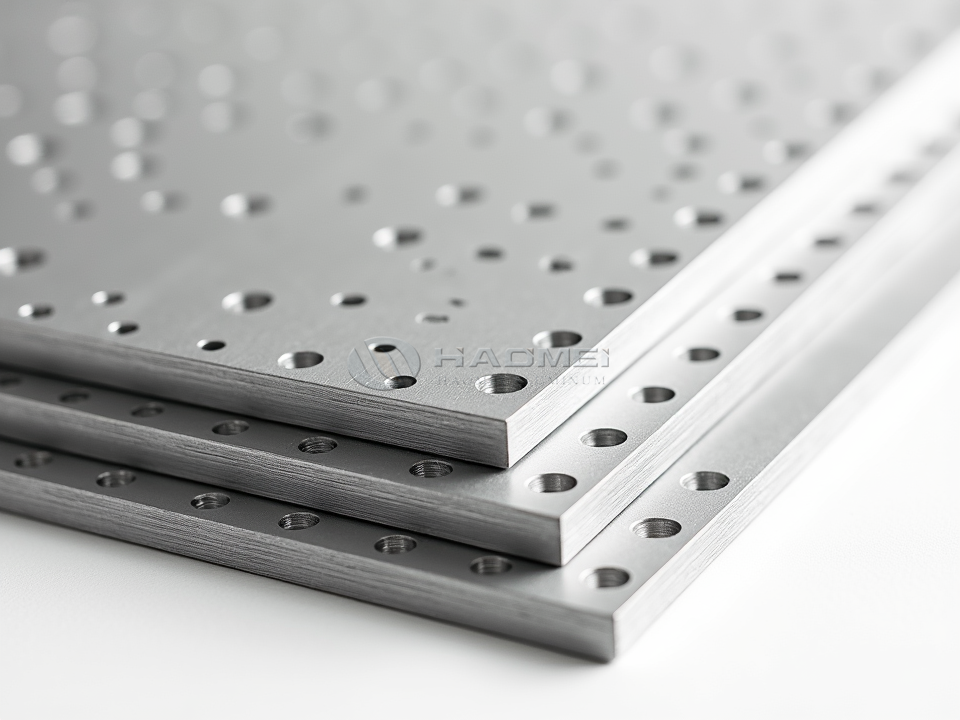
Applications Across Commercial and Public Spaces
In offices, micro perforated aluminum acoustic panels help reduce speech distraction in open work areas, meeting rooms, cafeterias, and circulation zones. Their washable metal surface is practical where daily use is intensive.
In schools and universities, they improve speech intelligibility in classrooms, lecture theaters, libraries, and multipurpose halls. Better acoustic balance can make teachers easier to hear and reduce listening fatigue for students.
Healthcare facilities benefit from panels in waiting rooms, corridors, consultation areas, and dining spaces. Aluminum is resistant to moisture and can tolerate regular cleaning, helping maintain a hygienic appearance.
Airports, railway stations, exhibition centers, sports venues, and theaters often require large-scale acoustic treatments with strict fire, durability, and maintenance expectations. Micro perforated aluminum panels meet these needs while allowing integrated lighting, air diffusers, sprinklers, access hatches, and signage.
For exterior-adjacent applications, such as covered entrances and ventilated soffits, designers may combine acoustic zones with a Perforated Aluminum Plate system selected for structural demands, drainage, airflow, and visual continuity.
Installation and System Design Considerations
Panel performance is influenced by more than the metal face. The cavity behind the panel is a major acoustic design element. A deeper cavity generally improves lower-frequency absorption, while acoustic insulation behind the panel broadens sound control across a wider frequency range. Black acoustic fleece is often installed directly behind the perforations to conceal insulation and prevent the backing material from being visible.
Ceiling systems may use clip-in, hook-on, lay-in, or concealed suspension structures. Wall systems can be mounted on aluminum frames, steel furring channels, or purpose-made cassette rails. Access requirements for lighting, mechanical services, and inspection areas should be considered during panel layout to maintain a consistent module pattern.
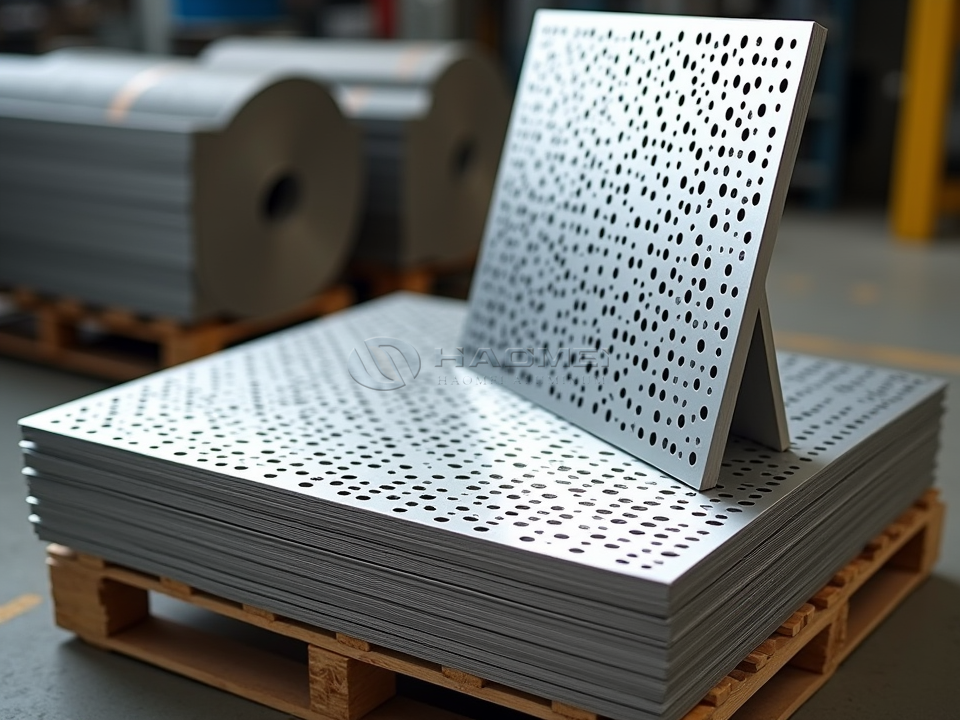
Why Choose Micro Perforated Aluminum
A micro perforated aluminum acoustic panel delivers more than sound absorption. It offers a disciplined architectural finish, low weight, corrosion resistance, fire-safe material properties, and dependable dimensional stability. The surface does not sag, shed fibers, or absorb odors like some soft acoustic materials. With suitable coating selection, it remains attractive after years of cleaning and public use.
For architects, contractors, and building owners, this panel is a practical way to bring acoustic comfort into ceilings and walls without compromising modern design. Custom hole patterns, dimensions, colors, edges, backing materials, and installation systems can be matched to the acoustic target and the visual character of the project.