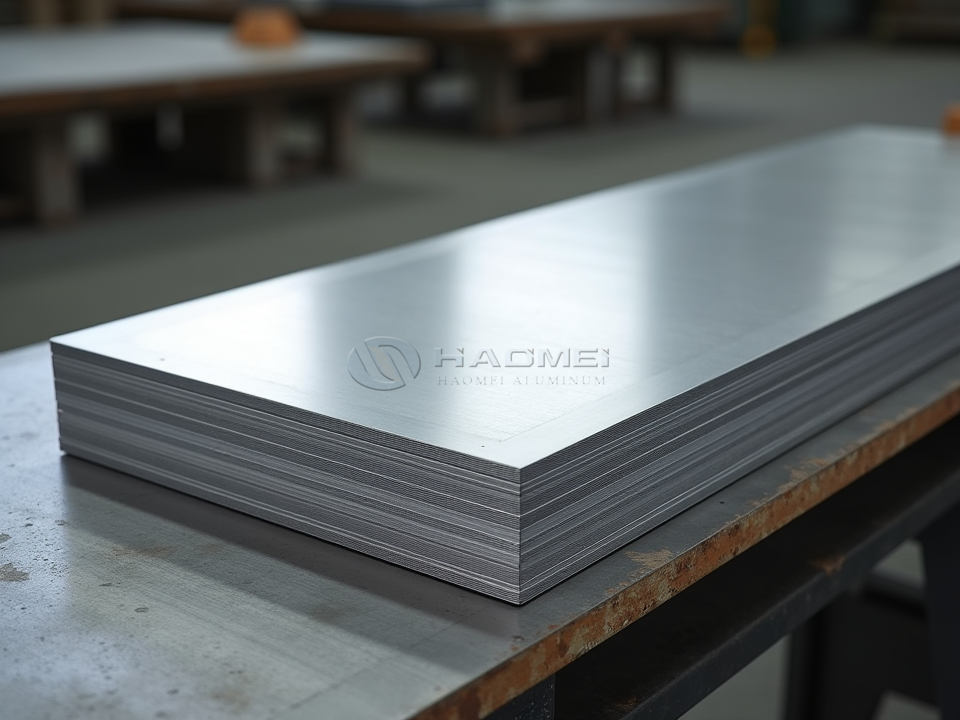
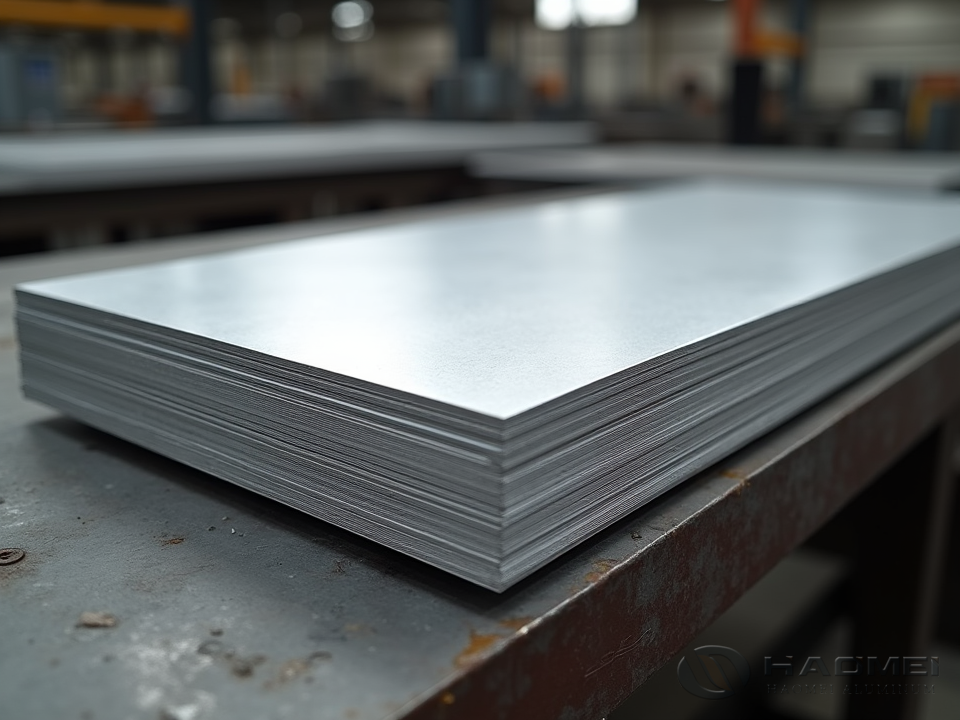
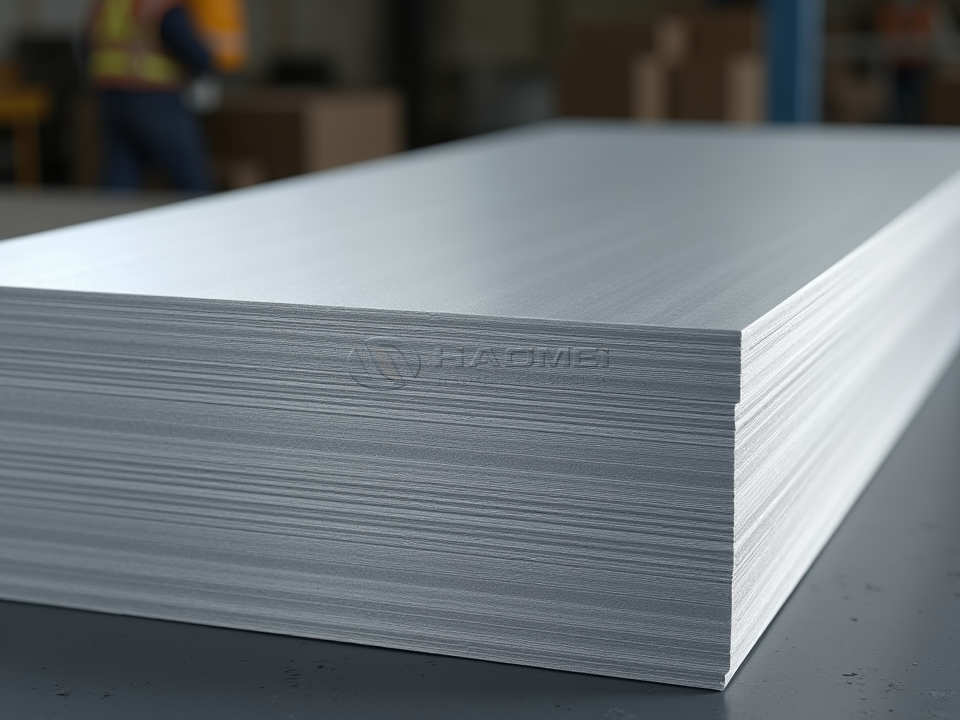
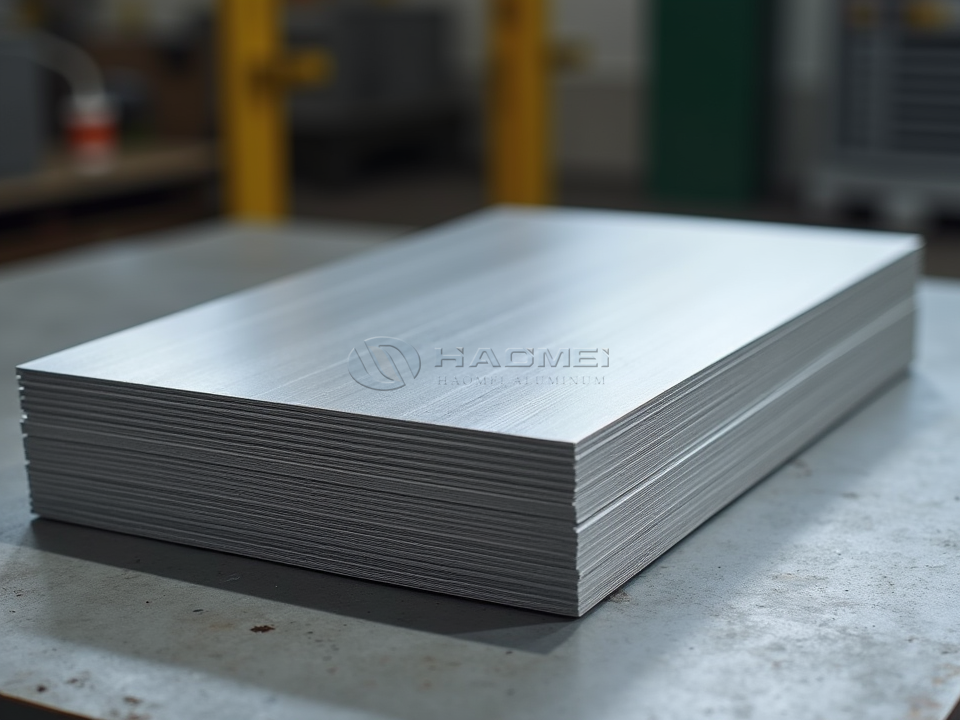
Key Specifications to Check When Buying 5052 Aluminum Sheet for Marine Fabrication
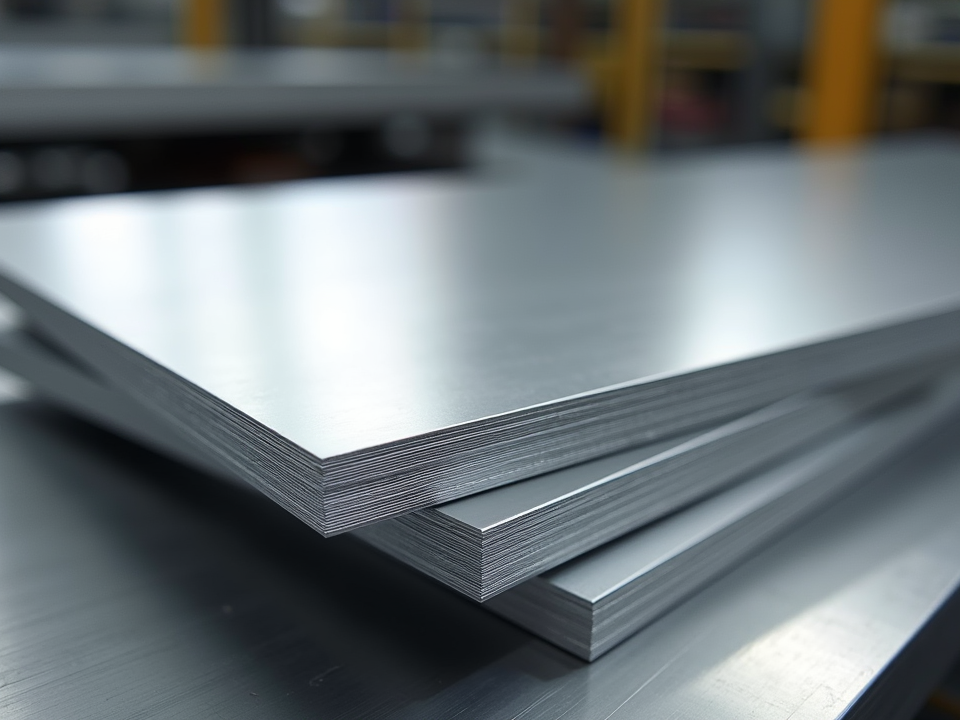
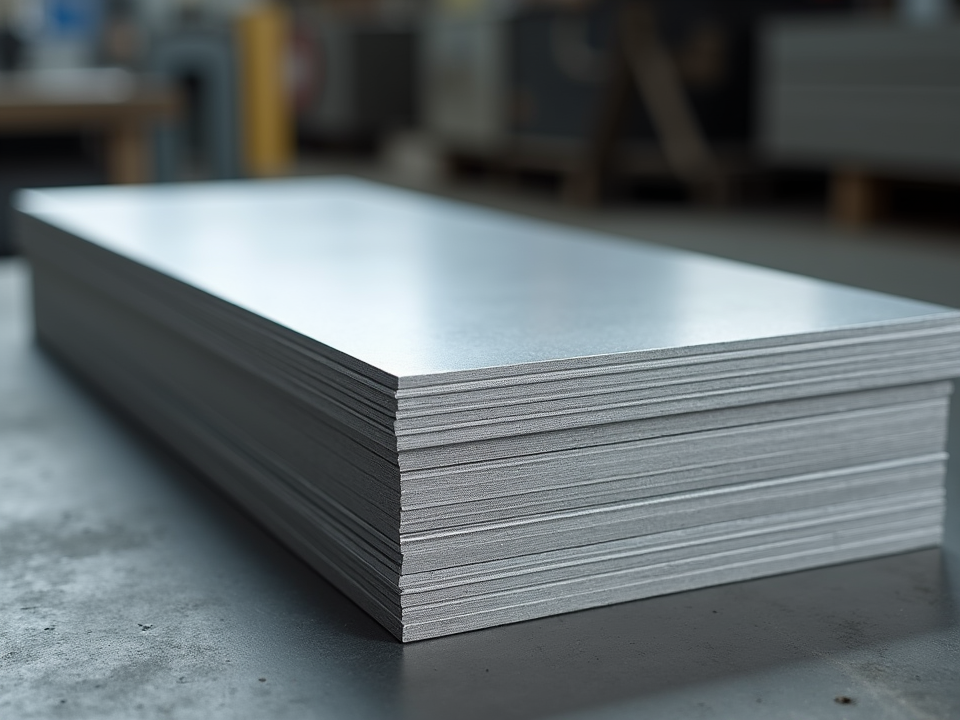
Marine fabrication demands more than a sheet that simply looks clean and flat. Hull sections, decks, cabins, storage tanks, walkways, brackets, and equipment enclosures must withstand salt spray, humidity, vibration, impact, and long service cycles. For these conditions, 5052 aluminum sheet is widely selected because its magnesium-bearing composition combines excellent corrosion resistance with practical forming and welding performance.
When purchasing material, the alloy name alone is not enough. The temper, thickness tolerance, surface quality, certification, and intended service location all influence fabrication efficiency and finished-vessel reliability. Reviewing these details before placing an order can prevent distortion, cracking, mismatched weld behavior, and unnecessary material loss.
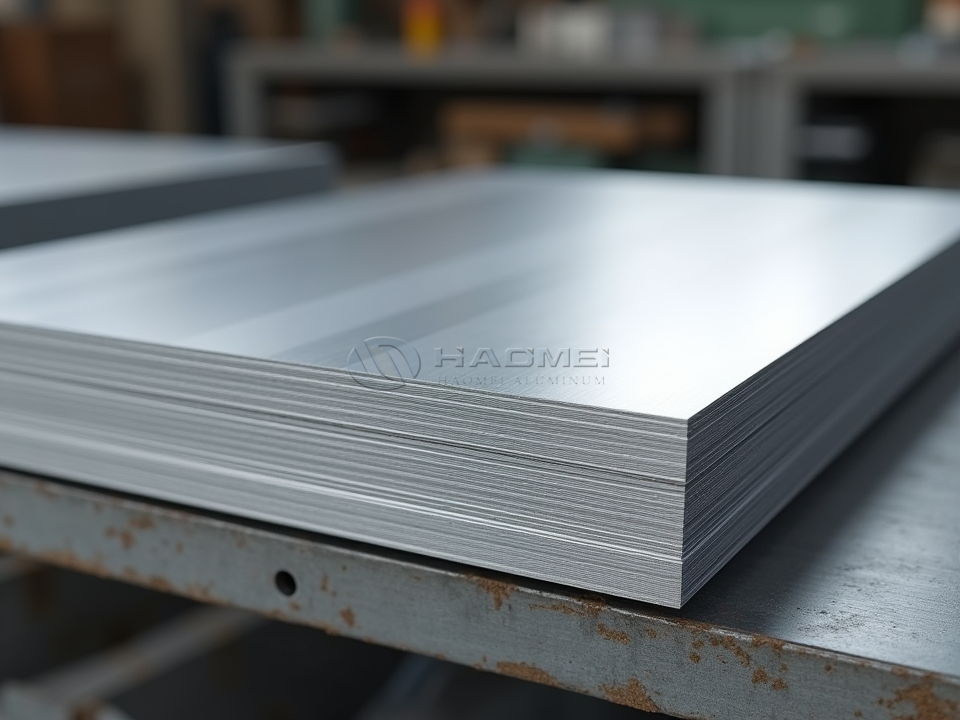
Why 5052 Performs Well in Marine Environments
5052 belongs to the non-heat-treatable 5xxx aluminum family. Its main alloying element is magnesium, supported by chromium additions that help control structure and improve resistance to corrosive environments. Compared with general-purpose 1xxx or 3xxx sheet, it provides substantially higher strength while retaining excellent formability.
The alloy develops a stable natural oxide film that protects the surface in wet and saline atmospheres. It is especially suitable for topside structures, interior marine components, tanks, splash-zone panels, and moderate-duty hull applications. For heavy structural hull plating, designers may also compare 5052 with higher-strength marine grades such as 5083 or 5086; however, 5052 remains a highly practical choice where forming quality, moderate strength, and cost control are important.
| Property | Typical Performance of 5052 Aluminum Sheet | Marine Fabrication Value |
|---|---|---|
| Density | Approximately 2.68 g/cm³ | Reduces vessel weight compared with steel |
| Corrosion resistance | Excellent in marine atmosphere | Supports long-term saltwater exposure |
| Weldability | Excellent | Suitable for MIG and TIG fabrication |
| Formability | Excellent, especially O and H32 tempers | Supports bending, rolling, and pressing |
| Heat treatment response | Not heat treatable | Strength is obtained through strain hardening |
| Electrical conductivity | Moderate | Useful where lightweight conductive panels are needed |
Chemical Composition Must Match the Alloy Designation
The corrosion behavior and mechanical consistency of 5052 depend on controlled chemistry. Magnesium creates the alloy's useful strength and seawater resistance, while chromium supports grain structure stability. Excessive impurities or off-grade scrap content can reduce consistency and create forming or surface problems.
Request a mill test certificate for each batch and confirm that the chemistry conforms to the applicable standard, such as ASTM B209, EN 485, or another project-required specification.
| Element | Typical 5052 Composition Range, % by Weight |
|---|---|
| Magnesium, Mg | 2.2-2.8 |
| Chromium, Cr | 0.15-0.35 |
| Iron, Fe | 0.40 max |
| Silicon, Si | 0.25 max |
| Copper, Cu | 0.10 max |
| Manganese, Mn | 0.10 max |
| Zinc, Zn | 0.10 max |
| Aluminum, Al | Balance |
A certificate should identify alloy, temper, melt or batch number, chemical analysis, mechanical test results, dimensions, and relevant inspection status. Traceability is particularly valuable for marine projects subject to owner approval, class requirements, or formal quality documentation.
Temper Selection Changes the Fabrication Result
Temper is one of the most important purchase details. It controls hardness, yield strength, elongation, bending response, and the effort required for forming. Selecting a temper that is too hard may cause bend-edge cracking. Selecting one that is too soft may lead to denting or excessive panel movement in service.
| Temper | General Condition | Typical Marine Uses |
|---|---|---|
| O | Fully annealed, softest condition | Deep-drawn parts, tight-radius bends, curved covers |
| H32 | Strain hardened and stabilized | Deck panels, cabinets, formed brackets, general sheet work |
| H34 | Harder than H32 | Panels requiring greater dent resistance and stiffness |
| H36 | Higher-strength strain-hardened condition | Flat components with limited forming needs |
| H38 | Full-hard condition | Lightly formed or flat parts where maximum sheet hardness is desired |
H32 is often the preferred balance for general marine fabrication. It offers dependable strength and good bendability, making it suitable for fabricated panels, lockers, trim, and protective structures. O temper is a better choice for parts that require severe shaping, while H34 or harder tempers fit applications with shallow bends and greater stiffness demands.
For related product options, review the available 5052 Aluminum Sheet range with the required temper and size stated clearly on the purchase order.
Thickness, Width, and Flatness Affect Fit-Up
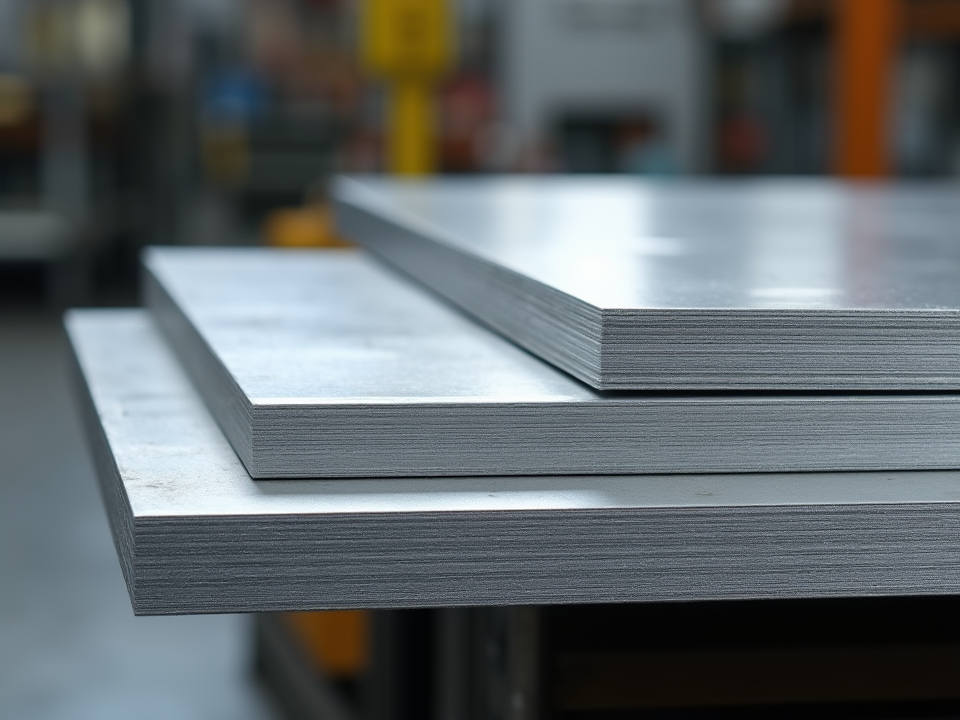
Nominal thickness is not the same as actual thickness. A sheet ordered as 3 mm must remain within the permitted tolerance across its full width and length. Inconsistent gauge can affect weld preparation, formed-part dimensions, stiffness, weight calculations, and fit-up with adjoining components.
Marine fabricators should specify the following dimensional details:
- Nominal thickness and acceptable thickness tolerance
- Sheet width and length, including cut-size tolerances
- Flatness requirement for laser cutting, CNC routing, or panel assembly
- Edge condition, such as mill edge, trimmed edge, or slit edge
- Protective film requirement for cosmetic or finished surfaces
Wide sheets reduce welded seams in deck panels and enclosure skins, but they also require careful flatness control. If the part will be CNC-cut, confirm that the sheet is suitable for stable nesting and that it will not rock on the cutting bed. For long, visibly exposed panels, surface waviness and coil-set marks should be discussed before production begins.
Surface Quality Should Suit the Finished Part
5052 aluminum sheet is usually supplied with a mill finish, but not every mill finish is equivalent. Surface quality should match the intended application. A painted cabin panel, anodized trim component, or brushed interior fitting requires a cleaner visual surface than a hidden structural bracket.
Inspect for scratches, roller marks, stains, oxidation spots, embedded particles, edge damage, and handling dents. Protective PVC film can reduce fabrication scratches during cutting and bending, especially on decorative panels. However, film should be removed promptly after processing because prolonged storage in heat or direct sunlight may leave adhesive residue.
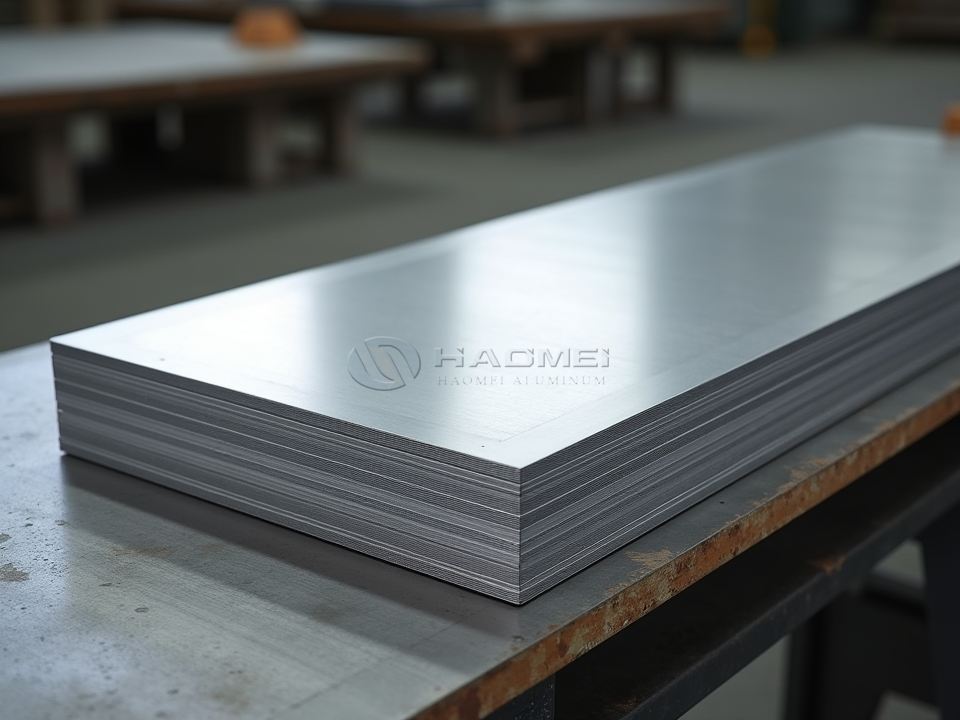
Welding Compatibility and Filler Metal Planning
5052 has excellent fusion weldability, which is a major advantage in boatbuilding and marine equipment construction. MIG and TIG processes are commonly used. For many applications, 5356 filler wire is selected because it provides suitable strength and color matching after anodizing. In some situations, 5183 or 5556 filler may be evaluated according to joint design and service conditions.
The heat-affected zone will soften in strain-hardened tempers. This is normal for non-heat-treatable aluminum alloys and should be considered in the structural design. If a component carries significant load, calculate strength based on the post-weld condition rather than the original H32 or H34 sheet properties.
Avoid contamination from carbon steel grinding dust, copper-bearing tools, or dirty work surfaces. These can encourage localized staining or galvanic corrosion. Use dedicated aluminum fabrication tools whenever possible.
Corrosion Control Extends Service Life
Although 5052 is highly resistant to marine exposure, corrosion performance still depends on design and installation practices. Water traps, unsealed lap joints, damaged coatings, and contact with dissimilar metals can create trouble spots.
Separate aluminum from stainless steel, carbon steel, copper alloys, and other dissimilar metals with suitable insulating materials, sealants, or coatings. Drainage paths should remain open, and stagnant saltwater should not be allowed to collect between panels. Where coating is required, prepare the surface according to the coating supplier's recommendations.
For projects requiring a broader material comparison, Alloy Aluminum Sheet options can help match alloy family, thickness, and fabrication needs to the service environment.
Documentation and Packaging Matter at Delivery
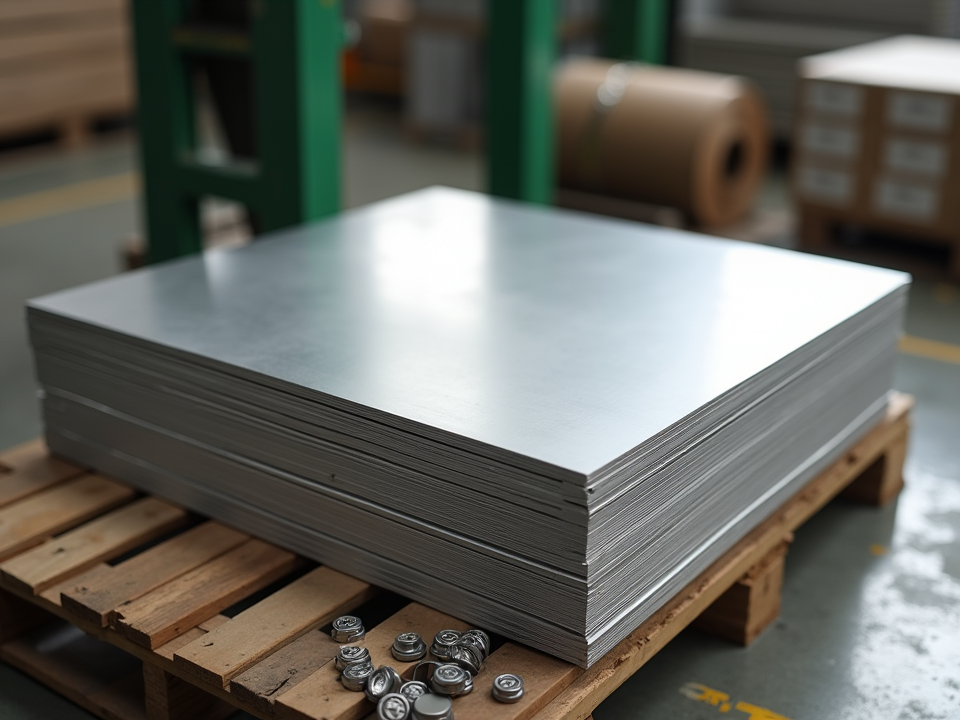
A reliable shipment should include identification labels, batch traceability, mill certificates, packing details, and protection against moisture during transportation. Sheets should be separated where needed to avoid abrasion and packed on stable pallets or wooden supports. Moisture trapped under packaging can cause water staining during storage, particularly in humid coastal warehouses.
Before accepting delivery, compare the packing list with the purchase order. Confirm alloy, temper, thickness, dimensions, quantity, surface condition, certificate data, and packaging integrity. Early inspection is far easier than discovering a mismatch after cutting has started.
Suitable Marine Applications
5052 aluminum sheet is used across a wide range of marine fabrications, including cabin walls, interior partitions, deck coverings, hatches, lockers, fuel and utility tanks, instrument panels, ventilation covers, gangway components, equipment housings, and non-critical hull sections. Its light weight helps lower overall vessel mass, while its corrosion resistance reduces maintenance demand in wet and salty conditions.
The best purchasing decision comes from matching the sheet condition to the fabricated part. Specify the required temper, thickness tolerance, surface grade, certificate standard, and packaging method from the start. With these details controlled, 5052 aluminum sheet becomes a durable, workable material for efficient marine production.