How 5052 Aluminum Sheet for Marine Fabrication Is Used in Modern Manufacturing
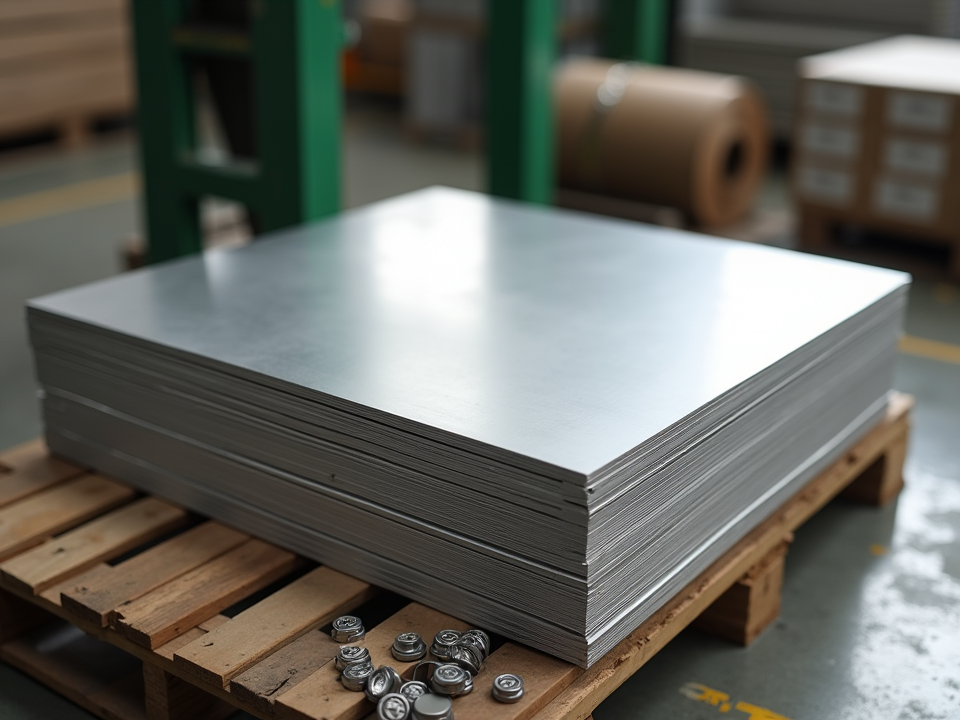
In marine manufacturing, material selection is not simply a question of strength. A boat hull, deck panel, tank cover, dock component, or offshore enclosure must survive repeated saltwater exposure, vibration, impact, welding heat, and long maintenance cycles. 5052 aluminum sheet is widely used because it performs like a practical protective skin: light enough to reduce vessel weight, formable enough for curved structures, and corrosion-resistant enough for demanding wet environments.
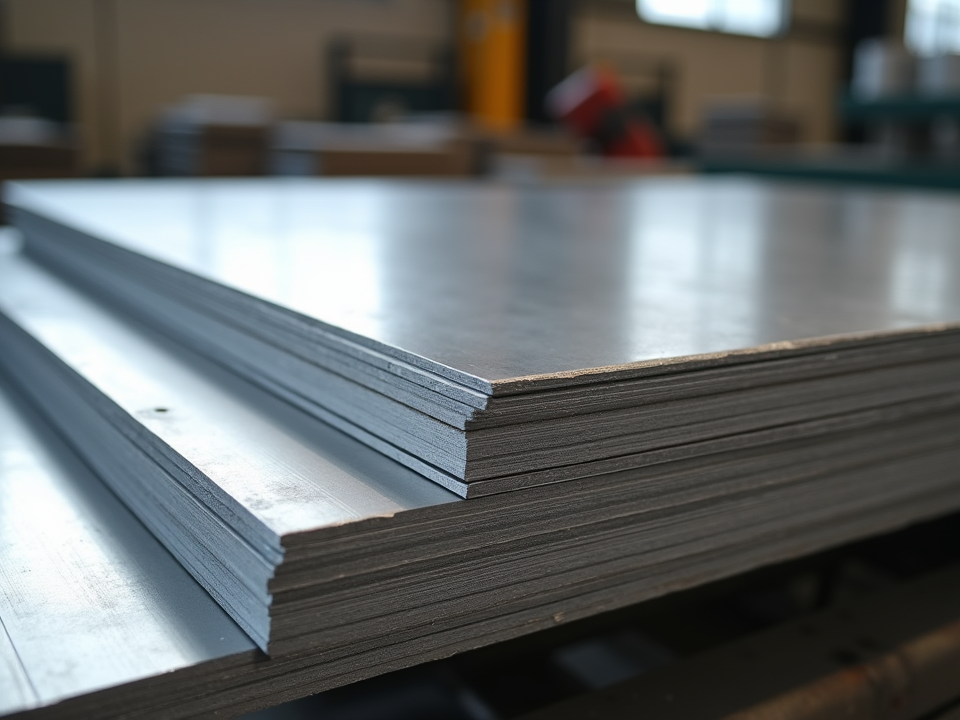
Unlike heat-treatable structural alloys, 5052 gains its strength primarily through cold working. This makes temper selection especially important. Fabricators can choose softer material for deep forming or stronger tempers for panels that need stiffness and dent resistance.
Why 5052 Performs Well Around Saltwater
5052 belongs to the aluminum-magnesium alloy family. Its magnesium content provides solid solution strengthening while also improving resistance to marine and industrial atmospheres. A thin, tightly adherent aluminum oxide film forms naturally on the surface. When properly maintained, this oxide layer helps reduce corrosion attack in wet and salty service.
The alloy is particularly valuable where fabrication creates many seams, bends, and welded areas. It has excellent weldability with common arc-welding processes, including MIG and TIG welding. For marine builders, this means hull plates, lockers, deck structures, console panels, fuel tank components, and splash-zone enclosures can be joined without relying on excessive mechanical fastening.
Its moderate strength also supports a different manufacturing strategy: instead of designing a heavy assembly around thick steel sections, fabricators can use formed aluminum panels, reinforcement ribs, and welded frames to achieve stiffness with less total mass. Lower weight can improve payload, speed, fuel efficiency, and ease of installation.
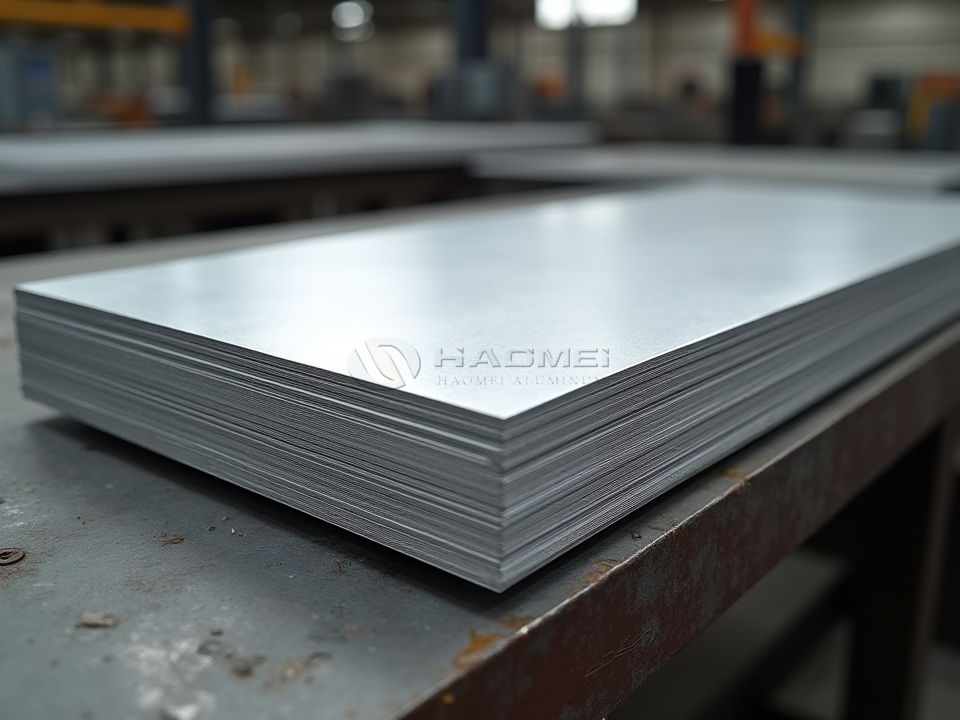
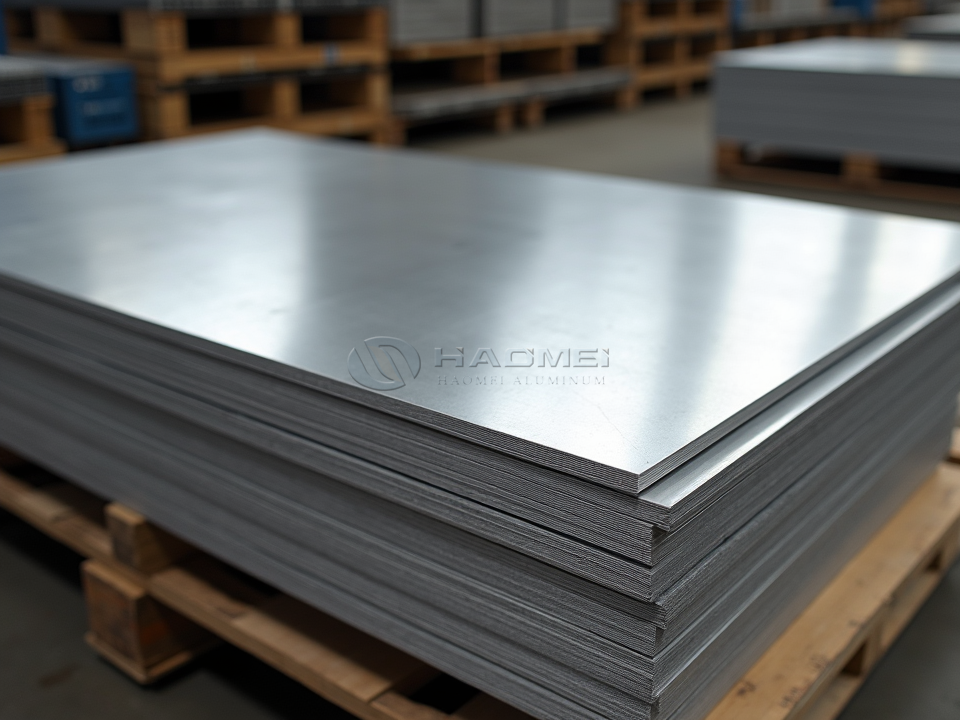
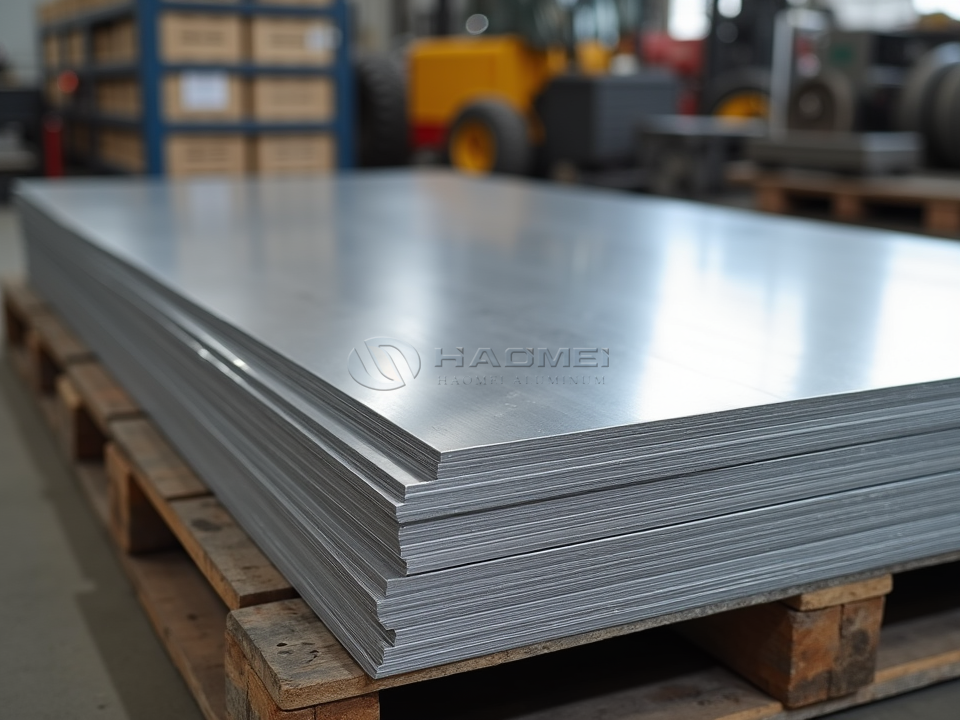
For projects requiring corrosion-resistant sheet stock, a 5052 Aluminum Sheet is commonly specified for boatbuilding and coastal equipment because its balance of formability and saltwater durability is difficult to match with general-purpose aluminum grades.
Material Chemistry and Its Functional Role
The chemistry of 5052 is controlled to maintain corrosion resistance, workability, and stable mechanical behavior. Magnesium is the dominant alloying element, while chromium assists grain structure control and corrosion performance.
| Element | Typical Specification Limit, % by Weight |
|---|---|
| Silicon, Si | 0.25 max |
| Iron, Fe | 0.40 max |
| Copper, Cu | 0.10 max |
| Manganese, Mn | 0.10 max |
| Magnesium, Mg | 2.2-2.8 |
| Chromium, Cr | 0.15-0.35 |
| Zinc, Zn | 0.10 max |
| Other elements, each | 0.05 max |
| Other elements, total | 0.15 max |
| Aluminum, Al | Remainder |
Magnesium gives 5052 its useful combination of strength and corrosion resistance, but fabricators should still manage weld heat and avoid unsuitable dissimilar-metal contact. Stainless steel fasteners, copper-based fittings, and carbon steel accessories may create galvanic corrosion risks if electrical isolation and protective design are ignored.
Tempers Shape the Manufacturing Result
Temper is often the deciding factor between an easy forming operation and a panel that cracks, springs back excessively, or lacks the required rigidity. Marine fabricators commonly select from annealed and strain-hardened conditions.
| Temper | General Character | Typical Marine Use |
|---|---|---|
| O | Fully annealed, soft, highly formable | Deep-drawn covers, curved panels, complex formed parts |
| H32 | Strain hardened and stabilized, medium strength | Boat side panels, decks, tanks, housings, general fabrication |
| H34 | Higher strength and hardness than H32 | Stiffer panels, workboat structures, protective covers |
| H36 | Higher strain-hardened condition | Applications needing increased dent resistance |
| H38 | High-strength strain-hardened condition | Flat or lightly formed parts requiring maximum sheet strength |
H32 is frequently chosen for marine sheet fabrication because it provides a useful middle ground. It can be bent and welded reliably while offering better rigidity than annealed material. O temper is better suited to demanding curves, but it may require structural support after forming. H34 and H36 can improve panel stiffness, although tighter bending radii should be evaluated through forming trials.
Welding should also be considered as a local temper-changing event. Heat from welding softens the material near the joint, reducing cold-work strength in the heat-affected zone. Good marine design compensates through joint geometry, reinforcement placement, weld sequencing, and realistic load calculations rather than assuming base-metal strength remains unchanged at every seam.
Practical Applications Across Modern Manufacturing
Marine fabrication remains the most familiar use, but 5052 sheet also moves through related manufacturing sectors where moisture, chemicals, and lightweight construction matter. In boatbuilding, it is used for hull plating, deck skins, cabin structures, live wells, storage compartments, instrument housings, and interior panels. In commercial vessels, it appears in workboat bodies, fishery equipment, gangways, ladders, and protective machinery covers.
Outside the vessel itself, 5052 can be formed into dock accessories, coastal control cabinets, marine HVAC panels, trailer components, transport enclosures, and fuel or fluid handling parts. Its smooth surface also accepts coatings and finishes well when the substrate is properly cleaned and pretreated.
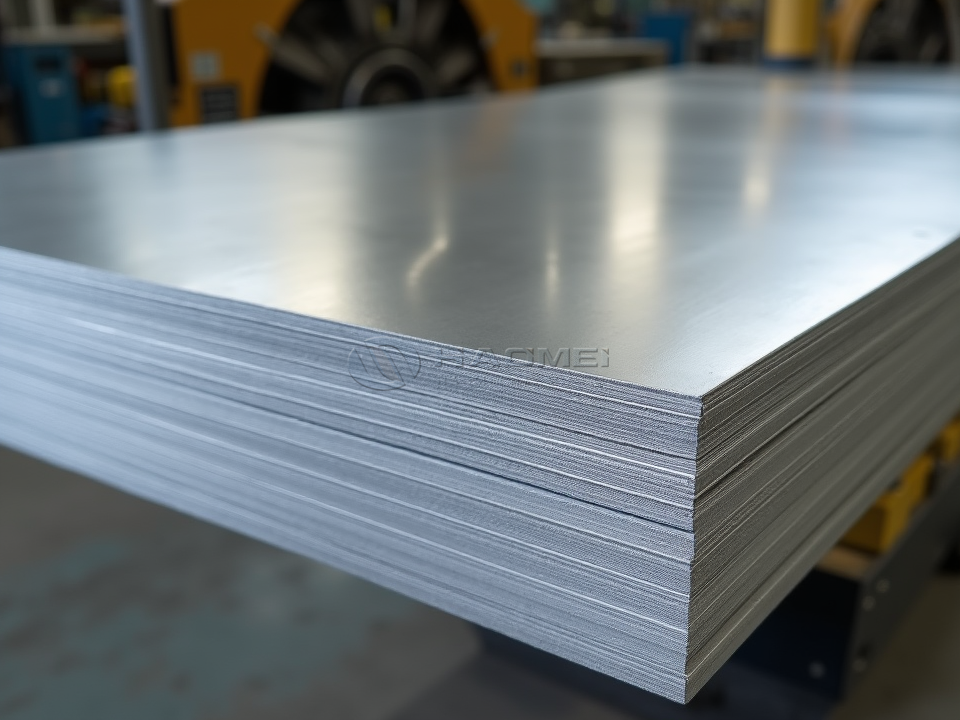
A useful way to view 5052 is as a manufacturing alloy that reduces secondary processing. It can be cut by shearing, laser cutting, waterjet cutting, routing, and CNC machining. It responds well to bending and rolling, allowing manufacturers to create curved shapes without assembling numerous small pieces. Fewer joints can mean faster production and fewer potential corrosion sites.
Where higher structural strength or machined-part performance is needed, fabricators may compare 5052 against other Alloy Aluminum Sheet options. However, for exposed marine panels and welded sheet structures, 5052 often remains the more practical choice due to its corrosion behavior and forming flexibility.
Standards, Dimensions, and Purchase Checks
5052 aluminum sheet is commonly supplied to ASTM B209 for aluminum and aluminum-alloy sheet and plate. European requirements may reference EN 485-2 for mechanical properties and EN 573-3 for chemical composition. Marine projects can also request inspection documents, traceability records, ultrasonic testing where needed, and classification-related documentation based on vessel rules or customer specifications.
Typical thicknesses range from approximately 0.5 mm to 6 mm for sheet applications, while thicker products may be supplied as plate. Common widths include 1,000 mm, 1,220 mm, 1,250 mm, 1,500 mm, and custom cut sizes. Final tolerance requirements should be defined before fabrication, especially for CNC nesting, automated bending, and flush-fit assemblies.
Before releasing material to production, manufacturers should confirm alloy grade, temper, thickness tolerance, flatness, surface condition, protective film requirements, and certificate details. Marine-grade performance depends not only on the alloy itself, but also on proper storage, welding practice, drainage design, coating selection, and separation from incompatible metals.
5052 aluminum sheet succeeds in modern marine fabrication because it supports the full production chain: cutting, shaping, welding, finishing, and long-term service. Its value is not limited to surviving saltwater. It helps manufacturers build lighter, cleaner, and more efficient structures with fewer compromises between durability and manufacturability.